Harrowing hideout
Polish Second World War survivor recalls ordeal of hiding in the woods for years to evade Nazis
Advertisement
Read this article for free:
or
Already have an account? Log in here »
To continue reading, please subscribe:

Digital Subscription
One year of digital access for only $205*
- Enjoy unlimited reading on winnipegfreepress.com
- Read the E-Edition, our digital replica newspaper
- Access News Break, our award-winning app
- Play interactive puzzles
*First annual payment billed as $205.00 + GST for one year. This annual subscription will automatically renew at $233.00 + GST every 52 weeks (10% off the regular annual price of $259.35). Offer available to new and qualified returning subscribers only. Cancel any time.
To continue reading, please subscribe:
Add Free Press access to your Brandon Sun subscription for only an additional
$1 for the first 4 weeks*
- Enjoy unlimited reading on winnipegfreepress.com
- Read the E-Edition, our digital replica newspaper
- Access News Break, our award-winning app
- Play interactive puzzles
*Your next Brandon Sun subscription payment will increase by $1.00 and you will be charged $17.95 plus GST for four weeks. After four weeks, your payment will increase to $24.95 plus GST every four weeks.
Read unlimited articles for free today:
or
Already have an account? Log in here »
Hey there, time traveller!
This article was published 14/05/2022 (1540 days ago), so information in it may no longer be current.
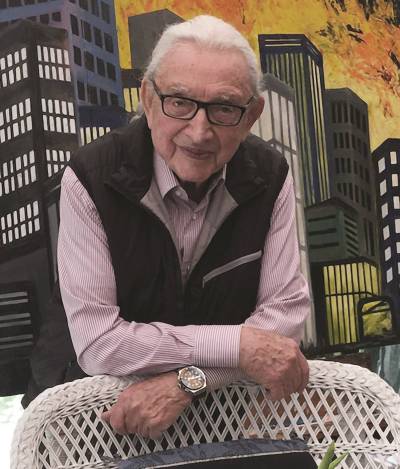
This remarkable tale of a young boy’s narrow escape from the Nazi occupiers of his town, his hiding in the forest for more than two years to avoid capture and death, and his building a new life in Canada begins in the small eastern Polish town of Buczacz, where Oziac Fromm was born on June 1, 1930.
Fromm, who later became Maxwell Smart after he landed in postwar Montreal, enjoyed the first nine years or so of his life surrounded by his parents, younger sister, an extended family of more than 60 and a strong Jewish community.
He grew up with Jewish and Christian friends. He did well in school and religious studies and was a budding artist who was encouraged by family and teachers.
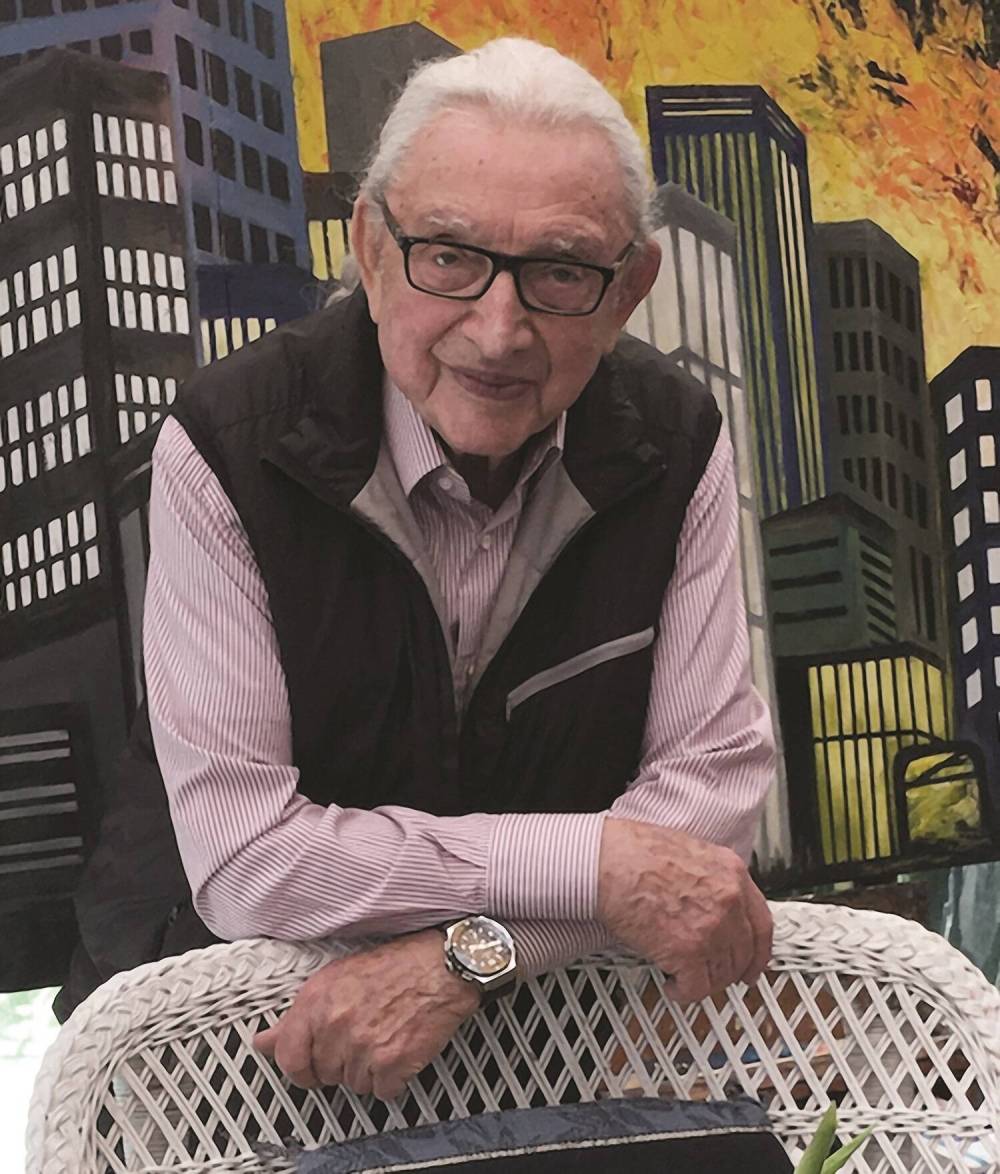
As the war began with the German invasion of western Poland, Buczacz (which later became part of Ukraine) came under control of the Soviet Union and residents were pleased not to be occupied by the Nazis, Smart writes in his memoir.
That ended on June 22, 1941, when Germany’s Operation Barbarossa attacked its former Soviet allies, who fled Poland. Fromm’s father’s boss offered the family transportation to the U.S.S.R., but as word of the ghettos, camps and slaughter of Jews in western Poland had not reached Buczacz yet, Fromm’s mother did not want to leave her home and extended family.
His father was in one of the first groups of Jewish men to be rounded up by the Nazis, shot and dumped in a mass grave.
Smart’s mother told him to try to escape if the family was being moved, as he was likely the last hope to keep the family name alive. When the time came — as he, his mother, sister and grandfather were being herded toward a Nazi truck — she told him to get away and he slowly walked across a nearby bridge, even being questioned by a German officer, to avoid his family’s fate.
The 11-year-old with nothing but the clothes on his back was able to contact an aunt and uncle, who arranged for a farmer to take him in and feed him. When a Ukrainian militia and Nazis began searching for hidden Jews in the area, Fromm had to flee into the forest and began his long ordeal of hiding from mass murderers, staying warm and eating what he could steal from farmers’ fields and scrounging for berries and such in season.
Infrequently, he was able to visit the farm family for a bowl of soup and a warm night sleeping in the barn; otherwise he was forced to scrounge for enough to stay alive, and sleep in a dugout so shallow he couldn’t stand up. In the winter, he would leave his clothes in the snow overnight so the lice would freeze and he could shake them off.
He writes, “I felt that I was going crazy,” a situation alleviated somewhat when he came across a boy named Janek, two years younger, who was wandering in the forest alone after his parents failed to come back from foraging for food.
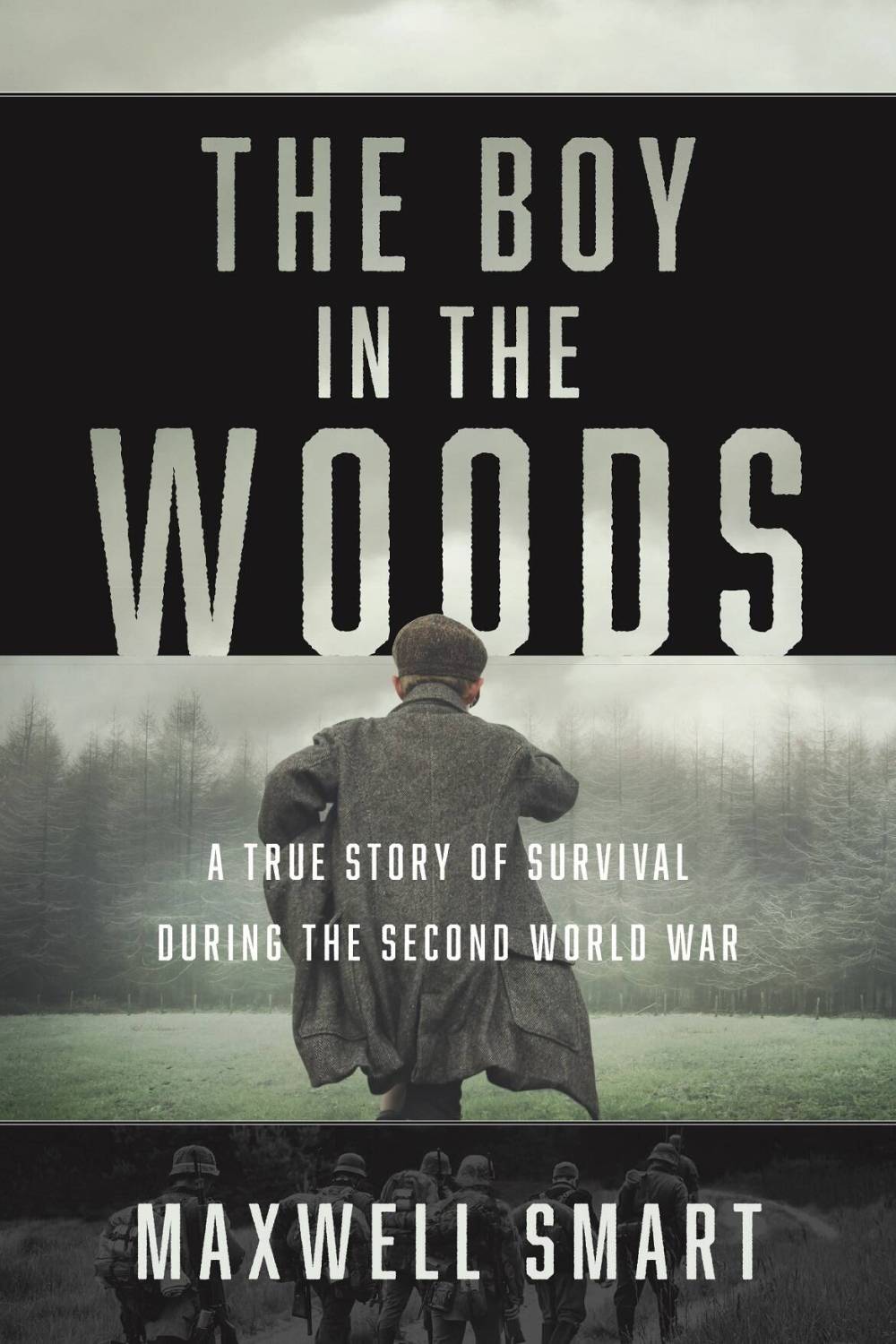
The two boys still suffered, but at least they could watch out for each other.
One day they woke to screaming and shooting, and when they felt safe enough to leave their dugout, they found a dead woman on the edge of a stream with a toddler in her arms. The boys waded into the freezing water to save the child, whose aunt appeared out of the forest to take her.
Janek, however, already weakened by cold and malnutrition, died from being in the frigid water, Smart writes; he blamed himself for his friend’s death. Decades later, he was able to trace the toddler in Israel and consoled himself with the fact they had saved the little girl’s life.
In the spring of 1944, as the Soviets advanced into Poland, Smart was able to hitch a ride with a Soviet truck convoy going to Romania; the soldiers fed him, and he had his first bath in more than two years.
Just barely a teenager, he mastered the machinations of the black market, especially supplying vodka for cash or bartering for transportation. After attempts to relocate to Palestine failed, he managed to be accepted through a resettlement program sponsored by a Montreal Jewish organization.

He and other refugees weren’t exactly greeted with open arms, but Smart was able to find lodgings with a welcoming family, a job with the father and a wife with the daughter. He became a successful real estate entrepreneur and rekindled his love of painting, opening a gallery to sell his own work.
Smart’s account was first published as Chaos to Canvas by the Holocaust Survivors Memoirs Program of the Azrieli Foundation, a philanthropic organization that funds institutions and operates programs in Israel and Canada.
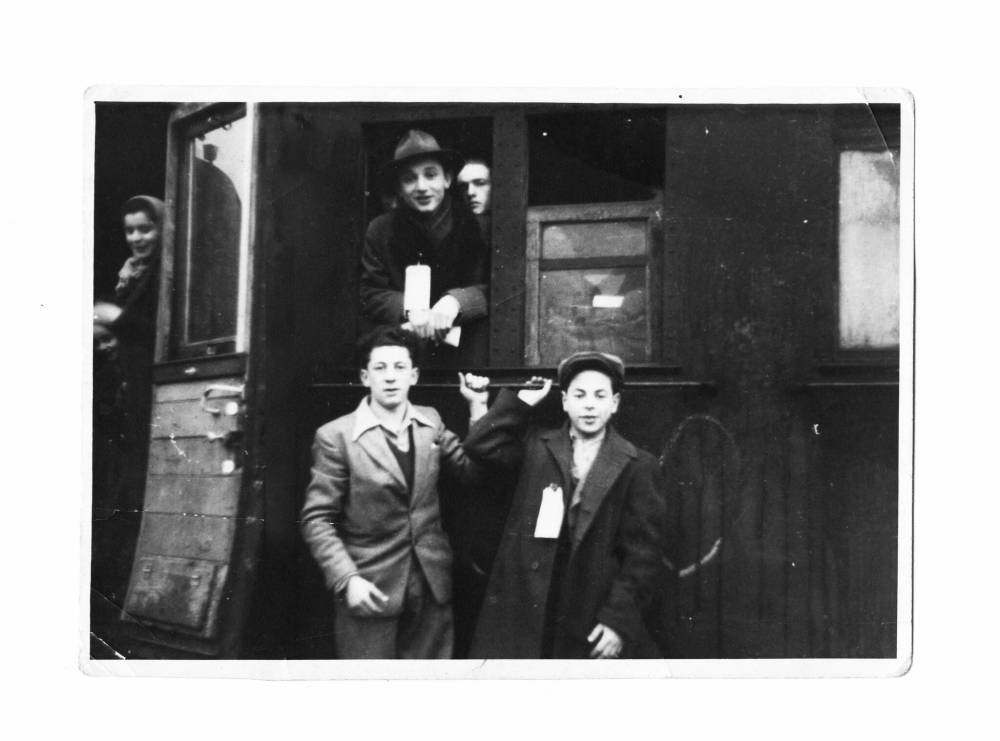
For a long time, Smart tried to bury his wartime memories. That time haunts him, obviously, but to this day he can’t smell barbecue charcoal without remembering how charcoal in the dugout meant warmth, or the sense of ease he feels in the rain, because in the forest it meant no one would be out searching for hideaways.
While the writing style seems almost subdued at times, the intensity of the young boy’s life and his ability to create a new one, keeping the family name alive as his mother wished, make for a strong personal memoir, and a memorial to the millions of victims.
Chris Smith is a Winnipeg writer.