Comedian’s posthumous memoir inspires
Advertisement
Read this article for free:
or
Already have an account? Log in here »
To continue reading, please subscribe:

Digital Subscription
One year of digital access for only $205*
- Enjoy unlimited reading on winnipegfreepress.com
- Read the E-Edition, our digital replica newspaper
- Access News Break, our award-winning app
- Play interactive puzzles
*First annual payment billed as $205.00 + GST for one year. This annual subscription will automatically renew at $233.00 + GST every 52 weeks (10% off the regular annual price of $259.35). Offer available to new and qualified returning subscribers only. Cancel any time.
To continue reading, please subscribe:
Add Free Press access to your Brandon Sun subscription for only an additional
$1 for the first 4 weeks*
- Enjoy unlimited reading on winnipegfreepress.com
- Read the E-Edition, our digital replica newspaper
- Access News Break, our award-winning app
- Play interactive puzzles
*Your next Brandon Sun subscription payment will increase by $1.00 and you will be charged $17.95 plus GST for four weeks. After four weeks, your payment will increase to $24.95 plus GST every four weeks.
Read unlimited articles for free today:
or
Already have an account? Log in here »
Hey there, time traveller!
This article was published 24/12/2022 (1377 days ago), so information in it may no longer be current.
‘I am not a shiny, perfect woman who has it all, writing about her shiny, perfect life.”
Candy Palmater’s words grace the back cover of her posthumous memoir, Running Down a Dream, which she finished shortly before her sudden death in 2021 at age 53. Her title is also the title of an iconic song by Tom Petty, one that celebrates the possibilities of following the open road, of chasing what you want if it doesn’t come to you first.
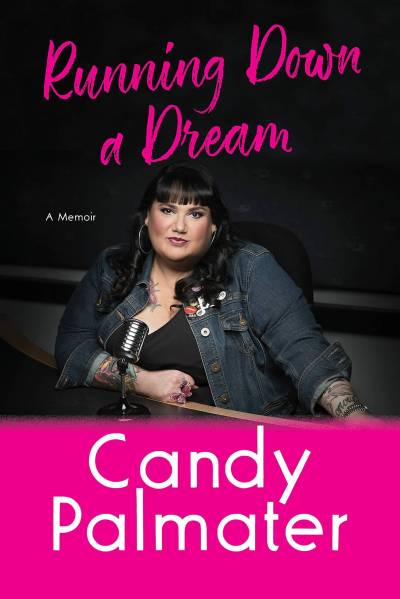
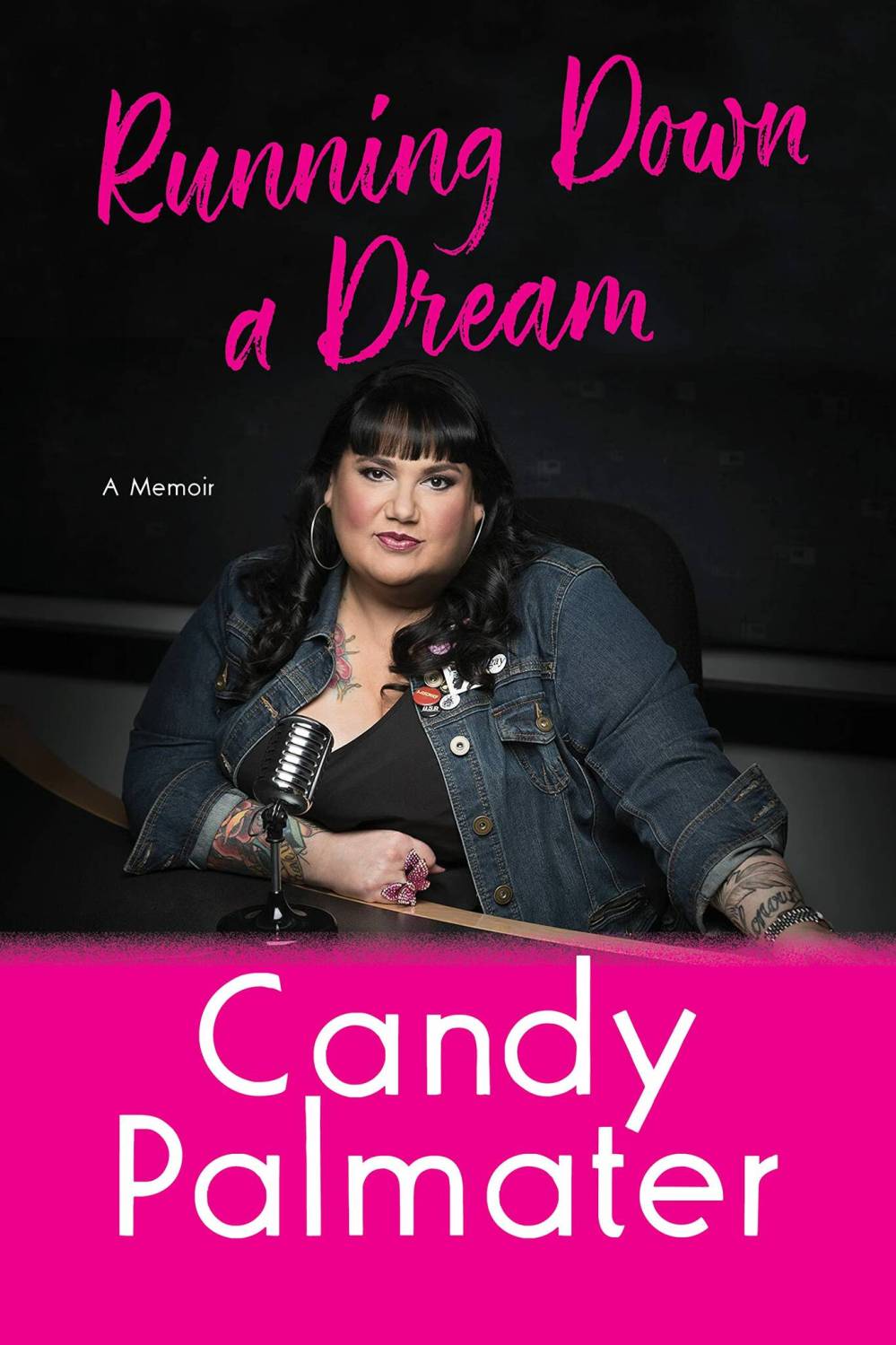
Palmater herself appears on the front cover of her book. The photo shows an edgy woman in large hoop earrings, tattoos and a denim jacket — a colourful invitation to explore her personality.
Running Down a Dream
But her expression is the showstopper — she is not sparkling, not gleaming, not teasing. She’s looking directly, unsentimentally at her reader as if waiting for a response.
Well, her eyes say, now what? I’ve given you the unvarnished story of my life and its lessons: what are you going to do with it?
Her life was heartbreakingly short, but her lessons were many, and Running Down a Dream is her legacy.
Palmater, a celebrated comedian, radio and television personality perhaps best known in Atlantic Canada and in Indigenous communities, sometimes introduced herself as a “queer, Mi’kmaw lawyer-turned-comic raised by bikers in rural New Brunswick.”
It was an accurate and intriguing but limited description, overlooking her commitment to Indigenous development and her fierce determination to confront barriers that stopped others in their tracks.
From early days, she accepted little at face value. Growing up in “a good faithful Catholic family,” Palmater noticed girls were never allowed to assist a priest in the celebration of mass. She asked the unthinkable question: why did she need a penis to ring the bells during mass? She became her church’s first altar girl.
The chapters of Running Down the Dream are presented as scenes in a show. Scene 4 is “the one where my dad tries to keep me away from the Bikers.” Scene 12 is “the one where I up and quit the Law.” Scene 14 is “the one where my dreams begin.”

The scenes take the reader through racism among lawyers, through successful and unsuccessful auditions and finally to the recognition of Palmater’s unique ability to amuse and uplift audiences of all kinds through her appearances on APTN’s The Candy Show, The Trailer Park Boys, CTV’S The Social, CBC’s Because News and many others.
The scenes also reveal her long and utterly hopeless love for a toxic ex-con a full generation older than herself, how she survived bullying and body shaming from other women in the workplace, as well as the shock of ultimately finding her happiness with a wife instead of a husband.
Out of the chaos of her life emerged Palmater’s advice to artists burning with talent and ambition: It’s never too late to honour your dreams. You will fail along the way as you follow them. The world may tell you that you are not enough to succeed, but you are enough if you believe you are.
Candy Palmater may not have lived long enough to reach her full creative potential. Thankfully, she lived long and passionately enough to share unique and abundant wisdom in this memorable autobiography.
Lesley Hughes is a Winnipeg writer.