A star is reborn
Winnipeg-born child star Deanna Durbin’s life and career finally gets its rightful time in the spotlight
Advertisement
Read this article for free:
or
Already have an account? Log in here »
To continue reading, please subscribe:

Digital Subscription
One year of digital access for only $205*
- Enjoy unlimited reading on winnipegfreepress.com
- Read the E-Edition, our digital replica newspaper
- Access News Break, our award-winning app
- Play interactive puzzles
*First annual payment billed as $205.00 + GST for one year. This annual subscription will automatically renew at $233.00 + GST every 52 weeks (10% off the regular annual price of $259.35). Offer available to new and qualified returning subscribers only. Cancel any time.
To continue reading, please subscribe:
Add Free Press access to your Brandon Sun subscription for only an additional
$1 for the first 4 weeks*
- Enjoy unlimited reading on winnipegfreepress.com
- Read the E-Edition, our digital replica newspaper
- Access News Break, our award-winning app
- Play interactive puzzles
*Your next Brandon Sun subscription payment will increase by $1.00 and you will be charged $17.95 plus GST for four weeks. After four weeks, your payment will increase to $24.95 plus GST every four weeks.
Read unlimited articles for free today:
or
Already have an account? Log in here »
Hey there, time traveller!
This article was published 11/02/2023 (1289 days ago), so information in it may no longer be current.
Deanna Durbin was dubbed “Winnipeg’s Sweetheart” despite living here for less than two years.
She starred in 13 feature movies that made so much money they saved Universal Studios from bankruptcy. These movies made her not only the highest-paid movie star (more than Bogie, Clark Gable or Bette Davis) but the highest-paid woman in America. She won an honorary Oscar and she was idolized all over the world — the favourite of, among many others, Winston Churchill, Benito Mussolini and Anne Frank. Yet she’s almost completely forgotten today, proving yet again that fame can be both fickle and fleeting.
Edna Mae Durbin was born here in Winnipeg in 1921, in the former Grace Hospital in Wolseley, and lived on the southern edge of the Weston Yards’ CPR tracks. Her father’s poor health forced the family to relocate to Los Angeles in 1923, where Edna Mae’s strong soprano voice brought her to the attention of radio and movie agents when she was just 13.
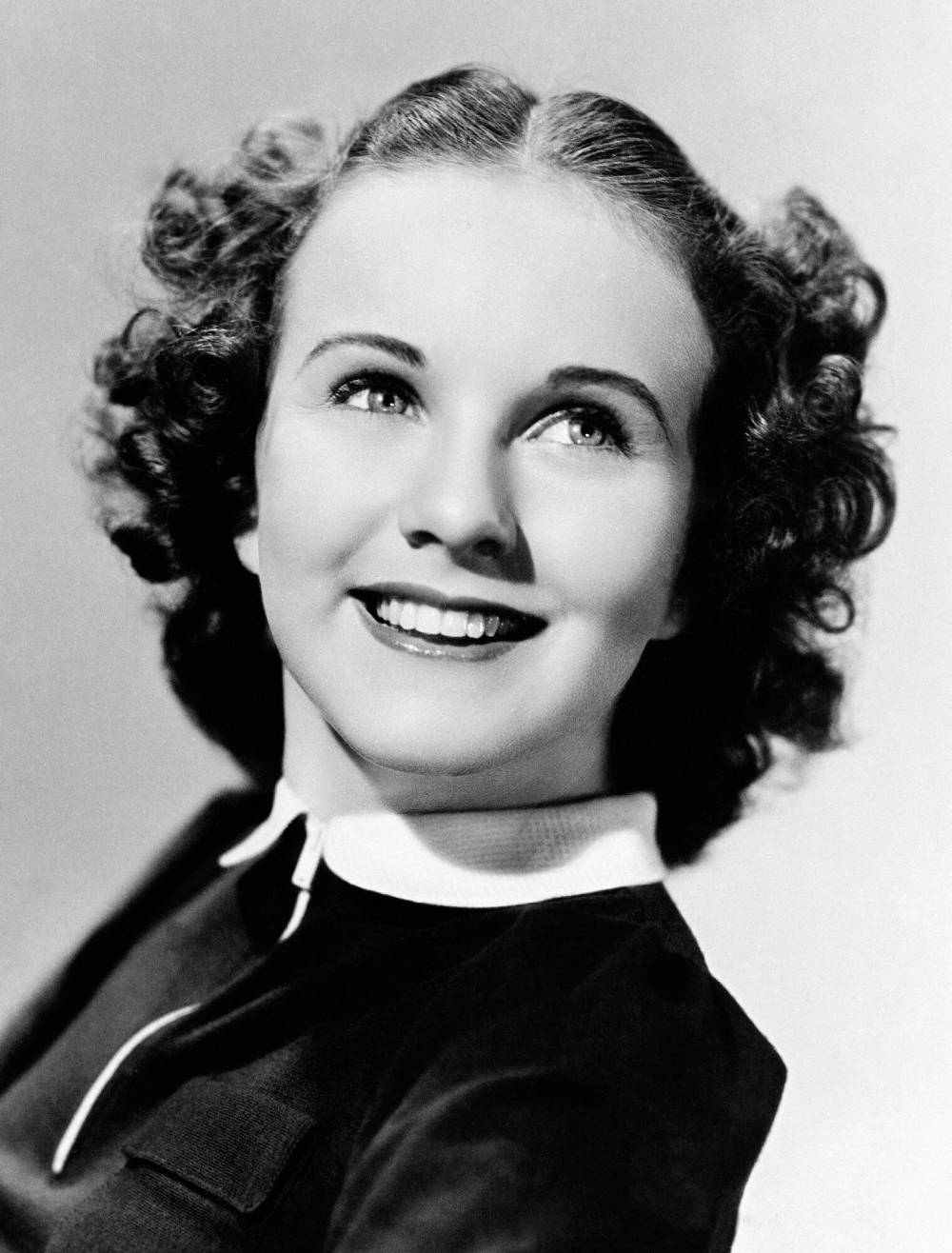
The Associated Press files
Deanna Durbin, seen here in 1937, was signed to Universal after being dropped by MGM, saving the studio from bankruptcy.
In 1935 MGM, the most glamorous studio in 1930s Hollywood, gave her a contract at about the same time they signed Judy Garland. They changed Edna Mae’s name to Deanna but, evidently believing they needed only one “ingénue,” quickly let her go, perhaps by mistake.
Universal, a struggling, minor studio, grabbed her almost immediately. Soon afterwards, Eddie Cantor signed her to sing on his weekly national radio show, where she was a sensation.
Deanna’s first movie for Universal, Three Smart Girls, released in December 1936, was an unexpected smash hit. The movie established the “Deanna Formula,” a staple of her most successful films: “hapless adults faced with problems they were unable to solve or recognize and Deanna as a wholesome girl, a plucky ‘Miss Fix-it’ who used a combination of wit and ingenuity to save the day,” Gall writes. Durbin also sang solos in each movie with the voice of a trained opera singer — her real ambition.
By the 1940s Deanna had outgrown these teenage fantasies, and the movies that Universal designed for her were not as successful. So, in 1949 she quit Hollywood cold and moved to France to live a quiet life with her small family. She passed up leading roles in Broadway musicals and refused almost all interview requests.
Deanna’s fame and consequential retreat into almost total obscurity intrigued Melanie Gall enough to write the first ever book devoted to the actor.

Deanna Durbin, Judy Garland and the Golden Age of Hollywood
Her book is smartly written but not deeply analytical. Gall, a musician, playwright and historian, is more intent on proving Durbin was a beloved star rather than diagnosing the themes and values of the movies or even Deanna’s vocal and acting talents. It’s a good, brisk read, but more like a fan-girl bio rather than a serious examination of Durbin’s role in movie history.
Including Judy Garland in the title of the book is not a cynical ploy by the author to garner a wider readership. Garland and Durbin were friends early, and their careers ran parallel for 15 years. Gall makes apt comparisons often.
Winnipeg is not slighted in this bio. Durbin’s career was followed closely by local newspaper critic Frank Morriss, and he is quoted frequently. Her connection to this city is solidified by the fact that she maintained contact with her grandmother, who lived in St. Vital, and she sponsored the raffling of a house on Kingston Row (still there) during the Second World War. [Gall does need a quick lesson in geography, however; she thinks Kingston Row is “not far from where Deanna was born” on Blake Street.]
Deanna Durbin, Judy Garland and the Golden Age of Hollywood is well worth reading for the substantial job it does of rescuing the star from her self-imposed oblivion and putting Winnipeg in her reflective spotlight.
Gene Walz taught in the film studies program at the University of Manitoba from 1974 until 2011.
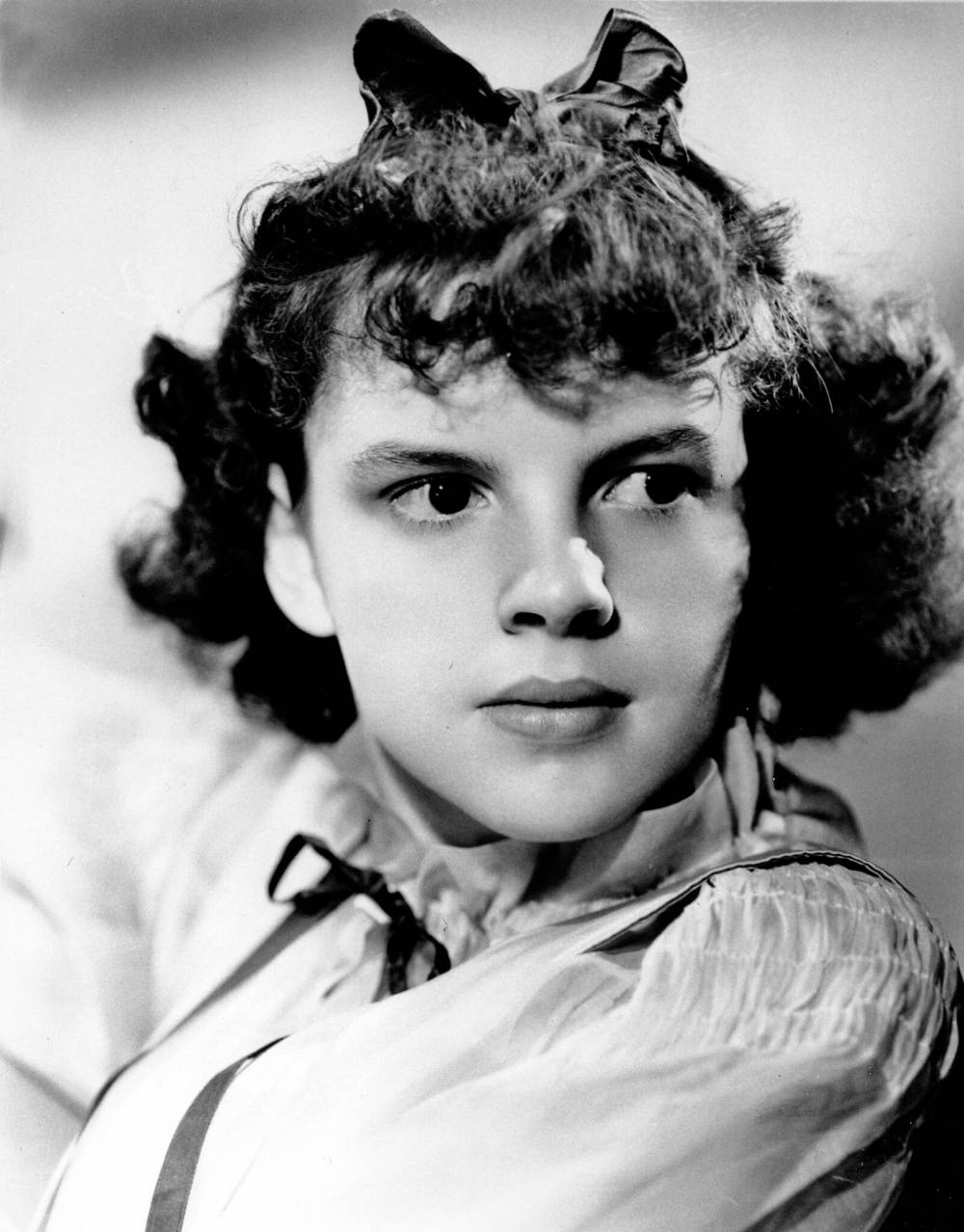
The Associated Press files
Judy Garland, seen here in 1937, was friends early on with Durbin; their careers ran parallel for 15 years.