Bugged out
German entomologist makes the case for celebrating creepy critters
Advertisement
Read this article for free:
or
Already have an account? Log in here »
To continue reading, please subscribe:

Digital Subscription
One year of digital access for only $205*
- Enjoy unlimited reading on winnipegfreepress.com
- Read the E-Edition, our digital replica newspaper
- Access News Break, our award-winning app
- Play interactive puzzles
*First annual payment billed as $205.00 + GST for one year. This annual subscription will automatically renew at $233.00 + GST every 52 weeks (10% off the regular annual price of $259.35). Offer available to new and qualified returning subscribers only. Cancel any time.
To continue reading, please subscribe:
Add Free Press access to your Brandon Sun subscription for only an additional
$1 for the first 4 weeks*
- Enjoy unlimited reading on winnipegfreepress.com
- Read the E-Edition, our digital replica newspaper
- Access News Break, our award-winning app
- Play interactive puzzles
*Your next Brandon Sun subscription payment will increase by $1.00 and you will be charged $17.95 plus GST for four weeks. After four weeks, your payment will increase to $24.95 plus GST every four weeks.
Read unlimited articles for free today:
or
Already have an account? Log in here »
Hey there, time traveller!
This article was published 24/02/2023 (1302 days ago), so information in it may no longer be current.
Most of us now realize the essential role bees and other pollinators play in our gardens, fields and nature in general, but how do we feel about the less “attractive” insects? Would or would you not grab a tissue and squish that black beetle you spot hiding behind your washer? And what about silverfish or cockroaches scampering across the floor when you switch on a kitchen light?
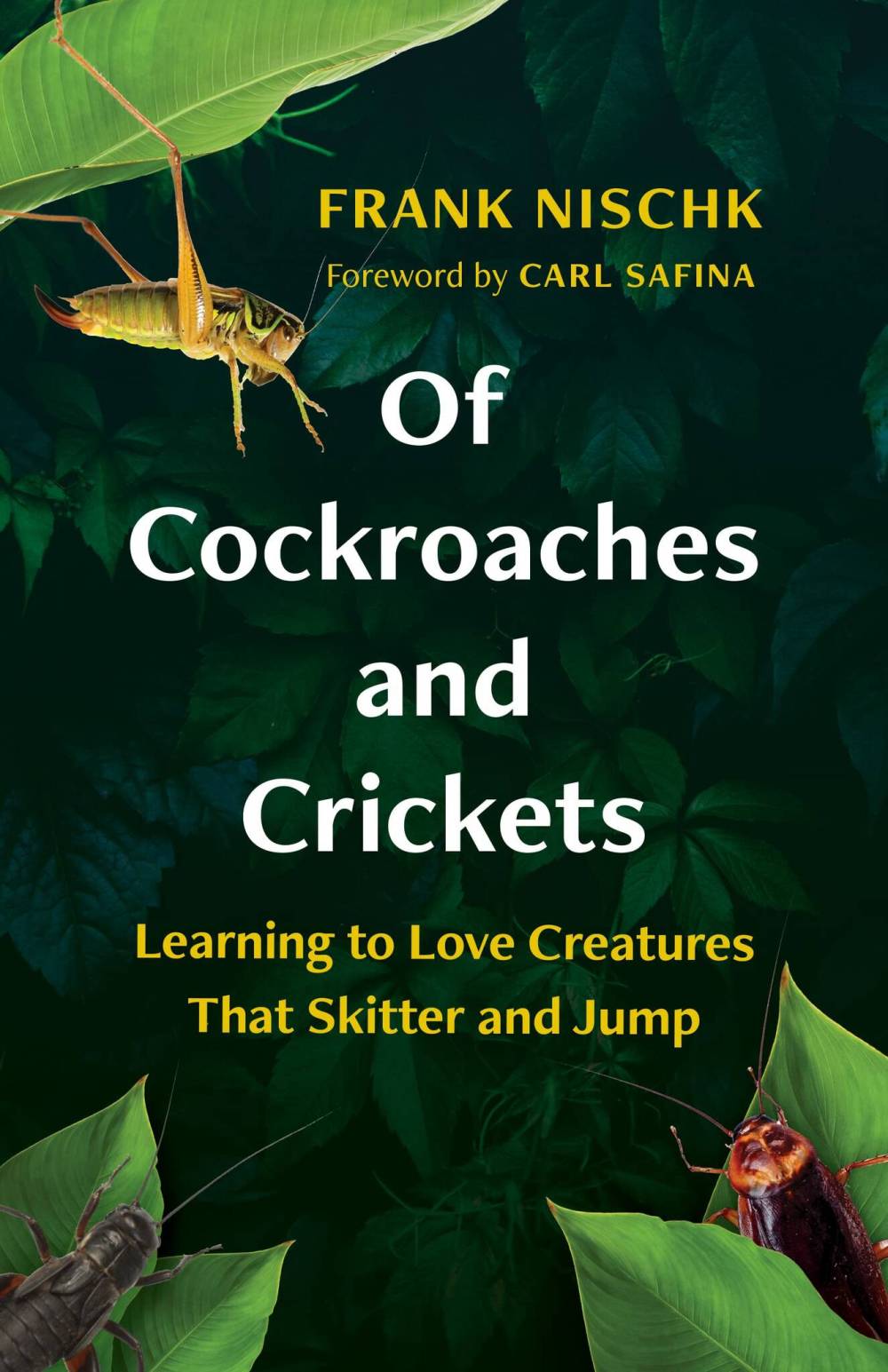
Reading German entomologist, science reporter and filmmaker Frank Nischk’s book (translated by Jane Billinghurst) Of Cockroaches and Crickets: Learning to Love Creatures That Skitter and Jump might just convince you to catch and release, instead of dispatch, the next insect you discover thanks to his insights into the interconnected roles insects play in our world. To put it simply: fewer insects, fewer plant species, fewer birds, fewer amphibians, fewer animals who feed on these and ultimately fewer diverse food and medicinal resources for humans.
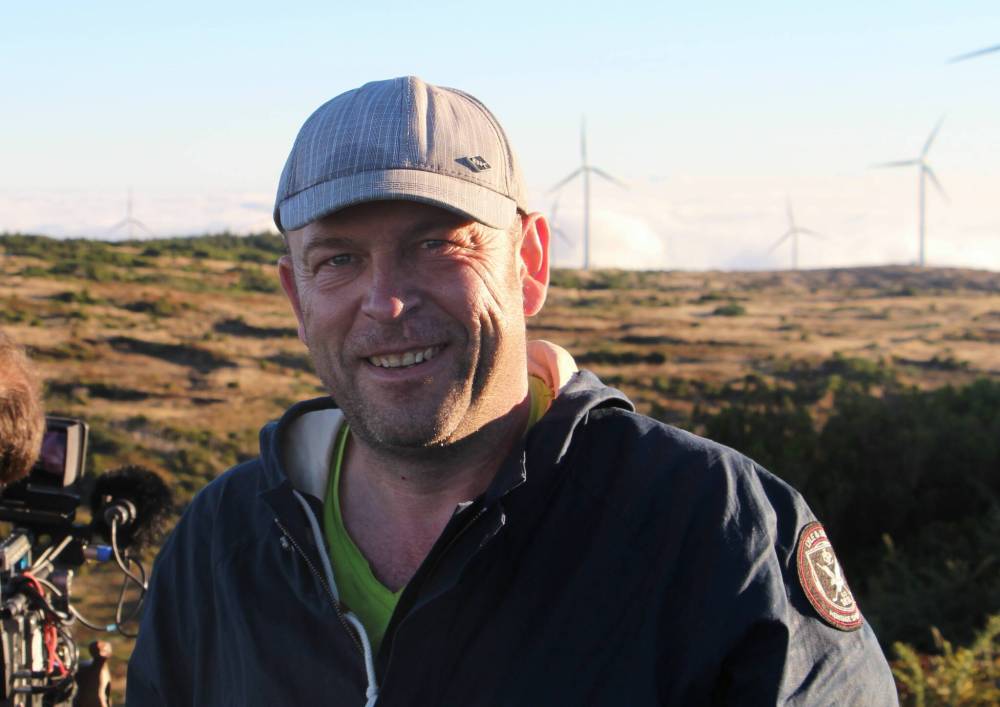
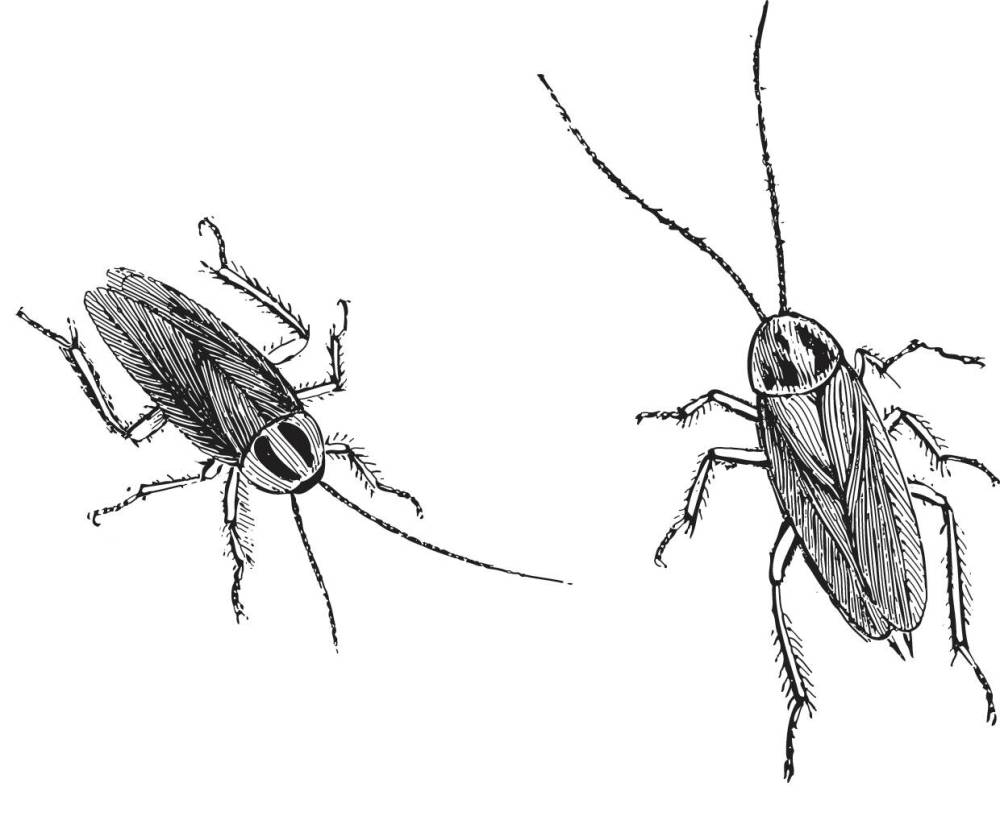
Nischk was working on his thesis in biology at the University of Cologne in 1993 when he was hired by esteemed zoologist Martin Dambach as a research assistant. Having recently returned from a brief stint of studying hummingbirds in Colombia’s tropics, Nischk was happy to earn some money but less than pleased to discover that his new research subject was the lowly German cockroach, Blattella germanica — as he says, “one of the least loved animals in the world.”
Supplied photo
Through his research into insect species found in some of the world’s most remote areas, Frank Nischk relates how these creatures have adapted to their often-challenging environments.
This insect will survive as long as it has a modest amount of heat, cracks in which to hide and food. About the latter they are not choosy; anything will do, including human hair, fabric and shoe polish. Possibly the most disturbing thing about the cockroach is that it hides in its own excrement. That said, Nischk informs us that the German cockroach is fairly harmless compared to ticks and fleas, but have become a sign of poor hygiene and are very unwelcome in any kitchen.
The main reason for cockroaches being found around the world — including in submarines, airplanes, televisions and microwave ovens, among countless other places — is that one pair of cockroaches can produce 100,000 offspring in a year. “Its tough, flat body, which fits into the tiniest of cracks, makes it a perfect stowaway.”
Nischk’s cockroach research was part of Bayer’s goal to identify the pheromone so irresistible to cockroaches that they would be lured to a baited trap and then exterminated. However, the lowly cockroach has staying power. With 20,000 species in the world and the ability to survive radiation 10 times better than humans, the insect is likely to be one of the last survivors.
Nischk reports that cockroaches play a role as decomposers and converting dead life forms into nutrients that sustain new life. They are a food source for birds, reptiles and insect-eating mammals. Through his research into insect species found in some of the world’s most remote areas, he relates how these creatures have adapted to their often-challenging environments and how their survival assists the survival of many other plant and animal species.

The rainforest’s complex food web has been disrupted by human development, but Nischk also contends that many species are at risk throughout the world. “We are in the middle of an enormous wave of extinction across almost every animal class… An estimated half a million to a million species are facing extinction. The main reasons are agriculture, deforestation, fisheries, hunting, and climate change.”
Of Cockroaches and Crickets
Nischk says it’s impossible to completely reverse this pattern but by preserving biodiversity, there is hope. In Yungilla, a small community close to Ecuador’s capital, Quito, the residents have recognized eco-tourism as an easier way to make money than farming. They have allowed the surrounding landscape to slowly return to forest and encourage the continuing survival of Andean short-faced or spectacled bears and other wildlife that attract tourists to their community.
Nischk ends Of Cockroaches and Crickets with this and a few other positive examples of humans working to protect animal species. “Protecting, restoring and connecting habitats seems to me the only way we can stop the catastrophic mass extinction of species on our planet,” he writes.
Well-written and entertaining, Of Cockroaches and Crickets will increase your respect for the creatures inhabiting the cracks in your house.
Andrea Geary is a freelance writer in Winnipeg.
antlexx / Shutterstock.com
Hein Nouwens / Shutterstock.com
Morphart Creation / Shutterstock.com