Chinese immigrant experience explored in novel
Advertisement
Read this article for free:
or
Already have an account? Log in here »
To continue reading, please subscribe:

Digital Subscription
One year of digital access for only $205*
- Enjoy unlimited reading on winnipegfreepress.com
- Read the E-Edition, our digital replica newspaper
- Access News Break, our award-winning app
- Play interactive puzzles
*First annual payment billed as $205.00 + GST for one year. This annual subscription will automatically renew at $233.00 + GST every 52 weeks (10% off the regular annual price of $259.35). Offer available to new and qualified returning subscribers only. Cancel any time.
To continue reading, please subscribe:
Add Free Press access to your Brandon Sun subscription for only an additional
$1 for the first 4 weeks*
- Enjoy unlimited reading on winnipegfreepress.com
- Read the E-Edition, our digital replica newspaper
- Access News Break, our award-winning app
- Play interactive puzzles
*Your next Brandon Sun subscription payment will increase by $1.00 and you will be charged $17.95 plus GST for four weeks. After four weeks, your payment will increase to $24.95 plus GST every four weeks.
Read unlimited articles for free today:
or
Already have an account? Log in here »
Hey there, time traveller!
This article was published 15/04/2023 (1273 days ago), so information in it may no longer be current.
The idea that the dead are never really dead to us can either be consoling or disturbing. To the millennial Chinese-Canadian William Ping (a recognizable stand-in for the first-time novelist author of the same name), both are true.
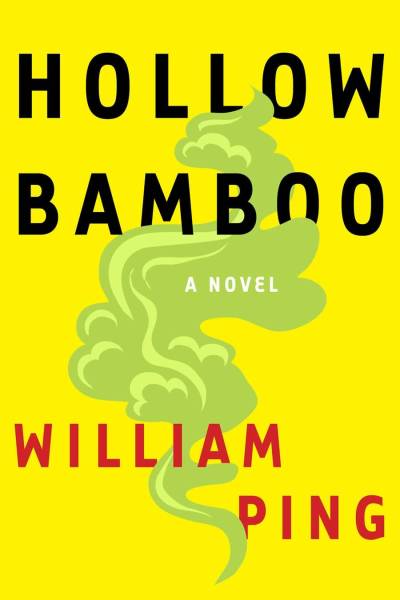
The title Hollow Bamboo applies to the nature of bamboo — as each segment is sealed from the next, water poured in at one end will not flow through. So it is with someone who doesn’t know their ethnic past, a man who is neither one thing nor another.
It’s a pejorative term then, similar to the term “apple,” a derogatory term used for Indigenous people accused of being “red” on the outside but white on the inside. A reverse situation is applicable to William, who outwardly appears more Caucasian than Chinese.
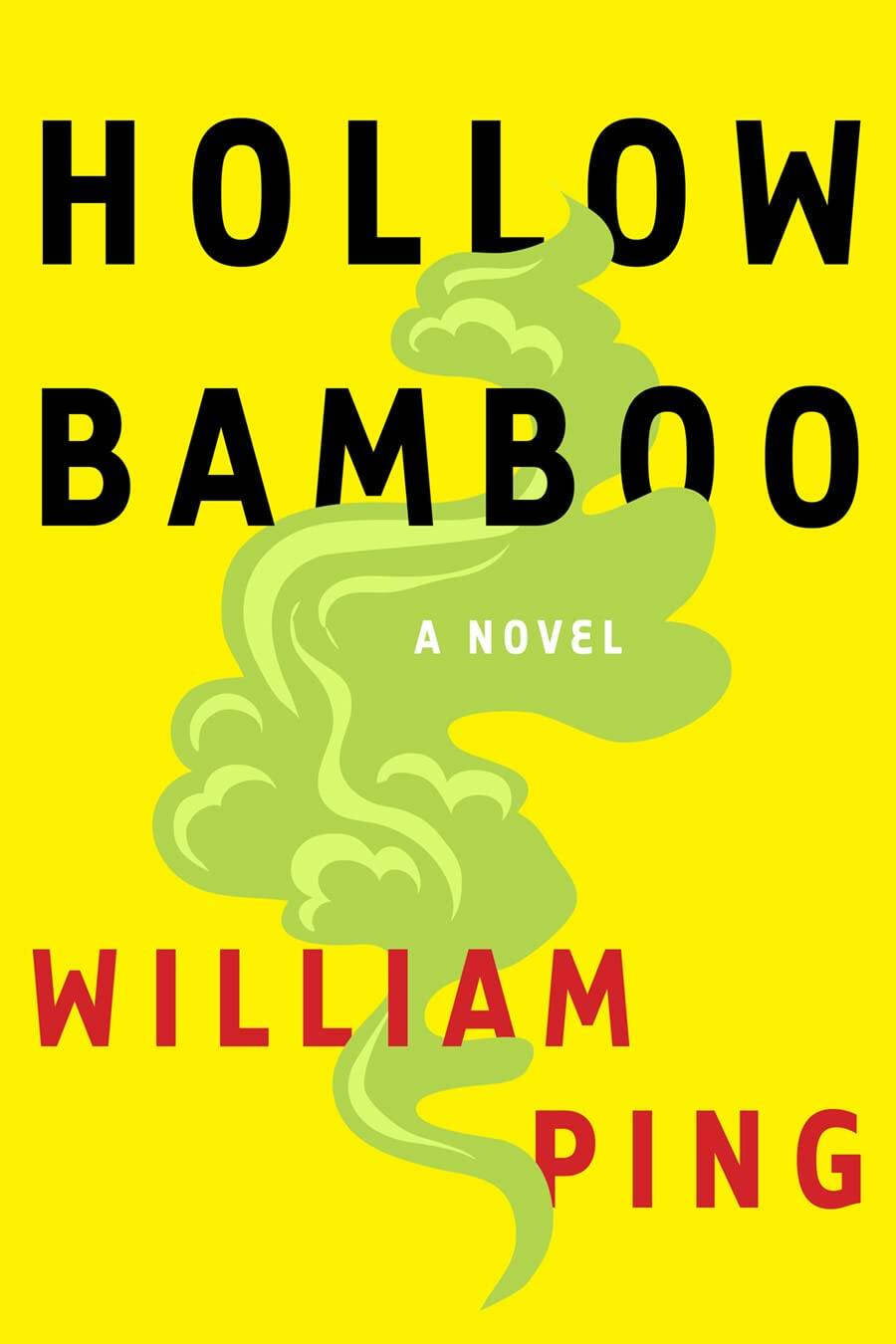
Hollow Bamboo
William escapes from the nerve-wracking first meeting with his girlfriend’s Chinese parents, his blurted brain-scrambled plea “eat my dream” calling forth Mo, an evil Asian spirit known to devour nightmares.
Their conversation, with a respectful nod to Charles Dickens’ A Christmas Carol, has Mo and William reprising the scene between Scrooge and the spirit of Jacob Marley, where Marley offers Scrooge a chance of renewal and self knowledge. As Mo says, “I will show you the truth of who you are.”
Our narrator, the young William, then observes at a distance for most of the rest of the novel. He simply ghosts along and learns of his grandfather’s harrowing journey and life experiences arriving in Newfoundland in 1931 to work in a Chinese laundry.
This was a time when Chinese were excluded from Canada, whereas Newfoundland had a $300 head tax.
Unpleasant isn’t a strong enough word. And neither Canada nor Newfoundland comes off well. The physical descriptions of the journey by ship, the treatment, the work life, the discrimination, the physical assaults — all well researched — may well appear on a memorial plaque, but that can’t convey the pain and despair the novel brings to life. And it is unrelenting.
The author does offer some hard-won humour. A worldly Shaowei saves William’s life and teaches him the one English phrase necessary when answering any English speaker’s comment. And that is? “It’s always the way.”
First novels are often biographical, and Hollow Bamboo is just that in spades.
Indeed, the National Film Board released a documentary in 1989 titled The Last Chinese Laundry. It features the author’s grandfather 60 years on, at work in his laundry and showing aspects of his quiet endurance and a sanitized version of his difficult life.
It is easier to understand and recognize the millennial William Ping than the mostly stoic fictional grandfather who sums up his life with “There is no answer. In life, you always make the wrong choice, even if you make the right one. You always lose something.”
Hollow Bamboo is a graphic, revealing historical take showing promise for a first novel, although the book’s ending feels like a bit of a cheat.
Ron Robinson is a former bookseller and radio host.