The straight dope
Women’s roles in Latin American drug-trafficking cartels chronicled in new account
Advertisement
Read this article for free:
or
Already have an account? Log in here »
To continue reading, please subscribe:

Digital Subscription
One year of digital access for only $205*
- Enjoy unlimited reading on winnipegfreepress.com
- Read the E-Edition, our digital replica newspaper
- Access News Break, our award-winning app
- Play interactive puzzles
*First annual payment billed as $205.00 + GST for one year. This annual subscription will automatically renew at $233.00 + GST every 52 weeks (10% off the regular annual price of $259.35). Offer available to new and qualified returning subscribers only. Cancel any time.
To continue reading, please subscribe:
Add Free Press access to your Brandon Sun subscription for only an additional
$1 for the first 4 weeks*
- Enjoy unlimited reading on winnipegfreepress.com
- Read the E-Edition, our digital replica newspaper
- Access News Break, our award-winning app
- Play interactive puzzles
*Your next Brandon Sun subscription payment will increase by $1.00 and you will be charged $17.95 plus GST for four weeks. After four weeks, your payment will increase to $24.95 plus GST every four weeks.
Read unlimited articles for free today:
or
Already have an account? Log in here »
Hey there, time traveller!
This article was published 02/09/2023 (1119 days ago), so information in it may no longer be current.
‘Dozens of groups like [Las Sabuesas: “bloodhounds,” or “sleuths”] set off… across Mexico every week, searching for more than one hundred thousand people who have gone missing in the last two decades,” writes Deborah Bonello in Narcas.
Eerie echoes of Manitoba’s missing and murdered Indigenous women and girls (MMIWG) searches and protests connect Winnipeg to the women affected by Latin America’s drug cartels, familiar to northerners through news, sensational series and the tragic consequences of cartel products in the U.S. and Canada.
A different slant on women in cartels is the subject of Narcas, the first book by the Mexico City-based journalist. Born in Malta and raised in the U.K., she has been a foreign correspondent in Latin America since 2005 and is an editorial director of Vice World News.
John Moore / The Associated Press files
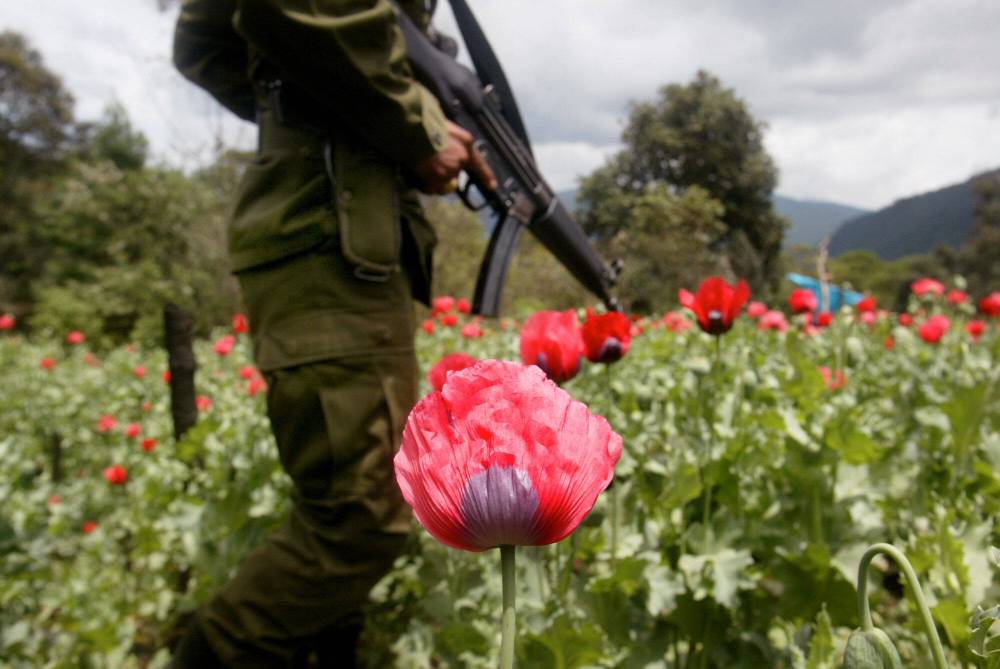
The power wielded by women in the drug trade in Mexico, Colombia and elsewhere has long been overlooked; most coverage rarely goes beyond the wives and girlfriends of narcos.
Bonello is determined to add perspective to the “Male Gaze” of drug trade coverage and public assumptions about cartel organization. “I wanted to understand how women’s power manifests in this context beyond its juxtaposition with men’s.” She is generally successful in this brief, informative book.
Using court records, news reports and copious interviews of varying danger and intrigue, Narcas introduces a series of influential female patronas. Those accustomed to seeing merely wives and girlfriends of infamous narcos — and surviving victims of thousands of dead and “disappeared” traffickers, authorities and bystanders throughout the Americas — will be intrigued by Bonello’s account.
Almost a century ago, beginning by dealing marijuana and opiates for her mother, Lola La Chata (born Maria Dolores Esteves Zuleta ) became “one of the first major transnational drug traffickers in Mexico,” Bonello writes.
In the 1970s, Griselda Blanco, “perhaps one of the most infamous patronas of all time,” supplied cocaine from Medellin, Colombia, to New York City. She may have been a mentor of Pablo Escobar.
Women in power in the drug trade find their places from all directions. Digne Valle, “The Matriarch,” helped run a family connection involving both Honduran political leaders and Joaquín “El Chapo” Guzmán, the infamous Sinaloan drug lord.
Her contributions to the remote, impoverished village of El Espiritu and the family’s extravagant lifestyle, continue to prompt contradictory opinions and loyalties.
Bonello mixes narrative accounts with dire information from court records and speculation about criminals turning on each other with varying success. Always interesting, the drama is sometimes diluted by factual exposition.
Three women in Guatemala are planning a “female-led drug trafficking deal,” Bonello writes. “What’s more, one of the women there that day was working as a DEA informant…”
In the chapter The Lemus Sisters and the Battle for Moyuta, Marixa Lemus is in solitary confinement to “avoid the embarrassment of yet another escape” from the Guatemalan prison. Bonello accompanies a visitor to get first-hand information about “a deadly fight for political and criminal power.”
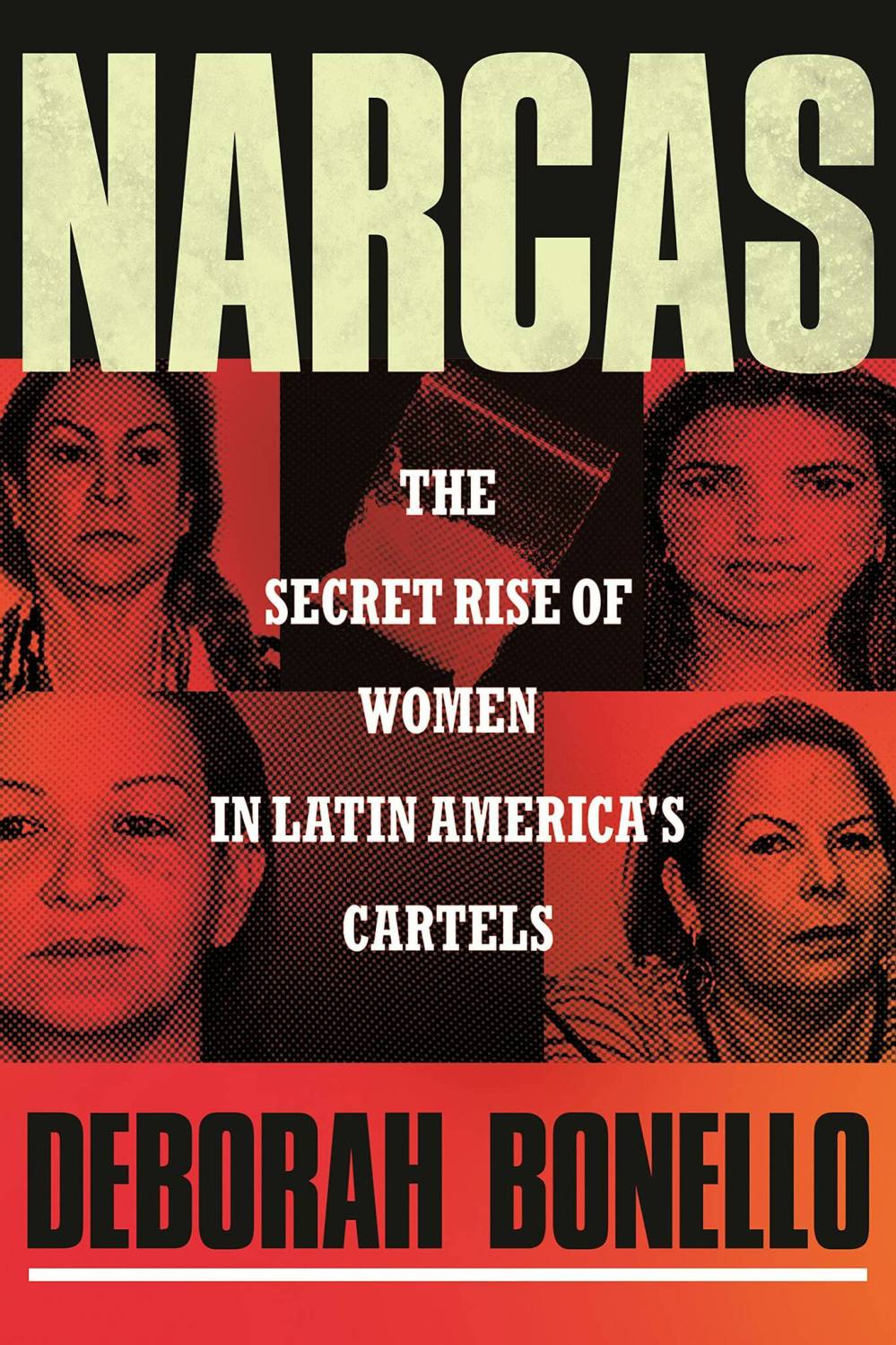
Narcas
Later interviews with her opponent contradict Lemus’s account. Bonello presents both sides, but it is hard to figure out who was truthful — and who deserved the political post less.
El Chapo’s wife Emma Coronel wielded a different kind of power — namely, as the template for the buchona style: “exaggerated bust and rump in proportion to the tiny waist, the narrow nose, the full lips, the white skin” and the resulting scramble for plastic surgery in Mexico.
Bonello’s difficult and dangerous work to bring these characters to light — to avoid coverage which “robs women of their agency” — can feel unsettling, as female inclusion is championed in the violence of the drug trade.
Still, Narcas is a solid introduction to another area where people are people, in a context which is not to the benefit of culture or society.
Bill Rambo is a retired teacher living in Landmark, Manitoba.