Keeping it real
Art, identity and indigeneity explored in vermette’s timely new novel
Advertisement
Read this article for free:
or
Already have an account? Log in here »
To continue reading, please subscribe:

Digital Subscription
One year of digital access for only $205*
- Enjoy unlimited reading on winnipegfreepress.com
- Read the E-Edition, our digital replica newspaper
- Access News Break, our award-winning app
- Play interactive puzzles
*First annual payment billed as $205.00 + GST for one year. This annual subscription will automatically renew at $233.00 + GST every 52 weeks (10% off the regular annual price of $259.35). Offer available to new and qualified returning subscribers only. Cancel any time.
To continue reading, please subscribe:
Add Free Press access to your Brandon Sun subscription for only an additional
$1 for the first 4 weeks*
- Enjoy unlimited reading on winnipegfreepress.com
- Read the E-Edition, our digital replica newspaper
- Access News Break, our award-winning app
- Play interactive puzzles
*Your next Brandon Sun subscription payment will increase by $1.00 and you will be charged $17.95 plus GST for four weeks. After four weeks, your payment will increase to $24.95 plus GST every four weeks.
Read unlimited articles for free today:
or
Already have an account? Log in here »
Hey there, time traveller!
This article was published 07/09/2024 (738 days ago), so information in it may no longer be current.
Real Ones by katherena vermette seems ripped from the headlines. It’s about the effect a “pretendian” has on her family, and on the “real ones” — Indigenous peoples. (A pretendian is a non-Indigenous person who claims to be Indigenous. Pretendians typically accept work, awards and other accolades, stealing opportunities from Indigenous people.)
One of the first pretendians was Grey Owl. A writer, public speaker and conservationist, he faked Indigenous identity after moving to Canada as a young man. Following his death in 1938, his real identity — he was born in England as Archibald Stansfeld Belaney — was exposed.
And this past year, one of the biggest blows to Canadian Indigenous culture was the CBC exposé that revealed Buffy Sainte-Marie is neither Canadian nor Indigenous — she’s an Italian-American born in Massachusetts.
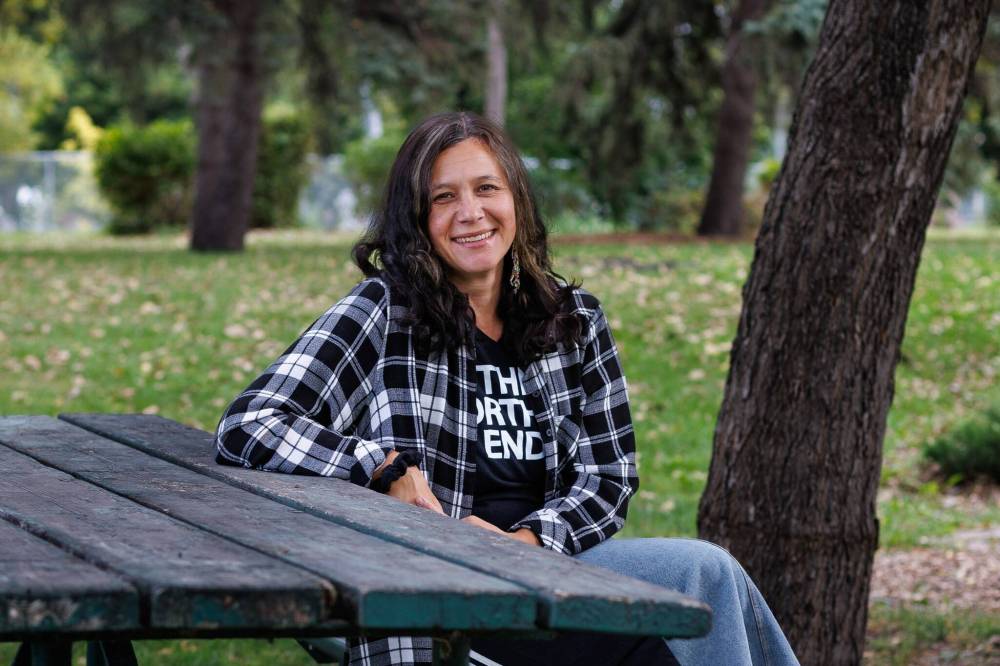
Métis author katherena vermette’s latest novel, Real Ones, focuses on two sisters whose mother was a pretendian. (Mike Deal / Free Press)
In Real Ones, vermette’s shapeshifting character Renee goes by the name Raven Bearclaw. She has passed herself off as an Indigenous artist for years. Her family knows, and the public is about to find out.
Vermette, who is Red River Métis, plays homage to her previous novels, with characters in Real Ones being adjacently connected to the Stranger family of her books The Break, The Strangers and The Circle.
The story is based in Winnipeg and centres around the pretendian’s daughters, June and lyn, whose first-person narratives alternate throughout Real Ones. June is a Métis Studies professor, moving back home from B.C. with her husband and dog. Lyn is a pottery artist and mom to Willow. The sisters are close with each other and with their Métis dad (Renee’s ex-husband).
Lyn grew up living with Renee, when she was around; June, the older sister, lived with their father and stepmother, wishing lyn was under the same roof. As the pretendian news becomes public, childhood trauma resurfaces, with June’s feelings of guilt and lyn’s abandonment issues colouring many of their conversations.
Vermette’s talent for exploring tough topics with passion, humour and hope helps the story unfold. Through the family’s experience, tributes are paid to the hard-fought battles of Michif (Métis) people who have regained and maintained ownership of their identity.
A deep understanding of art and a love of language abounds in vermette’s careful prose. Throughout the sad story, moments of simple beauty shine, such as when lyn talks about her pottery work: “Art is something to do with all the feelings that would otherwise do nothing.”
Vermette is passionate about her ancestry and inserts lived experience and cultural awareness through family discussions. “My sister and I are Michif via my Dad’s family, also called Métis, also called Red River Métis, also called you know, the not fake ones,” says lyn.
Real Ones gets pretty real about pretendians — from multiple perspectives. The daughters by no means endorse their mother’s behaviour, but lyn attempts to understand it: “Renee is an artist and very stereotypical in her way of being that kind of person, she impersonates and reinvents herself by the season (or mood).”
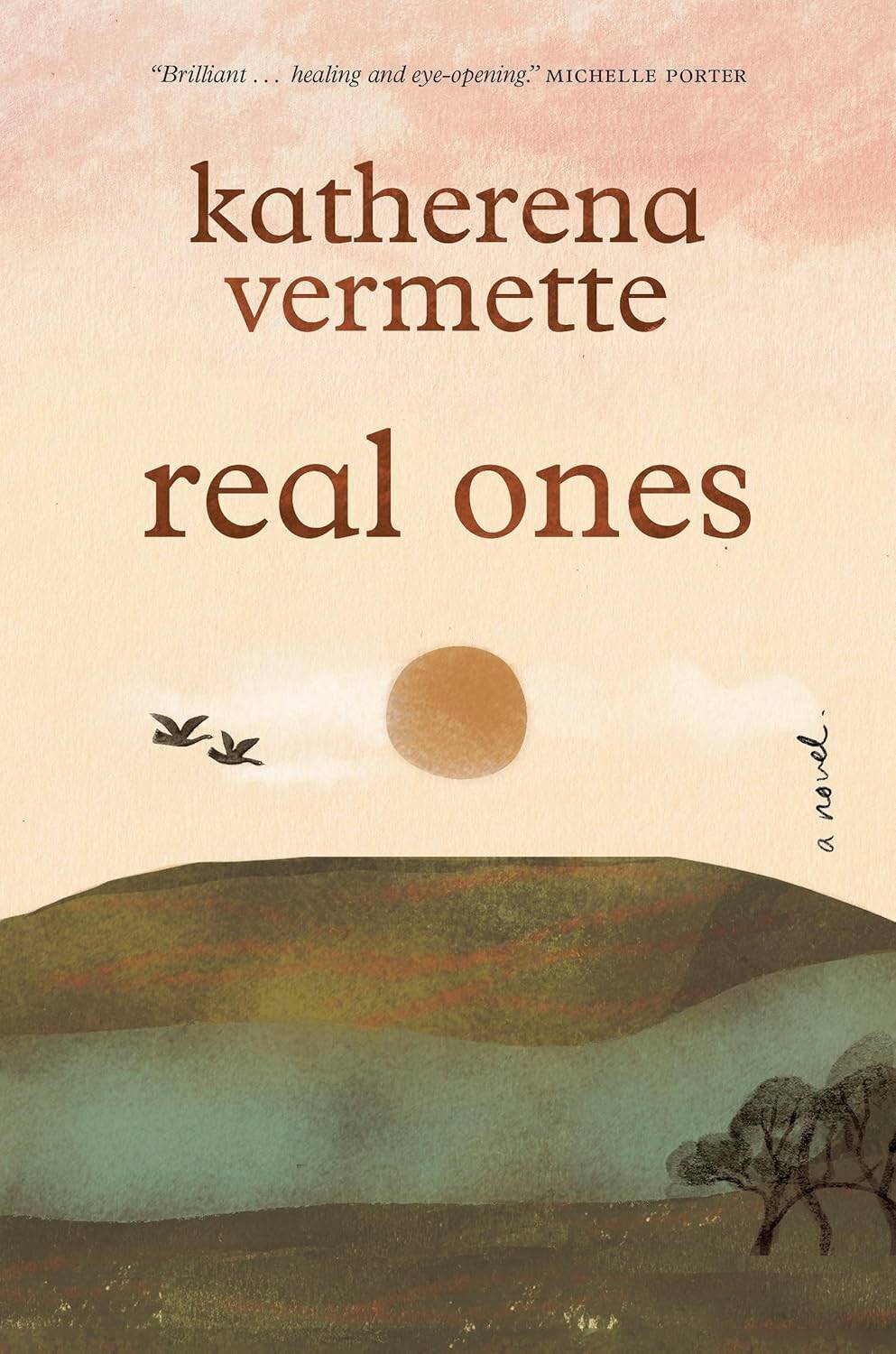
real ones
June has a different take. “I work in academia — you can’t shoot an arrow without hitting a pretendian in a university. I have degrees in this stuff. Michif/Métis history, literature, native studies. I teach, write academic articles, constantly research everything surrounding contemporary, Indigenous identity, and our history and ethnogenesis.”
Renee’s true identity is explored when June shares an opinion on her mother’s past, which includes being Mennonite: “It’s a rich, colourful, surprising, exceptional culture in its own right. By taking our stories, she is effectively discrediting her own, and those of her actual ancestors.”
Though Real Ones explores a lot of anger caused by the pretendian theme, there’s heartfelt experience from the daughters’ perspectives; conflicted feelings about Renee being a lot of horrible things, but also, being their mother. That core struggle makes Real Ones so very real.
Deborah Bowers is Red River Métis and walks in two worlds. In addition to Real Ones, she highly recommends Michelle Good’s Truth Telling and Jesse Wente’s Unreconciled be added to your reading list.
Katherena vermette launches Real Ones on Tuesday at 7 p.m. at McNally Robinson Booksellers’ Grant Park location. For an interview with vermette, see Monday’s Free Press.
Advertisement Advertise With Us
Advertisement Advertise With Us