Stanzas for SPRING
National Poetry Month the perfect time to discover vivid, evocative verse
Advertisement
Read this article for free:
or
Already have an account? Log in here »
To continue reading, please subscribe:

Digital Subscription
One year of digital access for only $205*
- Enjoy unlimited reading on winnipegfreepress.com
- Read the E-Edition, our digital replica newspaper
- Access News Break, our award-winning app
- Play interactive puzzles
*First annual payment billed as $205.00 + GST for one year. This annual subscription will automatically renew at $233.00 + GST every 52 weeks (10% off the regular annual price of $259.35). Offer available to new and qualified returning subscribers only. Cancel any time.
To continue reading, please subscribe:
Add Free Press access to your Brandon Sun subscription for only an additional
$1 for the first 4 weeks*
- Enjoy unlimited reading on winnipegfreepress.com
- Read the E-Edition, our digital replica newspaper
- Access News Break, our award-winning app
- Play interactive puzzles
*Your next Brandon Sun subscription payment will increase by $1.00 and you will be charged $17.95 plus GST for four weeks. After four weeks, your payment will increase to $24.95 plus GST every four weeks.
Read unlimited articles for free today:
or
Already have an account? Log in here »
Hey there, time traveller!
This article was published 26/04/2025 (508 days ago), so information in it may no longer be current.
This year’s National Poetry Month marks the 10th anniversary of Writes of Spring, an annual gathering of poems edited by Ariel Gordon and, this year, Charlene Diehl, director of Plume Winnipeg.
Of the 500-plus poems submitted, Gordon and Diehl selected 13 from established and emerging Winnipeg poets, including Rosanna Deerchild, the only returning writer of the group, Marjorie Poor, Spenser Smith and others, which can be found in the 49.8 section of today’s Free Press. (Pages F2 through F4 in the print edition.)
A reading to launch and celebrate these poems will take place at McNally Robinson Booksellers’ Grant Park location at 2 p.m. on Sunday.
Re:Wild Her
● ● ●
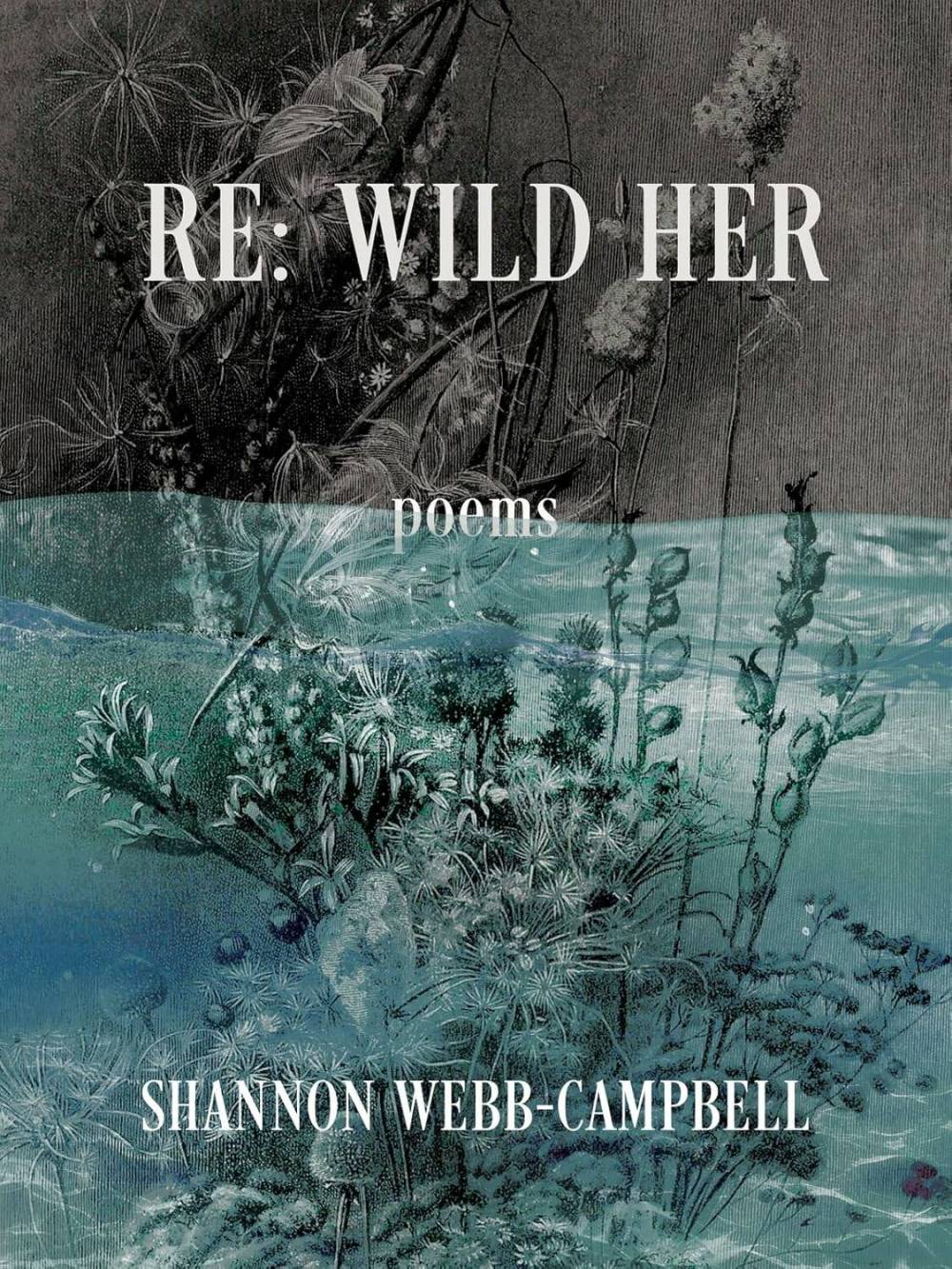
Rewilding, an intervention into the natural world to restore ecosystems, is the structuring conceit in Shannon Webb-Campbell’s latest collection, Re:Wild Her (Book*Hug, 112 pages, $23).
These poems follow the speaker from Iceland to France to California through art, tarot and deep time, gathering tenderness and claiming pleasure and expansiveness.
The collection is propelled by a subtle, incantatory rhythm that evokes the ebb and flow of the tide: “Water rushes over cracked earth/ you retrace tides through clay/ grounding mud with reversing rhythms/ (… .)// what flows in/ must flow out.”
In How Do I Reach for the Wild/ (Three Graces), Webb-Campbell uses the life cycle of a girl, woman, crone to trace a process of reclaiming a self that’s been worn away. The poem moves from a position of alienation from the world and the self — “how do I reach for the wild?/ circle the womb/ how can I grasp the wind?/ motherlines ring a cosmic spin” — toward reconnection: “become a fish-woman/ emerge from the water’s offering/ after a trinity of swims all in one day/ baptism by sea.”
Myth
● ● ●
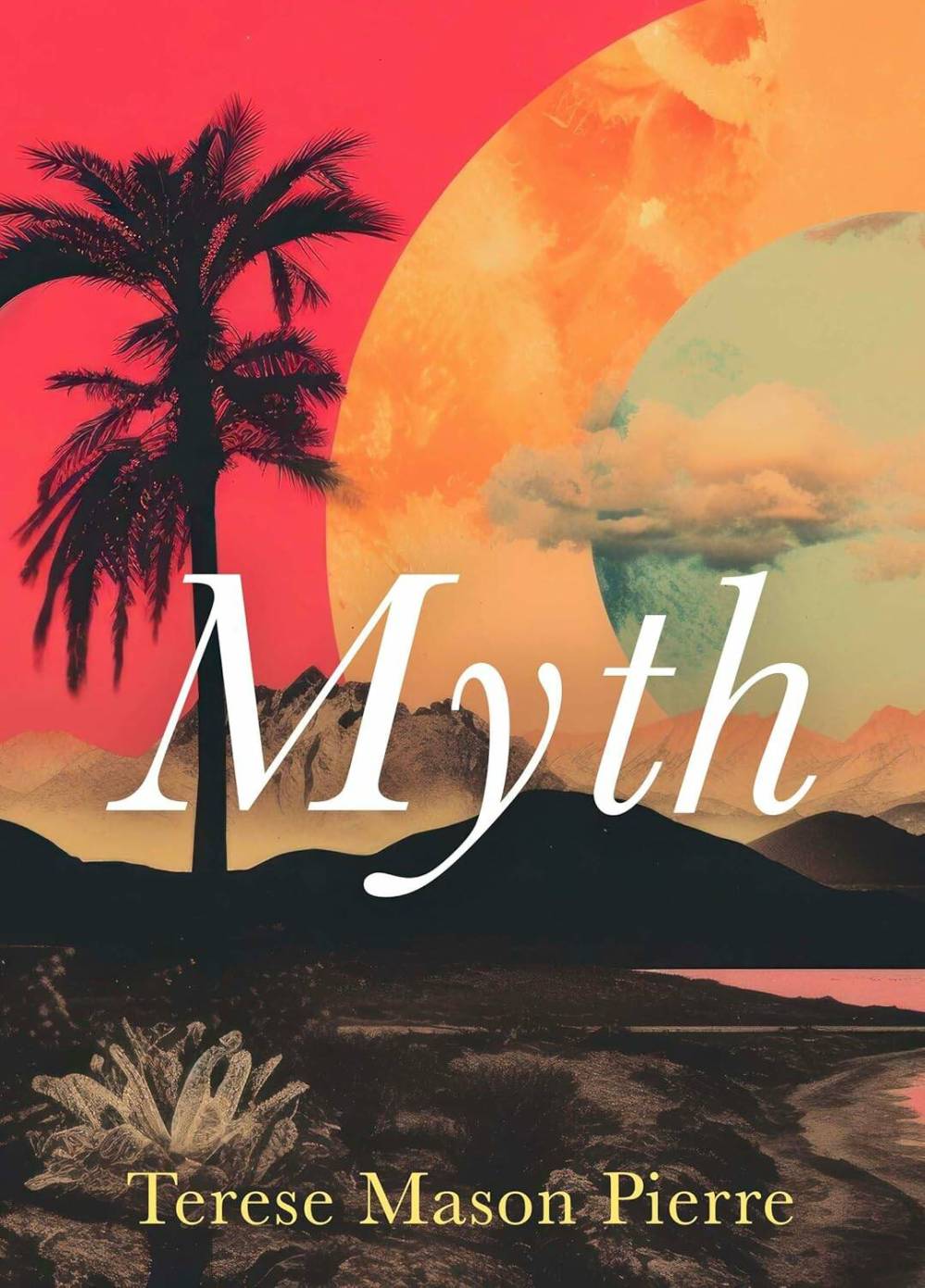
Terese Mason Pierre’s much-anticipated debut, Myth (House of Anansi, 120 pages, $23), is a startling, transformative collection. Using a series of speculative logics and images, Pierre transcends the boundaries between earth, ocean and cosmos and past and future.
In Momentum, the speaker considers the conditions of belongingness: “My family takes a second helping of love —/ my father, from the church parking lot.” From this opening, Pierre weaves images that create friction between the speaker’s family and true belonging before she invokes a myth to change the story: “I draft// a new mythology, of sand and shells/ and touching every other creature// that has breathed an air of full faith/ beyond a warped chain —// a taught beld, the scuttling of crabs/ underfoot, the rising tithes.”
Here, Pierre’s intricate use of line and language shine. She ties this new mythology of water and interconnection to the opening image of the church parking lot with “the rising tithes,” which at the same time calls back the strictures of religious rules — and, with its phrasing and near-rhyme, evokes the ocean.
These poems enact a myriad of small and monumental shifts away from disconnection and injustice into a web of belonging and justice. In Aliens Visit the Islands, Pierre envisions a possible future that centres and celebrates Black people, as well as an ideal model of cultural exchange: “they give us teleportation (the key is to ignore/ philosophy when you push the button) and we/ give them white sand, yellow roti, a container/ of sorrel.”
While the background of this poem is the meeting of two cultures, the poem ends with a several-lines-long meditation on grief and longing, which is rooted in the Aliens’ physical difficulty inhabiting the world: “When they leave, they promise/ to tell their people Earth was warm, was Black,/ and cradles its pain in the sea.”

Unmet
● ● ●
In Unmet (Biblioasis, 124 pages, $22), stephanie roberts uses surrealism and ekphrastic poems to explore the way one’s imagination shapes one’s experience of the world. The poems in this collection demonstrate a vivid use of image and a versatile use of line and technique.
In the first of four poems titled Unmet, roberts conjures Marilyn Monroe as a child, who “during services (…) sat/ on her hands, bit her lip, & for a minute,/ forced a smaller self against the world.” Here, the past and the spiritual world are made concrete with a visceral bodily sensation, of an addressee for whom “silence stiffens your neck,” of a girl whose adult self will become iconic forcing “a smaller self against the world.”
In Einige Kreise (Several Circles), an ekphrastic poem responding to Wassily Kandinsky’s painting of the same title, roberts explores the relation between viewing a painting and painting it. The poem opens and closes with the same image pattern. In the opening, the speaker imagines cold, and in the closing stanza, after the speaker has moved backward and forward in time, “the imagination’s ouroboros” returns to cold and “Love waits at the end of line;/ mind seizes line, draws it/ end to end, kisses it to canvas.”
Elegy for Opportunity
● ● ●
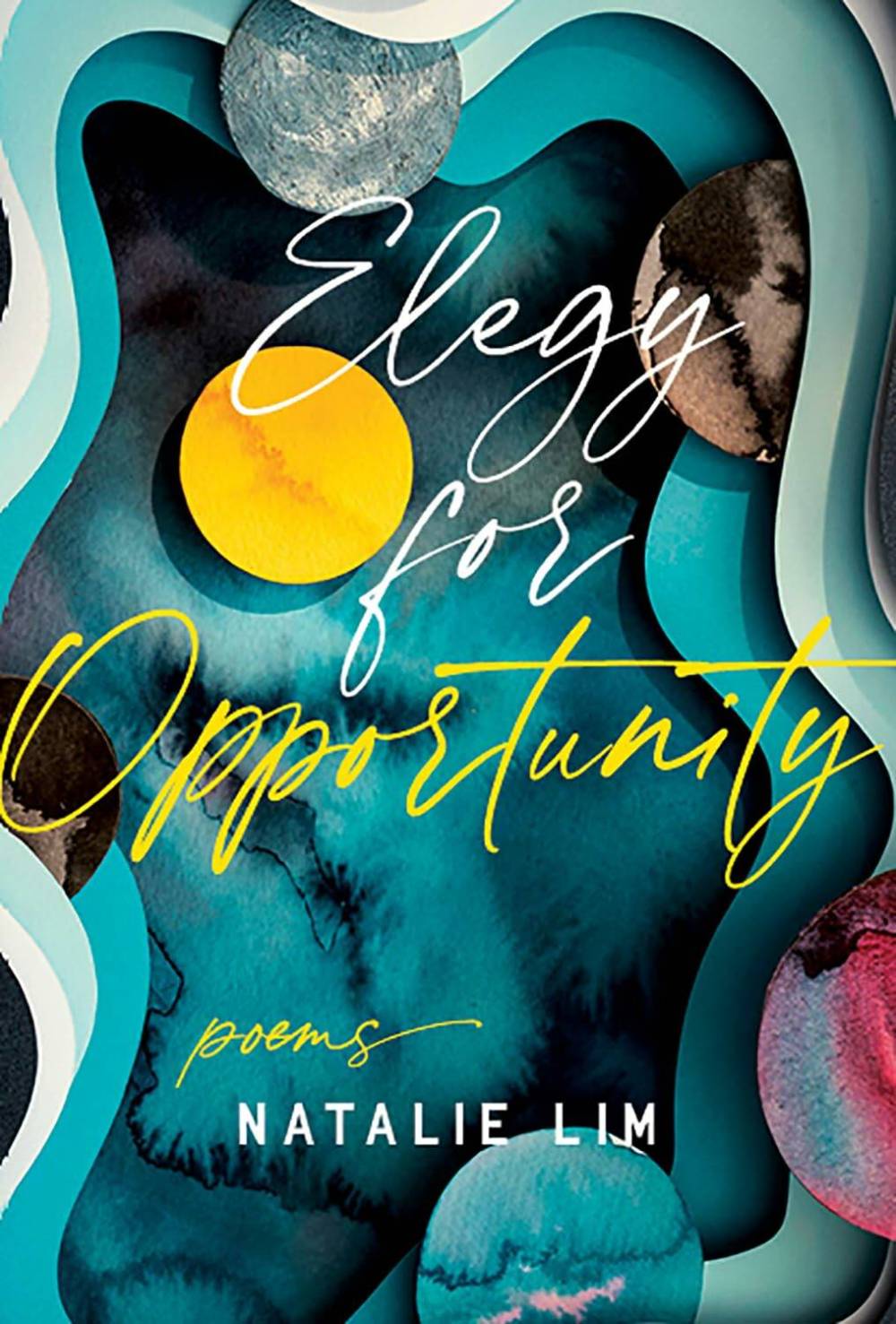
Natalie Lim’s debut, Elegy for Opportunity (Wolsak & Wynn, 96 pages, $20), opens with an argument against writing to feed the voyeuristic hunger for trauma: “what if I’m done with diasporic trauma. done imagining what people want to read,” she writes. What follows is a dynamic collection, lively and moving with curiosity.

In On Biology, the speaker considers the way the pandemic altered their relation to the world and their bodily experience. Notably, the speaker does not look away from the ways in which they are made helpless in the face of overwhelming conditions: “gotten bored/ and felt guilty about it, because what a privilege it is/ to be bored instead of desperate or sick. I try to do/ the small things I can, for myself and the world —/ go on walks, sign petitions, take baths, donate./ all of it feels like failure.”
The collection is anchored by five elegies for the NASA Opportunity Rover. In the last of these, which closes the collection, “things are bad right now./ really bad.// the world feels unrepairable.” Here, the short, end-stopped lines weigh the poem down — for good reason, because, as in On Biology, the problems Lim faces aren’t solvable with individual action, whatever good intentions fuel them: “unchecked greed and exploitation./ heat domes and cold snaps./ bombs, disease, starvation, genocide —/ 40,000 dead in Gaza.// 40,000.”
The strength of these poems lies in their clear-sightedness and their bravery. Time and again, Lim faces devastation in the same way she continues to address the dead rover, the same way she continues to imagine a future, persistently, curiously, lovingly: “I would love that kid so much,/ like no one has ever loved a kid before,” she says of the question of motherhood, “and it wouldn’t be enough/ but I would try, I would try so hard.”
Poetry columnist melanie brannagan frederiksen is a Winnipeg writer and critic.