Southern beauty
Cherokee/African-American girl’s coming-of-age story a rhythmic delight
Advertisement
Read this article for free:
or
Already have an account? Log in here »
To continue reading, please subscribe:

Digital Subscription
One year of digital access for only $205*
- Enjoy unlimited reading on winnipegfreepress.com
- Read the E-Edition, our digital replica newspaper
- Access News Break, our award-winning app
- Play interactive puzzles
*First annual payment billed as $205.00 + GST for one year. This annual subscription will automatically renew at $233.00 + GST every 52 weeks (10% off the regular annual price of $259.35). Offer available to new and qualified returning subscribers only. Cancel any time.
To continue reading, please subscribe:
Add Free Press access to your Brandon Sun subscription for only an additional
$1 for the first 4 weeks*
- Enjoy unlimited reading on winnipegfreepress.com
- Read the E-Edition, our digital replica newspaper
- Access News Break, our award-winning app
- Play interactive puzzles
*Your next Brandon Sun subscription payment will increase by $1.00 and you will be charged $17.95 plus GST for four weeks. After four weeks, your payment will increase to $24.95 plus GST every four weeks.
Read unlimited articles for free today:
or
Already have an account? Log in here »
Hey there, time traveller!
This article was published 23/08/2025 (365 days ago), so information in it may no longer be current.
Antonio Michael Downing is best-known to Canadian readers as the host of CBC Radio’s book show The Next Chapter. He is also the author of two children’s books and the memoir Saga Boy: My Life of Blackness and Becoming, which tells the story of his childhood migration from Trinidad to Canada and its impact upon his relationship with his grandmother. Additionally, he performs and records as the musical artist John Orpheus. Black Cherokee is his first novel.
Set in the fictional South Carolina communities of Etsi and Stone River between 1993 and 2005, the novel is the coming-of-age story of a young girl, Ophelia Blue Rivers, who is of mixed Cherokee and African-American descent, following her from the age of seven to the age of 19.
Ophelia’s paternal grandmother is descended from the first free Black people in South Carolina and her grandfather is Cherokee. Though her grandmother describes Ophelia as “half Black, half Cherokee, and all mixed up,” we aren’t told anything about Ophelia’s deceased mother, who presumably would have been Afro-Indigenous as well; it’s unclear if her grandmother has any Cherokee ancestry or is solely of African descent.
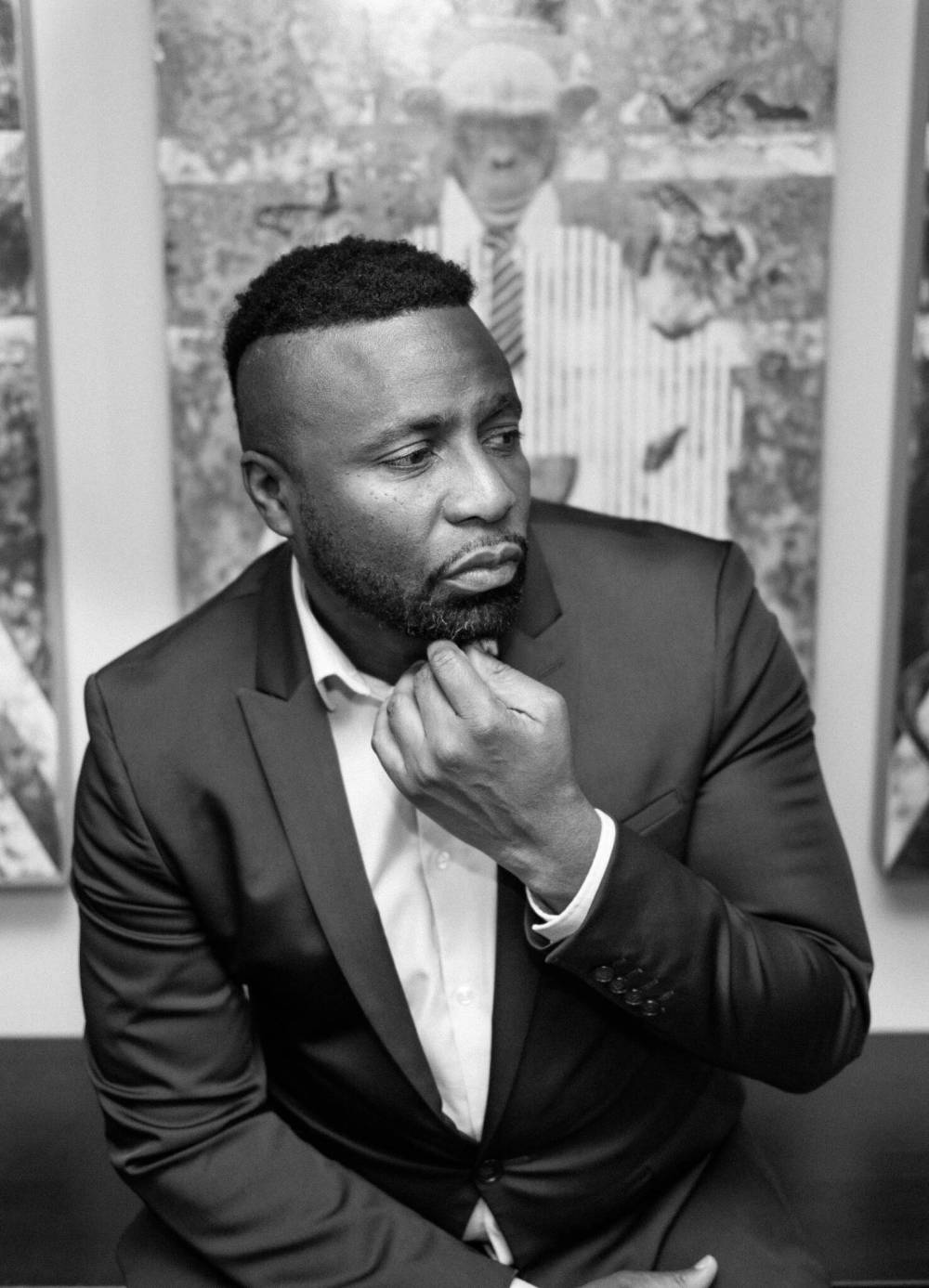
Dawn Bowman photo
Antonio Michael Downing… TK
A little-known part of U.S. history is the involvement of Indigenous peoples in the enslavement of Africans. Several tribes held enslaved people, including the Cherokee. When emancipation was proclaimed, the formerly enslaved people, now known as Freedmen, became citizens of the Cherokee Nation.
In the early 1980s, the Cherokee Nation attempted to remove their descendants from the tribal rolls if they could not prove that they were “Cherokee by blood.” This resulted in legal proceedings that ended in 2017 with a court ruling that the Freedmen were entitled to full Cherokee citizenship.
This is the backdrop for the story in Black Cherokee, though most of this is not explicitly mentioned.
Black Cherokee is divided into four sections. In 1993, seven-year-old Ophelia is a sensitive, intelligent child living with her grandmother near the river. They follow traditional Cherokee practices, which are threatened by industrial pollution of the river. Her grandmother does not allow her to attend school with the other Cherokee kids, as she fears Ophelia will be bullied for her ancestry, as her father and aunts were.
In 1998, Olivia is 12 and has been sent to live with her aunt Aiyana and go to school in Stone River. Aiyana has rejected her Cherokee heritage, and has embraced African-American culture. Ophelia is an exceptional student, but struggles to fit in until she finds seeming acceptance amongst the Black congregation of Ebenezer Baptist Church.
We then move to 2004. Ophelia is about to start her last year of high school and is moved to the prestigious, majority white school — where Belle, her other aunt, teaches — in the hope she will excel academically and go to college.
The novel ends in 2005 with Ophelia’s life taking a different turn — one that may feel like a letdown to those who agreed with her aunt Belle’s exhortations that Ophelia demonstrate Black excellence.
Much of the novel deals with the way Ophelia’s peers treat her because of her physical appearance. The Cherokee kids pick on her because she and her grandmother appear Black, while the Black kids taunt her for her lighter skin and curly hair. She alternates between believing she is ugly and downplaying her looks so as not to be threatening to other girls by appearing too attractive.
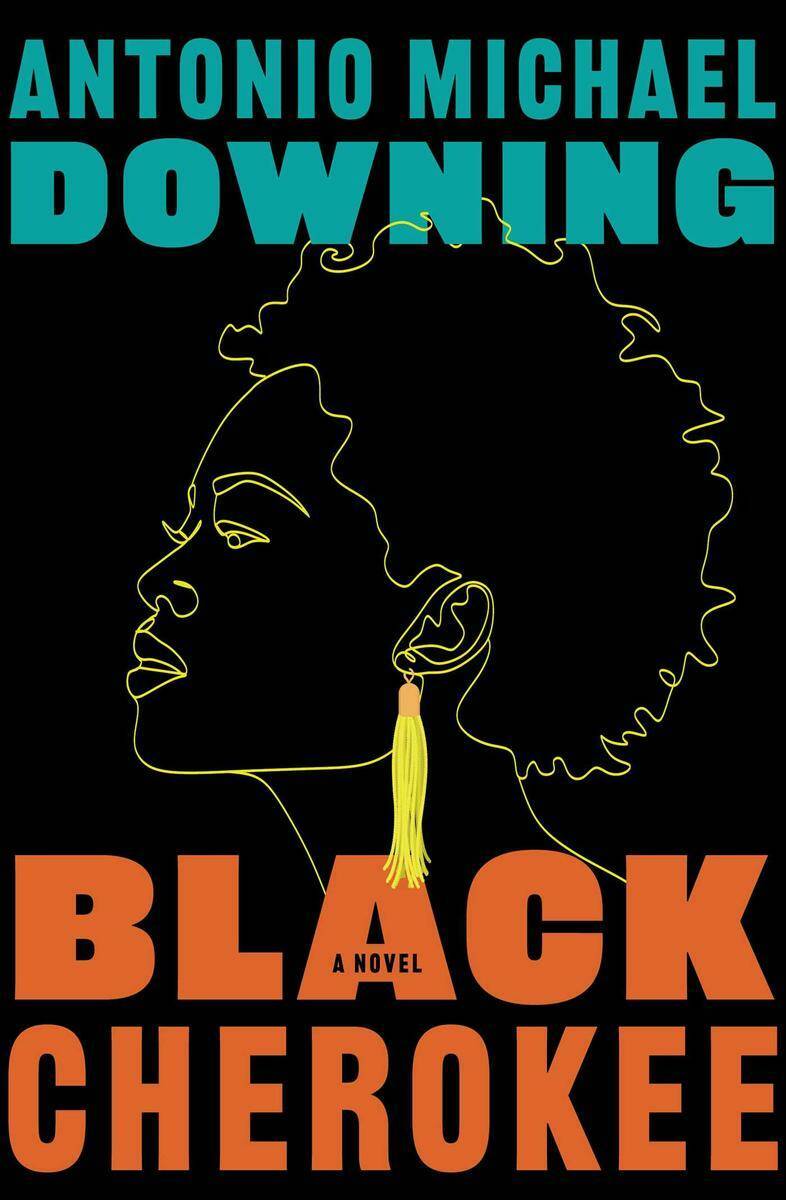
Black Cherokee
Most of the men she meets, meanwhile, treat Ophelia like a sexual commodity. All of the adults in Ophelia’s life let her down in one way or another and so the final outcome is not surprising, if a little disappointing. The next part of Ophelia’s journey is just beginning, and the reader is left with hope she will find peace.
Though the first part of the novel feels as if it takes place in a time earlier than 1993, the subsequent sections are grounded in the late ‘90s and early 2000s by Downing’s descriptions of the popular music of the time. No doubt rooted in the author’s own musical life, these sections of the novel will feel authentic and nostalgic to many younger Gen Xers and older millennials. When Ophelia attends a club and grooves to tunes by Usher, Ginuwine, Snoop Dogg, Lil Jon and others, readers in the know will pop, lock and drop along with her.
Like his descriptions of music, throughout the novel Downing’s dialogue rolls from the pages with an enticing and natural rhythm, effortlessly encompassing urban slang, ancestral wisdom and religious fervor.
Black Cherokee is a propulsive and fast-paced read that, while not marketed as a young adult novel, will certainly appeal to that demographic as well as to older readers. Downing writes with a compelling and distinctive voice that conveys the pain of dislocation and disinheritance, but also the abiding joy and strength in ancestral ties that cannot be broken.
Zilla Jones is a Winnipeg-based writer of short and long fiction. Her debut novel The World So Wide was published in April.