Imaginary cities
Themes of justice, reciprocity run through authors’ ruminations on urban life
Advertisement
Read this article for free:
or
Already have an account? Log in here »
To continue reading, please subscribe:

Digital Subscription
One year of digital access for only $205*
- Enjoy unlimited reading on winnipegfreepress.com
- Read the E-Edition, our digital replica newspaper
- Access News Break, our award-winning app
- Play interactive puzzles
*First annual payment billed as $205.00 + GST for one year. This annual subscription will automatically renew at $233.00 + GST every 52 weeks (10% off the regular annual price of $259.35). Offer available to new and qualified returning subscribers only. Cancel any time.
To continue reading, please subscribe:
Add Free Press access to your Brandon Sun subscription for only an additional
$1 for the first 4 weeks*
- Enjoy unlimited reading on winnipegfreepress.com
- Read the E-Edition, our digital replica newspaper
- Access News Break, our award-winning app
- Play interactive puzzles
*Your next Brandon Sun subscription payment will increase by $1.00 and you will be charged $17.95 plus GST for four weeks. After four weeks, your payment will increase to $24.95 plus GST every four weeks.
Read unlimited articles for free today:
or
Already have an account? Log in here »
Hey there, time traveller!
This article was published 11/10/2025 (351 days ago), so information in it may no longer be current.
The advent of the city is a relatively recent phenomenon. For much of our past, we relied on families and small groups of families for survival. It’s only in the last 10,000 years that collective development has led us inwards into communities that, ideally, capture human ingenuity and compassion and, at worst, reflect the deep underbelly or our selfishness and contempt for each other.
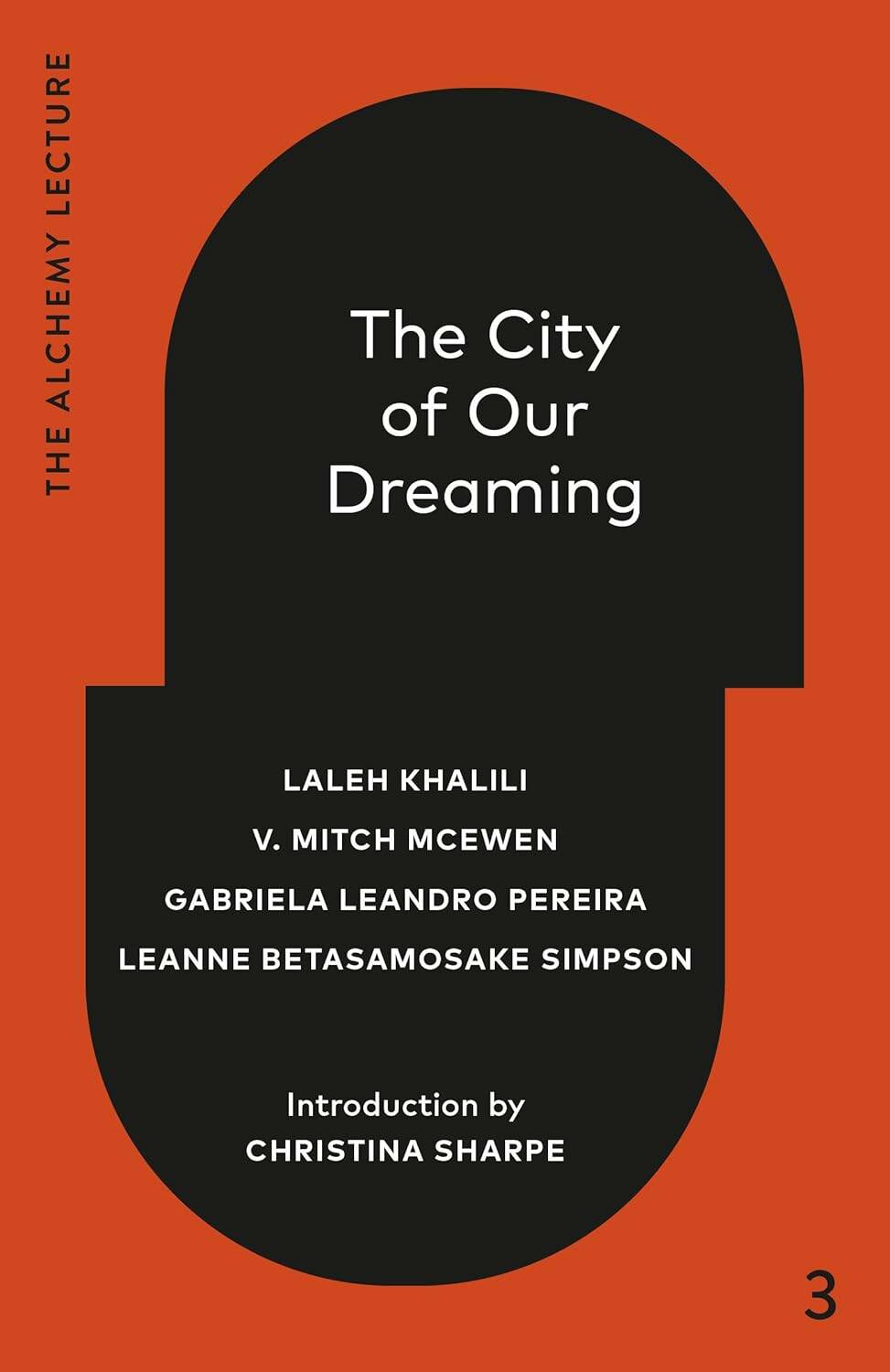
The notion of the city — and more specifically the utopian city — is the central theme of this third volume of the Alchemy Lecture, hosted annually at Toronto’s York University. The City of our Dreaming brings together four scholars who ask deep questions about the nature of cities and offer radical responses as to their potential.
V. Mitch McEwen is a professor of architecture, Laleh Khalili a writer and professor, Gabriela Leandro Pereira an architect and Leanne Betasamosake Simpson a writer. Each offers unique pathways to critically analyzing cities in their current state while using the city as a canvas for utopian philosophical inquiry into the how we treat each other, other species and the planet.
John Woods / Free Press files
While there exists a common thread between all four essays — namely, currents of justice, the commons and reciprocity — each thinker addresses the city in unique ways that are layered, nuanced and deeply rooted in their lived experience.
McEwen, for example, uses the metaphor of buoyancy, fixated on the transatlantic slave trade and the precarious nature of Gulf of Mexico cities, as a means to call for ethic of design. As she argues, “Designing something that floats means designing something that holds together in a threshold of movement.” By this, the city’s infrastructure moves away from concrete and rebar — away from segregation, redlining and divisions to a place where “people in the city want to be around each other.”
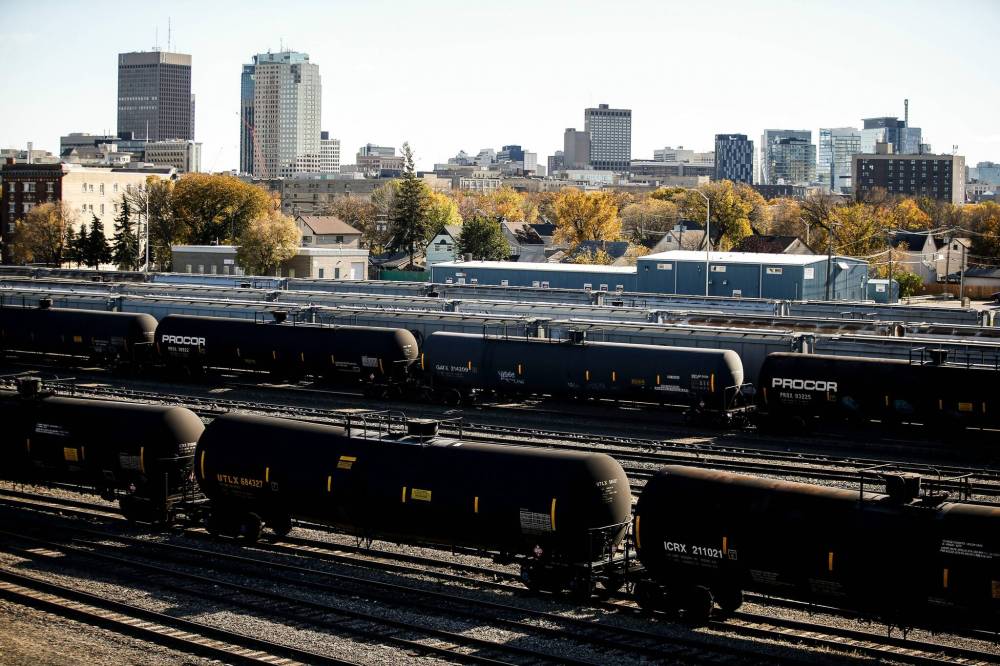
Think of our city — how rivers, bridges and tracks separate us.
Khalili, an Iranian-American, invokes an ethic of hospitality and leans on Jacques Derrida to make the case for how cities might be conceived on breaking bread together — treating each other with kindness.
In the city of her dreaming, “we are strangers made kin, the exiled made citizens; at this table, the out-of-place sink roots, the hungry are fed, the thirsty are watered and there is enough bread to break — and no more than needed.”
The current geopolitical situation is the backdrop for all four scholars, but particularly Khalili, who calls out those states engaged in and who sanction weaponized starvation.
For Brazilian architect Pereira, the conceptional analysis begins and ends with the movement and demand for freedom of Black and Indigenous people in her home country. Her analysis and dreaming is founded on the experience of her grandmother, and she draws in historical examples of Black women pushing back against hegemonic, imperialist and capitalist forces that penetrate and orchestrate our cities.
“The city that emerges from these dreamed gestures is constituted by the projects paved by the audacity to inhabit,” she argues — active resistance “where life is cared for in defiance of the desires and projects of extermination, past, present or future.”
Finally, Nishnaabeg writer Leanne Betasamoke Simpson, who for years has pushed Canada to a just understanding of Indigenous reclamation and resistance, conceptualizes the city by way of water — on the shores of Lake Ontario and in its molecular form.
The City of our Dreaming
“The city is a river. The city is a coastal wetland. The city is shore. This city is refuge and flyway. The city embraces the sky, the fresh water, the salt water and the land,” she writes. Water and land are shared.

The city of Simpson’s dreaming “is one that relentlessly chooses life.”
Betasamoke Simpson pushes back on prevalent ontological understandings of the city that are founded on greed and individualism, as “node in a capitalist empire designed to empty land, extract natural resources, harness bodies and minds towards making a few white men richer.”
The City of our Dreaming offers new insight into how we might properly conceive the ways we live with and for each other — from stranger to kin, private to public and with an ethic of relationship and reciprocity.
This is how these thinkers dream — hopeful for a world and cities where everyone thrives and is keenly aware of our ties to each other and the biosphere.
Matt Henderson is superintendent of the Winnipeg School Division.