Choosing our stories
Examining the narratives in our lives can help shape us — and imagine the world anew
Advertisement
Read this article for free:
or
Already have an account? Log in here »
To continue reading, please subscribe:

Digital Subscription
One year of digital access for only $205*
- Enjoy unlimited reading on winnipegfreepress.com
- Read the E-Edition, our digital replica newspaper
- Access News Break, our award-winning app
- Play interactive puzzles
*First annual payment billed as $205.00 + GST for one year. This annual subscription will automatically renew at $233.00 + GST every 52 weeks (10% off the regular annual price of $259.35). Offer available to new and qualified returning subscribers only. Cancel any time.
To continue reading, please subscribe:
Add Free Press access to your Brandon Sun subscription for only an additional
$1 for the first 4 weeks*
- Enjoy unlimited reading on winnipegfreepress.com
- Read the E-Edition, our digital replica newspaper
- Access News Break, our award-winning app
- Play interactive puzzles
*Your next Brandon Sun subscription payment will increase by $1.00 and you will be charged $17.95 plus GST for four weeks. After four weeks, your payment will increase to $24.95 plus GST every four weeks.
Read unlimited articles for free today:
or
Already have an account? Log in here »
Hey there, time traveller!
This article was published 31/01/2026 (202 days ago), so information in it may no longer be current.
If the stories we tell ourselves have the power to limit or enhance our capabilities, then what happens when we abandon the ones that no longer serve us? What role does storytelling play in creating class, race and gender inequities?
These are the central questions at the heart of Jeanette Winterson’s latest work One Aladdin Two Lamps.
The award-winning U.K. writer and cultural figure, best known for her memoir Why Be Happy When You Could Be Normal?, has penned another work of non-fiction that calls into question ancient stories and tropes that shape society. In it she names many factors, people and central narratives — Charles Darwin, Francis Galton, papal bulls and dogmatic declarations, to highlight a few — that have shaped belief systems and created imprisonment for millions born outside the dominant paradigm. The poor, women, people living with disabilities, non-whites, gay, queer and non-binary people — the list continues.
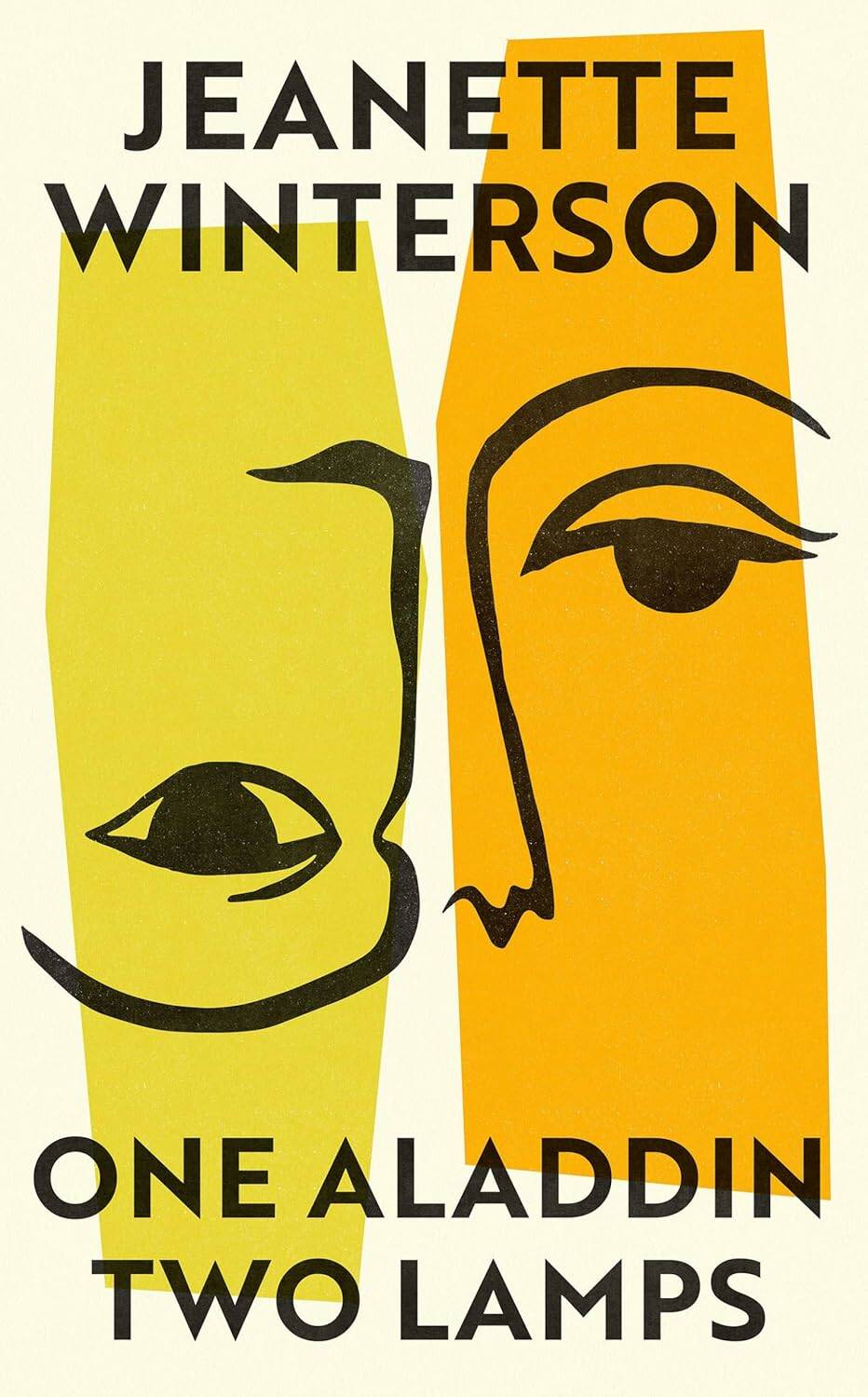
One Aladdin Two Lamps
In One Aladdin Two Lamps, Winterson offers a new perspective: “I can change the story because I am the story.”
The central thread offers a parallel narrative to One Thousand and One Nights, the beloved collection of Arabic fables that tells the tale of a young woman named Shahrazad who outsmarted a powerful king through storytelling. In it, King Shahryar had taken to marrying a virgin each night and beheading her at dawn to seek revenge against all women for the sins of his unfaithful wife. Shahrazad offers to marry the king and spends the night telling him a story that ends on a cliffhanger.
Come morning, her life is spared one more day so she may continue the story at night. The pattern continues for 1,001 nights.
Winterson’s main premise of One Aladdin Two Lamps is that we all have the power to create a better life and just society by inventing more equitable, person-centric stories.
But first, the reader is taken on a journey of all the “wrong” stories that catalogue our history, such as the “baseless theories” of palaeontologist Thomas Huxley, who wrote “The doctrine that all men are… free and equal is an utterly baseless fiction.”
Those works of Huxley, Darwin and many others, Winterson writes, have created narratives that continue to bind people not born with the “right” story. Take, for example, the author herself — adopted as a child, she was deemed “bad” by her adopted mother.
“What’s bred in the bone comes out in the marrow,” she was often told as a young child.
Winterson’s queerness exacerbated her otherness, making her an outcast at an early age. She sought refuge in a library and literature, where she found tools to rewrite her own story.
Winterson’s narrative becomes a cautionary tale, a warning against the “utterly baseless theories” rooted in eugenics and Victorian patriarchy that are making a comeback.
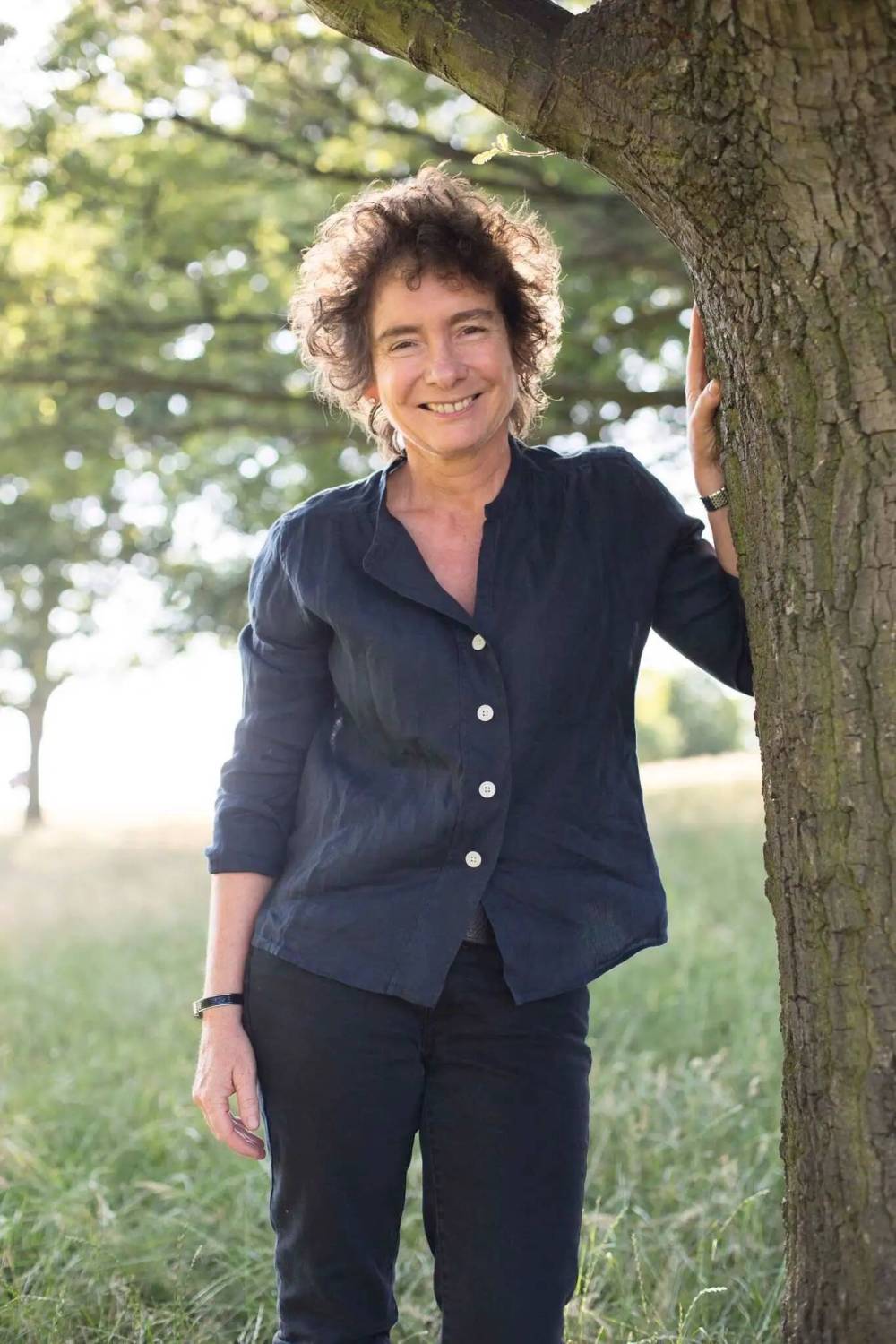
Sarah Churchill photo
Jeanette Winterson found the tools to re-write her own story in libraries and literature.
“Such theories have never gone away, of course, but Fascism made them repellent,” Winterson writes. “After 1945, the social, racial, gender-essentialist ‘natural’ hierarchies that dominated our past have been progressively challenged.”
That is, until now, she warns. Society is once again at an “existential crossroad.”
Part manifesto, part memoir and part feminist reimagining of an ancient Arabic tale, One Aladdin Two Lamps is an overflowing bazaar of stories offered as a call to action.
The complex structure is overwhelming at times, yet never loses sight of its simple premise: an invitation to examine the stories that shape us and to imagine the world anew.
Rochelle Squires is a reader who, admittedly, has never read One Thousand and One Nights but is continually drawn to power of storytelling.