Antarctic novel’s glacial pace turns frenetic
Advertisement
Read this article for free:
or
Already have an account? Log in here »
To continue reading, please subscribe:

Digital Subscription
One year of digital access for only $205*
- Enjoy unlimited reading on winnipegfreepress.com
- Read the E-Edition, our digital replica newspaper
- Access News Break, our award-winning app
- Play interactive puzzles
*First annual payment billed as $205.00 + GST for one year. This annual subscription will automatically renew at $233.00 + GST every 52 weeks (10% off the regular annual price of $259.35). Offer available to new and qualified returning subscribers only. Cancel any time.
To continue reading, please subscribe:
Add Free Press access to your Brandon Sun subscription for only an additional
$1 for the first 4 weeks*
- Enjoy unlimited reading on winnipegfreepress.com
- Read the E-Edition, our digital replica newspaper
- Access News Break, our award-winning app
- Play interactive puzzles
*Your next Brandon Sun subscription payment will increase by $1.00 and you will be charged $17.95 plus GST for four weeks. After four weeks, your payment will increase to $24.95 plus GST every four weeks.
Read unlimited articles for free today:
or
Already have an account? Log in here »
Hey there, time traveller!
This article was published 21/02/2026 (213 days ago), so information in it may no longer be current.
Quan Barry is a Vietnamese-American novelist, poet and playwright, born in Saigon of mixed Vietnamese and African-American heritage, adopted by a white American family and raised in Massachusetts.
She is currently the Lorraine Hansberry professor of English at the University of Madison-Wisconsin and has won multiple awards, particularly for her four books of poetry. The Unveiling is her fourth novel.
The book’s main character is Striker, a Black woman from New York working as a film scout, who is in Antarctica at Christmas to research a location on the Weddell Sea. She’s part of a tour with a group of wealthy tourists from the U.S. and Europe, and in the first few pages we meet the group boarding two Zodiac boats to visit a nearby island.
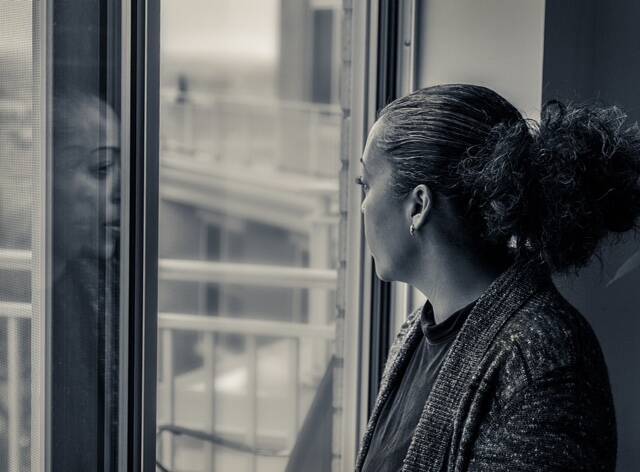
Jim Barnard photo
Poet and novelist Quan Barry
Other tourists and the tour guides are introduced in quick succession, a total of 13 people mostly referred to by Striker using nicknames that indicate their wealth and privilege, such as “Baron,” “Grand Dame” and “Tech Titan Taylor.”
The pacing at the beginning of The Unveiling is almost as glacial as the icebergs and floes described. Time stretches out, seemingly as endless as the landscape. The intention seems to be to emphasize the whiteness of the environment Striker is in — both literally, because of the abundance of ice and snow, and culturally in terms of the skin tone of every other person on the trip. Striker acutely feels her difference.
Time is a key part of the novel: although it feels lengthy, it all takes place on Christmas Eve, where Striker’s watch is permanently stuck at 12:14. However, with the many flashbacks to Striker’s past life, the novel’s present feels like a fragmented dreamscape jumping backwards and forwards in time and continually disorienting the reader, in a land where the sun does not set and daylight stretches on forever.
The uneventful sightseeing trip turns treacherous when an intervening disaster separates members of the group from each other and leaves Striker and others stranded, their only shelter a mysterious cabin built by a crew of Swedish explorers more than 100 years ago. It’s unclear what the disaster is, as it takes place over several pages where text is redacted, showing only type obscured by black boxes.
We learn Striker is an unreliable narrator. She has an alter ego of “Dark Striker” who is prone to blackouts and is able to learn the history of an object by touching it. This Striker is suddenly left without a supply of psychiatric medication, and fears losing her mind.
At several points in the novel when Dark Striker takes over, the text too goes dark, leaving only redactions.
The novel becomes many things as it goes on, each pulling in a different direction. The wife of one of Striker’s companions is dead, supposedly from falling, but Striker suspects he may in fact have murdered her. The child of one of the wealthy, conservative families is non-conventional, liberal and uses non-binary pronouns, and there is bickering about politics, with Striker and the character becoming allies, leading to lengthy lectures on the Black Lives Matter movement and the history of Black people in the U.S.
It feels unnecessarily didactic and out of place — who, when fighting for their survival, has time to debate critical race theory?
A secondary storyline unravels about the adoption of Striker and her sister to a white family in a white suburb, and a pregnancy that results. The culturally white environment Striker finds herself in triggers these memories of another time when she felt out of place — and just in case the reader didn’t get it the first time, the point is repeated over and over again, as unending as the constant sunlight.
As a result of this history, Striker’s Blackness at times feels inauthentic and performative, perhaps intentionally so.
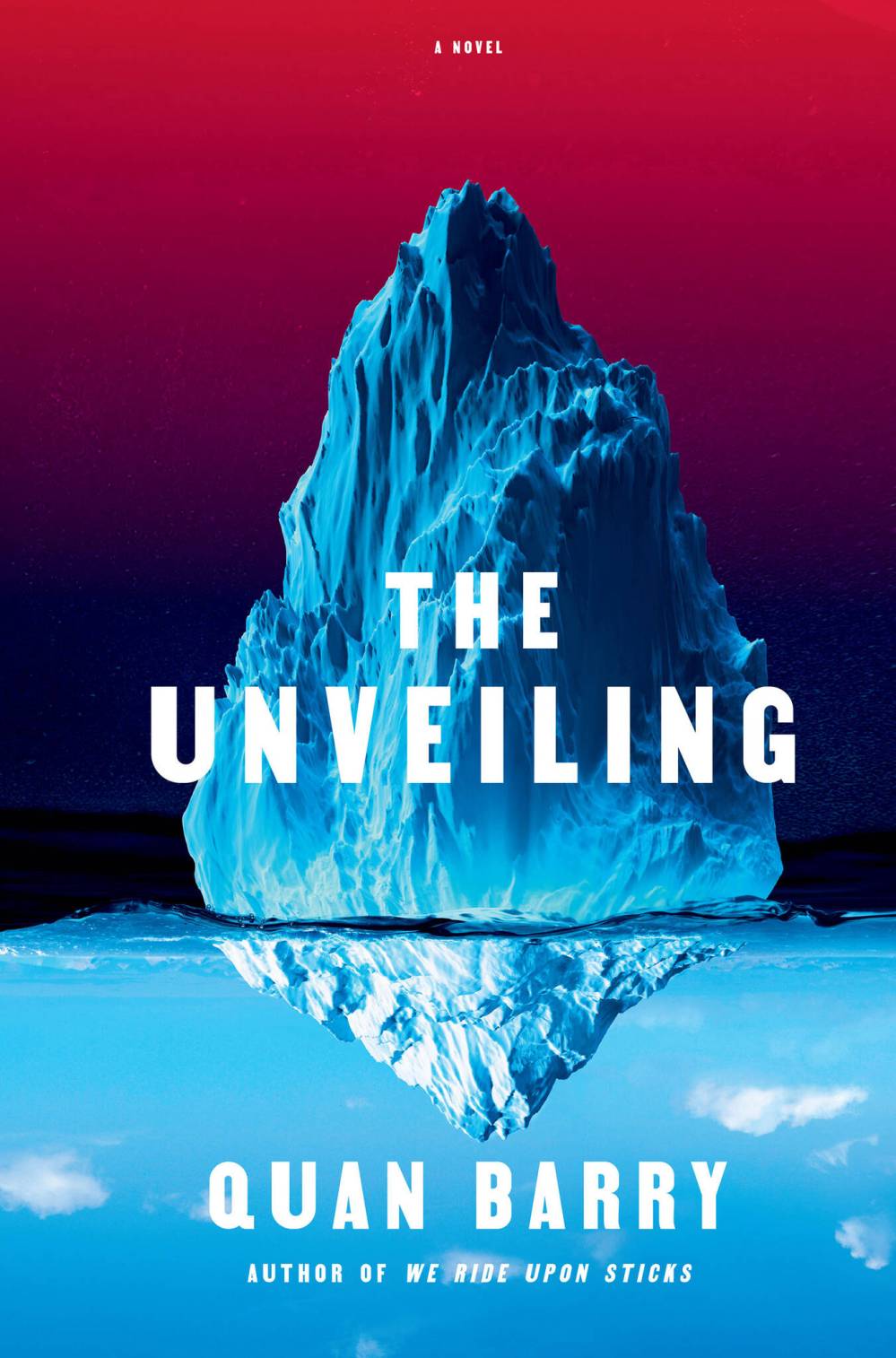
The Unveiling
The survivors of the accident try to find their missing companions, survive the harsh conditions and establish contact with the outside world. A sudden change in environmental conditions occurs, suggesting a global catastrophe or extreme climate change.
And then The Unveiling becomes a horror novel, with numerous instances of body horror, grotesque shape-shifting amongst the characters, appearances of the ghosts of the Swedish crew and gruesome incidences of violence.

Frustratingly, along with the frequent redactions, unimportant contextual clues are often withheld for no apparent reason. For several chapters, Striker says “Shizer” when annoyed, a word which seemingly doesn’t exist. Halfway through the novel, it is explained that the word is actually the German expletive “Scheisse” written phonetically, a word Striker learned from her adoptive parents.
The slow pacing becomes frenetic as the different threads of the novel converge, making it impossible to distinguish what is real and what isn’t, let alone to decide whether this novel is primarily thriller, psychological thriller, mystery, horror, climate fiction or social satire.
There do seem to be deeper themes buried here: the idea of the parallels of exploration of foreign terrain and of one’s internal psyche, of even a seemingly pristine wilderness bearing the scars of human exploitation, of the struggle for self-actualization experienced by Black people in white spaces, of the land as a reflection of the soul, of the enduring nature of the colonial project.
But it’s very difficult to tease meaning out of a book that is so busy and so chaotic. This reader was left with the feeling that after everything, Barry’s intention still remained veiled.
Zilla Jones is a Winnipeg-based writer of short and long fiction. Her debut novel The World So Wide was published in April 2025.