Character and compassion
In Vlautin’s most hopeful novel, boy’s friendship with Portland painters proves poignant
Advertisement
Read this article for free:
or
Already have an account? Log in here »
To continue reading, please subscribe:

Digital Subscription
One year of digital access for only $205*
- Enjoy unlimited reading on winnipegfreepress.com
- Read the E-Edition, our digital replica newspaper
- Access News Break, our award-winning app
- Play interactive puzzles
*First annual payment billed as $205.00 + GST for one year. This annual subscription will automatically renew at $233.00 + GST every 52 weeks (10% off the regular annual price of $259.35). Offer available to new and qualified returning subscribers only. Cancel any time.
To continue reading, please subscribe:
Add Free Press access to your Brandon Sun subscription for only an additional
$1 for the first 4 weeks*
- Enjoy unlimited reading on winnipegfreepress.com
- Read the E-Edition, our digital replica newspaper
- Access News Break, our award-winning app
- Play interactive puzzles
*Your next Brandon Sun subscription payment will increase by $1.00 and you will be charged $17.95 plus GST for four weeks. After four weeks, your payment will increase to $24.95 plus GST every four weeks.
Read unlimited articles for free today:
or
Already have an account? Log in here »
Readers who pick up a novel by Willy Vlautin best prepare themselves for an emotional rollercoaster.
With his latest, The Left and the Lucky, the Portland-based author of The Horse and The Night Always Comes does not disappoint — though for once, the reader is spared a concluding gut punch.
Indeed, The Left and the Lucky is perhaps Vlautin’s most hopeful novel to date, or at least his least bleak. That’s not to say everything is wine and roses — far from it. As with any of Vlautin’s novels, his latest is stocked with characters who’ve had more hard luck than good luck.
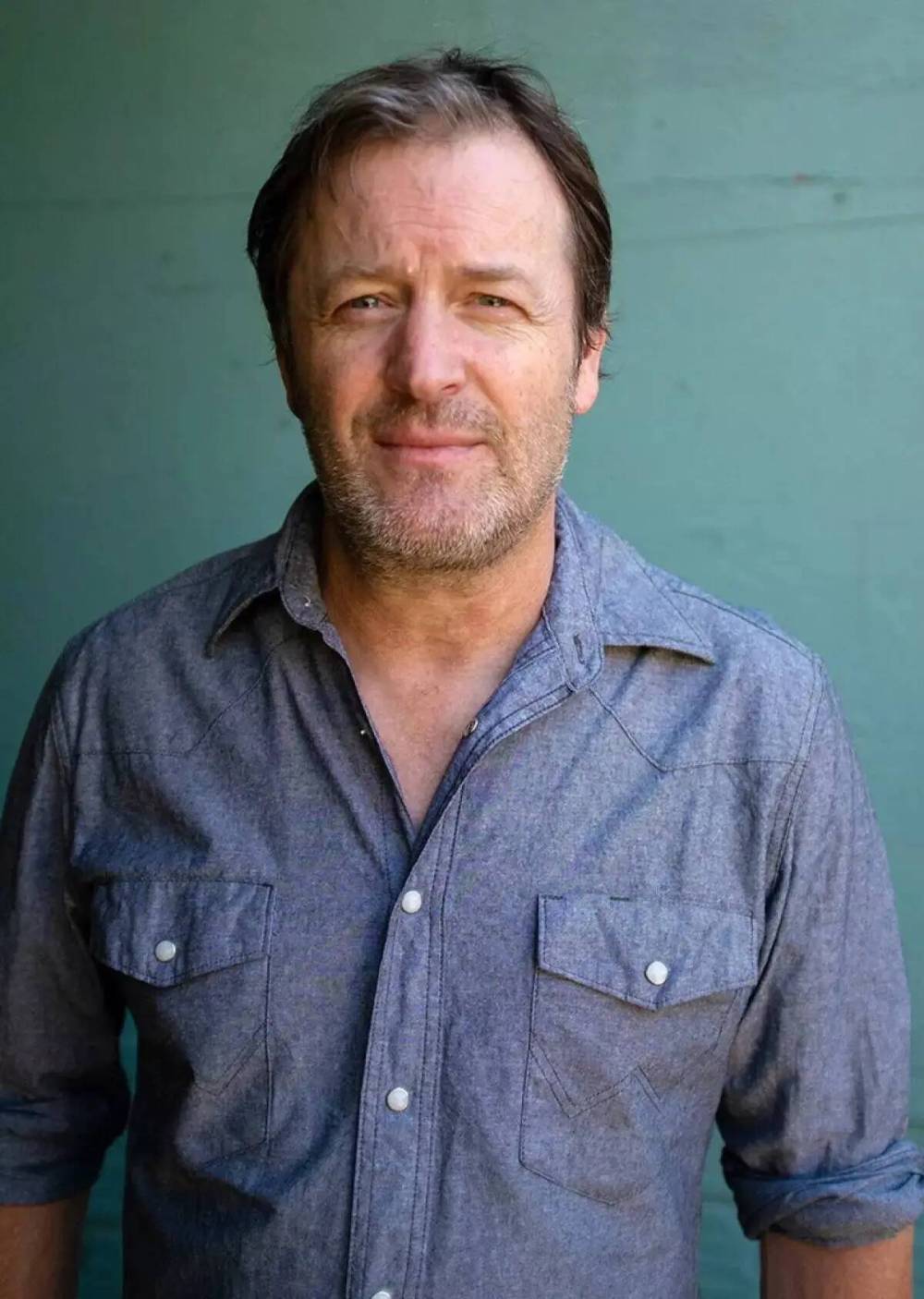
Bobby Abrahamson photo
Even Villy Vlautin’s most troubled characters are portrayed with compassion, providing insight into their struggles.
Eddie is a 42-year-old house painter whose wife recently left him after 20 years. Russell is an eight-year-old boy who lives next door with his grandmother, mother and troubled teenage brother Curtis, who makes his life a living hell. The two form a friendship and bond as Russell is drawn next door to visit Eddie’s aging mutt Early, before finding a refuge in his neighbour’s yard from the violent and tumultuous situation at home.
Russell’s grandmother, to whom he is closest, is showing signs of dementia and is eventually shipped off to a nursing home. His mother Connie, meanwhile, works nights at a local strip club, while Curtis acts cruelly towards his younger brother, beating and belittling him when the two are alone, to the point where Russell is scared for his life.
Even with Curtis cast as the bad guy — and he can be downright brutal and nasty — Vlautin is careful to show him compassion, providing insight into the hurts, unanswered needs and disappointments of a teenage boy that might lead him down the wrong path. The same goes for Connie, who wouldn’t win the prize for mother of the year, but is shown again and again to be trying to do the best with the hand she’s been dealt.
As Eddie assumes increasing responsibility for young Russell, the reader is introduced, along with Russell, to a motley crew of painters: Houston, a lovesick 50-year-old drunk who falls off the wagon after a successful stretch on the straight and narrow; Cordarrel, a semi-retired blowhard from Chicago; and Donny, a hardworking young headbanger just looking for a break. It’s a found family for the young boy — far from perfect, but better than the one he’d been born into.

Mistakes are made, again and again, by everyone involved. But where in previous novels those mistakes might have led to an early grave or something traumatic that a character may not have been able to come back from, this time around Vlautin instead offers his characters some grace (often delivered with a side of gallows humour), allowing them to pick up the pieces, even when they land firmly in the gutter, and make of them what they will.
“In the parking lot of the Overlook, Houston threatened to kill himself for the fifteenth time that week,” Vlautin writes. “Eddie leaned into the driver’s side window. ‘Well, man, I’ll tell you this, I’m starving, and it’s almost one. So if you’re going to do it, do it, because I want to eat.’”
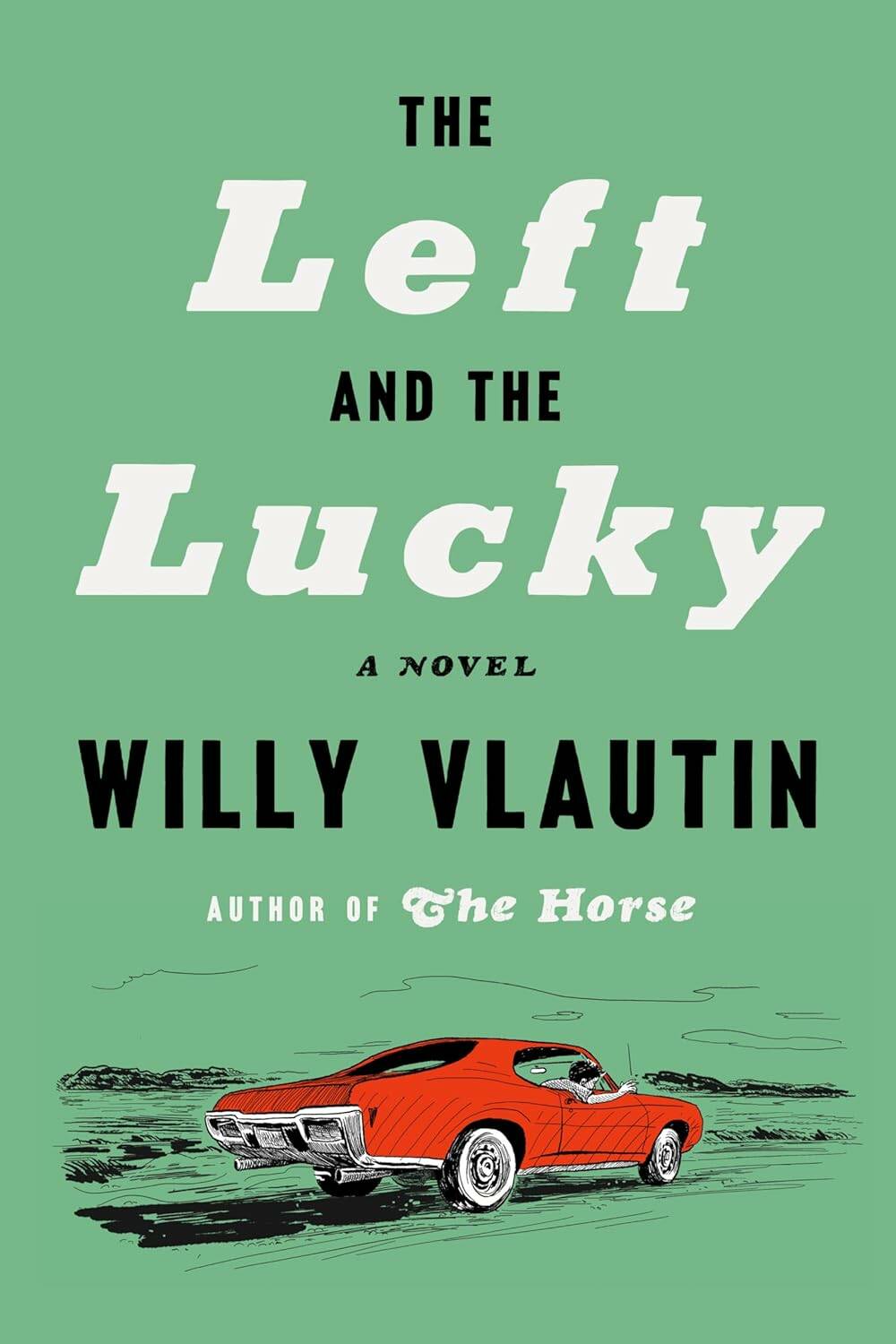
The Left and the Lucky
Like Barry Gifford, Vlautin is a master of dialogue. It’s not surprising, then, that conversation drives much of the action in The Left and the Lucky, providing nuance and context by what is said and unsaid in the vernacular of Portland’s working class. Conversations between Eddie and Russell in particular share a kinship to Gifford’s 2000 novel Wyoming, where a young boy and his mother drive from Chicago to Wyoming, the entire novel made up of conversations in the car.
Beyond Eddie and Russell, conversations between other characters throughout The Left and the Lucky are equally illuminating, showing a depth of character and compassion to their situations, and how they’re dealing with the problems before them.
Sheldon Birnie is a community journalist, the author of the short-story collection Where the Pavement Turns to Sand and host of the Wild & Wonderful Words reading series at Sookram’s Brewing.