Rounding the bases
Wryly funny essays chronicle the rocky road to motherhood — and her debilitating postpartum anxiety
Advertisement
Read this article for free:
or
Already have an account? Log in here »
To continue reading, please subscribe:

Digital Subscription
One year of digital access for only $205*
- Enjoy unlimited reading on winnipegfreepress.com
- Read the E-Edition, our digital replica newspaper
- Access News Break, our award-winning app
- Play interactive puzzles
*First annual payment billed as $205.00 + GST for one year. This annual subscription will automatically renew at $233.00 + GST every 52 weeks (10% off the regular annual price of $259.35). Offer available to new and qualified returning subscribers only. Cancel any time.
To continue reading, please subscribe:
Add Free Press access to your Brandon Sun subscription for only an additional
$1 for the first 4 weeks*
- Enjoy unlimited reading on winnipegfreepress.com
- Read the E-Edition, our digital replica newspaper
- Access News Break, our award-winning app
- Play interactive puzzles
*Your next Brandon Sun subscription payment will increase by $1.00 and you will be charged $17.95 plus GST for four weeks. After four weeks, your payment will increase to $24.95 plus GST every four weeks.
Read unlimited articles for free today:
or
Already have an account? Log in here »
‘Motherhood is often oppressively touted as one of the most important things a woman can do, and yet that same oppressive force demands she never speak on the inherent realities of mothering.”
So begins Toronto sportswriter Stacey May Fowles in her touching memoir on becoming a mother after four years of infertility.
Fowles is best-known for her baseball reporting, including 2017’s Baseball Life Advice, a collection of essays celebrating baseball while challenging sexist attitudes towards female sports reporters.
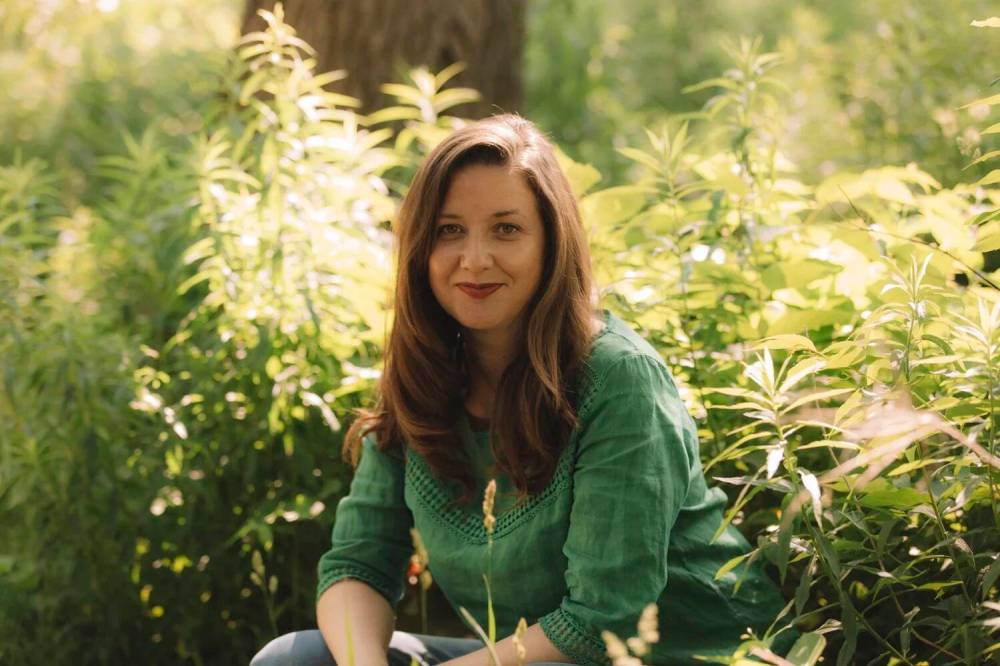
Jenna Marie Wakani photo
In addition to her writing on baseball, Stacey May Fowles has published two novels, a children’s book and contributed to several literary anthologies.
She’s also published two novels, a children’s book and contributed to several literary anthologies, demonstrating gifts for reporting, research and prose.
Fowles displays all these talents in The Lost Season, showing that she’s capable of a home run of her own.
Though only around 200 pages, her memoir covers identity, feminism, mental health and the way society glorifies motherhood in theory while disdaining it in reality.
Fowles opens with the barely concealed misogyny of the fertility doctor she and her husband consult after a year of trying to conceive (the doctor asks Fowles how many men she slept with in her 20s as a starting point).
Three years later, Fowles becomes pregnant but experiences a traumatic birth that threatens her life and that of her daughter.
Fowles takes us through her painful physical convalescence, matter-of-factly recounting the realities of caring for a newborn while wearing diapers of her own, as well as feelings of isolation and lack of community support, realizing that unresolved trauma from her past contributes to her struggle in the present.
“For years my body and life were defined almost entirely by trauma and fear,” she realizes during her long recovery from childbirth.
Fowles points out that while people now know to be on the lookout for postpartum depression, we are far less aware of its lesser-known cousin — postpartum anxiety.
“Pregnancy made me feel powerful, fearless, and determined. Postpartum, it was as if every errant anxiety I had ever had in my entire life rose from dormancy and happily found a renewed sense of purpose,” Fowles recounts.
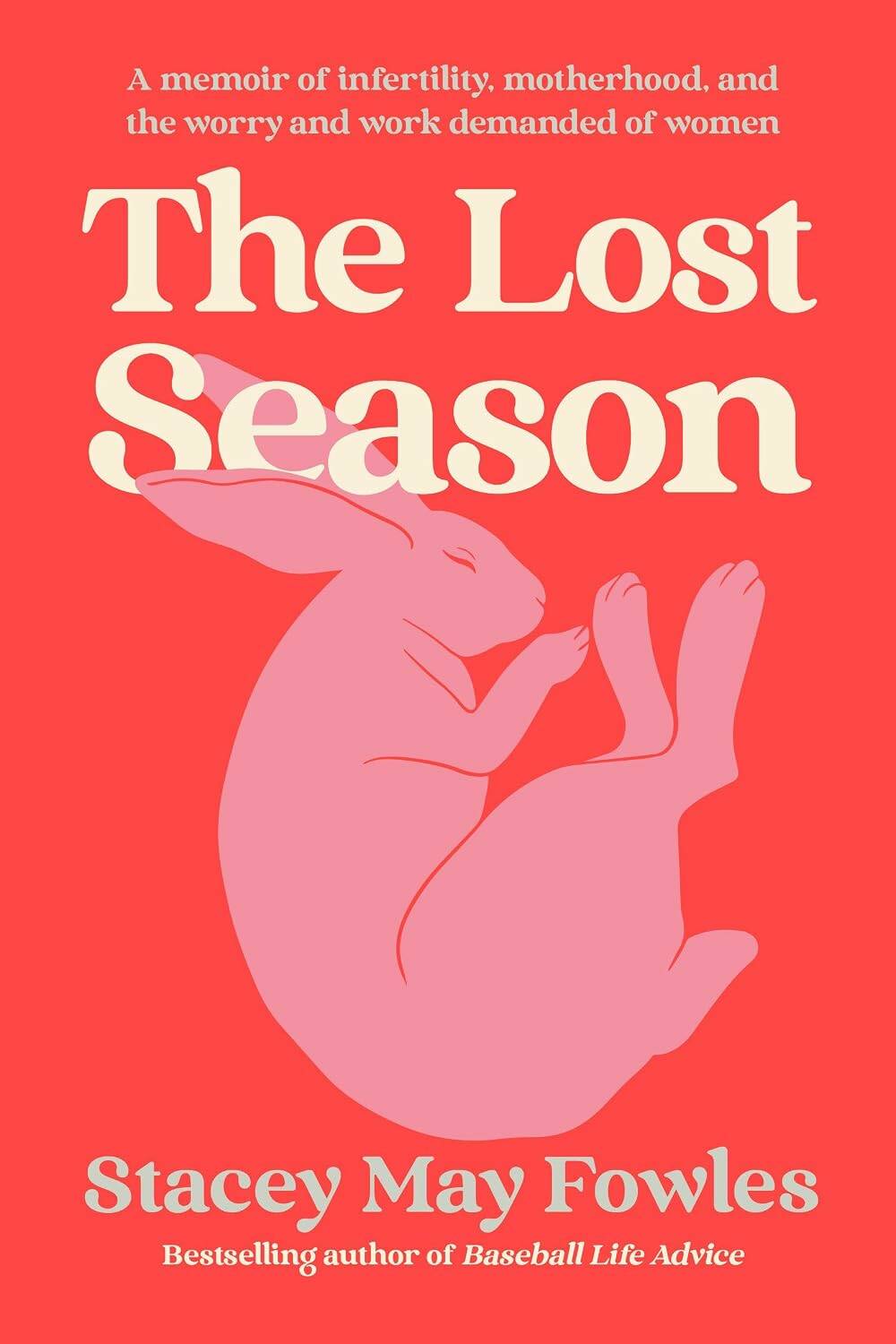
The Lost Season
Fowles’ unapologetic and relatable depiction of her at-times crippling anxiety disorder (a disorder present before she had her daughter) may remind readers of All The Little Monsters, penned by Winnipeg’s own David A. Robertson in 2024 as a reflection on his own journey with anxiety and panic disorder.

Many motherhood writers aim for outright laughs and write gleefully about diaper blowouts and sex after childbirth, as seen in the memoir Cat and Nat’s Mom Secrets by influencers Natalie Telfer and Catherine Belknap, or nearly anything by American novelist Jennifer Weiner.
Fowles chooses wry humour instead. This, and her frequent references to studies and statistics, gives her book an almost academic feel.
Despite this, The Lost Season contains themes universally relatable to mothers, such as the pressure to be a perfect mom and fear of passing on “bad” traits to your children.
In fact, an argument could be made that parents-to-be should replace What to Expect When You’re Expecting with a copy of The Lost Season.
Winnipeg writer Kathryne Cardwell is proud mother to a seven-year-old son.