Ransacking relics
Brit businessman turned to smuggling looted artifacts in the chaos of Cambodia’s genocide
Advertisement
Read this article for free:
or
Already have an account? Log in here »
To continue reading, please subscribe:

Digital Subscription
One year of digital access for only $205*
- Enjoy unlimited reading on winnipegfreepress.com
- Read the E-Edition, our digital replica newspaper
- Access News Break, our award-winning app
- Play interactive puzzles
*First annual payment billed as $205.00 + GST for one year. This annual subscription will automatically renew at $233.00 + GST every 52 weeks (10% off the regular annual price of $259.35). Offer available to new and qualified returning subscribers only. Cancel any time.
To continue reading, please subscribe:
Add Free Press access to your Brandon Sun subscription for only an additional
$1 for the first 4 weeks*
- Enjoy unlimited reading on winnipegfreepress.com
- Read the E-Edition, our digital replica newspaper
- Access News Break, our award-winning app
- Play interactive puzzles
*Your next Brandon Sun subscription payment will increase by $1.00 and you will be charged $17.95 plus GST for four weeks. After four weeks, your payment will increase to $24.95 plus GST every four weeks.
Read unlimited articles for free today:
or
Already have an account? Log in here »
The brutal communists of the Khmer Rouge had fled Cambodia and, in the capital Phnom Penh, the few kids left had lost their pets to hunger.
The young and their extended bellies went by, outworn eyes looking for who they had been.
Matthew Campbell’s book is the unforgettable story not of the genocide, but of a human jackal who took advantage of the helter-skelter of mass killings and starvation to steal a country’s glory — and why some of the people were very willing to help him.
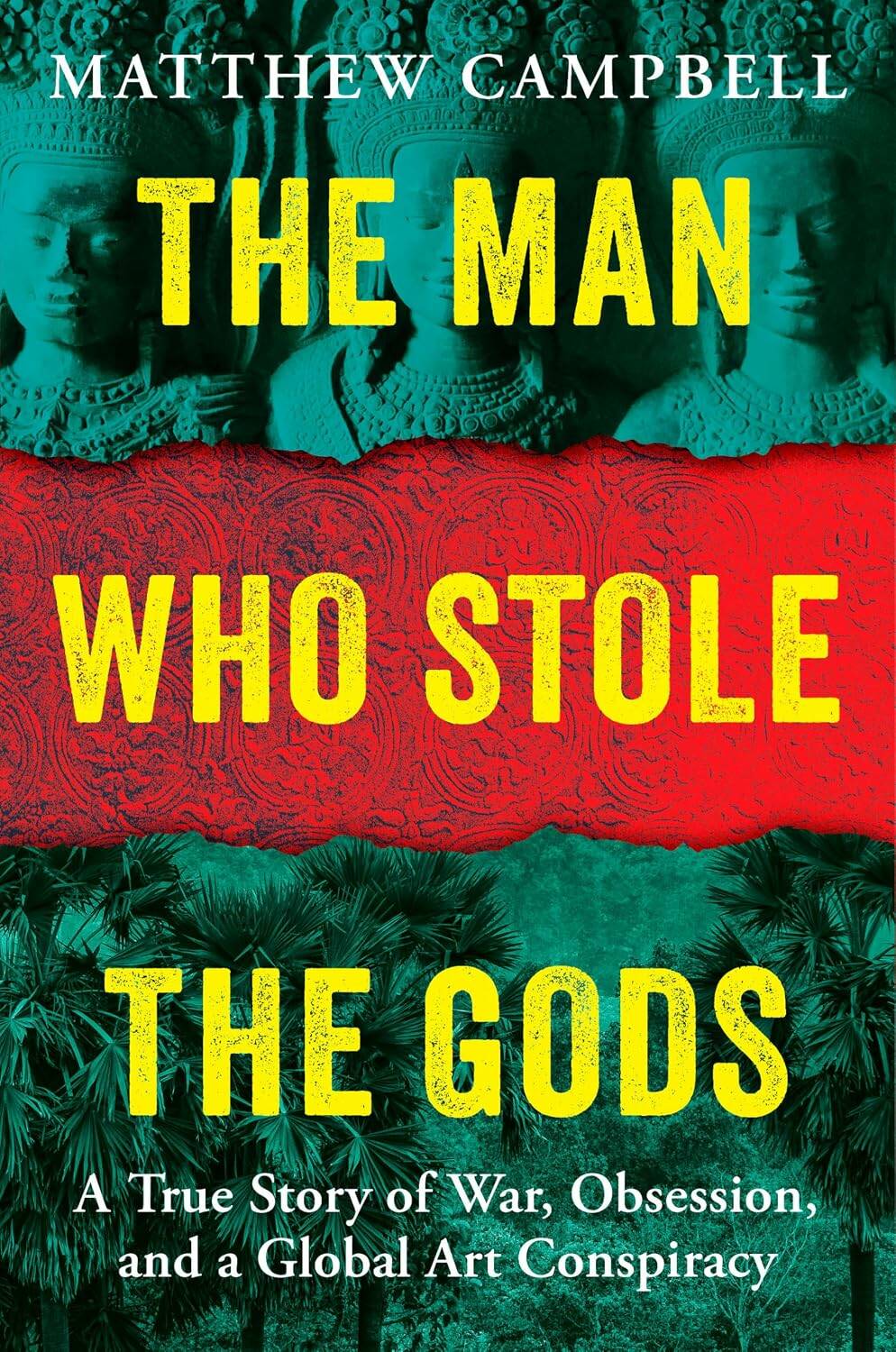
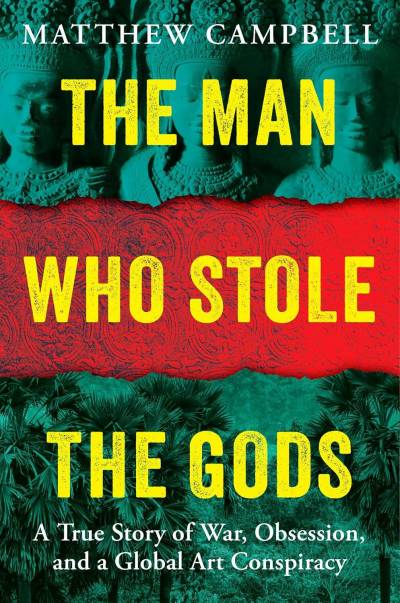
The Man Who Stole the Gods
Douglas Latchford, a rich businessman with the conscience of a loan shark, took advantage of government terror and killings in Cambodia to loot the country of priceless Khmer Empire artifacts, pose fraudulently as an international art dealer and sell what had been stolen for him to very rich collectors and some of the world’s best art galleries, including New York’s Metropolitan Museum of Art. He pocketed millions and the Met walked away accused of the worst crime of credibility: indifference.
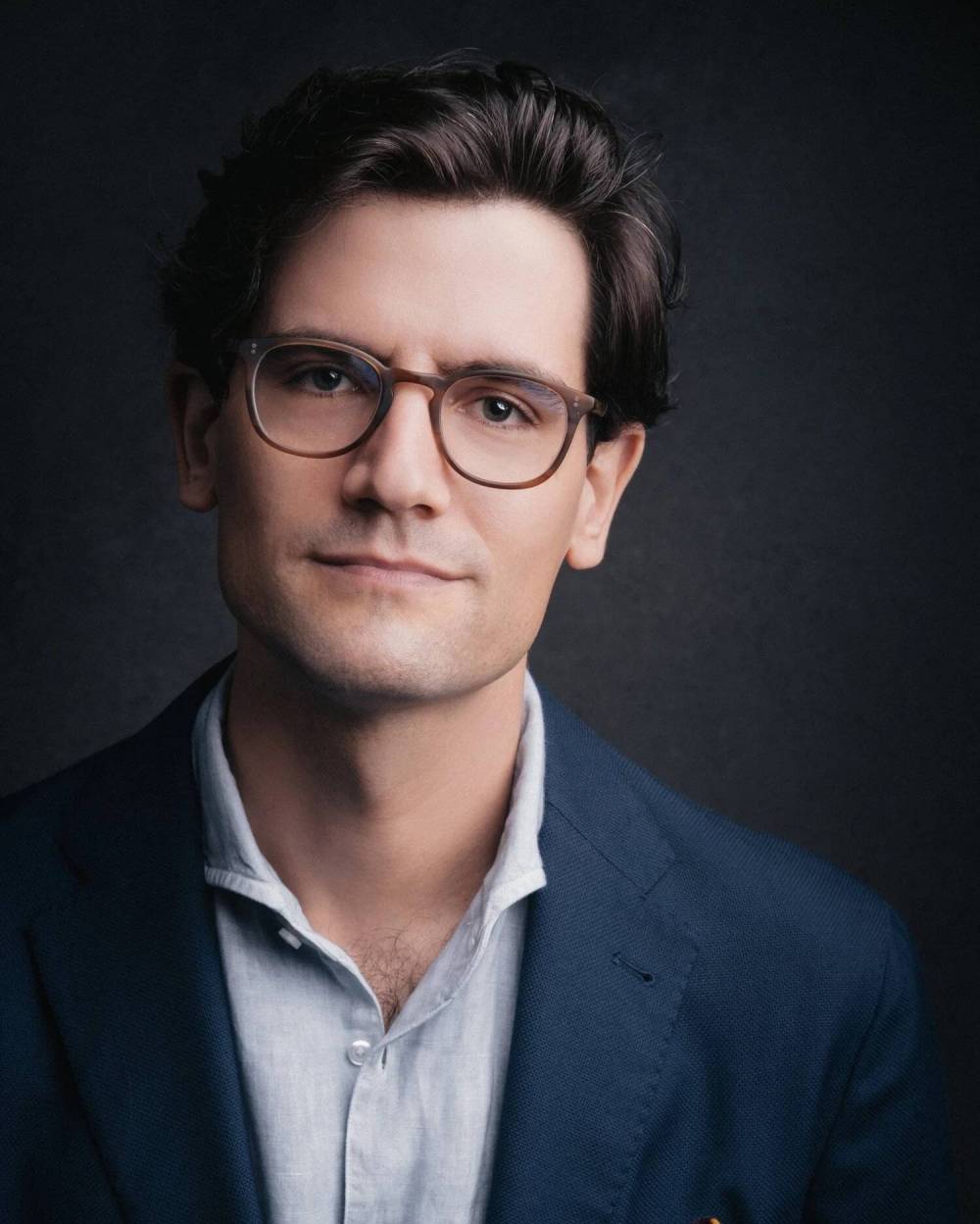
Campbell is with Bloomberg Businessweek. He lives in Singapore and has reported from more than 25 countries. He impressively follows Latchford, the expert fraudster and expatriate Brit, as his Cambodian underlings hack ancient sacred sculptures and towering Hindu gods from their pedestals and dynamite stone temples into manageable pieces for Latchford to sell to both aware and unaware billionaire clients around the world.
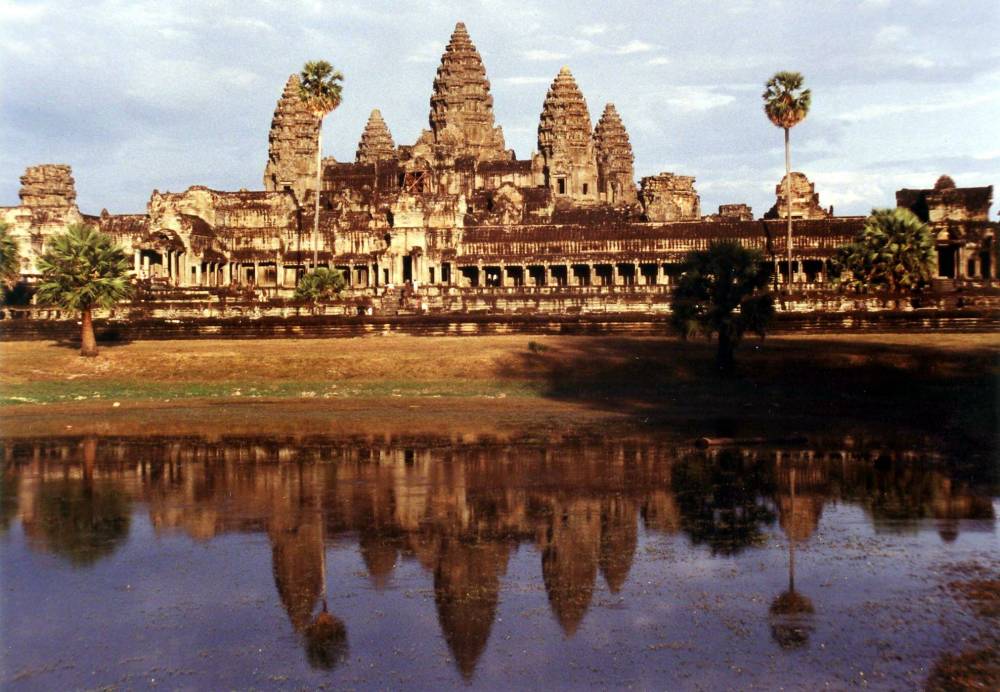
Cambodia is in Southeast Asia, and is home to one of the world’s greatest structural accomplishments: the temple of Angkor Wat.
When communists took over the country in 1975 they introduced their vision of agricultural reform. Families were no longer allowed. They were disbanded. Nearly all the 1.5 to- 3 million people in the capital were immediately ordered to walk out to the countryside to labour.
Out of population of seven million people, two million starved to death or were killed. The communists were ousted in 1979. The looting, however, went on.
Latchford had people in Cambodia who wanted to eat, he still had connections and buyers in the U.S. and Europe — and many of the remaining temple sites were deep in Cambodia’s tight-knit jungles and rainforests, still without protection.
The Man Who Stole the Gods is a merry-go-round chronicle of corruption, greed, arrogance and insult to a country — especially its cultural and spiritual beliefs.
A remarkable British stonemason, Simon Warrack, was walking the ruins in a Cambodian temple in 2007. He said he always walked with his eyes to the ground in any cultural sites in Cambodia because of landmines planted in war and the tripwires that set them off. If he hadn’t, he says he’d probably have missed it: the footprints of a statue that had been cut from the ground.
Ejun Low photo
Matthew Campbell
Later, it occurred to him there had been an article and, more importantly, a photo in a cultural magazine explaining about the footprints and identifying the statue to which it belonged.
He found the photo and compared it to the one he’d taken. They matched. He decided to send a short explanation of what he’d found to UNESCO and the Cambodian government.
The war that had made it easier for Latchford to plunder Cambodia’s treasures was also the one that kept Warrack’s eyes down, so he couldn’t miss the footprints. It was the beginning of the evidentiary road that would lead to Latchford.
Campbell not only puts together a fascinating chronology of crime on a grand scale and the identification of criminals, but also a litany of rich people and/or their companies that eagerly want what’s been stolen — no questions asked.
Latchford’s biggest customer was a self-made and tech mogul billionaire, American Jim Clark. In total, between 2003 and 2007 he paid Latchford US$35 million for about 30 pieces of Khmer sculpture.
One of the pieces Clark bought was a giant statue of the Hindu elephant god, Ganesha. Clark bought it in 2006; it was intended to be part of his new apartments in Miami. The decorator was preparing them with an Asian theme, but he didn’t like the statue so it never left its crate.

The year before he died, Latchford was charged by the U.S. of wire fraud, smuggling and conspiracy, but was so unhealthy he may not have realized it. He died in Thailand in 2020. His accomplices dubbed him “Dynamite Doug.”
Ray Rudowski / The Canadian Press files
Between the ninth and 13th centuries, Cambodia’s Khmer kings began building massive palaces and cities that stretch through the jungles. The most celebrated is Angkor Wat, with its five beehive-like towers.
Latchford was not universally liked. People who saw him at gallery openings or auction-house functions stayed out of his way. “They found him intolerably self-centred and prone to grandiose boasting after a few rounds of his drink of choice, a White Russian,” Campbell writes.
The author seems to have saved much of his outrage for the Metropolitan Museum of Art. “The Met had been willing, again and again, to augment its collection with works whose legitimacy rested on the slenderest wisps of evidence, and that came from a country convulsed by genocide, war and starvation,” Campbell writes.
“There had been no grand conspiracy to falsify the origins of these pieces, no shady network duping one of the world’s greatest cultural institutions. Such subterfuge would have been unnecessary, because it seemed that no one in a position of authority at the museum had really cared.”
Barry Craig is a retired journalist.