Going it alone
Narrator reflects on severing ties with parents in sparse, striking prose
Advertisement
Read this article for free:
or
Already have an account? Log in here »
To continue reading, please subscribe:
Digital Subscription
One year of digital access for only $1.44 a week*
- Enjoy unlimited reading on winnipegfreepress.com
- Read the E-Edition, our digital replica newspaper
- Access News Break, our award-winning app
- Play interactive puzzles
*Billed as $5.77 plus GST every four weeks. After 52 weeks, price increases to the regular rate of $19.95 plus GST every four weeks. Offer available to new and qualified returning subscribers only. Cancel any time.
To continue reading, please subscribe:
Add Free Press access to your Brandon Sun subscription for only an additional
$1 for the first 4 weeks*
- Enjoy unlimited reading on winnipegfreepress.com
- Read the E-Edition, our digital replica newspaper
- Access News Break, our award-winning app
- Play interactive puzzles
*Your next Brandon Sun subscription payment will increase by $1.00 and you will be charged $17.95 plus GST for four weeks. After four weeks, your payment will increase to $24.95 plus GST every four weeks.
Read unlimited articles for free today:
or
Already have an account? Log in here »
Ten years ago, he walked away from his mother and father.
“Since then I’ve changed phone numbers, houses, continents, I’ve erected an impregnable wall and put an ocean between us. They’ve been the best ten years of my life.”
So begins the unnamed narrator of this short but powerful novella about a son’s painful decision to sever contact with his abusive father and helpless, nearly invisible mother.
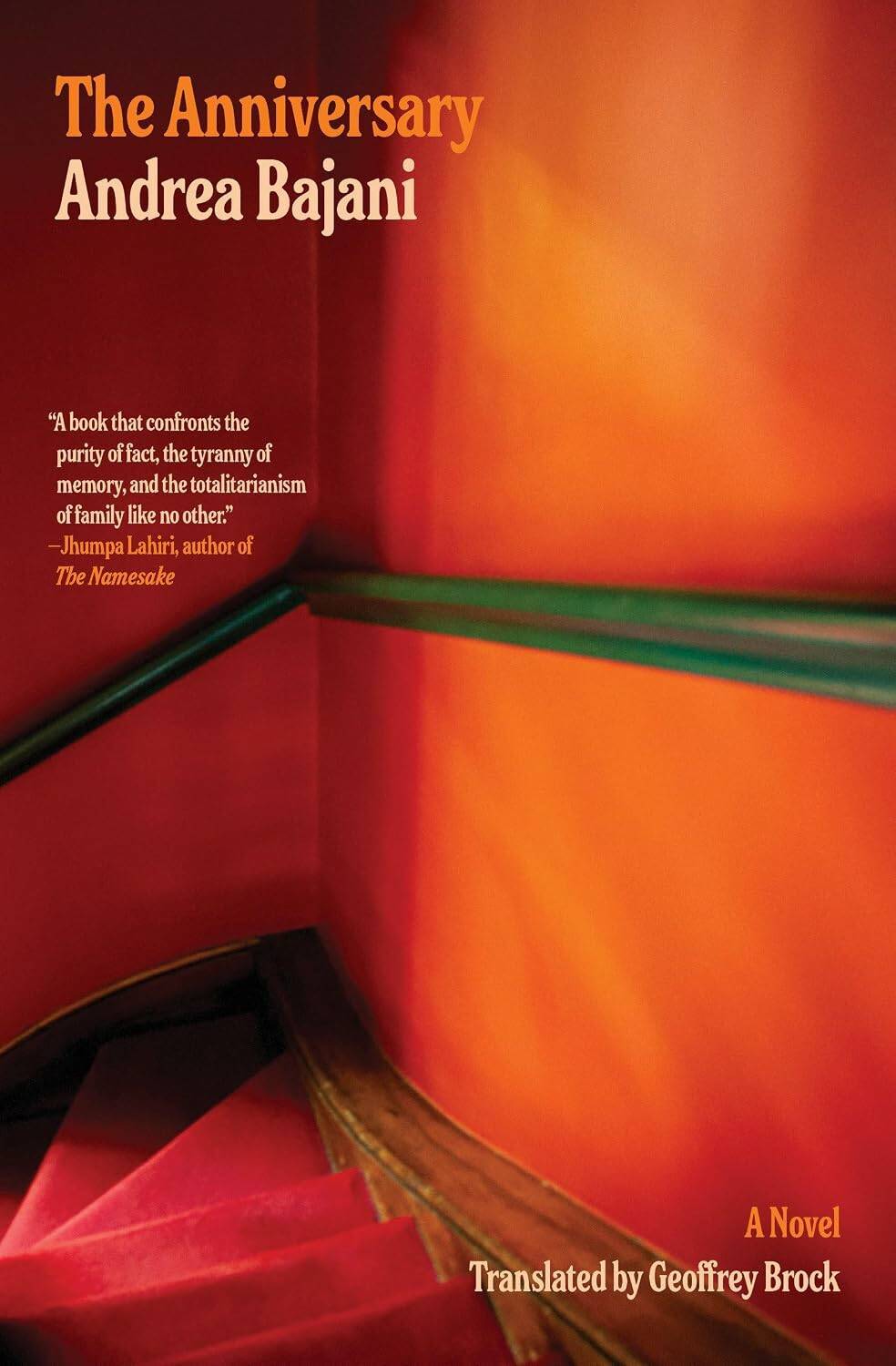
Italian author Andrea Bajani explores themes of trauma, erasure, control and family. He is the current international writer-in-residence at Rice University. The Anniversary is his fourth novel.
A poet as well as a novelist, Bajani’s gift with words shows in his sparse but striking prose, which comes across even in translation.
The novel opens in present-day Italy. Our narrator, now 51 years old, finally feels able to share his story.
He begins with his mother, a woman whose “place in the world seemed too insignificant to merit an audience.”
His mother submits weekly to her husband’s domination, giving birth to two children and then following her husband’s orders to relocate the family from Rome to a small provincial town.
Isolated, with no money of her own and completely molded to her husband’s will, the mother’s existence centres around caring for her household and children. “(M)y mother did not possess a body, or rather not an autonomous one,” the narrator notes. “Even her body only existed as an impression of my father.”
The children watch their father insult their mother (sneering at books she likes to read, for example) while they struggle to meet his high expectations.
Bajani muses on the mother’s psychological state and daily activities, her few brief moments of rebellion and finally her total capitulation to the father’s will.
Readers may be reminded of Nigerian author Chimamanda Ngozi Adichie’s 2003 debut novel Purple Hibiscus, which features an abusive father similarly obsessed with control and obedience.
Much of the story is sensed rather than read.
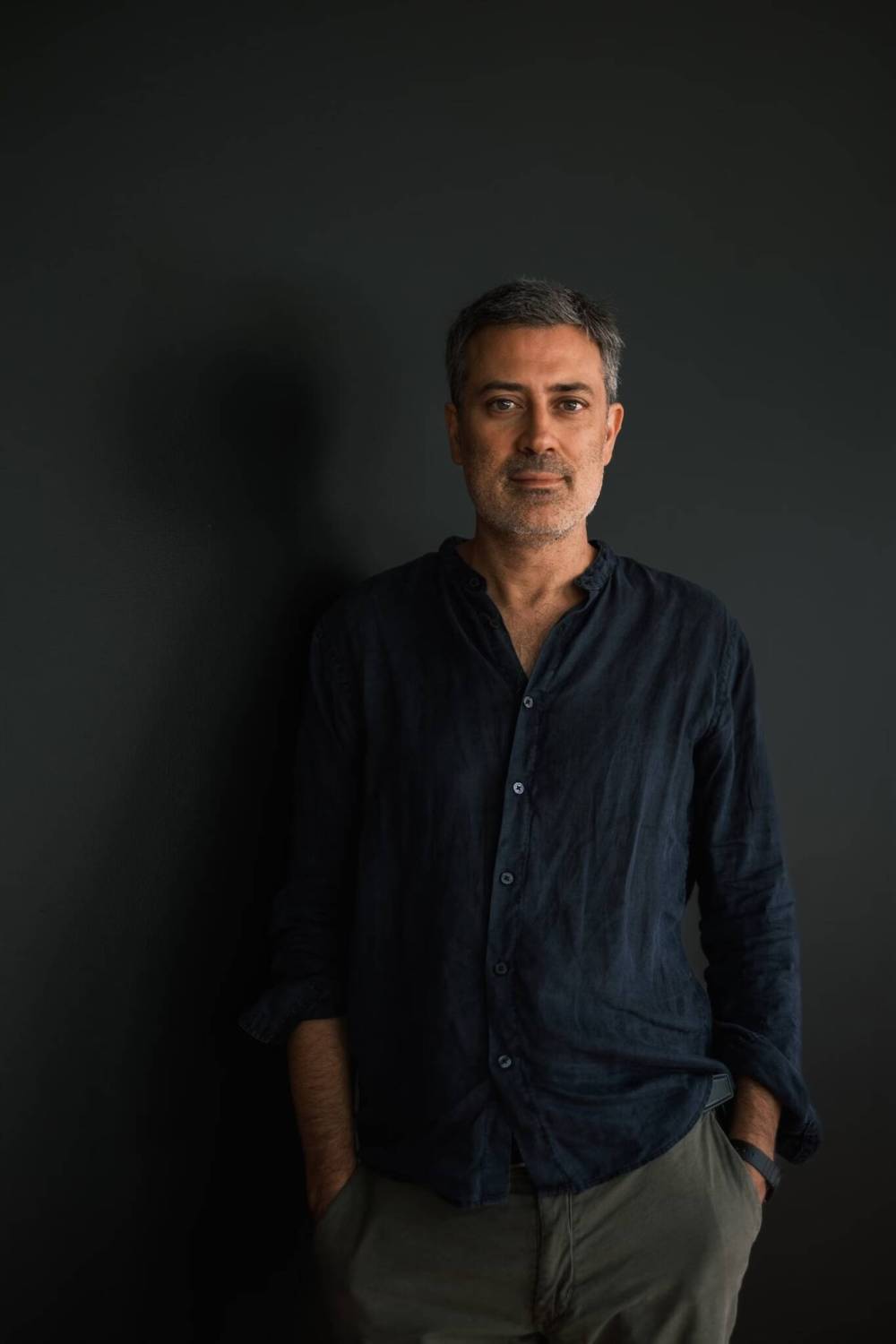
Adolfo Frediani photo
The characters in Andrea Bajani’s novella aren’t named, a decision that gives the book an intimate feeling.
Bajani gives his characters no names and limited physical descriptions — a brave tactic that gives the story an intimate feeling, as though readers are welcomed straight into the author’s memories.

The novel is oddly plotless, meandering between the son’s recollections of his childhood and his struggles to understand his mother’s psyche.
Bajani provides minimal violent details and few words of cruelty, allowing readers to focus instead of how the narrator, his sister and mother were impacted.
Perhaps the most painful part of the story is the son’s unacknowledged anger towards his mother — seeing her as ultimately unable or unwilling to protect her children from their father’s abuse.
However, Bajani provides shreds of hope in the narrative that are necessary in such a dark story.
Kathryne Cardwell is a writer in Treaty One territory.