Existential extinctions
Naturalist offers personal reflections on the finite nature of life
Advertisement
Read this article for free:
or
Already have an account? Log in here »
To continue reading, please subscribe:

Digital Subscription
One year of digital access for only $205*
- Enjoy unlimited reading on winnipegfreepress.com
- Read the E-Edition, our digital replica newspaper
- Access News Break, our award-winning app
- Play interactive puzzles
*First annual payment billed as $205.00 + GST for one year. This annual subscription will automatically renew at $233.00 + GST every 52 weeks (10% off the regular annual price of $259.35). Offer available to new and qualified returning subscribers only. Cancel any time.
To continue reading, please subscribe:
Add Free Press access to your Brandon Sun subscription for only an additional
$1 for the first 4 weeks*
- Enjoy unlimited reading on winnipegfreepress.com
- Read the E-Edition, our digital replica newspaper
- Access News Break, our award-winning app
- Play interactive puzzles
*Your next Brandon Sun subscription payment will increase by $1.00 and you will be charged $17.95 plus GST for four weeks. After four weeks, your payment will increase to $24.95 plus GST every four weeks.
Read unlimited articles for free today:
or
Already have an account? Log in here »
Canadian poet and naturalist Neil Griffin has written a historic and personal globe-spanning account of massive extinctions over centuries, caused by weather disruptions and by mankind. It’s a detailed, well-written account, sometimes with a touch of humour, but predominantly a frightening and depressing look at the losses and consequences.
Griffin opens by describing artifacts on his desk, “a pocket gallery of past and present ruin” — memento mori collected during his former life as a wildlife biologist and “cold reminders of what was and will not be again.”
The author combines geological and natural history with observations of his own, made during travels to destinations such as Canada’s boreal wetlands, the jungles of Belize, Kenya’s savannahs and the mountains of Rwanda — all places where he encountered endangered species.
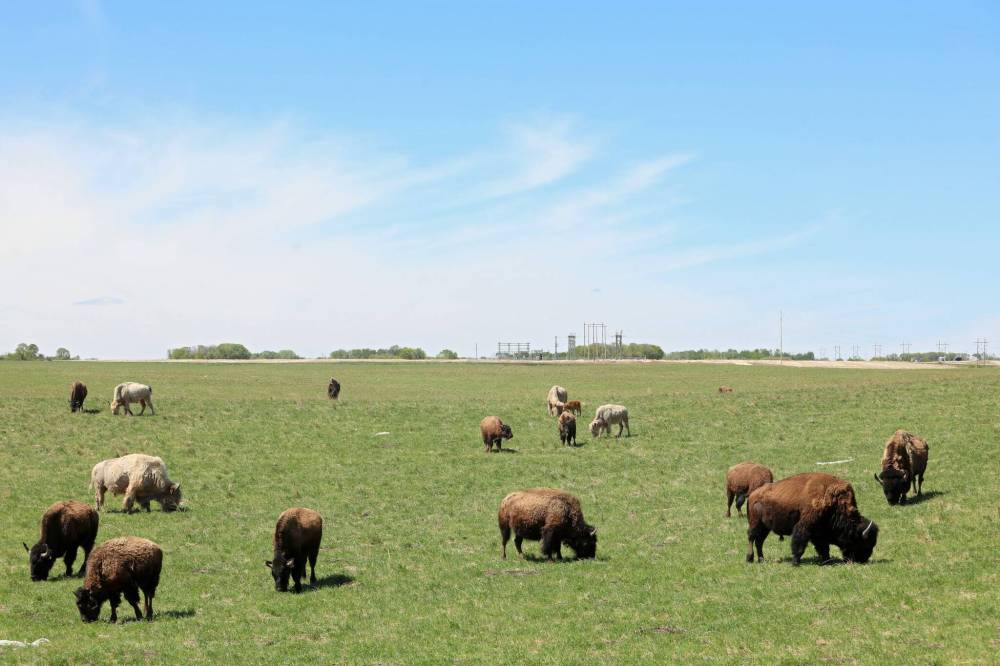
Tim Smith / Brandon Sun files
The decimation of the buffalo is a prime example of human wantonness, as explained in Neil Griffin’s Endings: Encounters with Extinction.
Griffin takes readers through Earth’s five mass extinction events caused by upsets in the carbon capture cycle, planetary wobbles causing climate change, volcanic eruptions, meteors and how the “bad behaviour of Earth’s inhabitants” impact so many species. More than 99 per cent of Earth’s total plant, animal and fungal life is now extinct, and human beings will also be extinct someday, he writes, recognizing that extinction is a natural phenomenon, but that current extinction rates far exceed the norm.
“Contemporary knowledge of the world is a fraction of a fraction of a whisper of understanding,” Griggin laments, adding that the science of extinction is younger than the invention of the bicycle.
He states early in Endings that the book is not journalism, but it is contemporary; it’s not a scientific work, although it draws on scientific research, but rather a story of extinction and his encounters with it. While it may not satisfy someone who has immersed themselves in the science or follows the daily news about extinction, Endings is an informative, well-written overview of the situation by someone who feels deeply about the loss of life and habitat and who can combine science, history and personal observations in a package that will inform readers and perhaps encourage them to learn more.
Griffin uses the decimation of buffalo herds as a prime example of human wantonness encouraged by governments of the day, an example close to home to Canadians and all North Americans. Everyone from Edmonton to Corpus Christi, Texas should know the sight, sound and smell of the seasonal migration of a massive buffalo herd, he writes, instead of maybe seeing one in a zoo or small protected ranch. The pretense of their survival in captivity is couched in the language of conservation, which really means: “We came, we saw, we conquered.”
When he reaches his last chapter, Griffin declares he can’t write about hope, offers no instruction manual, no prescription and only limited practical advice about how to deal with the endless scourge of extinction. He does, however, urge “presence and careful interaction with the non-human world” while acknowledging that spending more time with nature won’t stop civilizational collapse, but that “large practices grow from small beginnings.”
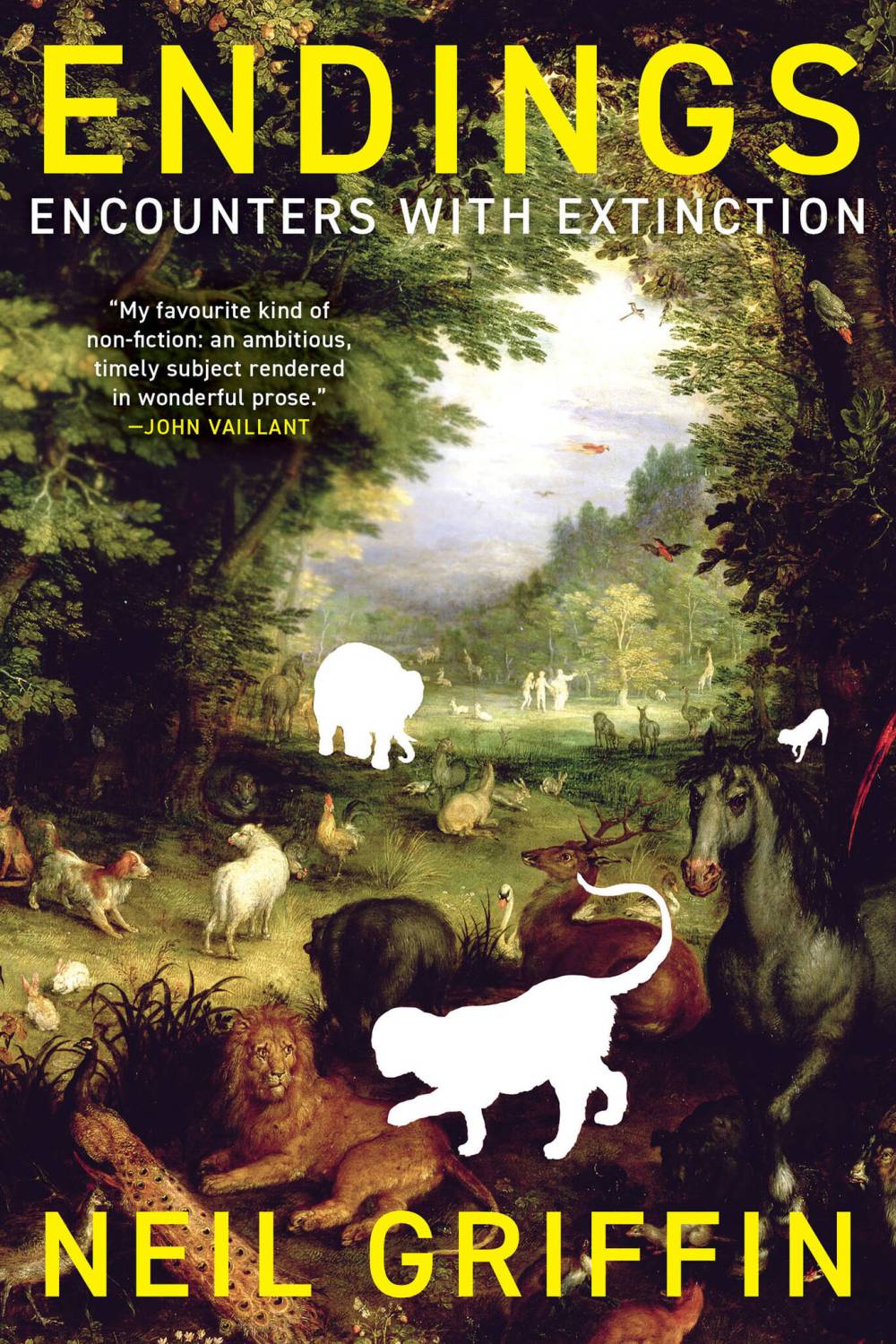
Endings
That said, as an observer and chronicler of the wanton slaughter of so many species, often spawned by colonial nations for profit, Griffin is left with this: “I don’t know how to live, really, as a settler in this legacy of violence and extinction.”
Chris Smith is a Winnipeg writer.
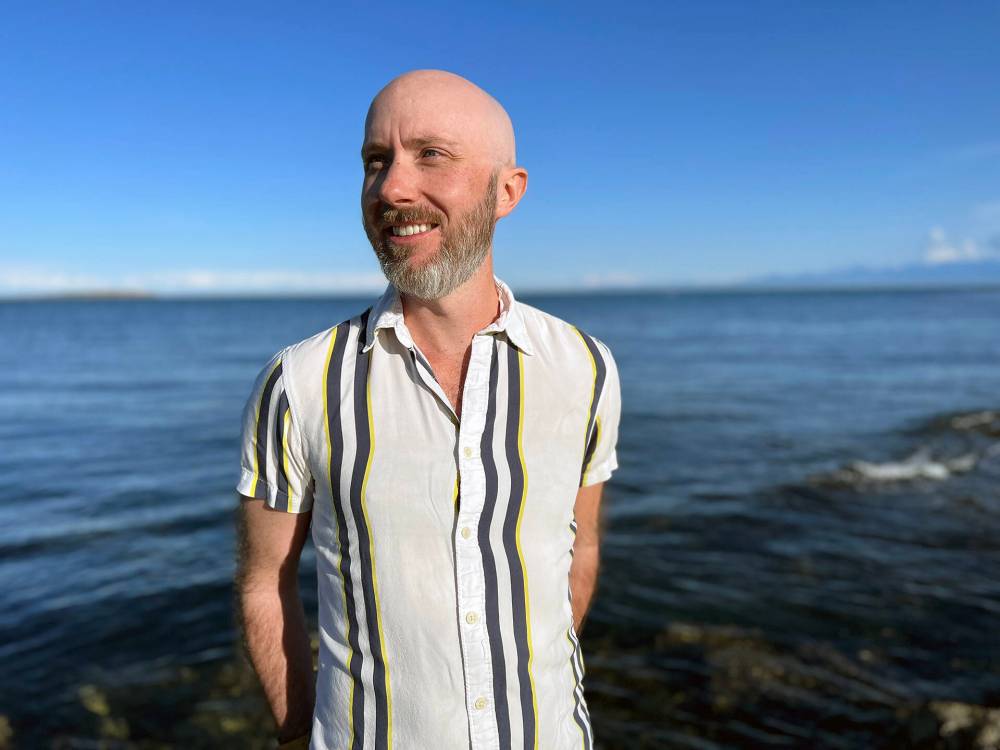
John Threlfall photo
Neil Griffin