Pernicious prose
Aspiring author gets tangled in a suspicious scheme with dazzling duo
Advertisement
Read this article for free:
or
Already have an account? Log in here »
To continue reading, please subscribe:

Digital Subscription
One year of digital access for only $205*
- Enjoy unlimited reading on winnipegfreepress.com
- Read the E-Edition, our digital replica newspaper
- Access News Break, our award-winning app
- Play interactive puzzles
*First annual payment billed as $205.00 + GST for one year. This annual subscription will automatically renew at $233.00 + GST every 52 weeks (10% off the regular annual price of $259.35). Offer available to new and qualified returning subscribers only. Cancel any time.
To continue reading, please subscribe:
Add Free Press access to your Brandon Sun subscription for only an additional
$1 for the first 4 weeks*
- Enjoy unlimited reading on winnipegfreepress.com
- Read the E-Edition, our digital replica newspaper
- Access News Break, our award-winning app
- Play interactive puzzles
*Your next Brandon Sun subscription payment will increase by $1.00 and you will be charged $17.95 plus GST for four weeks. After four weeks, your payment will increase to $24.95 plus GST every four weeks.
Read unlimited articles for free today:
or
Already have an account? Log in here »
Would you rather be a famous author and a recognizable name with cultural pull, or to have written stories that capture readers that become part of the cultural moment, but that no one knows were written by you? This is the conflict at the heart of The Rayburn Affair, the latest from novelist and Toronto Metropolitan University professor Laurie Petrou (Stargazer, Sister of Mine).
The novel follows Ruth Morgan, an assistant professor in the English department at the prestigious East Toronto University. She struggles with the workload and expectations needed to thrive in academia, floundering under the pressure as her last chance to be granted tenure, and keep her job, approaches.
To try and make herself more attractive to university higher-ups, Ruth fashions herself as an expert on artificial intelligence (AI) and its potential to change storytelling. She is also struggling to be a writer, tinkering away at a collection of short stories no one seems interested in publishing.

Pam West Photography
There are interesting ideas at play in Laurie Petrou’s new novel, particularly around the politics of authorship and how brutal a career in academia can be.
Just when things look most dire for Ruth’s situation, she attends a faculty party where she meets the university’s power couple: a fellow professor and bad boy artist in the media department, Oscar Frost, and his literary powerhouse wife Shelby Rayburn, who happens to be Ruth’s favourite author. The pair take an instant liking to Ruth, and the three become extremely close at a speed that’s too good to be true.
Shelby offers to look at Ruth’s stories, and after declaring she loves them, Shelby pitches an odd scheme — publishing Ruth’s stories under Shelby’s name. Everyone has been clamouring for the next Shelby Rayburn book but she’s been in a funk, and Ruth has promise but is unlikely to get far without contacts in publishing. After publishing the stories under Shelby’s name, where they will of course receive tremendous praise and attention because of her literary brand, she will reveal Ruth is the true author of the stories, which will skewer the celebrity culture which has overtaken the literary industry and give Ruth a leg up in her career.
Despite apprehensions, Ruth agrees to the scheme and Shelby begins publishing the stories one at a time online, sometimes with rewrites Ruth doesn’t know about. They do indeed garner huge attention. As the popularity of the stories grows, Shelby becomes evasive about when and how the pair will reveal Ruth is really the author, which drives Ruth to become jealous.
There are interesting ideas at play in this novel, particularly when it comes to the politics of authorship. Is the attention the stories receive because they are truly excellent, or will people just decide to love something because of the author’s name?
Despite this intriguing core, the novel spends little time on this theme, or on any of the themes or elements. While there’s nothing wrong with short novels, the brevity of The Rayburn Affair may work against it.
While the novel tells readers that Ruth centres her research on AI and teaches whole courses on it, there are no details or discussions beyond the brief mention that Ruth has tried playing with different prompts to see what changes emerge. This is hardly a meaningful engagement with concepts surrounding AI and storytelling.
The novel does effectively convey how brutal a career in academia can be, and how administrations will become obsessed with newfangled topics like AI and try to force them into every department — even when there simply isn’t enough for any meaningful engagement. Unfortunately, the novel itself seems to have fallen prey to that same impulse, shoehorning in AI because it’s a buzzy topic, even though the narrative doesn’t actually engage with it.
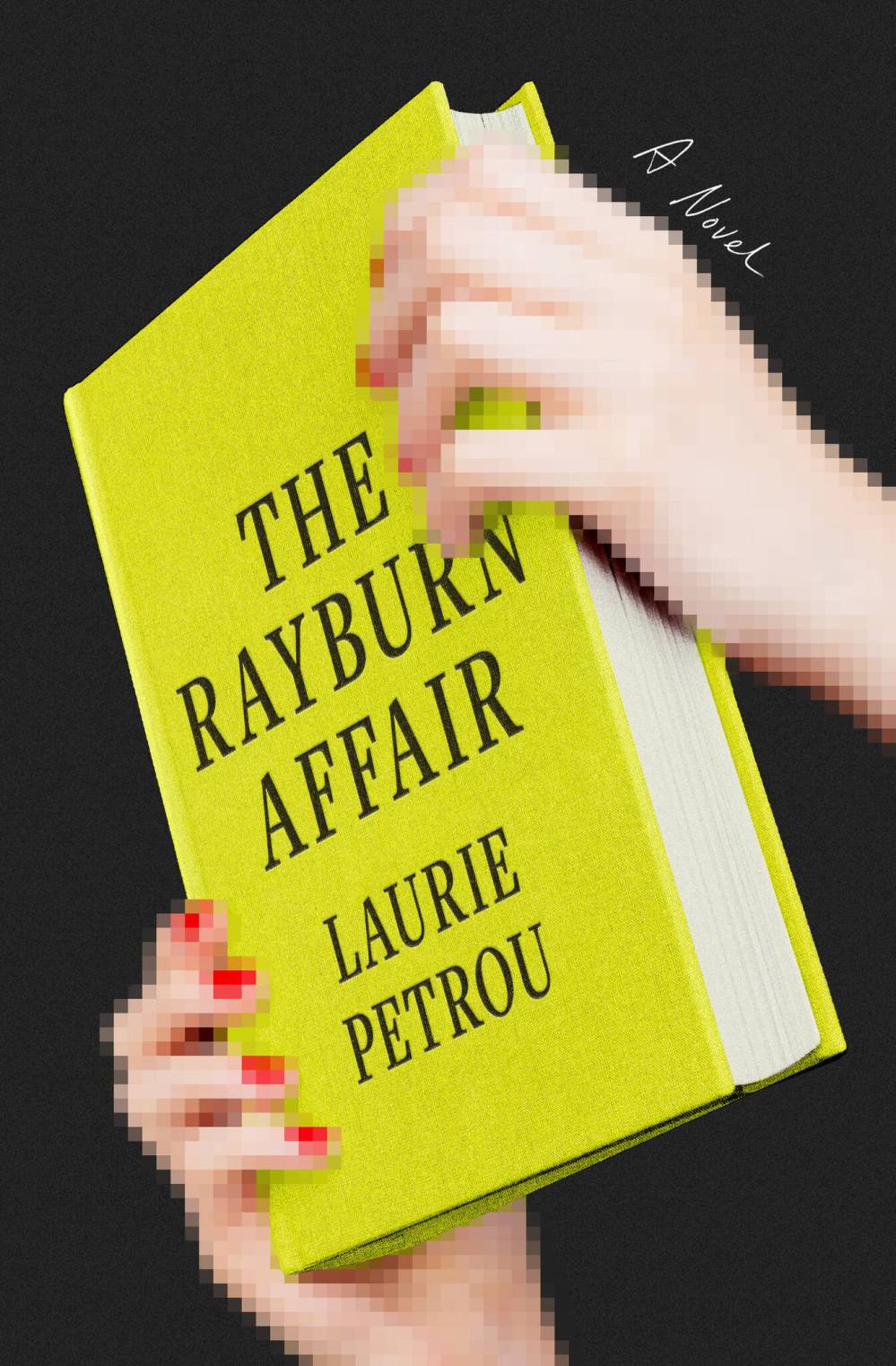
The Rayburn Affair
The novel is at its best when it explores the complicated dynamic between Ruth, Shelby and Oscar. There is simmering sexual tension when the group first falls into their friendship, and the will-they-won’t-they between the three creates the novel’s strongest pull. But this ultimately falls apart as well, in large part because Shelby’s motivations for the scheme involving Ruth’s stories don’t ring true. The scheme itself simply doesn’t make sense, nor do Shelby’s actions in rewriting the stories and keeping Ruth in the dark about plans, if Shelby’s only motivation is to boost Ruth’s career. And the way Shelby eventually turns Ruth’s lack of faith into a punishment doesn’t feel earned.
There’s an interesting core at the heart of this story led astray by an attempt to cram AI into it. And while the questions about authorship are worth exploring, the characters’ odd motivations and actions get in the way of doing so effectively.
Keith Cadieux is a Winnipeg writer and editor. His latest story collection, Donner Parties and Other Anti-Social Gatherings, is out now from At Bay Press. He also co-edited the horror anthology What Draws Us Near, published by Little Ghosts Books.