In Conversation: Canisia Lubrin
Advertisement
Read this article for free:
or
Already have an account? Log in here »
To continue reading, please subscribe:

Digital Subscription
One year of digital access for only $205*
- Enjoy unlimited reading on winnipegfreepress.com
- Read the E-Edition, our digital replica newspaper
- Access News Break, our award-winning app
- Play interactive puzzles
*First annual payment billed as $205.00 + GST for one year. This annual subscription will automatically renew at $233.00 + GST every 52 weeks (10% off the regular annual price of $259.35). Offer available to new and qualified returning subscribers only. Cancel any time.
To continue reading, please subscribe:
Add Free Press access to your Brandon Sun subscription for only an additional
$1 for the first 4 weeks*
- Enjoy unlimited reading on winnipegfreepress.com
- Read the E-Edition, our digital replica newspaper
- Access News Break, our award-winning app
- Play interactive puzzles
*Your next Brandon Sun subscription payment will increase by $1.00 and you will be charged $17.95 plus GST for four weeks. After four weeks, your payment will increase to $24.95 plus GST every four weeks.
Read unlimited articles for free today:
or
Already have an account? Log in here »
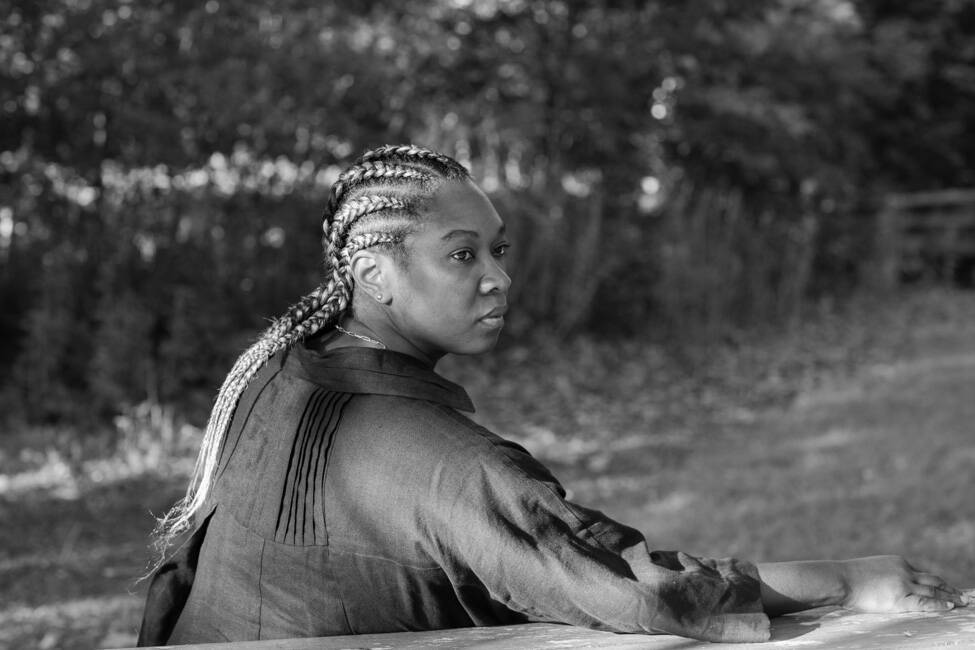
Canisia Lubrin, born in St. Lucia and based in Whitby, Ont., is the author of five award-winning books, poetry and fiction.
Her honours include the OCM Bocas Prize for Caribbean Literature, the Griffin Poetry Prize, the Derek Walcott Prize and the Danuta Gleed Literary Award, in addition to the Carol Shields Prize for Fiction. She has been twice a finalist for the Governor General’s Literary Award and Ontario’s Trillium Book Prize.
Lubrin will be bringing her fourth collection of poetry, Bright Machine, to McNally Robinson’s Grant Park location on Wednesday. The event will be hosted by Winnipeg poet Chimwemwe Undi, who is currently Canada’s Parliamentary Poet Laureate.
SUPPLIED
Canisia Lubrin is the author of five award-winning books.
Free Press: What are your goals for this collection?
Canisia Lubrin: I don’t know what it means to attach goals to any of my books, save the matter of language put always, foremost, to some clarifying, additive work in the face of history, its distortions and the sometimes invisible ways that it impresses on the present. My commitment is to the work of words against the violences of the species and the mysteries of the cosmos. I reject hierarchy of all kinds, but especially the wounding ones we construct and present as naturalistic. These are the substances that obsess me as an artist and thinker.
FP: You’ve published a book every year since 2024: Code Noir, The World After Rain and now Bright Machine. How do you keep up that pace, while also editing poetry for publisher McClelland & Stewart and co-ordinating the creative writing MFA at the University of Guelph?
CL: The practice and discipline it takes for a work to become itself could be akin to evolution forming the bedrock of living things until they take their new form. What you’ve witnessed in the last few years from your vantage point is the compact result of 23 years of writing from mine. Of course, not everything a writer takes to ink will be worth publishing. So, I’m lucky to be able to teach, to edit and to write. Each of the three is a different facet of the same commitment that I conduct.
FP: This book is dedicated “Toward a world without war.” Tell me about the gesture, given the time and place in which we find ourselves now.
CL: I have some trust in poetry as a lightning rod, life raft and without comfort, a sorrow blanket, though none of this lessens the entire ecosystem of ruin, profit and neglect that continues to evolve the global war industry.
I wrote the book in an attempt to manage the utter despair that pierced me during the years where major armed conflicts ignited in Sudan, Ukraine, Palestine, Congo, Venezuela and Iran.
I am concerned for the ecological toll of these brutalities, the lives impacted by investments in destruction. The interruptions, the humiliations, the greed and, importantly, all of the bright ways we find to refuse their debasements, even when our actions fail to stop their machinery. To search what is not yet named, what is not yet decided in the systems that thrive on ruin became the core of this poetry’s assertions and imagination.
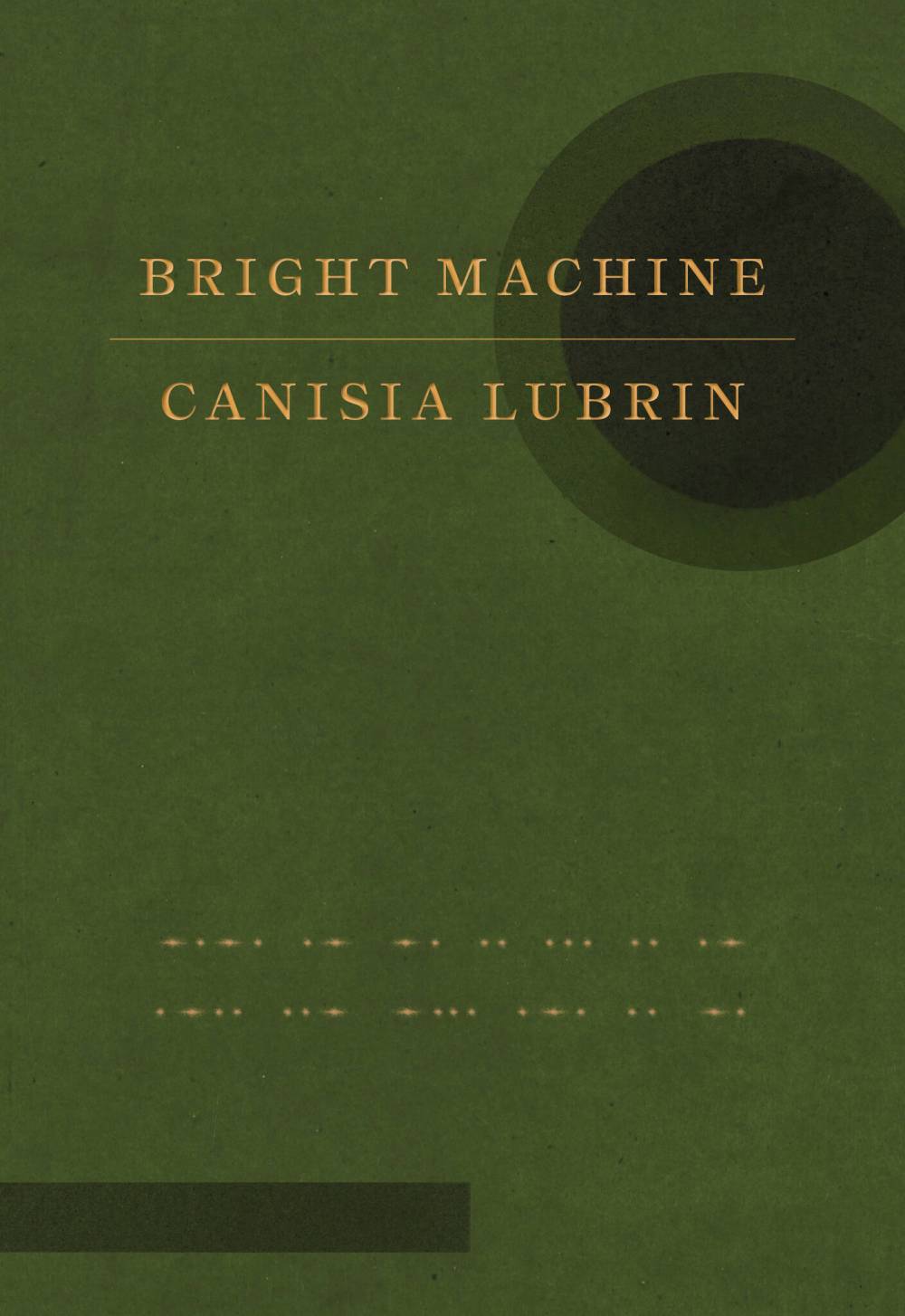
The small gesture that Bright Machine makes is against the fiction of social and psychic silos that accompany this historical moment. Tragedies confirmed by moral incoherence always deface grief not sanctioned by a high office. It is important to say this grief belongs to all of us, to say no to war in the ways that we know and can manage.
FP: Have you been to Winnipeg before? What have you heard?
CL: I have been to Winnipeg a number of times. When I was preparing to visit for the first time almost eight years ago, it was winter and all I heard from people was how the cold would split my bones. I survived without any bone splinters, I should add. In fact, something about that February air felt so pure and healing, I won’t ever forget it, even though I am as tropical a person as you’ll meet.
Ariel Gordon is a Winnipeg writer.