Journalist compelled to offer help in Haiti
Advertisement
Read this article for free:
or
Already have an account? Log in here »
To continue reading, please subscribe:

Digital Subscription
One year of digital access for only $205*
- Enjoy unlimited reading on winnipegfreepress.com
- Read the E-Edition, our digital replica newspaper
- Access News Break, our award-winning app
- Play interactive puzzles
*First annual payment billed as $205.00 + GST for one year. This annual subscription will automatically renew at $233.00 + GST every 52 weeks (10% off the regular annual price of $259.35). Offer available to new and qualified returning subscribers only. Cancel any time.
To continue reading, please subscribe:
Add Free Press access to your Brandon Sun subscription for only an additional
$1 for the first 4 weeks*
- Enjoy unlimited reading on winnipegfreepress.com
- Read the E-Edition, our digital replica newspaper
- Access News Break, our award-winning app
- Play interactive puzzles
*Your next Brandon Sun subscription payment will increase by $1.00 and you will be charged $17.95 plus GST for four weeks. After four weeks, your payment will increase to $24.95 plus GST every four weeks.
Read unlimited articles for free today:
or
Already have an account? Log in here »
Hey there, time traveller!
This article was published 23/03/2019 (2744 days ago), so information in it may no longer be current.
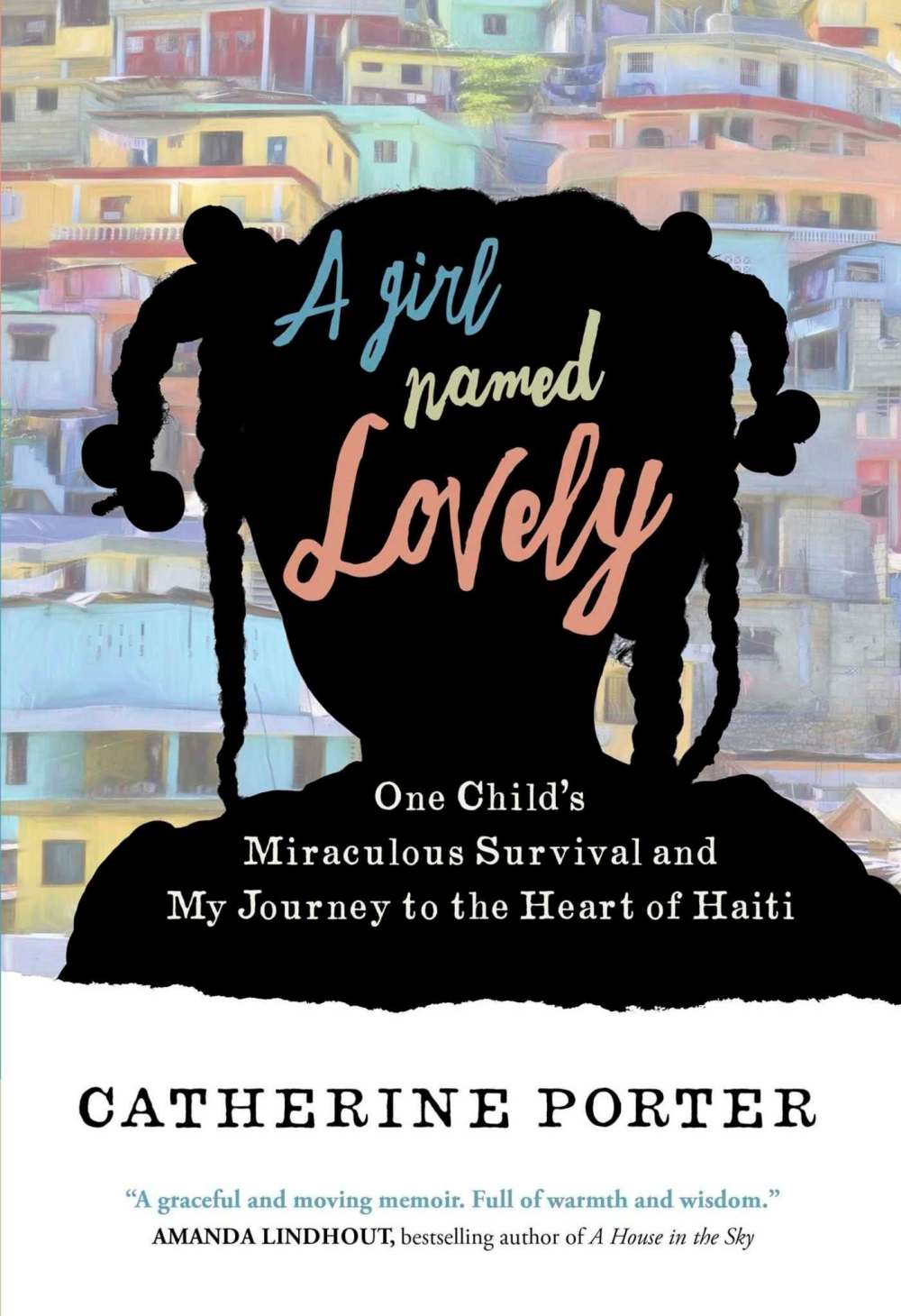
Catherine Porter’s compassionate, unsentimental account of a growing friendship between a hard-nosed Canadian reporter (now the Canada bureau chief for the New York Times, based in Toronto) and a family who lost almost everything in Haiti’s 2010 earthquake began as a series of newspaper articles.
So much more than strung-together set pieces, Porter’s memoir, A Girl Named Lovely, allows North American readers insight into individuals whose poverty is as incomprehensible as their love for each other, while also perceptively describing the quagmire that people trying to help in Haiti often find themselves in — and even create.
The goudougoudou (a word coined by Haitians to describe this quake in particular) pulverized thousands of buildings, killing and maiming on a massive scale.
In a country where the mere ability to eat every day put you in the middle class, the ensuing chaos meant life for the poorest inhabitants became even more precarious.
Porter was a columnist for the Toronto Star and already a National Newspaper Award winner when her editor asked her to cover the disaster, less than two weeks into the aid effort. She set out with firm journalistic principles, convinced that she could help most by telling the stories of those affected by the quake and not becoming personally involved.
Those journalistic principles came under severe fire, however, when Porter heard of a “miracle child” — a two-year-old girl found not only alive but without a scratch, after six days under the rubble. Doctors found she’d been malnourished for a long time, making her physical survival even more of a wonder. Everyone assumed her parents were dead.

Traumatized, the girl cried for days, barely spoke and curled up in a fetal position until a retired nurse took to holding her all hours of the day and night; once her sense of playfulness returned, they knew she’d made it through.
On a subsequent trip, Porter heard that the girl was named Lovely, and that she had been reunited with her parents. Meeting the girl and her extended family, almost all illiterate and barely surviving, Porter found herself compelled to help forge some kind of future for them, paying school tuition for the children, providing start-up cash for Lovely’s mother’s business and enrolling her readers back home in a project to fund a school. It was the beginning of a long and bumpy road together.
Porter’s style in A Girl Named Lovely is more straightforward than literary journalism from writers such as Kamal Al-Solaylee (Intolerable) or Nahlah Ayed (A Thousand Farewells), but she has a gift for letting the people she meets tell their own stories in their own words, moving us to feel real joy and real dismay with Lovely’s family, and awe at the simple caring so evident in so many.
This book is also a wake-up call for those of us lucky enough to live in Canada.
Ursula Fuchs is a Winnipeg registered nurse.