Book Review: ‘President Garfield’ chronicles short presidency that cast long shadow
Advertisement
Read this article for free:
or
Already have an account? Log in here »
To continue reading, please subscribe:

Digital Subscription
One year of digital access for only $205*
- Enjoy unlimited reading on winnipegfreepress.com
- Read the E-Edition, our digital replica newspaper
- Access News Break, our award-winning app
- Play interactive puzzles
*First annual payment billed as $205.00 + GST for one year. This annual subscription will automatically renew at $233.00 + GST every 52 weeks (10% off the regular annual price of $259.35). Offer available to new and qualified returning subscribers only. Cancel any time.
To continue reading, please subscribe:
Add Free Press access to your Brandon Sun subscription for only an additional
$1 for the first 4 weeks*
- Enjoy unlimited reading on winnipegfreepress.com
- Read the E-Edition, our digital replica newspaper
- Access News Break, our award-winning app
- Play interactive puzzles
*Your next Brandon Sun subscription payment will increase by $1.00 and you will be charged $17.95 plus GST for four weeks. After four weeks, your payment will increase to $24.95 plus GST every four weeks.
Read unlimited articles for free today:
or
Already have an account? Log in here »
Hey there, time traveller!
This article was published 03/07/2023 (1188 days ago), so information in it may no longer be current.
Writing a book about James Garfield is no easy task. The 20th president who served the second shortest amount of time in the White House is popularly known more for his assassination than what he did in office.
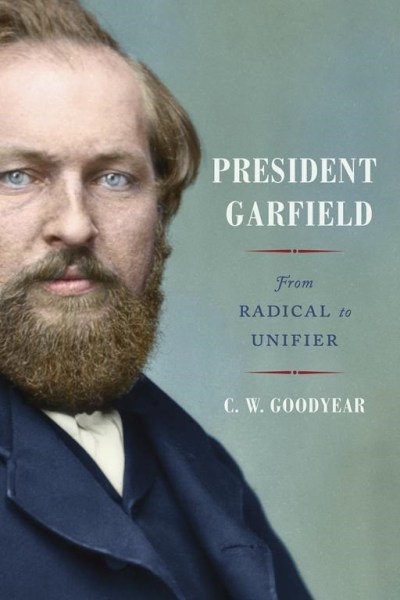
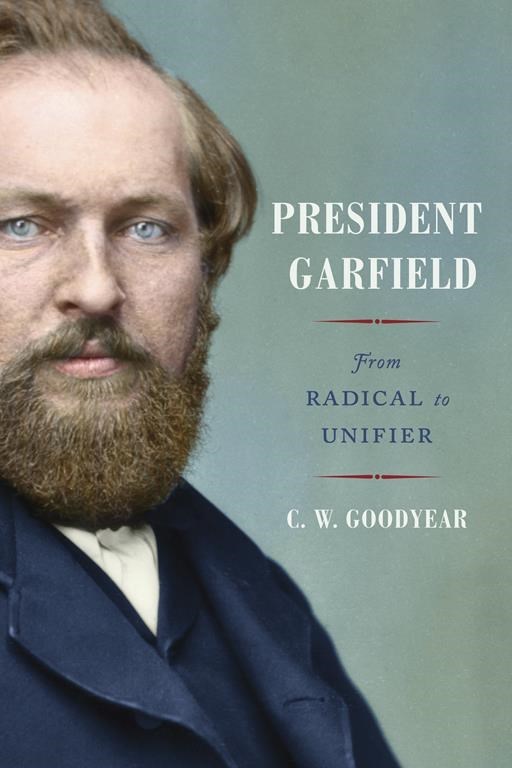
But in “President Garfield: From Radical to Unifier,” C.W. Goodyear admirably remedies that with a book that demonstrates the long shadow Garfield’s life and legacy has left our country.
The authoritative biography chronicles the life of a man who, in many ways, was one of the most well-spoken and intellectual men to hold the title of commander-in-chief. Underscoring that, every chapter opens with a different quote from Shakespeare that Garfield jotted down in his diary.
But Goodyear makes the case that Garfield’s strength didn’t come from showmanship or his speeches — though some of them resonate just as much as Abraham Lincoln’s.
With much of the book understandably focusing on Garfield’s time in Congress, Goodyear portrays him as someone who “embraced undramatic efficiency in the driest fields of lawmaking imaginable” in a town that attracts its fair share of show horses.
That approach was key in his role in Congress on Reconstruction and his advocacy for education, including as the father of the first Department of Education. The former college president was also a strong advocate for universal education as a solution to racial injustice.

Garfield’s short time in the White House still is given the attention it deserves, and that includes the story of his assassination. Though it takes up a briefer section of the biography, Goodyear describes in chilling detail the president’s killing as well as the horror show of medical blunders that contributed to his death.
With his engaging writing and comprehensive research, Goodyear’s biography offers a reassessment of Garfield that’s a welcome introduction to the statesman.