Rising prices, shrinking libraries: How streaming TV is shaking down in Canada
Advertisement
Read this article for free:
or
Already have an account? Log in here »
To continue reading, please subscribe:

Digital Subscription
One year of digital access for only $205*
- Enjoy unlimited reading on winnipegfreepress.com
- Read the E-Edition, our digital replica newspaper
- Access News Break, our award-winning app
- Play interactive puzzles
*First annual payment billed as $205.00 + GST for one year. This annual subscription will automatically renew at $233.00 + GST every 52 weeks (10% off the regular annual price of $259.35). Offer available to new and qualified returning subscribers only. Cancel any time.
To continue reading, please subscribe:
Add Free Press access to your Brandon Sun subscription for only an additional
$1 for the first 4 weeks*
- Enjoy unlimited reading on winnipegfreepress.com
- Read the E-Edition, our digital replica newspaper
- Access News Break, our award-winning app
- Play interactive puzzles
*Your next Brandon Sun subscription payment will increase by $1.00 and you will be charged $17.95 plus GST for four weeks. After four weeks, your payment will increase to $24.95 plus GST every four weeks.
Read unlimited articles for free today:
or
Already have an account? Log in here »
Hey there, time traveller!
This article was published 23/12/2023 (1006 days ago), so information in it may no longer be current.
TORONTO – Streaming television forever changed how Canadians watch their favourite shows, offering a seemingly bottomless library of commercial-free programming for a dirt-cheap price.
Now, the overlords of entertainment have come to collect their dues.
Over the past year, subscription prices have risen at nearly every major TV streaming platform. Some companies have pushed up their monthly rates while others took a more covert approach by reworking their service packages with a price hike built in.
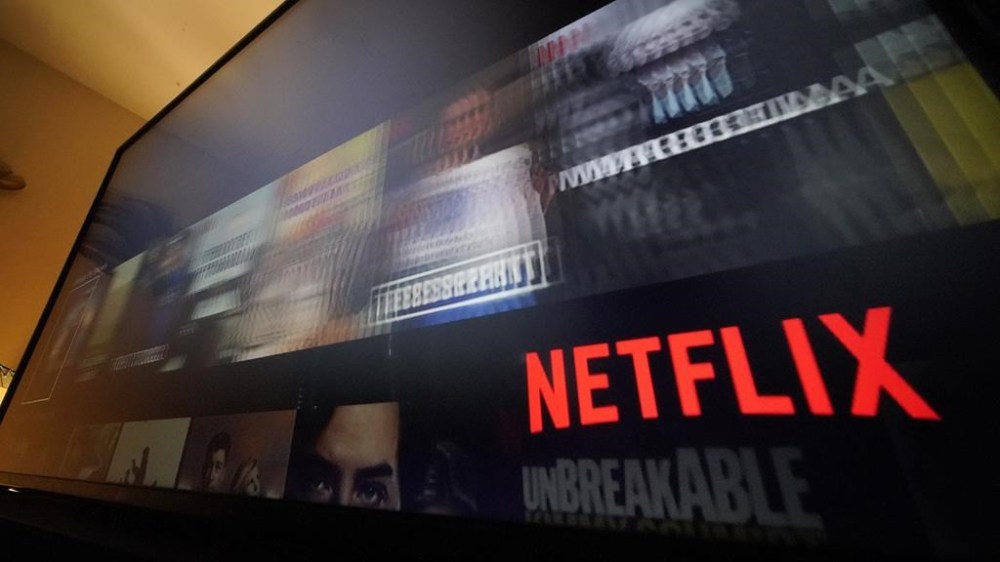
Meanwhile, the introduction of ad-supported subscription tiers at Netflix, Crave, and Disney Plus gave consumers a way to keep their budgets in check — if they were willing to sit through commercial breaks.
The world of TV is transforming again. It’s enough to frustrate any viewer who hoped the streaming revolution might lead to simplicity and cost savings, and not simply look more like their old cable bill every year.
Independent technology analyst Carmi Levy says 2023 was when the shine came off the world of streaming for average consumers.
“Fatigue (over) costs rising faster than the already high rate of inflation is starting to catch up with the hype,” suggested the London, Ont.-based industry watcher.
“Reality is starting to prevail.”
A study from Convergence Research Group, a Victoria-based consultancy firm, found that in 2022 and 2023 subscription prices rose in Canada by an average of 12 per cent per year at the 10 most popular streaming companies.
They expect that trend will continue in 2024.
RISING PRICES
While complaints about streaming costs aren’t entirely new, an increase in negative consumer reaction has swept through the industry, according to data released this month by Statista.
In mid-2022, the German research firm asked global consumers why they cancelled their TV streaming services. Twenty-eight per cent of respondents said they pay for too many services already while 25 per cent blamed the high price of a particular streaming platform.
Sentiments like these have pressured the major streaming platforms to find ways to stem the outflow of cancelling subscribers, known in the industry as “churn.”
But instead of merely lowering prices, many introduced ad-supported tiers that often cost customers less but guarantee the company a steady revenue flow from selling space for commercial breaks.
PROGRAMMING COSTS
From the industry’s perspective, there are many factors influencing high subscription prices. Put simply, the concept of giving viewers an all-you-can-watch TV format was never sustainable.
Production costs of a full slate of ambitious new TV series and movies — as well as maintaining rights for a deep library of old favourites — make it impossible for most streaming services to turn a profit while charging around the price of a single movie ticket each month.
Still, many of the streaming giants sunk billions of dollars into programming and ran their businesses at a financial loss in hopes of drawing enough subscribers to lift themselves out of the red.
The reality sunk in when Wall Street investors began second-guessing the amount of cash shovelled into TV shows and pushed for clear results. More pressure was added when Hollywood productions ground to a halt with the dual writers and actors strikes over the summer.
“There’s a clear industry-wide emphasis on profitability,” said Justin Krieger, senior technology and media analyst at consultancy firm RSM Canada.
“(Market) saturation is making it hard for companies to grow their users, therefore, they need other ways to become profitable — especially with a rise in content costs.”
SHRINKING LIBRARIES
In the quest to lower expenses in 2023, many streaming companies found one solution through wiping unsuccessful TV shows and movies from their platforms, thus saving on certain licensing and royalty fees for things few people watched.
Disney Plus erased family-oriented flops that included “Willow” and “The Mighty Ducks: Game Changers” from its service while Paramount Plus pulled the dead-on-arrival musical series “Grease: Rise of the Pink Ladies.”
At the same time, a quest for exclusivity dominated the marketplace. In Canada, streaming companies jostled for programming land grabs that gave them unshared rights to proven hit shows, in hopes they would draw subscribers from competitors.
CBC yanked “Schitt’s Creek” and “Kim’s Convenience” off Netflix and Prime Video to hold them solely on its own CBC Gem service.
And Paramount Plus launched ad campaigns boasting it was the exclusive home of “Yellowstone” and “South Park,” after reclaiming both from the arsenals of its streaming competitors. It also ended a longtime relationship with Crave as partner for Showtime programs.
AD-SUPPORTED OPTIONS
As price increases roll through the streaming industry, nearly all of the major platforms — Apple TV Plus excepted — are placing their bets on one business model they’d sworn off: selling advertising space.
Long considered a relic of the broadcast TV age, the attitude toward commercial breaks has become friendlier over the past two years.
Once, the thought of commercials on Netflix irked former co-CEO Reed Hastings so deeply that he pledged to investors it would never be part of their business. He did an about-face in late 2022 when Netflix debuted a cheaper ad tier option.
When the world’s most popular streaming platform was in the game, it was only a matter of months before Disney Plus and Crave both launched similar ad tiers. Amazon’s Prime Video and Paramount Plus plan to do the same in early 2024.
A few years ago, the thinking from many Canadians was they would never sit through ad breaks again, thanks to their Netflix subscription. But entertainment industry observers say they’ve seen a change in attitudes with a tougher economy and too many streaming options.
“Most people are going to vote with their pocketbook,” predicted Brahm Eiley, president of Convergence Research Group.
“It just makes sense that people will endure whatever advertising they have to in order to see their programming for (a cost of) 40 to 50 per cent less.”
Some streaming companies are betting customers might prefer to pay nothing at all. Pluto TV and Tubi have both positioned themselves as the alternative with expansive libraries of Hollywood titles available to watch for free with commercials.
While they mimic the broadcast TV experience, Eiley said commercial breaks on streaming platforms are significantly shorter, which makes them more tolerable. Most services play less than 10 minutes of ads per hour compared to around 20 minutes on broadcast channels.
Eiley wonders how long it might take before that changes too.
With streaming companies hoping to grab more of the ad dollars flowing from the declining broadcast TV business, it may only take a few years before streaming commercial breaks start feeling like the old model too.
Convergence Research projects the advertising market for streaming will see “tremendous revenue growth” in Canada over the coming years, hitting the level of broadcast ad revenue in 2028.
It estimates the majority of those ad revenues will be put into the coffers of non-Canadian streaming companies.
This report by The Canadian Press was first published Dec. 23, 2023.