Fact File: Clickbait pages spread false information about Tumbler Ridge survivor
Advertisement
Read this article for free:
or
Already have an account? Log in here »
To continue reading, please subscribe:

Digital Subscription
One year of digital access for only $205*
- Enjoy unlimited reading on winnipegfreepress.com
- Read the E-Edition, our digital replica newspaper
- Access News Break, our award-winning app
- Play interactive puzzles
*First annual payment billed as $205.00 + GST for one year. This annual subscription will automatically renew at $233.00 + GST every 52 weeks (10% off the regular annual price of $259.35). Offer available to new and qualified returning subscribers only. Cancel any time.
To continue reading, please subscribe:
Add Free Press access to your Brandon Sun subscription for only an additional
$1 for the first 4 weeks*
- Enjoy unlimited reading on winnipegfreepress.com
- Read the E-Edition, our digital replica newspaper
- Access News Break, our award-winning app
- Play interactive puzzles
*Your next Brandon Sun subscription payment will increase by $1.00 and you will be charged $17.95 plus GST for four weeks. After four weeks, your payment will increase to $24.95 plus GST every four weeks.
Read unlimited articles for free today:
or
Already have an account? Log in here »
VANCOUVER – Multiple Facebook pages are claiming to share updates on the condition of a girl who survived a British Columbia school shooting in February, including that she is talking or has died. The posts are false, and come from Facebook “clickbait” pages that seek to divert users to external websites for the purpose of collecting advertising revenue.
THE CLAIM
The deadly school shooting in Tumbler Ridge, B.C., on Feb. 10 brought worldwide attention to the small town, its victims and survivors — some as young as 12.
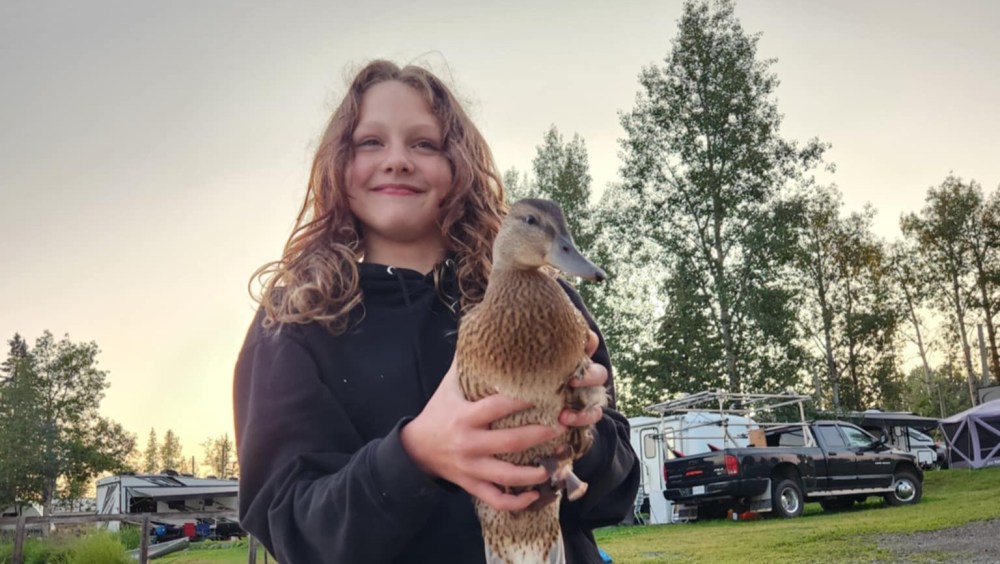
The odds-defying survival of 12-year-old Maya Gebala, who suffered a gunshot wound to the head, is capturing attention on social media, with her parents providing frequent updates on Facebook about the girl’s condition.
But some Facebook pages unaffiliated with the family have been sharing false information about her progress since the shooting.
“Maya Gebala wakes up and speaks for the first time,” claims a March 15 post from the page “Telly Chatter.”
Multiple other
posts claimed Maya had spoken her first words since her injury.
Another post from the “BritView Pulse” Facebook page claimed on March 23 that Maya had died, but the page then continued to post updates about her recovery.
THE FACTS
Maya’s parents, Cia Edmonds and David Gebala, regularly share updates about her progress on their social media pages.
In a post to Facebook and X on Tuesday, Gebala said his daughter has transferred out of intensive care and into a “recovery and rehab-focused unit.”
He said Maya seems to be in less pain and is exhibiting more energy and “colour,” adding that she was able to sit up with help and he was “finally” able to wrap his arms around her.
In February, Edmonds addressed a rumour that Maya was talking.
“She has a breathing tube in her throat, she’s completely incapable of talking,” the mother wrote. “It’s unfortunate that people are interested in making fake stories about her.” There is no indication from subsequent posts that Maya has spoken.
Many of the Facebook posts about Maya include a story link in the comments, which directs users to an external website. The websites are littered with advertisements, and the text of the “articles” appears to be AI-generated, with few details and sources of information.
Most of the Facebook pages appear to be based in Vietnam, and they bear the hallmarks of foreign “clickbait” networks that seek to drive traffic to their websites and earn ad revenue through users’ clicks.
Last spring, Facebook’s parent company Meta said it was “cracking down” on spam content by removing monetization and giving spammers’ posts less visibility on users’ feeds.
The Canadian Press previously reported on clickbait tactics on Facebook and YouTube that used spam networks and actors to promote false or misleading stories.
This report by The Canadian Press was first published April 1, 2026.