Exploring the complicated quest for truth
Profile of famed war correspondent journeys through relatable struggle for relevance
Advertisement
Read this article for free:
or
Already have an account? Log in here »
To continue reading, please subscribe:

Digital Subscription
One year of digital access for only $205*
- Enjoy unlimited reading on winnipegfreepress.com
- Read the E-Edition, our digital replica newspaper
- Access News Break, our award-winning app
- Play interactive puzzles
*First annual payment billed as $205.00 + GST for one year. This annual subscription will automatically renew at $233.00 + GST every 52 weeks (10% off the regular annual price of $259.35). Offer available to new and qualified returning subscribers only. Cancel any time.
To continue reading, please subscribe:
Add Free Press access to your Brandon Sun subscription for only an additional
$1 for the first 4 weeks*
- Enjoy unlimited reading on winnipegfreepress.com
- Read the E-Edition, our digital replica newspaper
- Access News Break, our award-winning app
- Play interactive puzzles
*Your next Brandon Sun subscription payment will increase by $1.00 and you will be charged $17.95 plus GST for four weeks. After four weeks, your payment will increase to $24.95 plus GST every four weeks.
Read unlimited articles for free today:
or
Already have an account? Log in here »
Hey there, time traveller!
This article was published 23/05/2020 (2309 days ago), so information in it may no longer be current.
What is the value of journalism in a digital world?
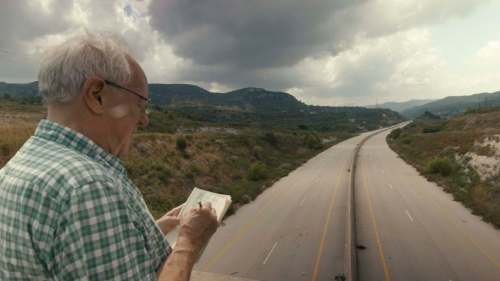
That’s one of the questions posed in This Is Not a Movie, a documentary about British journalist Robert Fisk.
Fisk began his career at The Times (the London one, not the New York one), where he worked as a war correspondent and covered major conflicts such as the Troubles in Ireland, the Lebanese Civil War and the Iran-Iraq war.
He left The Times owing to his criticism of the paper’s owner, Australian-born media mogul Rupert Murdoch, and moved to The Independent, where he covered conflict in Syria and the Middle East. He’s been based in Beirut since 1976.
In This Is Not a Movie, Canadian director Yung Chang (Up the Yangtze) weaves an engaging story about a famed journalistic career… and a relatable story about the very human desire to do impactful, meaningful work.
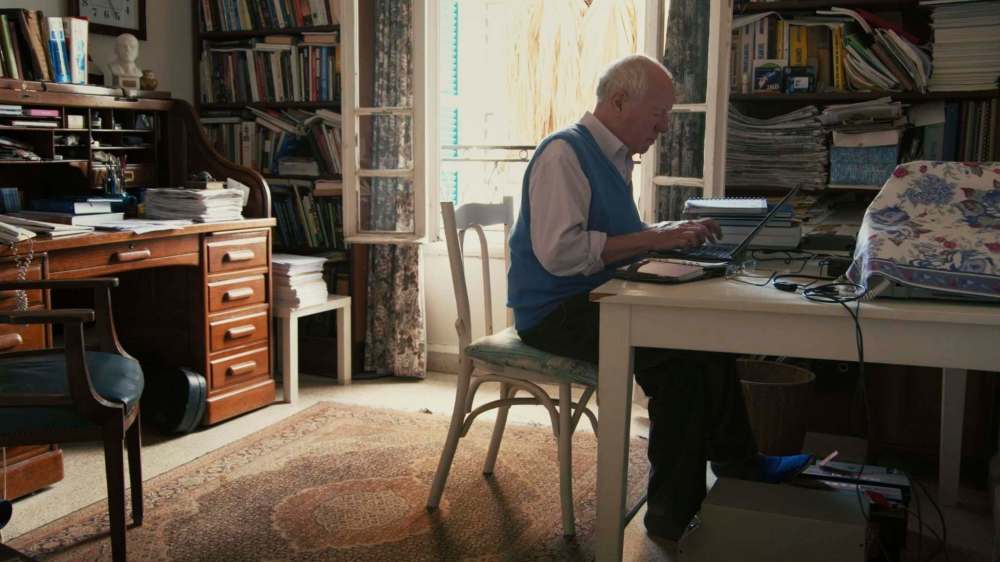
Fisk, who still reads a physical newspaper every morning, was publicly critical of the decision of The Independent to go fully digital in 2016. Whether you agree or disagree with Fisk on that subject might be a good indicator for how you’ll feel about this documentary, which is somewhat suspiciously celebratory considering it is about a man who’s known for hating oversimplified narratives in journalism.
It’s not a glamorization of Fisk or of war by any means: nobody could mistake the daily life of a war correspondent as something delightful and fun (although early 2000s Anderson Cooper and his Ralph Lauren button-down shirts tried their best).
Through his selection of footage, Chang seems to take care to present a slightly idealized concept of Fisk rather than Fisk as he truly is. The doc sometimes feels like a highlight reel, something put together by someone who clearly holds Fisk in high esteem.
But Chang smartly notes that Fisk is also a contentious figure, despised by many and beloved by just as many others.
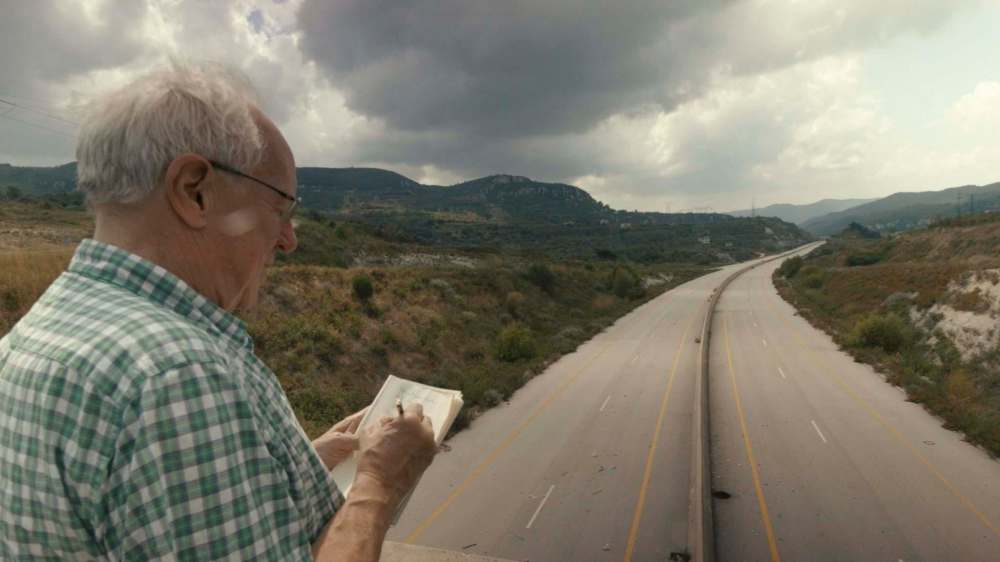
Fisk himself admits in the documentary to being a flawed reporter whose values and ethics don’t always conform to agreed-upon standards. The statement, like his career, is a frustrating one in a world that prefers black and white to grey areas.
Questionable morality aside (for those who love grey areas), one thing about Fisk is made extremely clear: no matter the cost and no matter how it’s accomplished, he is on a quest to find the truth and will do whatever it takes to get it.
“It would be nice to think that Foreign Correspondent: The Movie was the real thing, but the truth is, this is not a movie, and it’s very arrogant of any journalist to think they can change the world,” says Fisk, giving the doc its title and reiterating the complexity of covering conflict.
It also illustrates the complexity of Fisk himself, who later claims one of his fears is that his work doesn’t make a difference, a fear that feels exceptionally relatable in current times when so many of us have lost work and, connected to that, a sense of purpose.
The career of Robert Fisk, as explored by Chang, has been all about external conflict, but the director manages to illuminate the internal conflict at play within Fisk himself: a man fighting for others to be heard and understood, fighting for himself, and fighting tirelessly for a dream that may never come true.
After watching the documentary, viewers may feel galvanized by Fisk’s energy and passion, ready to keep fighting their own battles, even if it’s all for nothing.
Filmmaker Yung Chang will be answering questions on Cinematheque’s Facebook page at 3 p.m. today.
Frances.Koncan@freepress.mb.ca
Twitter: @franceskoncan