From Apocalypse Now to Passchendaele
Everything we know about war we learned from the movies
Advertisement
Read this article for free:
or
Already have an account? Log in here »
To continue reading, please subscribe:

Digital Subscription
One year of digital access for only $205*
- Enjoy unlimited reading on winnipegfreepress.com
- Read the E-Edition, our digital replica newspaper
- Access News Break, our award-winning app
- Play interactive puzzles
*First annual payment billed as $205.00 + GST for one year. This annual subscription will automatically renew at $233.00 + GST every 52 weeks (10% off the regular annual price of $259.35). Offer available to new and qualified returning subscribers only. Cancel any time.
To continue reading, please subscribe:
Add Free Press access to your Brandon Sun subscription for only an additional
$1 for the first 4 weeks*
- Enjoy unlimited reading on winnipegfreepress.com
- Read the E-Edition, our digital replica newspaper
- Access News Break, our award-winning app
- Play interactive puzzles
*Your next Brandon Sun subscription payment will increase by $1.00 and you will be charged $17.95 plus GST for four weeks. After four weeks, your payment will increase to $24.95 plus GST every four weeks.
Read unlimited articles for free today:
or
Already have an account? Log in here »
Hey there, time traveller!
This article was published 10/11/2011 (5414 days ago), so information in it may no longer be current.
Most of us have never been to war, but almost all of have seen it. We got it at the movies.
It’s a view that has changed over the years. During the Second World War, Hollywood turned out films that glorified the American fighting man — often embodied by John Wayne — as he held high the ideals of democracy and fair play while slaughtering various enemies who were asking for it. They died easily, without blood. War was tough but necessary and, finally, clean. It was how we preserved our way of life. It was how we saved the world.
Those wartime Hollywood films were part of a propaganda machine that rallied the opinion of a public to whom patriotism was an unsullied virtue. Our soldiers were heroes. Their soldiers were leering torturers, insidious rapists and misguided cowards. War was tough, but it was also glorious.
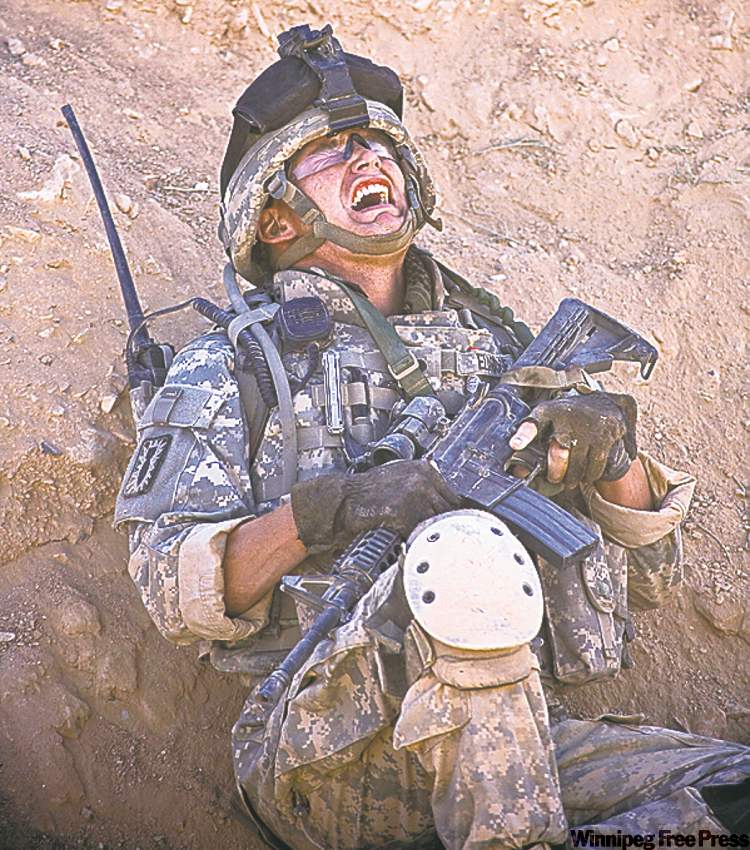
War movies don’t talk like that any more. We know too much about life in the trenches and the deserts, the day-to-day boredom, the day-to-day tension. People die messily, their wounds pumping blood. The best war movies are about a different kind of minefield, one that even John Wayne would have had trouble getting across.
Here’s what they have taught us:
1. War is fought by ordinary men.
All Quiet on the Western Front (1930), which won the Best Picture Oscar, was based on a book written by Erich Maria Remarque, a German veteran of the First World War. He presented the point of view from the other side of the lines, but it wasn’t so different. The movie follows a group of schoolboy soldiers as they are taken to muddy trenches at the front and subjected to relentless shelling. They forage for food and fight dangerous battles to win and lose a few feet of ground. One man has his legs amputated and one of his visitors makes off with his boots. War is mayhem and confusion, and the poetry of fighting is expressed in the unforgettable final scene: the hero stands up to see a butterfly that magically flutters above the mire, and he is shot dead.

2. War is a surreal exercise.
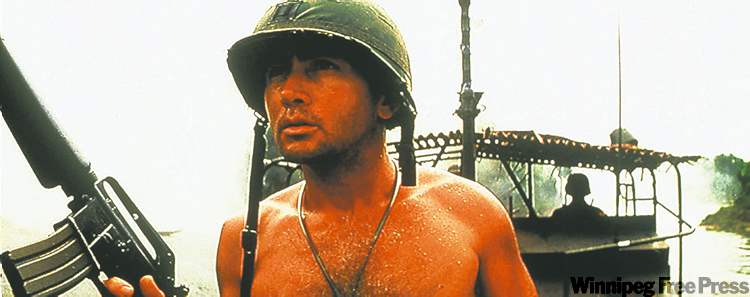
Apocalypse Now (1979) was Francis Ford Coppola’s version of Joseph Conrad’s dark and existential drama about colonialism, Heart of Darkness. It is ideally transferred to Vietnam, where America had embarked on an ill-conceived mission to stop communism. It’s presented as a rock ‘n’ roll exercise, where troops ride helicopters into battle to the music of Wagner and then surf on the shore of the burnt-out village they have firebombed. The soldiers in Apocalypse Now are lost, both geopolitically and spiritually: They’re not fighting as much as trying to survive. At one stage, the hero, played by Martin Sheen, comes across a base with no leaders, a haunting metaphor for a war depicted as a sickness of the soul.
3. War was a theatre of unexpected humanity.
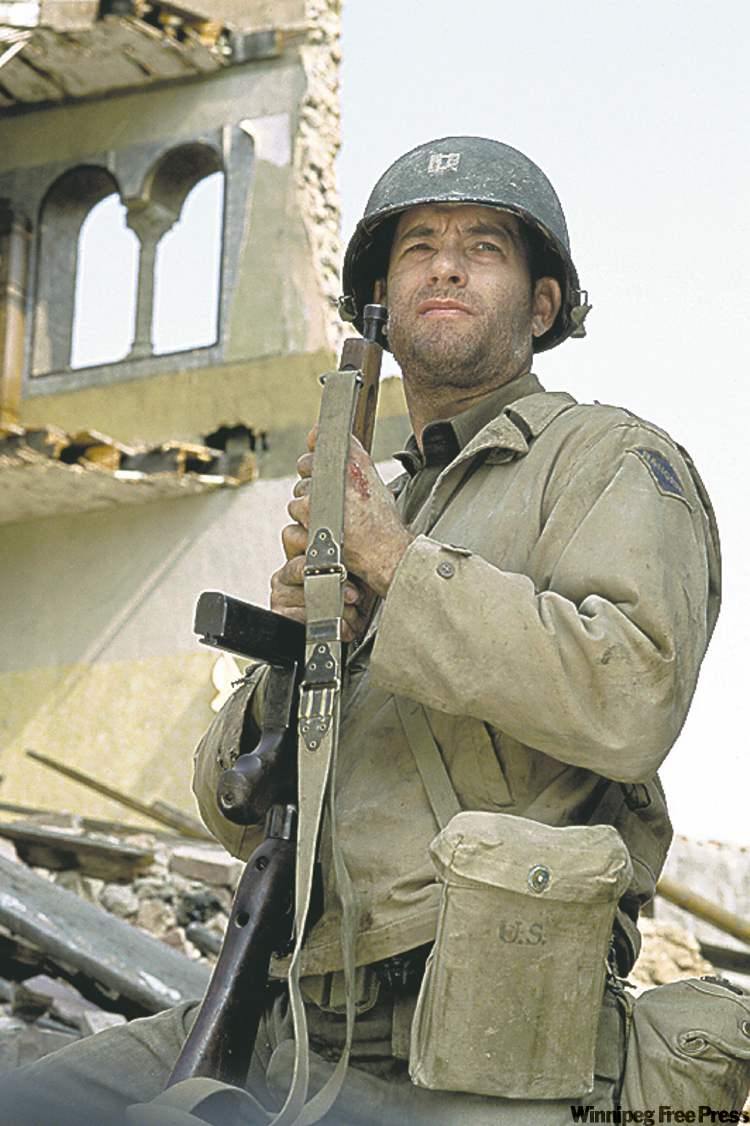
Saving Private Ryan (1998), a Second World War adventure directed by Steven Spielberg, starts with the Allied invasion of Normandy, a stunning sequence of bloody chaos in which we see the true test of bravery: Just running to shore — just moving forward at all — calls for a sort of panicked heroism. The movie settles into a story about a group of men, led by Tom Hanks, who must find a paratrooper and take him home. Much like those Second World War movies that had platoons comprised of every major ethnic group, Saving Private Ryan assembles a cross-section of types who must fight their way through enemy territory to rescue a comrade — and sometimes, to sacrifice their lives to save one another.
4. War is unpredictable.
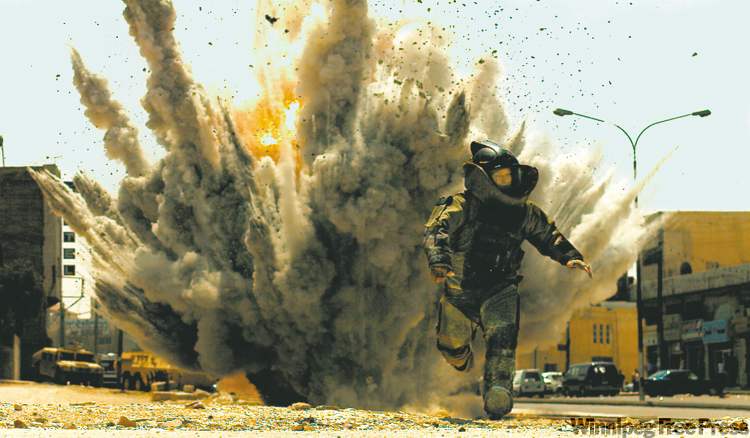
The Hurt Locker (2008), Kathryn Bigelow’s Oscar-winning film about a bomb-disposal unit in the Iraq war, lets you know from the beginning that it’s not playing by the rules. Guy Pearce, the best-known actor in the cast at the time, is blown up trying to dismantle a bomb at the very start of the picture. We realize that, like war itself, this is a movie where anything might happen. The camera scans onlookers with cellphones, which can be used to detonate bombs, not knowing whom to trust. Every event is potentially deadly. This is a landscape where character does not determine fate: It’s all chance. Just being there is dangerous.
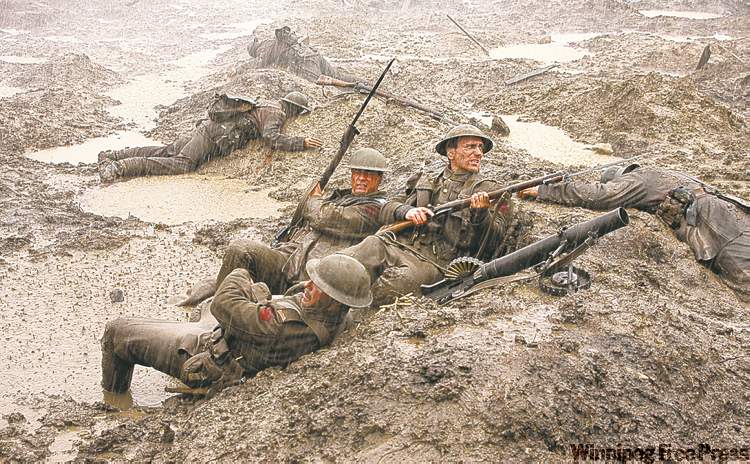
5. Canada was there, too.
Passchendaele (2008) is a rare film that pays tribute to this country’s sacrifice. We realize it, of course — and Remembrance Day reminds us of it every year — but you wouldn’t know it from most movies. Paul Gross’s war film-cum-romance has several problems, including the decision to leave the war zone for the home front and the overly dramatic Christian imagery at the climax. But there is much to admire in the realistic portrayal of the bloody, futile battle, directed from afar by arrogant generals, that sent brave and frightened men into the impossible mud of a Belgian battlefield. Those sequences are a tribute to both Canadians and to all soldiers who defended their land, or someone else’s — or sometimes just someone’s idea of democracy — without knowing fully why. The movies can’t explain this, but they’re the closest way we have of seeing what happened.
— Postmedia News
Related Articles
Remembrance Day services
Advertisement Advertise With Us
Advertisement Advertise With Us