Film looks back at National Lampoon’s ruthless satire laboratory
Reckless, raunchy, relevant,

Advertisement
Read this article for free:
or
Already have an account? Log in here »
To continue reading, please subscribe:

Digital Subscription
One year of digital access for only $205*
- Enjoy unlimited reading on winnipegfreepress.com
- Read the E-Edition, our digital replica newspaper
- Access News Break, our award-winning app
- Play interactive puzzles
*First annual payment billed as $205.00 + GST for one year. This annual subscription will automatically renew at $233.00 + GST every 52 weeks (10% off the regular annual price of $259.35). Offer available to new and qualified returning subscribers only. Cancel any time.
To continue reading, please subscribe:
Add Free Press access to your Brandon Sun subscription for only an additional
$1 for the first 4 weeks*
- Enjoy unlimited reading on winnipegfreepress.com
- Read the E-Edition, our digital replica newspaper
- Access News Break, our award-winning app
- Play interactive puzzles
*Your next Brandon Sun subscription payment will increase by $1.00 and you will be charged $17.95 plus GST for four weeks. After four weeks, your payment will increase to $24.95 plus GST every four weeks.
Read unlimited articles for free today:
or
Already have an account? Log in here »
Hey there, time traveller!
This article was published 03/12/2015 (3930 days ago), so information in it may no longer be current.
“Fat, drunk and stupid is no way to go through life, son.”
— Dean Wormer in National Lampoon’s Animal House (1978)
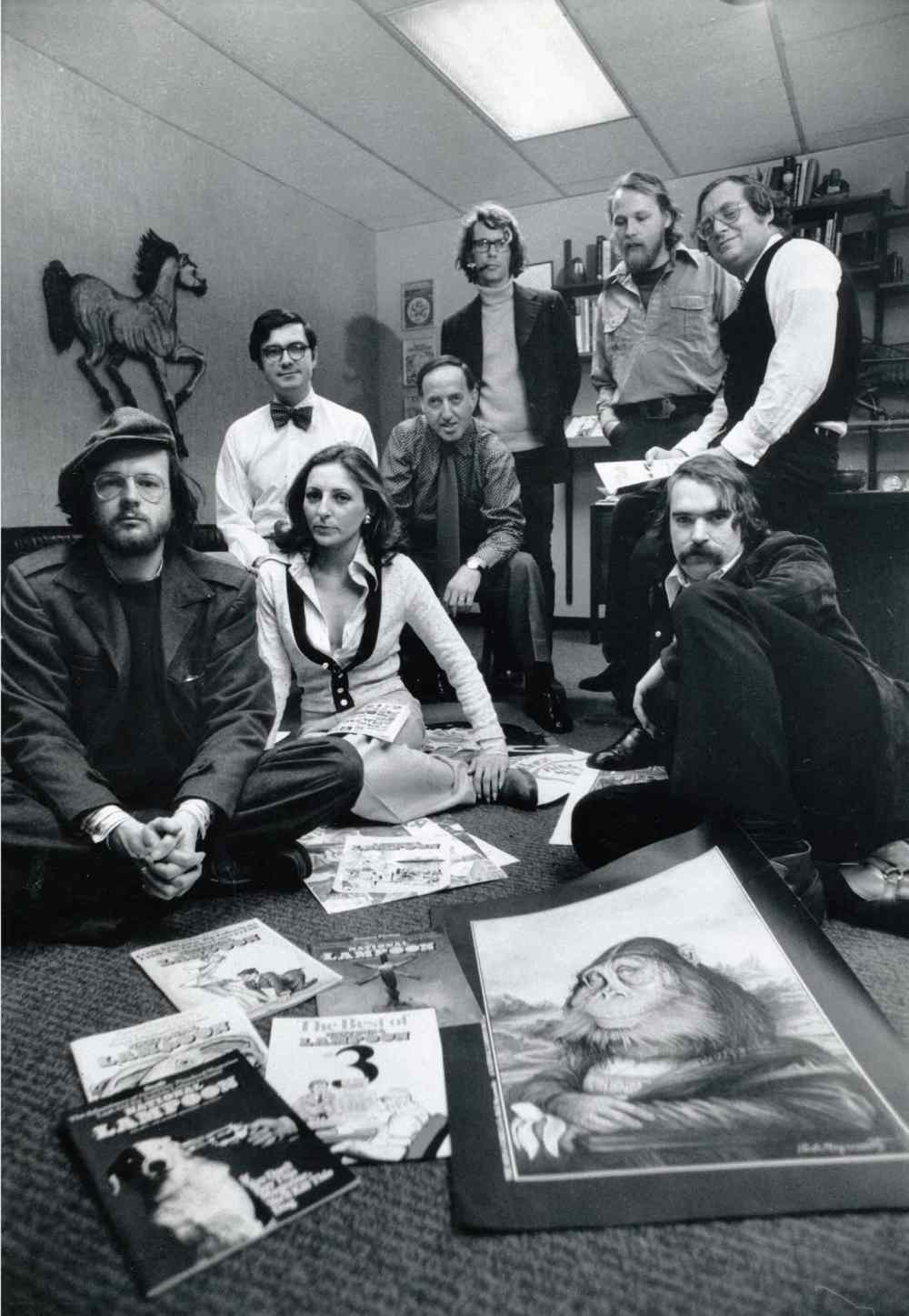
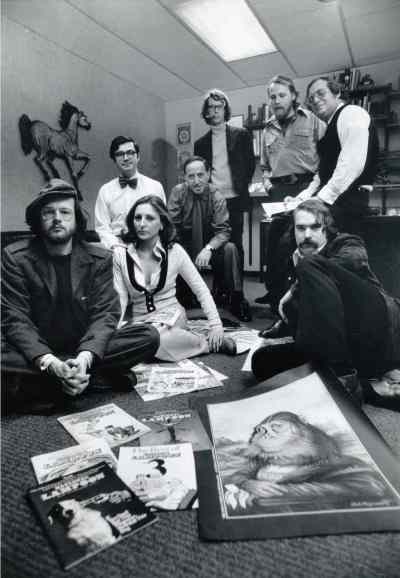
The genealogy of late 20th-century comedy, encompassing everything from Ghostbusters to Saturday Night Live, SCTV to Ferris Bueller’s Day Off, can be traced to a single magazine.
National Lampoon was a raucous, subversive and often tasteless humour magazine that, issue after issue, hit the ’70s right in the zeitgeist. An offshoot of the revered college publication Harvard Lampoon, it began publishing in 1970 but became a satiric powerhouse around 1972, a counter-culture counter-punch to the era of the Vietnam war and the Nixon presidency.
By today’s standards, it was insanely offensive. It made jokes about the Holocaust (Michael O’Donaghue’s notorious article Children’s Letters to the Gestapo, for example), rape, drugs, racism and homosexuality. Some issues matched Playboy when it came to gratuitous female nudity. Its satire spurred Supreme Court justice Thurgood Marshall to lodge a complaint against the mag with the FBI.
It was a publication of its time, but its influence was far-reaching. This documentary by Douglas Tirola at least makes that point, emphasizing the mag’s origins and its two creative founders: Doug Kenney and Henry Beard. In particular, Kenney (you may remember him as bespectacled misfit Stork in Animal House, the 1978 hit comedy produced under the NatLamp banner) comes under the microscope as a comedy genius who succumbed to druggie excess in the ’80s.
The title refers to Kenney in particular, but it could just as easily refer to others in the NatLamp orbit, including the funny-angry writer-editor O’Donaghue, and especially John Belushi, who worked on National Lampoon’s radio shows before being absorbed into the nascent comedy machine that was Saturday Night Live. None of those guys made it out of comedy alive.
One of the reasons the film emphasizes Kenney in particular is because Chevy Chase participates in the film, he says, as a tribute to Kenney, his best friend. The story of Kenney’s suspicious demise in Hawaii is discussed, but the film offers no real conclusions about whether Kenney was a suicide or the victim of a tragic accident.
The film has a few other notables. Kevin Bacon intersected with the National Lampoon universe as a member of the Animal House cast, but he doesn’t make any significant contributions.
Given the chance to interview writer Anne Beatts, who exited the magazine to join the writing staff of SNL, Tirola doesn’t think to ask about the magazine’s decidedly sexist content. He also doesn’t think to ask libertarian Republican P.J. O’Rourke about the magazine’s political sea change under his editorial tenure.
Drunk Stoned Brilliant Dead still stands as an invaluable look at a largely forgotten comedy institution. But it falls maddeningly short of being definitive.
randall.king@freepress.mb.ca
Our newsroom depends on a growing audience of readers to power our journalism. If you are not a paid reader, please consider becoming a subscriber.
Our newsroom depends on its audience of readers to power our journalism. Thank you for your support.
Movie Review
Drunk Stoned Brilliant Dead
Directed by Douglas Tirola
Cinematheque
14A
96 minutes
3 1/2 stars out of five
Our newsroom depends on a growing audience of readers to power our journalism. If you are not a paid reader, please consider becoming a subscriber.
Our newsroom depends on its audience of readers to power our journalism. Thank you for your support.
Advertisement Advertise With Us
History
Updated on Thursday, December 3, 2015 8:05 AM CST: Photo changed.