Keys to success
Piano-playing rocker Cummings had stellar solo career, too
Advertisement
Read this article for free:
or
Already have an account? Log in here »
To continue reading, please subscribe:

Digital Subscription
One year of digital access for only $205*
- Enjoy unlimited reading on winnipegfreepress.com
- Read the E-Edition, our digital replica newspaper
- Access News Break, our award-winning app
- Play interactive puzzles
*First annual payment billed as $205.00 + GST for one year. This annual subscription will automatically renew at $233.00 + GST every 52 weeks (10% off the regular annual price of $259.35). Offer available to new and qualified returning subscribers only. Cancel any time.
To continue reading, please subscribe:
Add Free Press access to your Brandon Sun subscription for only an additional
$1 for the first 4 weeks*
- Enjoy unlimited reading on winnipegfreepress.com
- Read the E-Edition, our digital replica newspaper
- Access News Break, our award-winning app
- Play interactive puzzles
*Your next Brandon Sun subscription payment will increase by $1.00 and you will be charged $17.95 plus GST for four weeks. After four weeks, your payment will increase to $24.95 plus GST every four weeks.
Read unlimited articles for free today:
or
Already have an account? Log in here »
Hey there, time traveller!
This article was published 27/03/2016 (3796 days ago), so information in it may no longer be current.
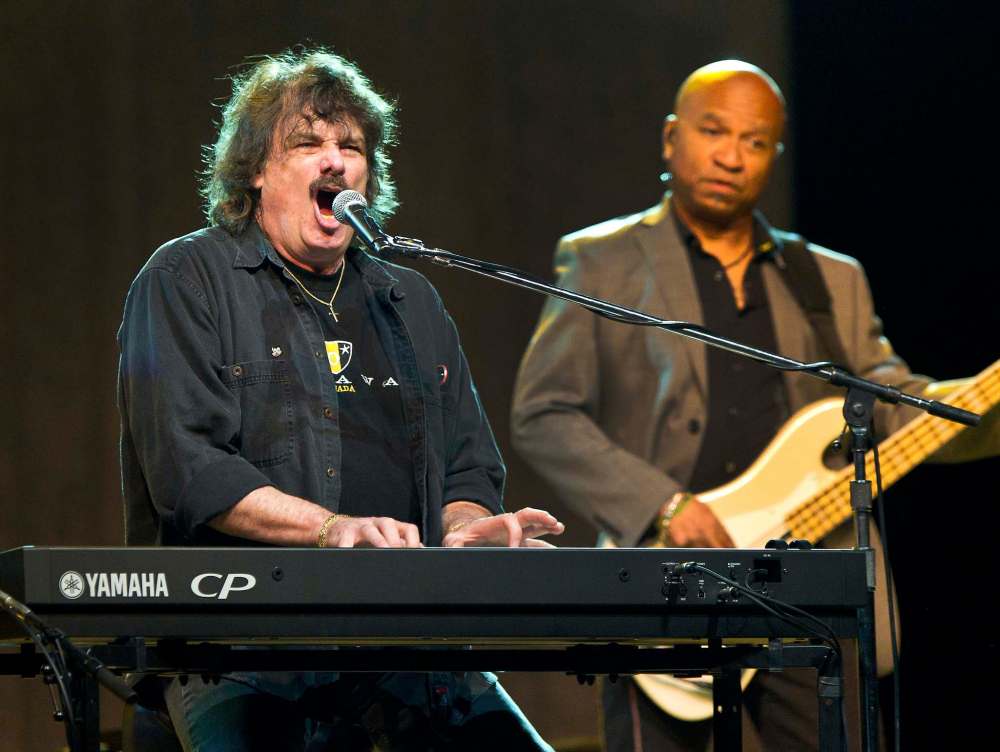
One week from today, the Canadian Academy of Recording Arts and Sciences will induct Winnipeg’s favourite son, Burton Lorne Cummings, into the Canadian Music Hall of Fame. This is his second induction into the Hall, having been honoured in 1987 as a member of the Guess Who. This time around, he is being recognized for his post-Guess Who solo career.
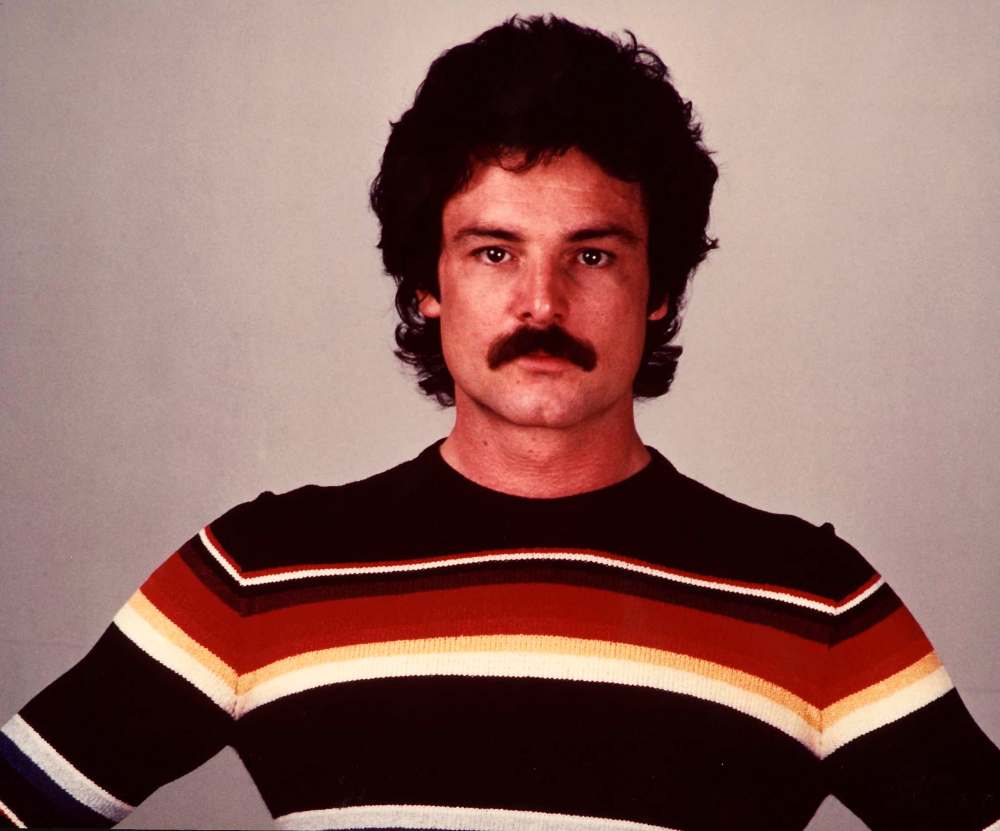
Following his gold-plated tenure fronting Canada’s original rock ’n’ roll superstars, Cummings launched a solo career in 1976, beginning with the million-selling single Stand Tall. Gold singles, platinum albums, television specials and multiple Juno awards followed as Cummings became one of Canada’s best-known, most respected and universally celebrated music icons from the latter 1970s through the mid-’80s. For Canadians, Cummings’ music represents the soundtrack to our lives. He is Canadian music royalty.
‘Burton Cummings stands tall as one of the finest singers in pop music, alongside a very short list that also includes Don Henley, Billy Joel and Elton John’ — veteran music journalist Larry LeBlanc
The criteria for nomination as set out by the academy state a potential inductee’s “first recorded release must have occurred a minimum of 20 years prior to end of day Jan. 1 of the current year.” That means Cummings became eligible for inclusion in 1996. Next week’s honour is certainly long overdue. One wonders what took the academy so long.
The boy from Bannerman Avenue in Winnipeg’s tough North End who, as a kid, spent all his paper-route money on records, notched up some staggering statistics. He’s released 51 albums, 47 singles and earned 23 Canadian gold singles, 22 Canadian gold albums, eight Canadian multi-platinum albums, one American platinum album, six American gold singles, six Juno Awards and five RPM Awards, along with 22 SOCAN Classic and three BMI America awards for his songwriting. He has been honoured with the Order of Canada, the Order of Manitoba, the Order of the Buffalo Hunt and the Governor General’s Performing Arts Award, and received an honorary doctorate of music from Brandon University. Here in his hometown, both a performing arts theatre and a community centre bear his name.

Back in November 1975, one month shy of 10 years from the time he joined the Shakin’ All Over hitmakers, Cummings announced the Guess Who was folding. He indicated he and his bandmates were at odds over the direction of the group, and in the absence of big hits in the previous year or so, it was time to call it a day. It had been a great run. With a voice ranked among the finest in rock music and admirers including Led Zeppelin’s Robert Plant, expectations ran high throughout the music industry for a stellar solo career. Cummings spent the fall of 1975 working on demos at Winnipeg’s Roade Studios on Grosvenor Avenue before heading south to Studio 55 in Los Angeles to record his debut album under the tutelage of renowned record producer Richard Perry, whose client list included the likes of Barbra Streisand, Ringo Starr, Harry Nilsson, Ray Charles and Carly Simon. Famed string arranger Paul Buckmaster, best known for his work with Elton John, was flown in to orchestrate several tracks. Portrait Records, a division of CBS Records, spared no expense, indicative of their firm belief Cummings was going to be a solo star.
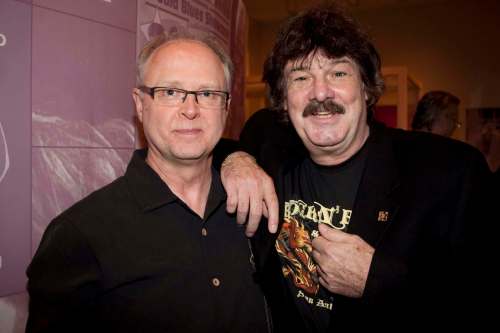
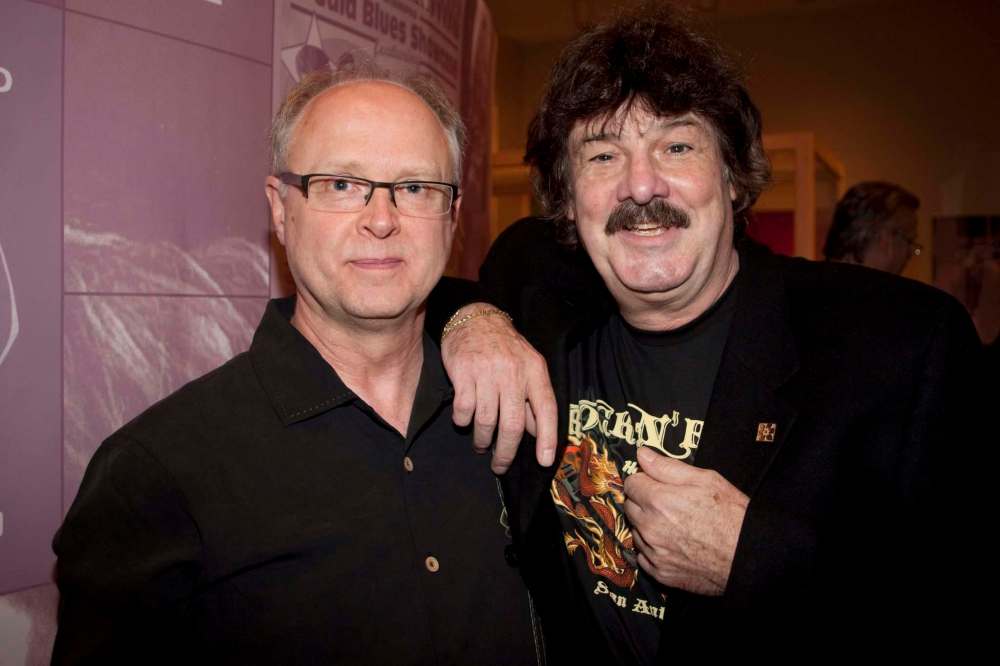
Ian Gardiner was playing bass with local band Mood Jga Jga when he was tapped to work with Cummings.
“Late one night, I mean really late one night, I got a phone call from Burton asking me to come to Roade recording to start doing some of his demos,” Gardiner said. “Gord Osland, the drummer with Mood Jga Jga, and I would play our gig at the local pubs and then head over to Roade and play all night with Burton. We wouldn’t get home until early morning, and then do it all over again. I had already played with some fantastic musicians and singers, but with Burt, the bar was raised significantly. All of his vocals were fantastic; you just needed to pick one. This is where I first heard I’m Scared and few others that ended up on his first solo album.”
Gardiner ended up in L.A., recording with Cummings.
“It was a who’s who of famous people. I remember pouring coffee for Linda Ronstadt when she was recording her new album, and Toto was also recording their first album as well,” Gardiner said. “You never knew who would be called in to do overdubs on the album. Jeff (Skunk) Baxter (from Steely Dan) became a favourite of ours and remains a friend to this day.”
CBS’s faith in Cummings paid off. Mixing original songs with cover tunes (including a poke at former bandmate Randy Bachman), soft numbers with rockers, the self-titled album garnered unanimously positive reviews when it was released in the fall of 1976. The album yielded the lushly orchestrated, million-selling soft rock ballad Stand Tall, a paean to Cummings’ recent breakup with longtime Winnipeg girlfriend Janet Shnider. Cummings earned Juno awards for Male Vocalist of the Year and, in an odd twist given his previous role as Guess Who vocalist, Best New Male Vocalist. He also hosted his first CBC-TV special, with vocal group Manhattan Transfer and Bachman — having exited Bachman-Turner Overdrive — as guests.
Cummings sold his tony Tuxedo residence and moved lock, stock and pinball machines to the L.A. suburb of Sherman Oaks to pursue his career from the centre of the music business. The photo on the back cover of his debut album showed a pensive Cummings leaning on a grand piano in the backyard of his L.A. lawyer, Abe Somer.
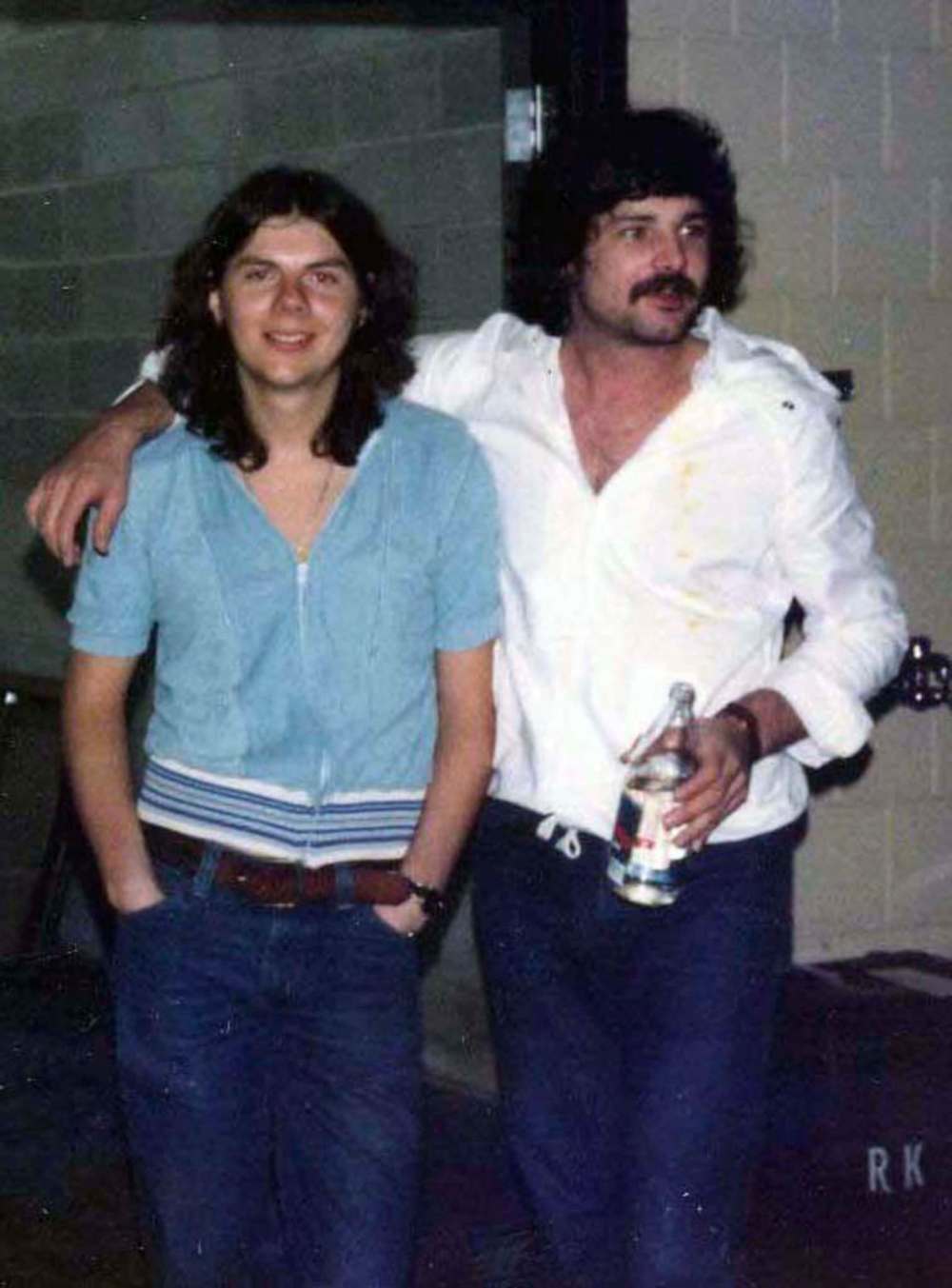
“We started the first tour of Canada in Winnipeg, of course,” says Gardiner, “rehearsing at the Playhouse Theatre. All the shows across Canada were sold out, and the reception for Burton was fantastic. It was one of the most amazing times of my musical career.”
However, on his first national tour in the United States, Cummings was booked as opening act for python-toting schlock-rocker Alice Cooper, whose diehard fans had little patience for a Canadian piano-playing crooner. Cooper and Cummings shared the same management at the time.
“Not a great matchup, as was evident the first night in Madison, Wis.,” recalls assistant tour manager Dave Perich. “The hard-core Alice fans were not impressed and let Burton know it between songs. The hostility continued until Cummings played a Guess Who medley. That’s when the 20,000 people realized who they were listening to. But Burton had to be convinced not to abandon the tour.”
Therein lay the conundrum that posed an obstacle to Cummings’ solo American fortunes. While millions of Americans were familiar with the Guess Who’s impressive catalogue of hits, few knew the name of the man who co-wrote and sang them. Cummings’ name did not resonate. Furthermore, with the success of Stand Tall, his record label wanted Burton-as-Barry Manilow, the soft-rock piano man, while he wanted to rock. Cummings’ followup album, again produced by Perry, was a bold statement of his intent. Released in 1977, the title track, My Own Way to Rock, offered little doubt how Cummings wanted to be regarded. The album was met with rave reviews and multiple hit singles, including the title track, Never Had a Lady Before and Timeless Love, and platinum sales in Canada solidified Cummings’ stature as a bona fide homegrown hero. But south of the border there was no hit single, and sales lagged.
Nonetheless, Cummings remained busy. As Gardiner recalls, “In between tours we would do all of the big TV shows, including Don Kirshner’s Rock Concert, Midnight Special, Solid Gold, The Merv Griffin Show and a host of others.”
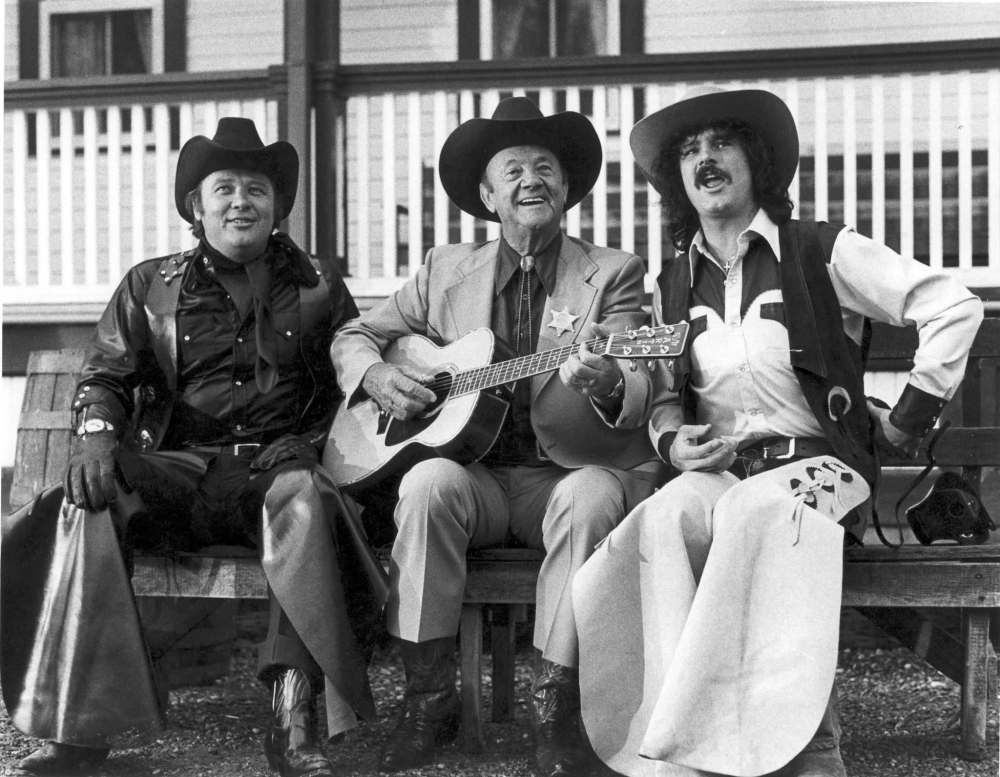
Cummings’ 1978 album Dream of a Child was a blockbuster in Canada, becoming the first quadruple-platinum (400,000-plus copies) album by a Canadian artist. Produced by Cummings, the album featured one of his most enduring hits, Break it to Them Gently, a song he says was composed in 25 minutes and inspired by an episode of Kojak. That year, Cummings hosted the Juno Awards show (he would host a record four times) and scooped up Album of the Year. He appeared on several Canadian television shows and was featured once again on his own CBC specials. Burton Cummings West found Canada’s favourite rock star playfully duetting on a mountain in the Rockies with country crooner Wilf Carter and duelling hit songs with Blood Sweat & Tears frontman David Clayton Thomas, while Portage and Main had him playing goalie to Winnipeg Jets hockey star Bobby Hull, sharing skits with comedian Rick Moranis and reuniting with his high school band the Deverons for a sock hop at his alma mater, St. John’s High School.
But while Dream of a Child confirmed Cummings’ superstar status in Canada, the album barely made a ripple in the U.S., failing to breach Billboard magazine’s top 200 albums. It was clear CBS Records had lost faith in Cummings, so much so they refused to release his fourth album, Woman Love, and dropped him from the label. Cummings remained intransigent when pressured by the label to go back to the drawing board and produce more commercial material. He paid the price.
“I gave up a lot to have this album come out in this form,” he later stated, “but I’ve never been sorry. I walked away from millions in corporate dollars. Integrity comes at an extremely high price.”
Fine State of Affairs, co-written with Gardiner, was another Canadian hit for Cummings, who took home the 1980 Juno for Best Male Vocalist. But if American record buyers weren’t tuning into Cummings’ music, the silver screen beckoned. While still in the Guess Who, Cummings had been suggested to star in a feature film, A Fool A Fool, that, in the end, never happened. But in 1981, here was our hometown boy starring in the big-budget movie Melanie opposite Glynnis O’Connor, Paul Sorvino and future Miami Vice star Don Johnson. Cummings played a washed-up alcoholic rock star seeking some kind of redemption. While the movie failed to set theatres on fire (and Cummings’ movie-career dreams evaporated), the soundtrack album, Sweet Sweet, was a winner in Canada and featured one of Cummings’ best songs in years, You Saved My Soul, earning him a Genie Award for Best Original Song. The album was released in the U.S. on the tiny Alfa label.
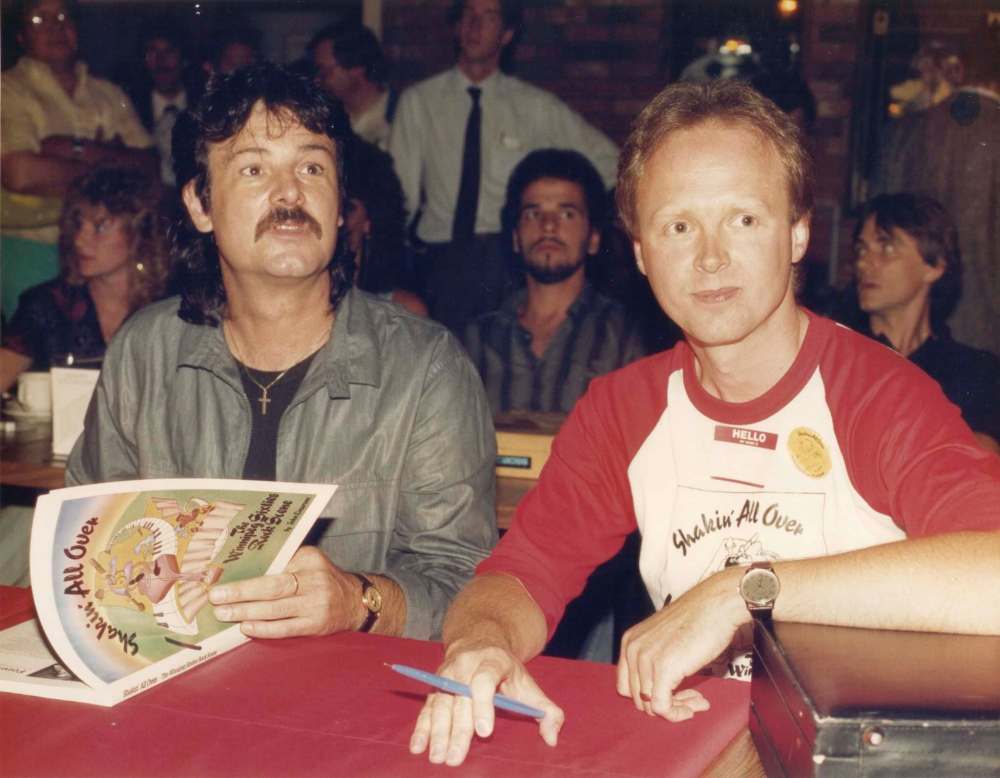
The ’80s found Cummings’ career in limbo. While he remained a consistent concert draw in his home and native land, Cummings would not release another album until 1984, and once again only in Canada. Heart was an uneven effort that charted poorly despite the inclusion of the hit single Love Dreams, another Cummings-Gardiner tune. Cummings laid low for much of the decade. A brief re-teaming with Bachman failed to secure sufficient record-label interest. In 1987, he contributed a lengthy and warmly nostalgic foreword to my chronicle of the thriving local music scene of which he had been a key player, Shakin’ All Over: The Winnipeg Sixties Rock Scene.
The release of the album Plus Signs in 1990, along with the single and accompanying video for Take One Away, was a comeback bid with Cummings embracing a more contemporary, ’80s techno sound. At the local launch for the album, a Cummings associate confided to me the singer had many fences to mend. A high-profile national tour in support of the album crash-landed in Winnipeg after a Winnipeg Free Press review noted Cummings failed to sell out the Centennial Concert Hall. Further controversy was generated when it was revealed Take One Away was, by and large, a previous composition recorded by ex-Winnipegger Bill Ivaniuk that Cummings claimed co-credit on. The poop hit the fan. In a heated interview with local CBC television, a petulant Cummings lashed out at Winnipeg, in particular for its failure to properly honour both him and the Guess Who for their achievements. He declared his hometown should be called “Negativeapeg,” rebuffed attempts by the West End Memorial Community Centre to rename itself in honour of Cummings and vowed never to come back to Winnipeg. It was a public relations nightmare. I was co-hosting a radio show with Howard Mandshein when Cummings showed up straight from the CBC debacle. Howard and I did our best to calm the troubled waters. In the end, the brouhaha died down, and West End Memorial became the Burton Cummings Community Centre. Plus Signs earned Cummings another gold record. It would be the last album of new material from him for 18 years.
Instead, Cummings found tremendous success with a more intimate retrospective live concept titled Burton Cummings: Up Close and Alone, with the singer alone at the piano favouring enraptured audiences with his extensive canon of hit songs and the stories behind them. It was a winning formula that carried him through several years and yielded a live album of the same name in 1996.
“Those songs don’t get stale to me,” he said. “It’s hard enough to get a hit record. What’s wrong with playing them for the rest of your life? I could do 21/2 hours of hit records.”
Reunions, first with the hitmaking 1970 Guess Who lineup, followed by a Bachman-Cummings pairing, saw Cummings into the new millennium. Prior to that, he fulfilled a dream by touring with Ringo Starr in his All-Starr band, bringing the house down nightly with Guess Who hits No Time and American Woman. The latter song enjoyed a renaissance when American rocker Lenny Kravitz covered the song for the soundtrack to the 1999 Mike Myers hit movie Austin Powers: The Spy Who Shagged Me and went on to top the U.S. charts 29 years after originally doing so. The Guess Who record was voted the greatest Canadian single of all time. With the financial windfall from Kravitz’s cover, Cummings bought a spacious abode on Park Boulevard in Winnipeg.
In 2008, Cummings released his first album of all-original compositions. The self-produced double CD Above the Ground was heralded as another comeback, earning positive reviews for an artist whose recording career spanned more than 40 years. Cummings was determined to avoid the dinosaur tag.
“Not all artists are lucky enough to have that kind of staying power,” he noted on the release of the album. “It’s pretty amazing.”
“Burton Cummings stands tall as one of the finest singers in pop music, alongside a very short list that also includes Don Henley, Billy Joel and Elton John,” says veteran music journalist and senior editor for CelebrityAccess, Larry LeBlanc.
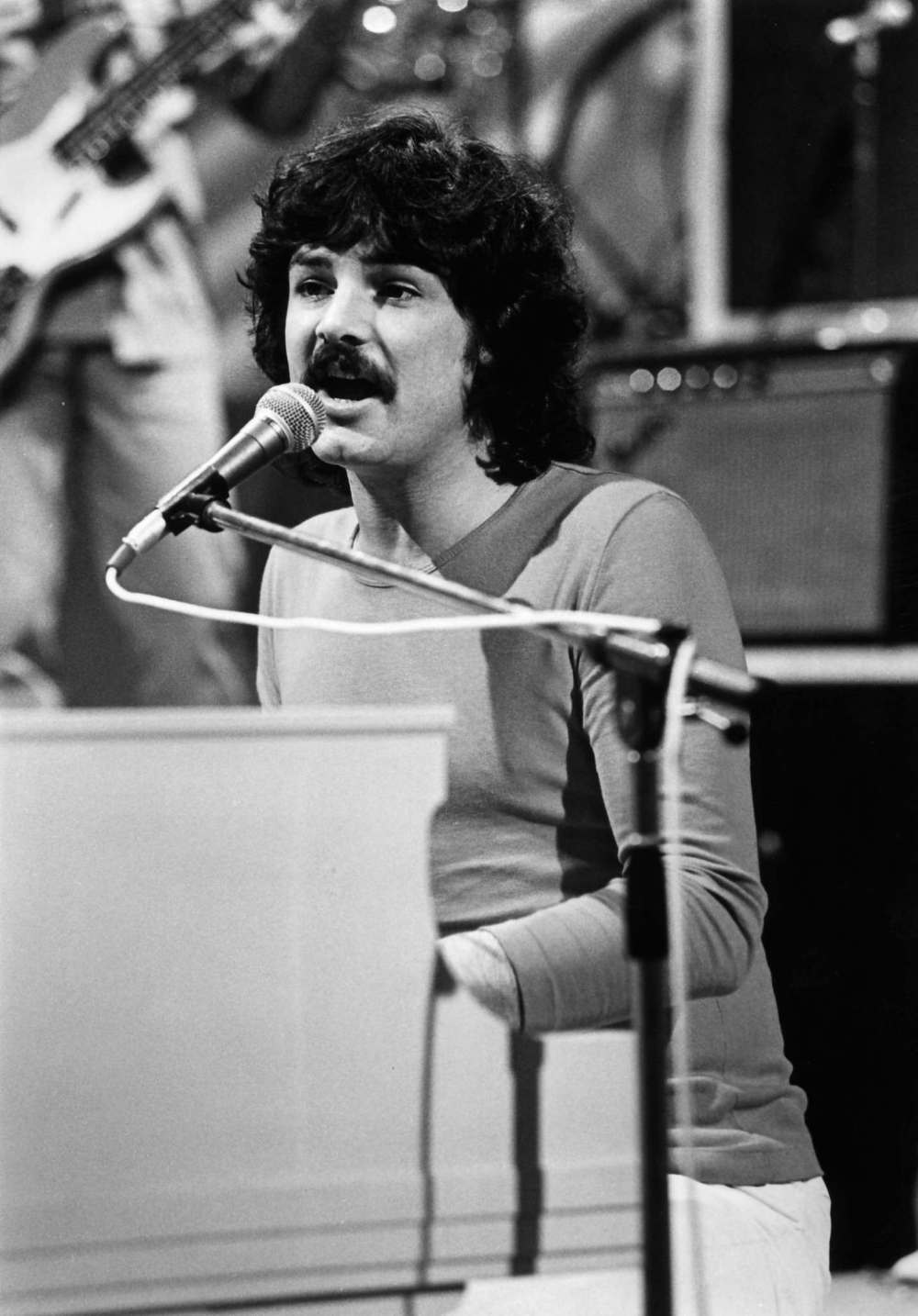
“While his career as the frontman of the Guess Who has long been celebrated, Burton’s solo recordings also merit being honoured as well. Such pop classics as Stand Tall, I’m Scared (that jabs a knife into your gut), Timeless Love, My Own Way To Rock and Break it to Them Gently, to name a few of my favourites, remain relevant and continue to inspire each new wave of fans who discover them.”
As for Burton, he’s always been a romantic dreamer and a pop music aficionado. A North End boy born on Lansdowne, grew up on Bannerman, went to St. John’s High School, learned to play piano, sing, write songs and change our lives.”
Though no longer residing in his hometown since the death of his beloved mother, Rhoda, in 2012, Burton Cummings does Winnipeg proud. Congratulations to him on his induction into the Canadian Music Hall of Fame.
Sign up for John Einarson’s summer Magical Musical History tours at heartlandtravel.ca.