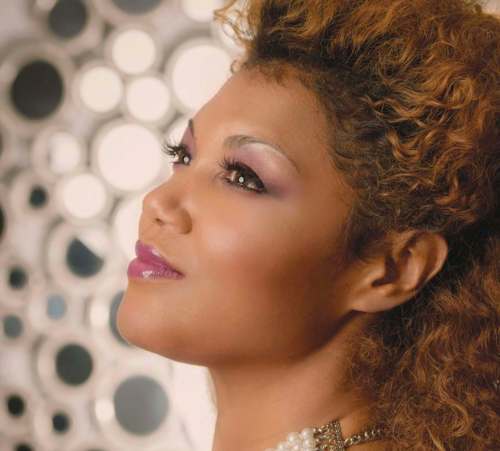
A musical journey into her family’s past
Opera singer Measha Brueggergosman explores her roots both in Canada and Africa

Advertisement
Read this article for free:
or
Already have an account? Log in here »
To continue reading, please subscribe:

Digital Subscription
One year of digital access for only $205*
- Enjoy unlimited reading on winnipegfreepress.com
- Read the E-Edition, our digital replica newspaper
- Access News Break, our award-winning app
- Play interactive puzzles
*First annual payment billed as $205.00 + GST for one year. This annual subscription will automatically renew at $233.00 + GST every 52 weeks (10% off the regular annual price of $259.35). Offer available to new and qualified returning subscribers only. Cancel any time.
To continue reading, please subscribe:
Add Free Press access to your Brandon Sun subscription for only an additional
$1 for the first 4 weeks*
- Enjoy unlimited reading on winnipegfreepress.com
- Read the E-Edition, our digital replica newspaper
- Access News Break, our award-winning app
- Play interactive puzzles
*Your next Brandon Sun subscription payment will increase by $1.00 and you will be charged $17.95 plus GST for four weeks. After four weeks, your payment will increase to $24.95 plus GST every four weeks.
Read unlimited articles for free today:
or
Already have an account? Log in here »
Hey there, time traveller!
This article was published 14/02/2017 (3515 days ago), so information in it may no longer be current.
In 2007, Canadian opera singer Measha Brueggergosman took part in the CBC docuseries Who Do You Think You Are, which followed the journey of several celebrities as they learned about their heritage and genealogy.
During the process, Brueggergosman — who was born and raised in Fredericton, N.B. — discovered not only her family’s deep history in Canada and the United States, but that her paternal great-grandparents escaped from slavery in New England and her paternal African ancestors likely came from the the Bassa people of Cameroon.
She then set off for the African nation to explore her roots further, which was documented in the film Songs of Freedom. It’s also the title of her latest musical project, an album of spirituals and gospel songs used as a way to connect her faith, her family and her past.
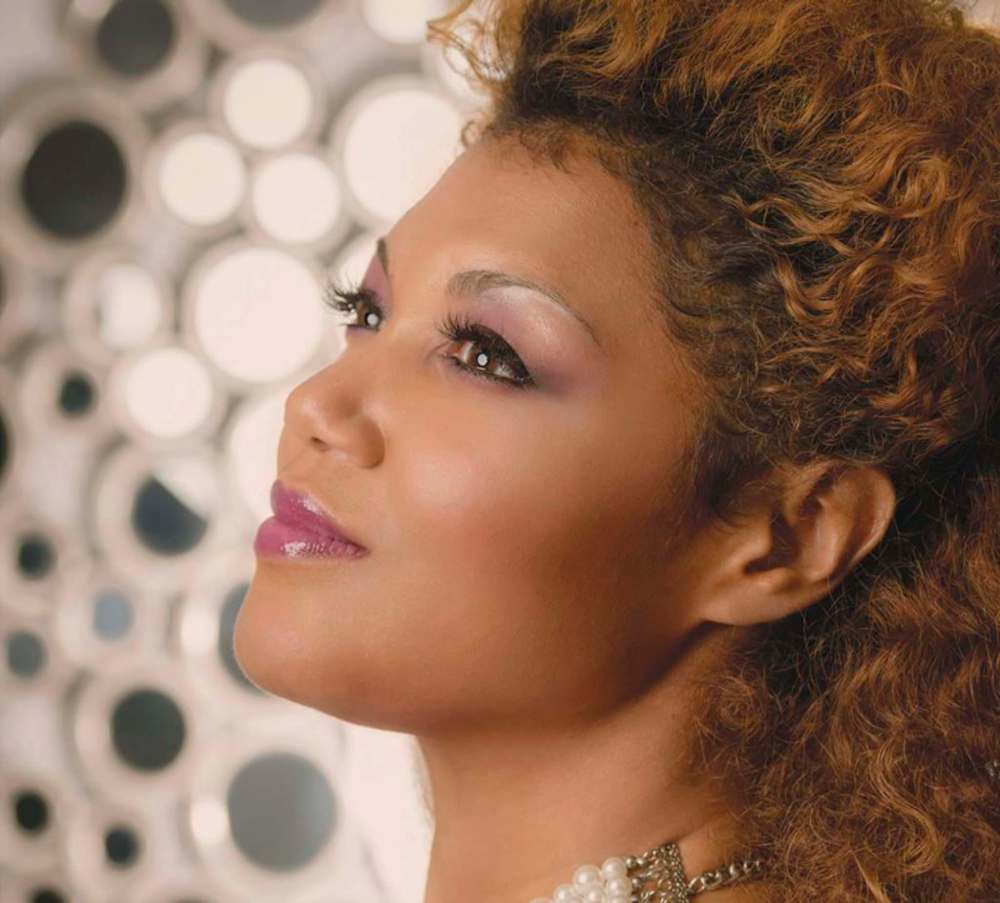
“It was absolutely the spark that set everything on fire, actually,” says Brueggergosman, 39, of taking part in Who Do You Think You Are. “When the director for Songs of Freedom approached me and said, ‘We feel like we’ve got something we could expand upon here,’ the excitement for me was being able to curate the soundtrack and pick the songs from Cameroon to New Brunswick that best represent my family’s journey and genealogy.
“For me, as I get older… I take stock of the things that make me happy, it’s usually when I have all of my splintered fractions of what makes me ‘me,’ as many of those lined up in a row, pointing in the same direction as possible,” she continues. “I am a daughter, mother, friend, Christian, yogi, singer, historian, descendant of black loyalists, all of these things, and I often say that this is my most personal project and that is connected to the fact all of these different factors for me are, for the first time, I have as many as possible of them lined up and pointed in the same direction.”
Many of the songs Brueggergosman included on this record would be well known even to those who don’t consider themselves spiritual; songs such as Amazing Grace, Go Tell It on the Mountain and Swing Low Sweet Chariot hold such a strong cultural significance they surpass any boundaries that genre or religious understanding may place on them.
“It doesn’t matter if you’re black or white or from what ancestry you descend, these songs for the North American landscape, and even worldwide, are recognizable, and not unlike Christmas songs, they are a repertoire that represent a very specific feeling,” she says. “And I think, I have yet to launch the scientific study, but I’m quite sure it would be found impossible to be both sad and listen to gospel music at the same time because it is an incredibly uplifting and profound music that is meant to be inclusive and it is meant to instigate joy or peace, tolerance and freedom, of course.”
Brueggergosman says making the record was a long process, but ultimately ended up being a satisfying collection of songs that serves its purpose for her personally as an expression of faith, but also works as a device that helps open up an anti-divisive dialogue, which is something she says our communities are in great need of at the moment.
“We can’t disconnect ourselves from our past — not our personal past and not our historic past — and I think what’s highlighted when you embark on the journey of genealogical discovery is that you actually embark on a journey of self discovery, because we’re lacking in empathy right now in society as a whole and we have disconnected from each other in way that is now starting to bare extremely bitter fruit,” she says.
“I just think it’s essential to identify and talk about the things that are chipping away at how we love each other. I’m just trying to do my small part to say there’s more that connects us than disconnects us.”
erin.lebar@freepress.mb.caTwitter: @NireRabel
Our newsroom depends on a growing audience of readers to power our journalism. If you are not a paid reader, please consider becoming a subscriber.
Our newsroom depends on its audience of readers to power our journalism. Thank you for your support.
Concert preview
Measha Brueggergosman
Wednesday, 8 p.m.
West End Cultural Centre
Tickets $25, available at jazzwinnipeg.com
Our newsroom depends on a growing audience of readers to power our journalism. If you are not a paid reader, please consider becoming a subscriber.
Our newsroom depends on its audience of readers to power our journalism. Thank you for your support.
Advertisement Advertise With Us
Advertisement Advertise With Us