WSO wraps classics with Four Seasons
Associate concertmaster brings Vivaldi's iconic piece to life
Advertisement
Read this article for free:
or
Already have an account? Log in here »
To continue reading, please subscribe:

Digital Subscription
One year of digital access for only $205*
- Enjoy unlimited reading on winnipegfreepress.com
- Read the E-Edition, our digital replica newspaper
- Access News Break, our award-winning app
- Play interactive puzzles
*First annual payment billed as $205.00 + GST for one year. This annual subscription will automatically renew at $233.00 + GST every 52 weeks (10% off the regular annual price of $259.35). Offer available to new and qualified returning subscribers only. Cancel any time.
To continue reading, please subscribe:
Add Free Press access to your Brandon Sun subscription for only an additional
$1 for the first 4 weeks*
- Enjoy unlimited reading on winnipegfreepress.com
- Read the E-Edition, our digital replica newspaper
- Access News Break, our award-winning app
- Play interactive puzzles
*Your next Brandon Sun subscription payment will increase by $1.00 and you will be charged $17.95 plus GST for four weeks. After four weeks, your payment will increase to $24.95 plus GST every four weeks.
Read unlimited articles for free today:
or
Already have an account? Log in here »
Hey there, time traveller!
This article was published 12/06/2019 (2615 days ago), so information in it may no longer be current.
If you were to name one — er, make that four — of the best loved classical hits of all time, chances are Vivaldi’s iconic Four Seasons would be at the top of that list.
The Winnipeg Symphony Orchestra presents the full set of four violin concerti as its final classics concert of the season, with associate concertmaster Karl Stobbe tackling the Baroque masterpiece that frequently pops up in TV and film soundtracks, or has been arranged in rock, jazz and beyond, not to mention morphed into chirpy telephone ringtones.
Two performances of the timeless classic will be offered tonight and Thursday at Westminster United Church, with the program led by guest Canadian conductor Julien Proulx. The narrative-based work that is structured as four distinct seasons — Spring, Summer, Autumn, and Winter — has enthralled listeners since 1720 with its imaginative musical effects evoking buzzing insects, barking dogs, sleepy goat herds, crashing thunder and crackling fire.
“The Four Seasons have remained popular because people can really relate to it, and especially audiences living in Winnipeg,” Stobbe says in an interview. “They can hear the cold wind and stomping feet of winter. They can hear the heat of summer, or the harvest of fall. You feel the growth in spring and just the utter joy of it all. All those things are really evident in this music, and they’re magnificently incarnated by Vivaldi.”
Lauded by the Sunday Times as “a master soloist, recalling the golden age of violin playing…” and praised for his “breathtaking range of tone colours,” the musician first began learning the work as a teenager growing up in Prince George, B.C. He’s has since performed the full set five or six times with several different orchestras.
One of the 45-minute work’s unique challenges is the siren song of its sensual beauty that Stobbe says can potentially lure the soloist from a state of fierce concentration required to navigate the complex polyphonic lines, to perhaps “enjoying” a performance a little too much.
“It’s really fun to play these pieces, and they’re very easy to get involved in. You become a partner with the orchestra and feel surrounded by a musical soundscape that is very, very compelling. And maybe that’s a danger too, because you have to also stay cerebral with it. You have to know exactly what’s coming up at all times and where your hands are going,” he explains.
And there’s something else that ramps up the pressure for any featured fiddler who might otherwise have the Baroque chestnut well in hand: the piece is well known by everyone, Stobbe says.
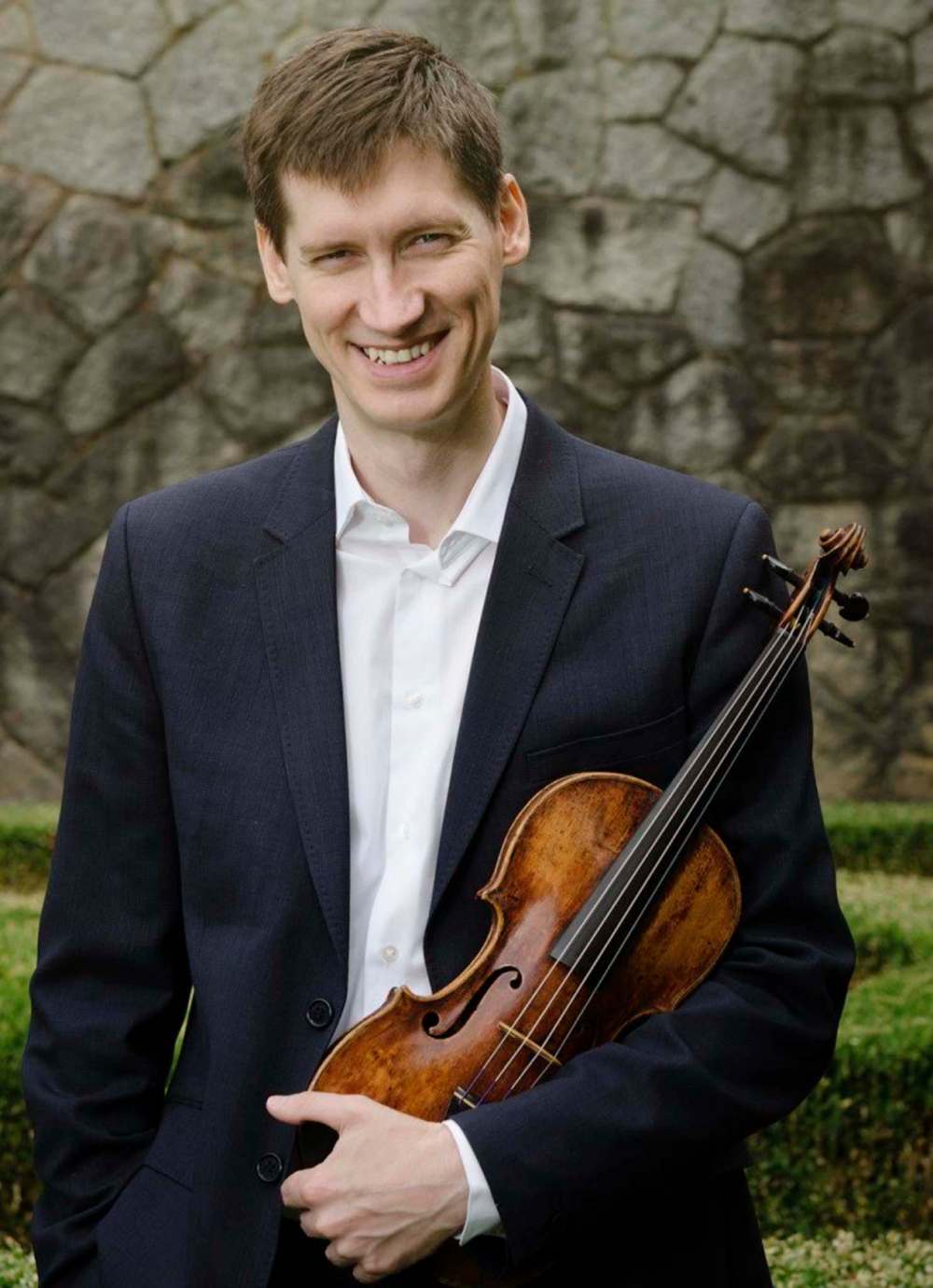
“You can’t get away with anything because half the audience has got the piece memorized just as much as you do… everything is very exposed, and the violin is very audible. You have to be very clean in a way that a Tchaikovsky concerto doesn’t necessarily need to be,” he says.
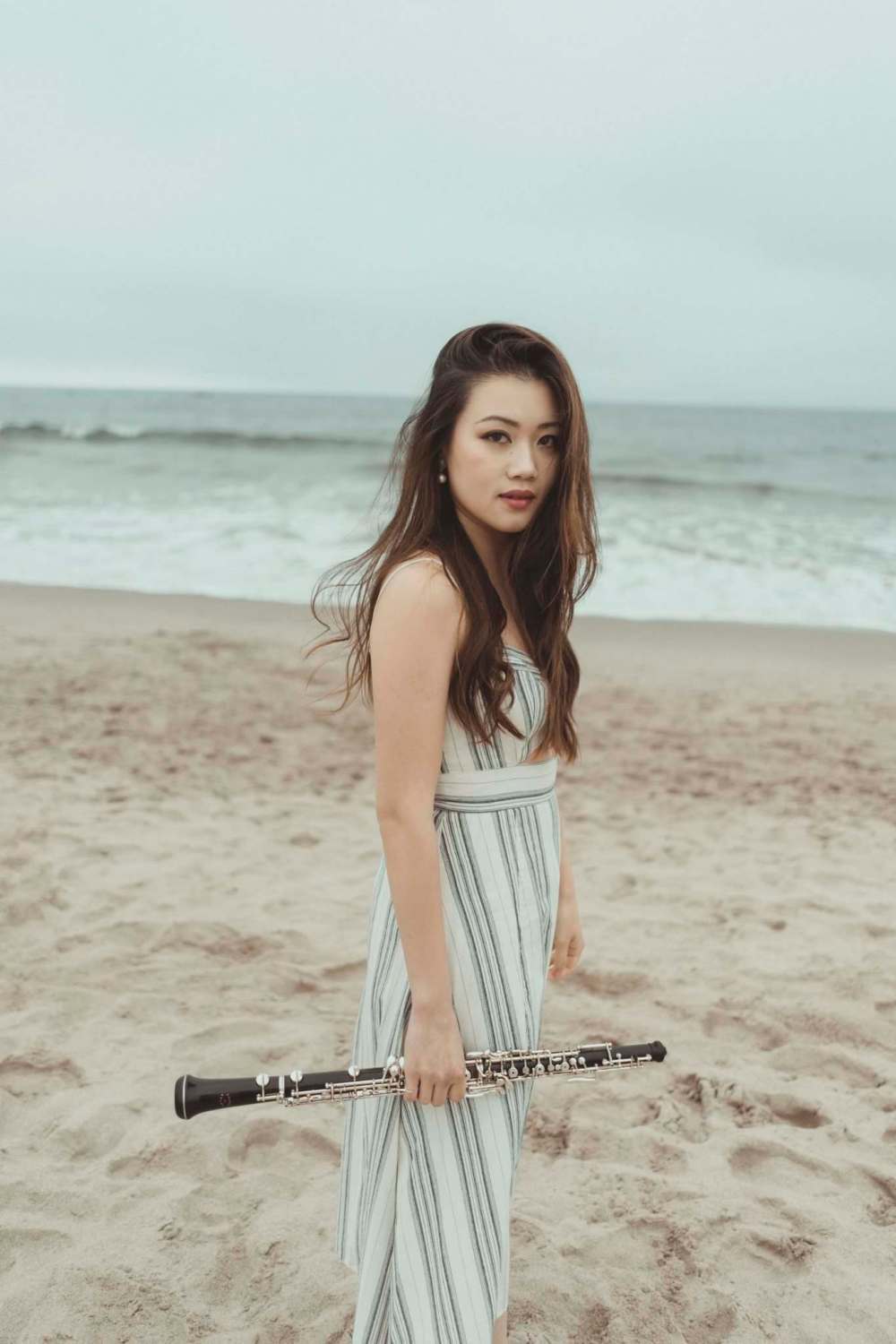
The program also features WSO principal oboe Beverly Wang, marking her debut performance of Czech composer Bohuslav Martinu’s rarely performed Oboe Concerto, H.353, from 1955.
“For me personally, when I first heard a recording of the piece, it really drew my attention because I’ve never heard anything like this written for the oboe before. It’s a very beautiful, well-written piece, but it’s also extremely technically challenging, with one cadenza after another,” the Florida-born artist, who joined the WSO in 2013, says about the piece’s dazzling solo passages.
Martinu’s composition includes an unusual number of cadenzas — four — in the three-movement work, which is infused with touches of Stravinsky, jazz and even a Czech-inspired polka.
“At the same time, I can find my own voice, and tell my story through these cadenzas that are usually so personal for the artist,” Wang says. “I’m so happy that they put my piece on the same concert as Karl’s. “Everyone just loves the Four Seasons, and so it also becomes a great opportunity for me to introduce them to the Martinu as well.”
***
The WSO presents its annual Community Celebration concert led by maestro Daniel Raiskin on Thursday, June 27 at the Centennial Concert Hall. The program includes performances by Winnipeg Music Festival 2019 Rose Bowl winner, soprano Jessica Kos-Whicher; WMF Aikins trophy winner, pianist Albert Chen; the Maples Collegiate Senior Choir; and a special guest appearance by Winnipeg lawyer, and former world-champion whistler, Harvey Pollock.
For tickets or further information, visit wso.ca.
**
It’s always a bit wistful whenever the WSO announces its newly retiring members as its own rite of spring. This month, three of its longest standing musical pillars will be hanging up their bows, and in this case, mallets, for good as the regular concert season formally draws to a close. Notably, each musician has served more than 30 years with the 73-year old, tightly knit organization often described as a family.
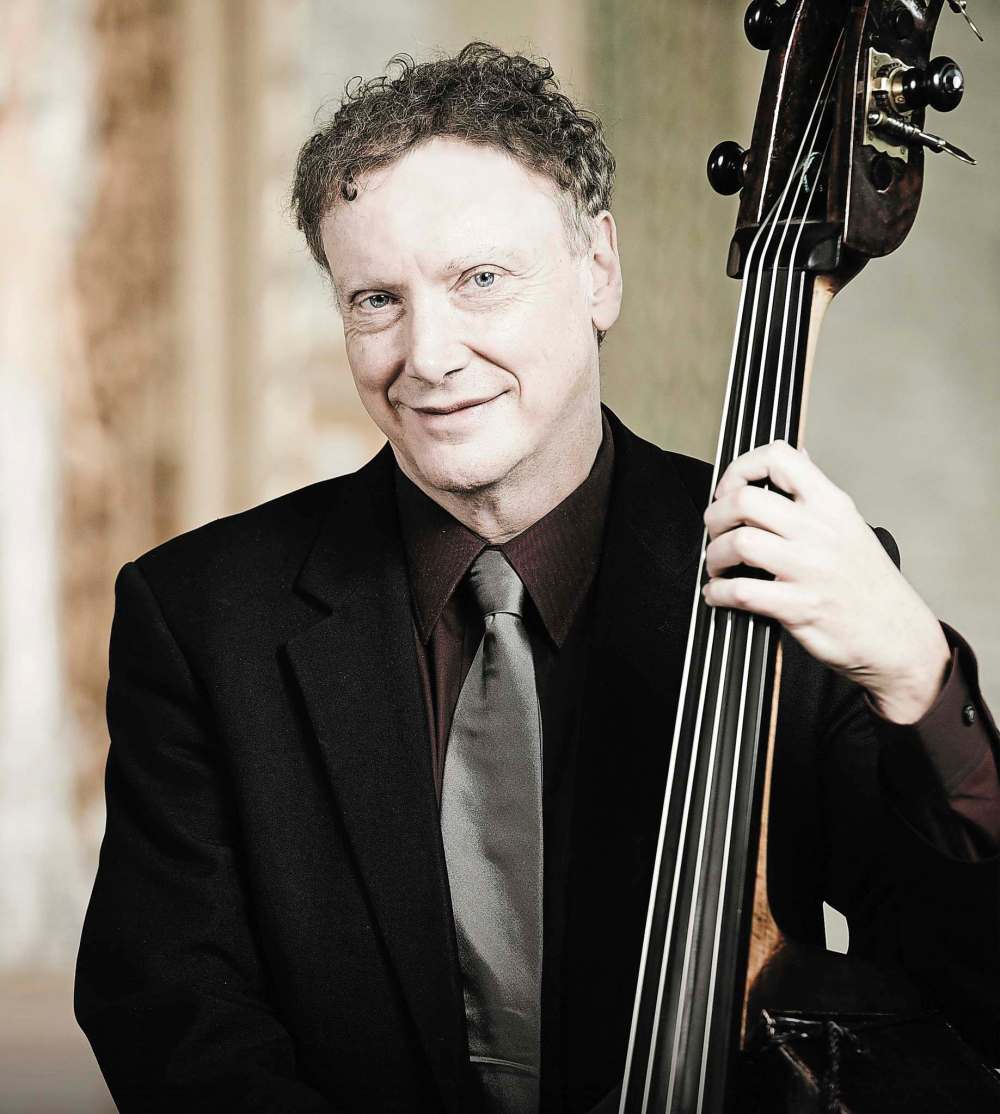
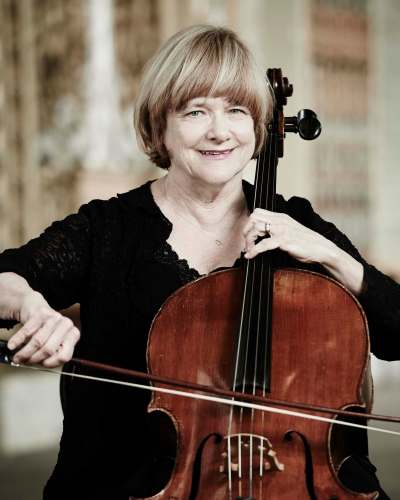
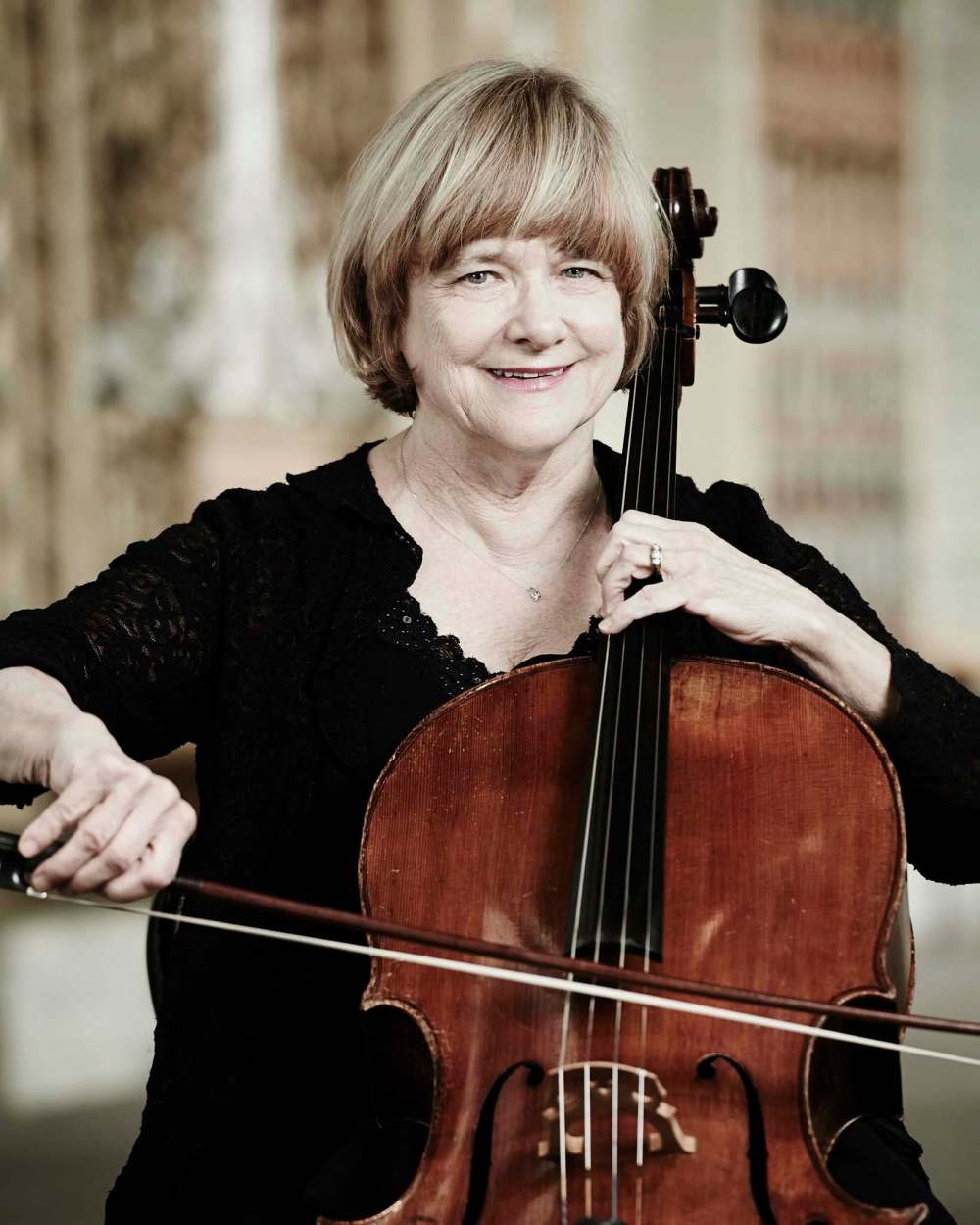
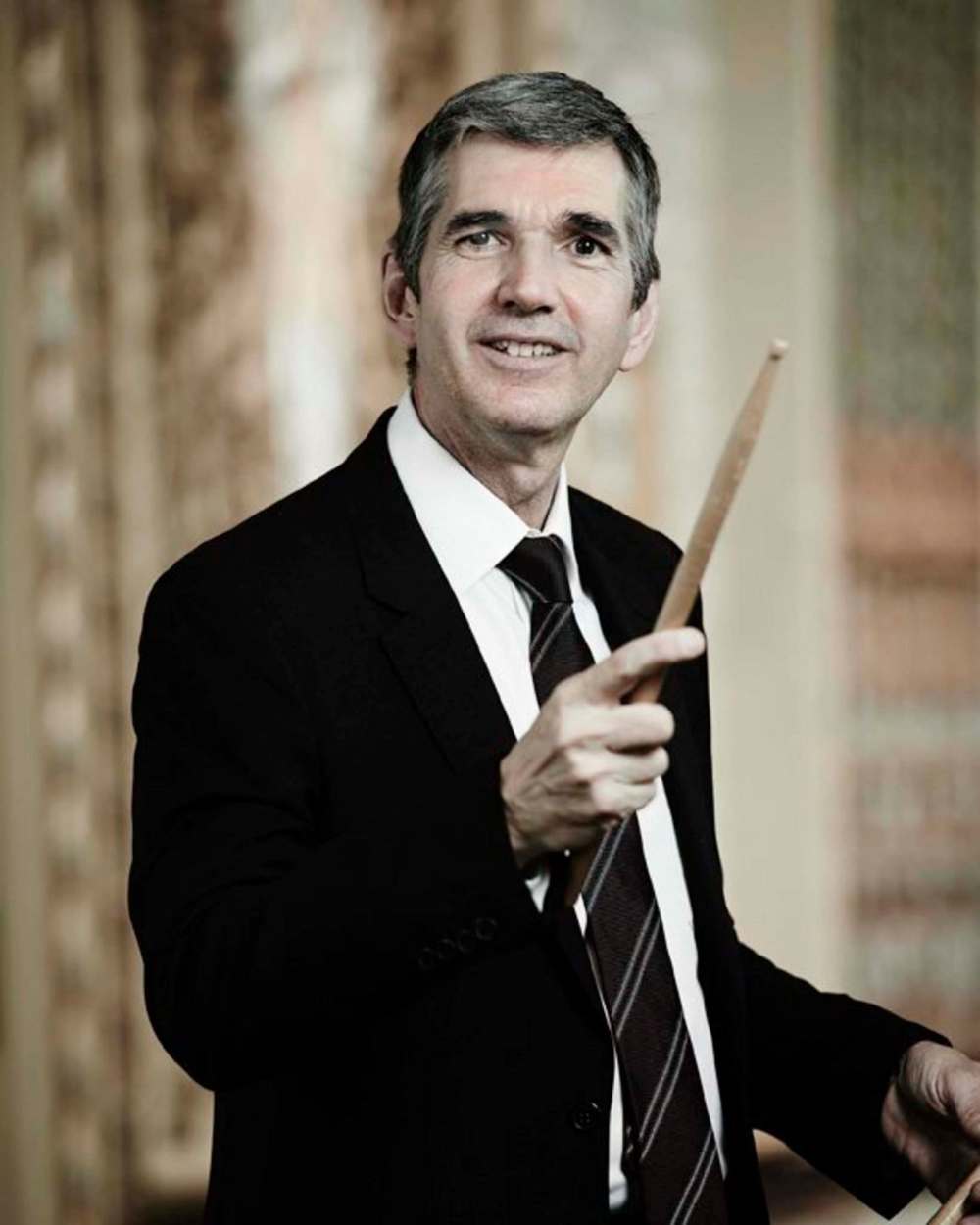
Congratulations and bravo to bass player Paul Nagelberg, who joined the WSO in 1978, his cellist wife Carolyn Nagelberg (1972)— the couple notably met through the WSO — and principal percussionist Fred Liessens (1981) for giving us the gift of your wonderful artistry and always welcomed presence onstage for well over three decades. You will be greatly missed as you each now begin your next glorious chapter.
Holly.harris@shaw.ca
Holly Harris writes about music for the Free Press Arts & Life department.
Our newsroom depends on a growing audience of readers to power our journalism. If you are not a paid reader, please consider becoming a subscriber.
Our newsroom depends on its audience of readers to power our journalism. Thank you for your support.