Local band Leaf Rapids sides with Neil Young, quits Spotify

Advertisement
Read this article for free:
or
Already have an account? Log in here »
To continue reading, please subscribe:

Digital Subscription
One year of digital access for only $205*
- Enjoy unlimited reading on winnipegfreepress.com
- Read the E-Edition, our digital replica newspaper
- Access News Break, our award-winning app
- Play interactive puzzles
*First annual payment billed as $205.00 + GST for one year. This annual subscription will automatically renew at $233.00 + GST every 52 weeks (10% off the regular annual price of $259.35). Offer available to new and qualified returning subscribers only. Cancel any time.
To continue reading, please subscribe:
Add Free Press access to your Brandon Sun subscription for only an additional
$1 for the first 4 weeks*
- Enjoy unlimited reading on winnipegfreepress.com
- Read the E-Edition, our digital replica newspaper
- Access News Break, our award-winning app
- Play interactive puzzles
*Your next Brandon Sun subscription payment will increase by $1.00 and you will be charged $17.95 plus GST for four weeks. After four weeks, your payment will increase to $24.95 plus GST every four weeks.
Read unlimited articles for free today:
or
Already have an account? Log in here »
Hey there, time traveller!
This article was published 03/02/2022 (1642 days ago), so information in it may no longer be current.
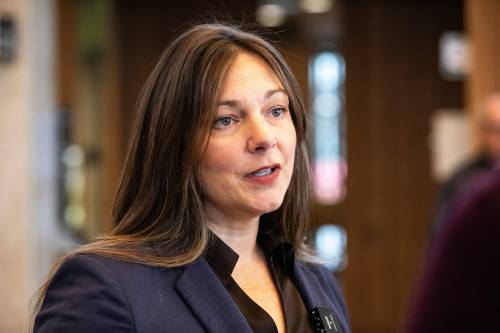
Keri Latimer is done using Spotify, and so is her band.
Latimer, a member of the Canadian Music Award-nominated group Leaf Rapids, says her family has used the streaming service to listen to music, along with about 172 million paying subscribers worldwide. Meanwhile, Leaf Rapids — Keri and Devin Latimer, Joanna Miller and Chris Dunn — has used the service as a vehicle to share their unique blend of roots and folk with the world for half a decade.
Not anymore.

“We had been contemplating making this choice for a while, and this seemed like the right time,” Latimer said on the phone Tuesday.
The band’s decision stems in part from an ethical quandary many musicians and podcasters using the service face.
While Spotify offers an opportunity to be heard, the company has come under criticism, especially in recent weeks, due to one of its most popular and highest-paid podcaster’s espousal of dangerous misinformation related to COVID-19 and vaccinations to his millions of weekly listeners.
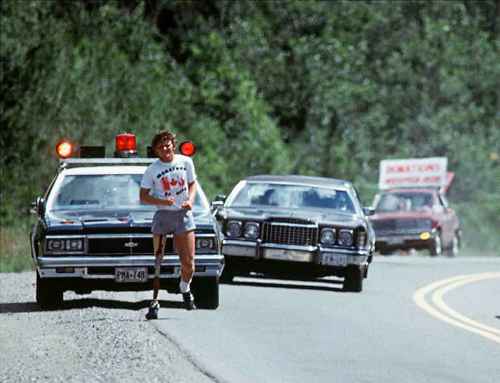
Last week, a pair of Canadian music icons decided to take a stand against the Joe Rogan Experience. “They can have (Joe) Rogan or Young,” Neil Young wrote, offering the company an ultimatum. Joni Mitchell took Young’s side, along with David Crosby and Graham Nash, for good measure. Spotify has since announced that it will add “content advisory warnings” to any podcasts featuring discussions about COVID-19, and unveiled platform rules barring contributors from content promoting “dangerous deceptive medical information that … poses a direct threat to public health.”
Ultimately, Young and Mitchell are standing by their decisions to remove their catalogues from the streaming service.
This is only the latest rift in the complex relationship Spotify has with musicians and content producers like Leaf Rapids, and Latimer cites Young and Mitchell’s stand as a sort of final straw in the band’s relationship to the streaming service.
While streaming on Spotify has benefits from a consumer perspective, it looks different to artists trying to make a living: on one hand, it’s helpful to have their music available to a large audience for discovery, which can lead to increased followings, which may lead to better ticket and merchandise sales, among other benefits.
On the other, the sound quality is not up to many artists’ snuffs, the persistence of streaming seriously impacts physical music sales, and the pay structure doesn’t necessarily lead to lucrative results, even with good listenership: Latimer estimates Leaf Rapids might have earned a few hundred dollars directly from six years of Spotify streaming. When her former band, Nathan, a Juno-winning act, went on tour, she said, they could count on CD and merchandise sales equal or greater than their performance fee; nowadays, artists have to consider whether or not to manufacture physical music products at all.
“I know so many amazingly talented musicians and see how much they put into their craft, and they can’t sell a bloody record right now,” she said.
Throw in the ethical dilemma of sharing a platform as someone sharing commonly debunked and ill-informed opinion about the efficacy of vaccines which have been proven safe, and it adds more weight to an already complicated balance.

Latimer has no illusions about her band’s grandeur. “We realize we have about as much clout in the music biz as a fish in a tsunami,” the band wrote on its Facebook page, in announcing their departure from Spotify. “But when all the fishies swim together, maybe we can make some waves?”
While Young and Mitchell’s decisions make headlines, the decisions of smaller acts like Leaf Rapids undoubtedly make a bigger difference on an individual scale: Neil Young does not need Spotify to get a gig or to grow an audience that’s been growing steadily since the mid-1960s.

And though Latimer said the band would never fault another artist for making a different choice, she said personally, it was worth using this moment as an opportunity to reconsider the act of distributing music during a global pandemic, when musicians face an unclear path to success.
“As consumers, we do have power and this seemed like the right time to make a change we’ve been contemplating,” she said.
Meanwhile, the band is at work writing a new album due out later this year. It will be available to stream on TIDAL and Apple Music, and available to purchase from Leaf Rapids’ Bandcamp.
“We’re going to try to create excellent new material and see if it has worth to people,” she said. “And if it doesn’t? It will have worth to us.”
ben.waldman@winnipegfreepress.com
Ben Waldman is a National Newspaper Award-nominated reporter on the Arts & Life desk at the Free Press. Born and raised in Winnipeg, Ben completed three internships with the Free Press while earning his degree at Ryerson University’s (now Toronto Metropolitan University’s) School of Journalism before joining the newsroom full-time in 2019. Read more about Ben.
Every piece of reporting Ben produces is reviewed by an editing team before it is posted online or published in print — part of the Free Press‘s tradition, since 1872, of producing reliable independent journalism. Read more about Free Press’s history and mandate, and learn how our newsroom operates.
Our newsroom depends on a growing audience of readers to power our journalism. If you are not a paid reader, please consider becoming a subscriber.
Our newsroom depends on its audience of readers to power our journalism. Thank you for your support.
Ben Waldman is a National Newspaper Award-nominated reporter on the Arts & Life desk at the Free Press. Born and raised in Winnipeg, Ben completed three internships with the Free Press while earning his degree at Ryerson University’s (now Toronto Metropolitan University’s) School of Journalism before joining the newsroom full-time in 2019. Read more about Ben.
Every piece of reporting Ben produces is reviewed by an editing team before it is posted online or published in print — part of the Free Press‘s tradition, since 1872, of producing reliable independent journalism. Read more about Free Press’s history and mandate, and learn how our newsroom operates.
Our newsroom depends on a growing audience of readers to power our journalism. If you are not a paid reader, please consider becoming a subscriber.
Our newsroom depends on its audience of readers to power our journalism. Thank you for your support.
Advertisement Advertise With Us
Advertisement Advertise With Us