Apu voice actor ready to compromise
Advertisement
Read this article for free:
or
Already have an account? Log in here »
To continue reading, please subscribe:

Digital Subscription
One year of digital access for only $205*
- Enjoy unlimited reading on winnipegfreepress.com
- Read the E-Edition, our digital replica newspaper
- Access News Break, our award-winning app
- Play interactive puzzles
*First annual payment billed as $205.00 + GST for one year. This annual subscription will automatically renew at $233.00 + GST every 52 weeks (10% off the regular annual price of $259.35). Offer available to new and qualified returning subscribers only. Cancel any time.
To continue reading, please subscribe:
Add Free Press access to your Brandon Sun subscription for only an additional
$1 for the first 4 weeks*
- Enjoy unlimited reading on winnipegfreepress.com
- Read the E-Edition, our digital replica newspaper
- Access News Break, our award-winning app
- Play interactive puzzles
*Your next Brandon Sun subscription payment will increase by $1.00 and you will be charged $17.95 plus GST for four weeks. After four weeks, your payment will increase to $24.95 plus GST every four weeks.
Read unlimited articles for free today:
or
Already have an account? Log in here »
Hey there, time traveller!
This article was published 27/04/2018 (3049 days ago), so information in it may no longer be current.
In the wake of the most recent Simpsons controversy, cast member Hank Azaria is calling for greater cultural diversity and sensitivity on the show — including perhaps a major change to one of his characters.
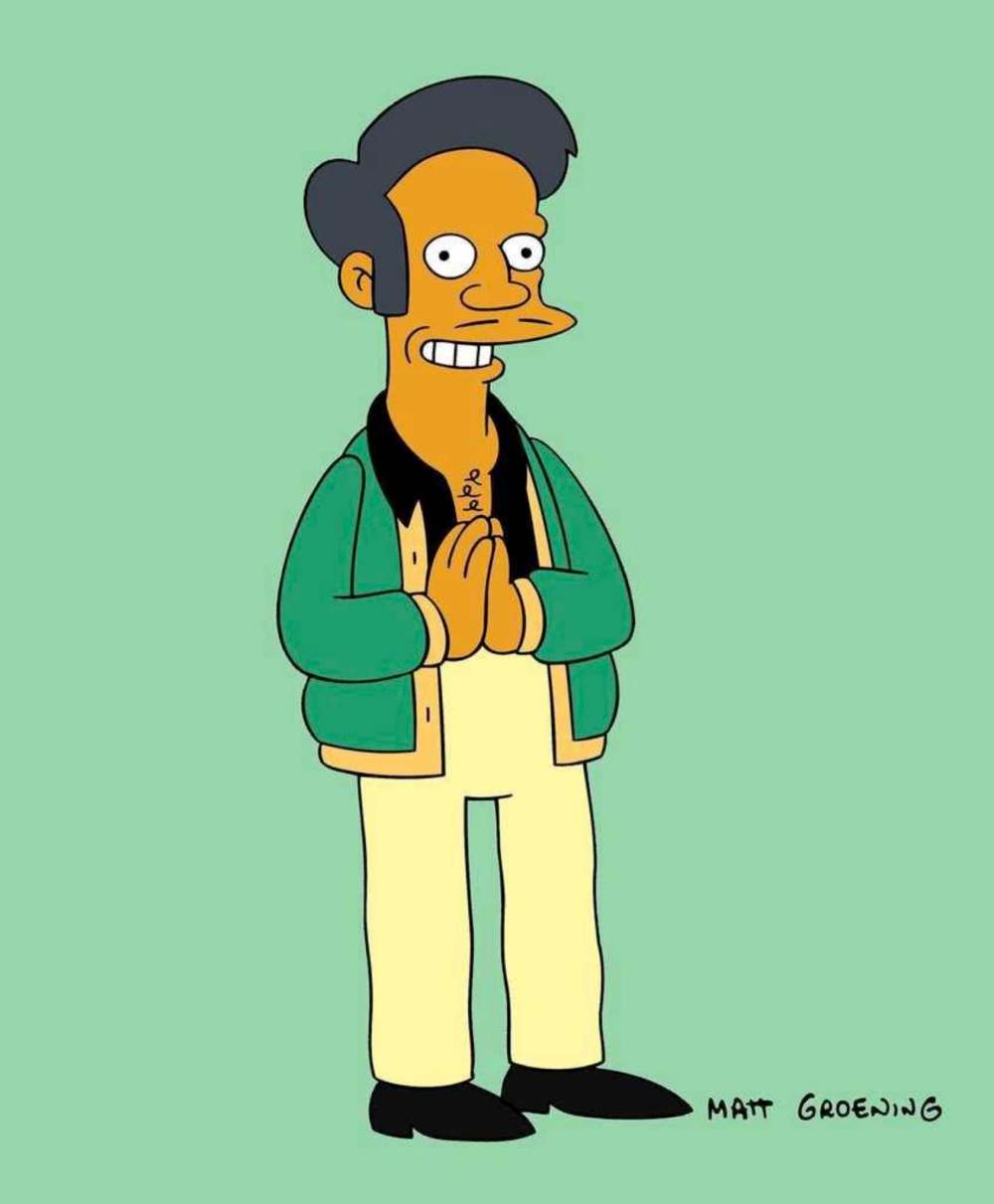
Azaria appeared on The Late Show With Stephen Colbert on Tuesday evening to promote his IFC show Brockmire, but talk naturally turned to one of Azaria’s most prominent Simpsons characters: the convenience store clerk Apu Nahasapeemapetilon, who is of Indian descent.
The character has come under criticism for decades for being a hurtful stereotype of an immigrant ethnic minority, but a documentary in the fall, titled The Problem With Apu, sparked a new firestorm. The Fox show’s apparent response to the documentary, embedded within an episode of the animated series this month, stoked the public debate to new levels, with some cultural critics interpreting the show’s stance as one of smug indifference.
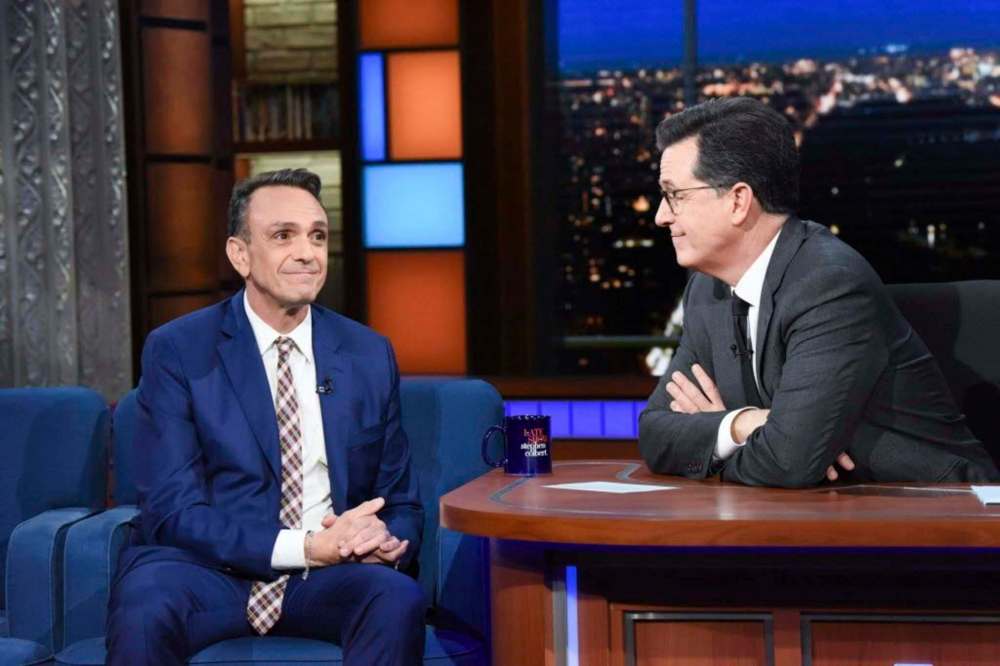
On Tuesday, Azaria struck a sharply different, more open-hearted tone.
“My eyes have been opened,” Azaria told Colbert, noting that he’d given the issue a lot of thought. “And I think the most important thing is, we have to listen to South Asian people, Indian people, in this country, when they talk about what they feel and how they think about this character. And what their American experience of it has been.”
Azaria proceeded to make clear his stance on two aspects of the debate: how Apu is handled as a character and, more broadly, how the show addresses diversity among the creative ranks.
“As you know, in television terms, listening to voices means inclusion in the writers room,” Azaria continued. “I really want to see Indian, South Asian writer (or) writers in the writers room. Not in a token way, but genuinely informing whatever new direction this character may take, including how it is voiced, or not voiced.”
“I’m perfectly happy and willing to step aside or help transition it into something new,” he said. “I really hope that’s what this instance does. It not only makes sense — it just feels like the right thing to do to me.”
Azaria’s words marked a sharp pivot from what he said three years ago, when he defended Apu as being one representation of a character of Indian descent among many on the pop-culture landscape — a quarter-century after Apu debuted on The Simpsons.
“I’ve done every possible nationality on the show,” Azaria said at the time, casting himself as “an equal-opportunity offender, if I’m an offender.”
On April 8, The Simpsons aired the episode “No Good Read Goes Unpunished,” in which the family sets aside electronic devices for books. In revisiting a childhood favourite, though, mother Marge sees that stereotypes abound and so revises the book with cultural correctives, as viewed through a 21st-century prism.
The episode leaves it to daughter Lisa, the show’s resident progressive champion of the marginalized outsider, to ask powerlessly, “What can you do?” when something “that started decades ago” and was applauded and deemed inoffensive by many “is now politically incorrect.”
Next to Lisa was a framed picture of Apu signed with the inscription in an unsubtle dig: “Don’t have a cow.”
That episode drew a wave of criticism, with Brooklyn standup comic Hari Kondabolu, the Problem With Apu filmmaker, calling the show’s response a “sad” turn that seemed a “jab” against progress.
Simpsons showrunner Al Jean defended Lisa’s dialogue.
In response to Tuesday’s Colbert episode, Kondabolu tweeted: “Thank you, Hank Azaria. I appreciate what you said and how you said it.”
— Washington Post