Getting juiced not healthiest option
Advertisement
Read this article for free:
or
Already have an account? Log in here »
To continue reading, please subscribe:

Digital Subscription
One year of digital access for only $205*
- Enjoy unlimited reading on winnipegfreepress.com
- Read the E-Edition, our digital replica newspaper
- Access News Break, our award-winning app
- Play interactive puzzles
*First annual payment billed as $205.00 + GST for one year. This annual subscription will automatically renew at $233.00 + GST every 52 weeks (10% off the regular annual price of $259.35). Offer available to new and qualified returning subscribers only. Cancel any time.
To continue reading, please subscribe:
Add Free Press access to your Brandon Sun subscription for only an additional
$1 for the first 4 weeks*
- Enjoy unlimited reading on winnipegfreepress.com
- Read the E-Edition, our digital replica newspaper
- Access News Break, our award-winning app
- Play interactive puzzles
*Your next Brandon Sun subscription payment will increase by $1.00 and you will be charged $17.95 plus GST for four weeks. After four weeks, your payment will increase to $24.95 plus GST every four weeks.
Read unlimited articles for free today:
or
Already have an account? Log in here »
Hey there, time traveller!
This article was published 29/07/2013 (4799 days ago), so information in it may no longer be current.
CHICAGO — The marketing for freshly pressed and blended juices promises instant energy, weight loss, a flood of vitamins and minerals — all in a single, portable, gulpable serving.
Health-minded consumers seem to have bought the claims — and with them, litres of juice.
Jamba Juice, which sells juices and smoothies, reported $55.1 million in revenue for the 13 weeks ending April 2. Beverage giant Coca-Cola tapped the juice trend early by acquiring Odwalla in 2001, and in 2007 PepsiCo followed suit with Naked Juice.
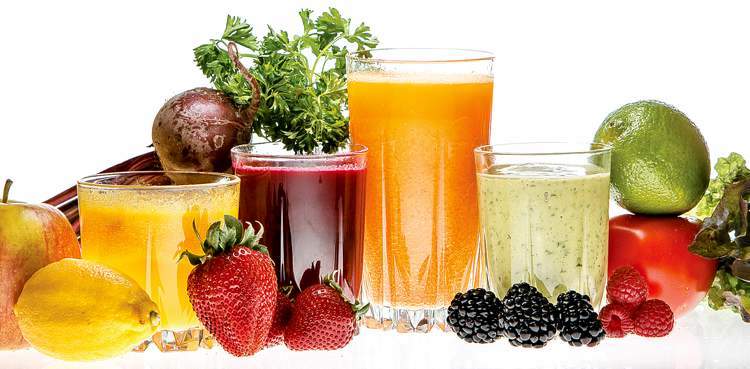
Raw vegetable and fruit juices make up about 10 per cent of sales at The Protein Bar, a Chicago-based chain of health food restaurants, said founder Matt Matros. His customers ask for juice, he said, because they believe it is an important part of their healthy diets.
Tools for juicing at home are also a big business — one of the dozens of juicer choices, a stainless-steel model with more than 100 Amazon.com reviews, sells for close to $1,200. Meanwhile, more than 40 books or e-books related to juice or smoothies have been released in the last 30 days alone on Amazon.com, with the majority mentioning health, weight loss or both in their titles.
But according to dietitians and nutrition scientists, juice is far from the healthiest way to consume fruit, and one expert went so far as to call its popularity a dangerous trend.
The fruit juice industry has essentially taken the “apple-a-day” mentality and used it to sell fruit juices as healthy, said Barry Popkin, a professor in the department of nutrition at the University of North Carolina at Chapel Hil’s Gillings School of Public Health.
Popkin and other experts would rather see people eating whole fruit. Because most juicing methods remove the produce’s fibre, drinking juice omits one of the key benefits of eating fruit while delivering huge amounts of sugar and calories.
Every one of the long-term studies of the health effects of fruit juices shows that you increase your risk of diabetes and weight gain with regular juice consumption, Popkin said.
One 2010 study in the American Journal of Epidemiology followed more than 43,000 adults in Singapore for five years and found those who consumed two or more servings of fruit juice per week had a 29 per cent higher risk of developing diabetes than those who didn’t drink juice regularly — not far behind the 42 per cent increased risk for weekly soda drinkers.
Expensive, freshly pressed fruit juices from the local juice bar are no healthier than the kind sold in grocery stores, Popkin added.
Smoothies do provide fibre, as the entire fruit often goes into the blender, skins and all, but they still contain a lot of calories. Choosing a vegetable-based juice or smoothie is one way to reduce the sugar content, health advocates say.
However, epidemiological studies on juice consumption show correlations, not cause and effect, said Elizabeth Ward, a registered dietitian on Jamba Juice’s Healthy Living Council. Ward said she does not consider juices miraculous, but because of the vitamins and minerals, they are a good alternative to beverages that contain only calories.
Ward and Karen May, a spokeswoman for Naked Juice and Tropicana, agreed most Americans don’t consume enough produce and juice products are a good way to help fix that.
But according to Lara Field, a pediatric dietitian at the University of Chicago Medical Center and founder of a nutrition counselling practice called Forming Early Eating Decisions, or FEED, the sugar in fruit juice far outweighs any possible benefit from the concentrated vitamins and minerals.

Eating too much fruit can make us gain weight, just like eating too much candy, Field said.
Plus, the fibre in fruit complements the vitamins and minerals, so juice drinkers miss out on the optimal health benefits, said Bethany Doerfler, clinical research dietitian in the division of gastroenterology at Northwestern Medicine.
Eating fibre also contributes to a feeling of fullness, or satiety, that helps prevent people from overeating. In one study, published in the journal Appetite in 2009, people who ate apple slices before lunch felt more full and subsequently consumed 15 per cent fewer calories than those who drank apple juice.
— Chicago Tribune