West Coast chef connects contemporary thinking with aboriginal traditions

Advertisement
Read this article for free:
or
Already have an account? Log in here »
To continue reading, please subscribe:

Digital Subscription
One year of digital access for only $205*
- Enjoy unlimited reading on winnipegfreepress.com
- Read the E-Edition, our digital replica newspaper
- Access News Break, our award-winning app
- Play interactive puzzles
*First annual payment billed as $205.00 + GST for one year. This annual subscription will automatically renew at $233.00 + GST every 52 weeks (10% off the regular annual price of $259.35). Offer available to new and qualified returning subscribers only. Cancel any time.
To continue reading, please subscribe:
Add Free Press access to your Brandon Sun subscription for only an additional
$1 for the first 4 weeks*
- Enjoy unlimited reading on winnipegfreepress.com
- Read the E-Edition, our digital replica newspaper
- Access News Break, our award-winning app
- Play interactive puzzles
*Your next Brandon Sun subscription payment will increase by $1.00 and you will be charged $17.95 plus GST for four weeks. After four weeks, your payment will increase to $24.95 plus GST every four weeks.
Read unlimited articles for free today:
or
Already have an account? Log in here »
Hey there, time traveller!
This article was published 23/10/2013 (4680 days ago), so information in it may no longer be current.
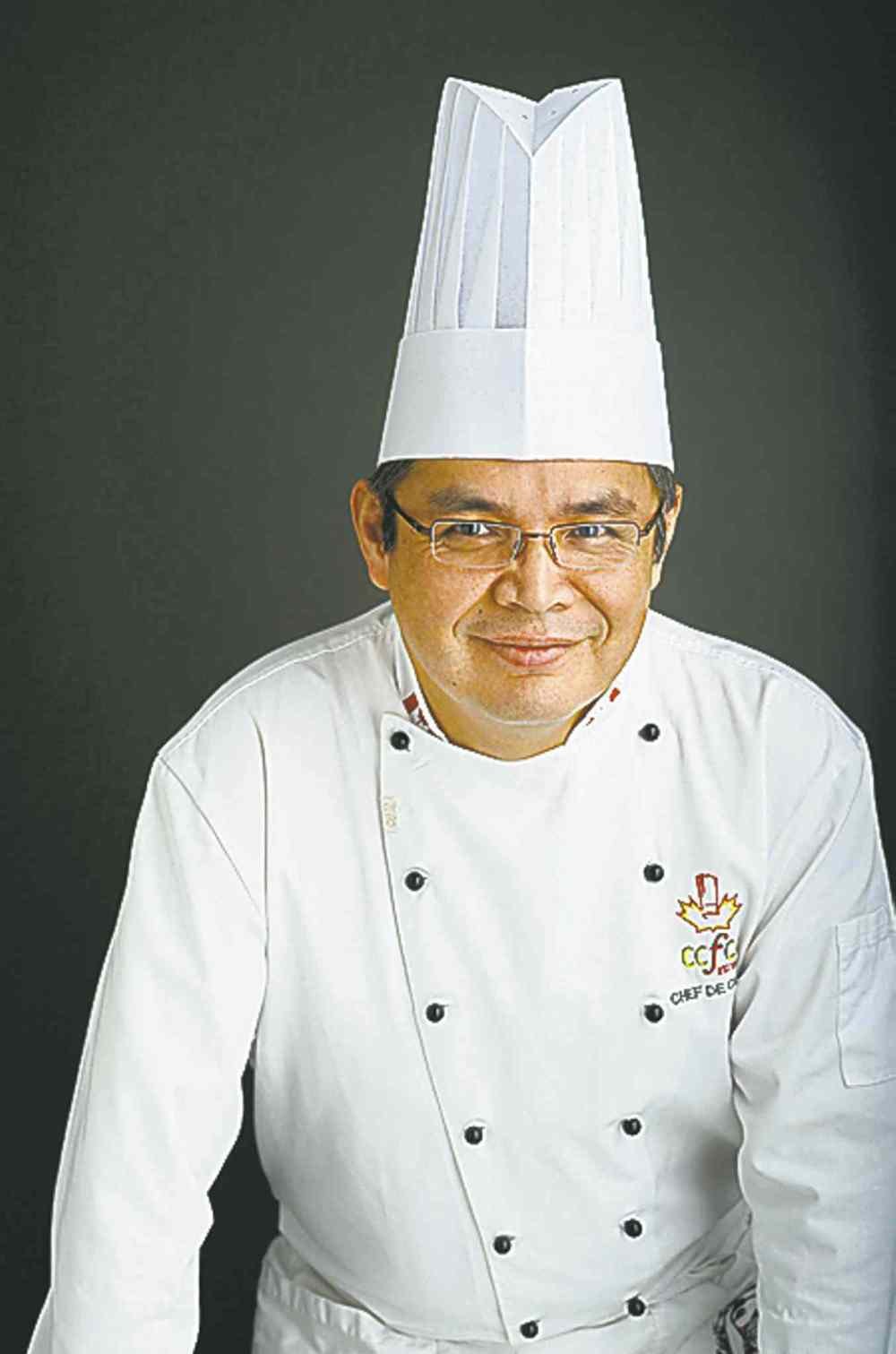
Traditional foods meet contemporary trends in the cooking of Chef Andrew George Jr.
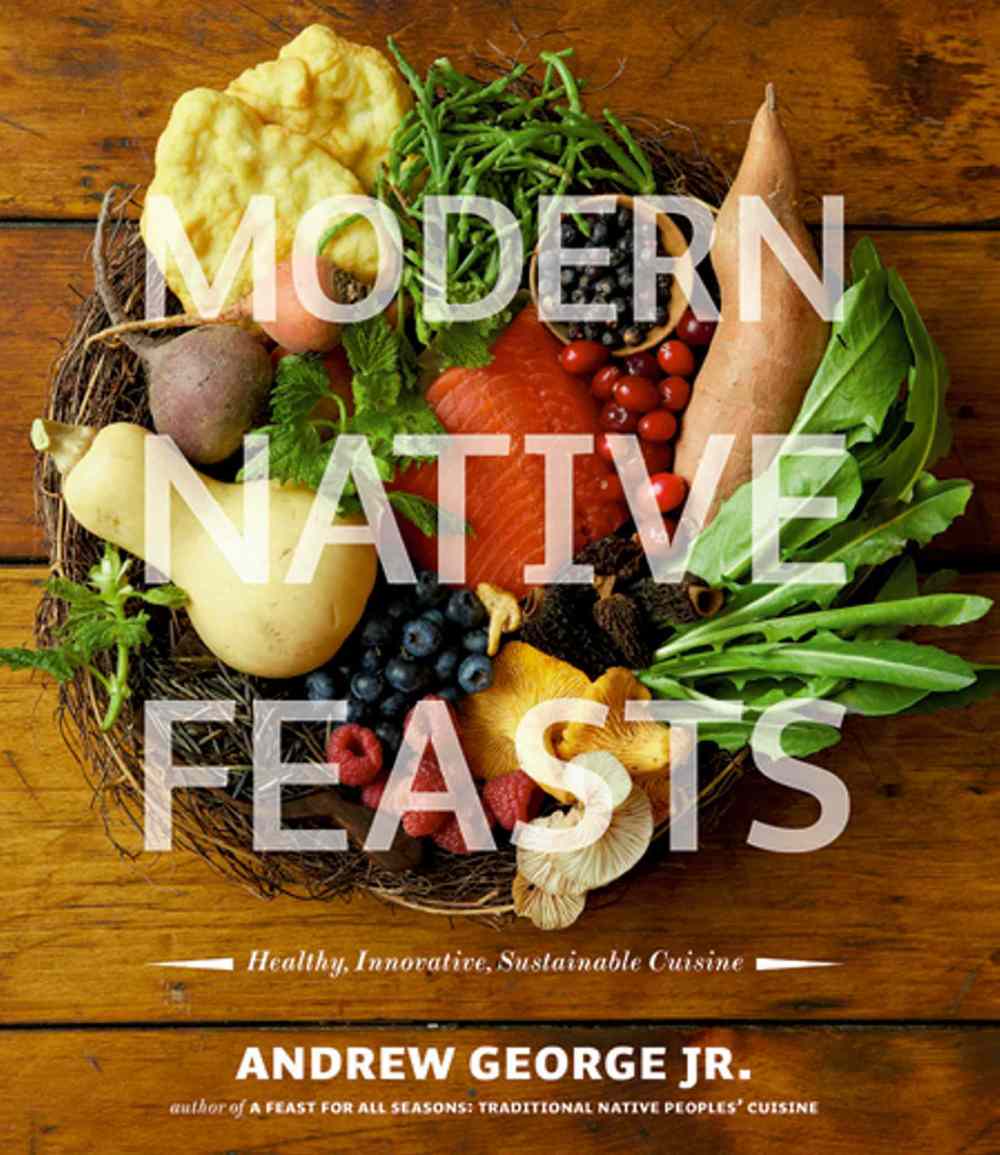
His new cookbook, Modern Native Feasts (Arsenal Pulp Press, $21.95), is a celebration of the foods he loved as a kid. A member of the Wet’suwet’en Nation, George grew up in Telkwa, B.C., in a family of six children. Trout and salmon, moose, deer and rabbit were often on the dinner table.
These days, attitudes about food are just catching up to what George’s family already knew. There is a yearning for local, seasonal and sustainable ingredients, as well as new interest in old-school cooking techniques like brining, smoking and curing. Modern Native Feasts offers a fresh, innovative spin on time-honoured aboriginal cuisine.
George, who spoke to the Free Press by phone from his home in Surrey, B.C., describes contemporary aboriginal cuisine as “the closest you can get to food in its natural state.”
“We gather our berries in the fall. There’s no pesticides or herbicides or any of that stuff,” George says. “The meats are very lean, all natural. There’s no steroids. That’s probably the best way I can describe aboriginal cuisine.”
This approach to eating connects to the global Slow Food movement. “You’ve got fast food. That will never go away. But there is a trend to come back to slow cooking,” George says. “People are having a close look at what food they’re putting into their bodies which, in turn, brings you back to traditional cooking, whether that’s Chinese or Italian or aboriginal, or any other cuisine that does scratch cooking.”
George is based on the West Coast, so his cookbook offers a range of recipes for salmon and Pacific halibut. There’s also venison, elk and caribou, and foraged foods like dandelion greens, wild mushrooms and sage. While the ingredients are resolutely North American, George sometimes borrows from global influences, with recipes for moose cannelloni, Tuscan white bean soup and Japanese-inflected seafood rolls.
“I’ve worked in major hotels, travelled the world, tried a lot of different cuisines,” George says. “At the back of my mind was always the question, ‘Why aren’t there more indigenous foods on the world market? Why aren’t our people in cooking schools?’ I’ve been looking at this since I went to cooking school, way back in 1984.”
In 1992, George competed in the World Culinary Olympics, an experience that convinced him of the powerful ways food can connect to culture and heritage. He has since helped to develop programs and recipes that encourage indigenous people to join the cooking trade.
During the 2010 Vancouver Winter Olympics, George was head chef for the Four Host First Nations Pavilion, which allowed him to share aboriginal cuisine with the world.
Recently, George has worked as a mentor for SuperChefs of the Universe, a program that helps combat obesity and childhood diabetes by educating kids about cooking, nutrition and healthy eating at home.
“A lot of kids just don’t know where their food comes from,” George points out. “That can be a very scary thought in today’s world.”
Making three recipes from Modern Native Feast, I used local saskatoon berries, Manitoba bison and wild rice harvested from Shoal Lake. The bison was meaty and lean, the wild rice had a dark, smoky taste and the saskatoon berries were tart and packed with antioxidants. As George says: “We should all be thinking about where our food comes from.”
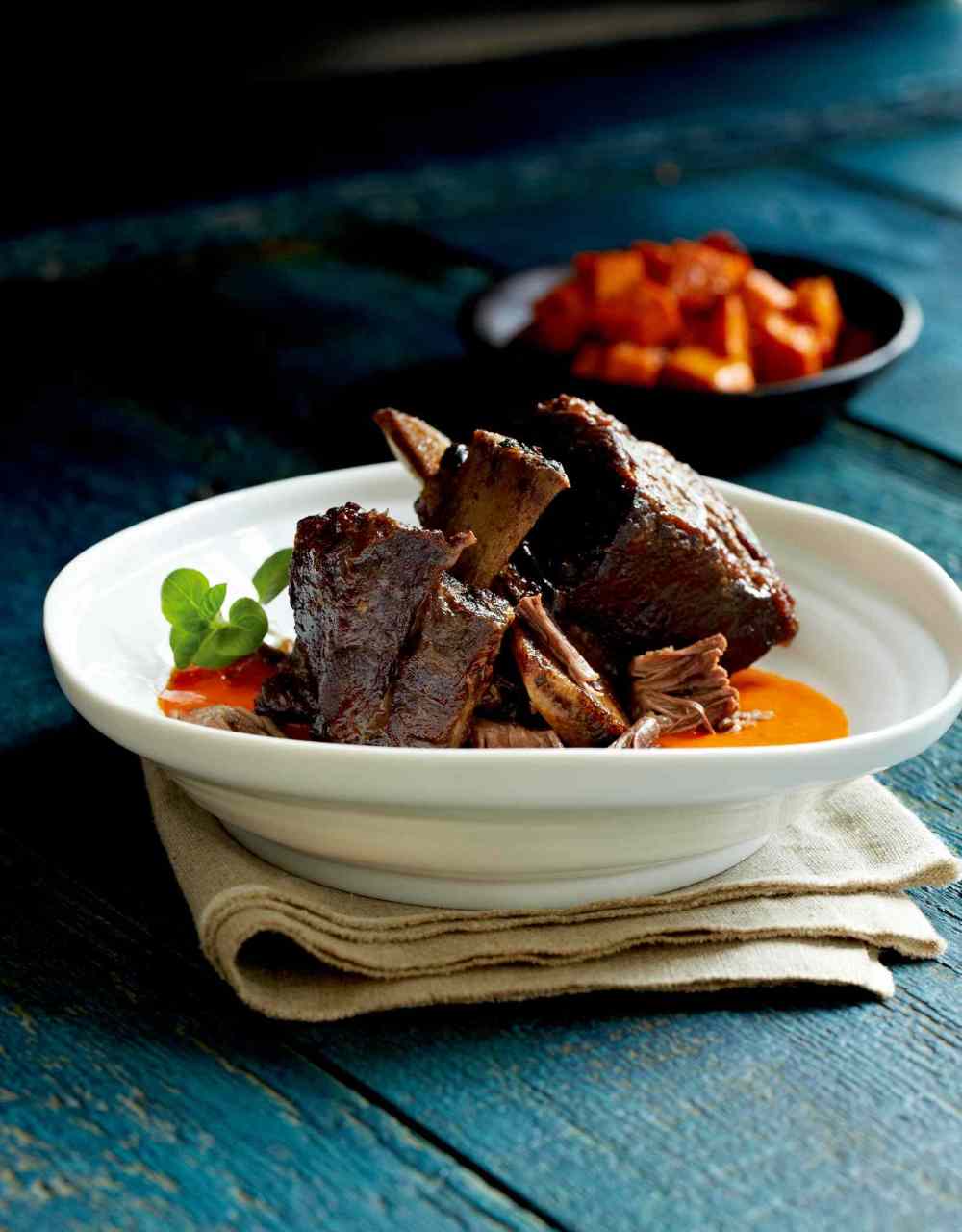
Braised Buffalo Ribs with Red Pepper Pesto
1.5 kg (3 lbs) buffalo ribs
freshly cracked pepper, to taste
30 ml (2 tbsp) canola oil
500 ml (2 cups) diced tomatoes
60 ml (1/4 cup) soy sauce
30 ml (2 tbsp) brown sugar
125 ml (1/2 cup) dark ale, like Guinness
30 ml (2 tbsp) canola oil
6 garlic cloves, crushed
125 ml (1/2 cup) red pepper pesto (see below)
Preheat oven to 160 C (325 F). Pat ribs dry with paper towel and season with freshly cracked pepper. In a cast-iron frying pan on medium-high, heat oil, then brown ribs. Place in oven-proof roasting pan.
In large bowl, combine tomatoes, soy sauce, brown sugar, ale, oil, garlic and pesto. Pour over ribs and bake, covered, basting every 30 minutes, until meat is tender and begins to fall off the bone when pulled with a fork, about 3 hours. Serves 6.
Red Pepper Pesto
6 red bell peppers, seeded and quartered
30 ml (2 tbsp) olive oil
30 ml (2 tbsp) chopped garlic
500 ml (2 cups) fresh basil
15 ml (1 tbsp) pine nuts
75 ml (1/3 cup) olive oil
salt, to taste
ground black pepper, to taste
Preheat broiler to high. Place red peppers on a baking sheet and drizzle with oil. Broil for 20-25 minutes, turning every 5 minutes, until charred. Place in a sealed plastic bag and let sit for 3-5 minutes to steam. Remove and peel off skin; after charring and steaming, it should peel off easily. Set aside.
In food processor or blender, process garlic until minced. Add basil and pine nuts, and process until smooth. Add roasted red peppers and purée. Drizzle in olive oil and blend again until incorporated. Season with salt and pepper. If not using right away, store in refrigerator for up to 1 week or freeze for up to 6 months in ice cube trays or small-portion containers. Makes about 500 ml (2 cups).
Tester’s notes: Just looking at the uncooked ribs made me realize how lean bison is compared to beef. Low, slow braising makes this cut fork-tender.
Wild Rice Pilaf
15 ml (1 tbsp) canola oil
250 ml (1 cup) diced onions
250 ml (1 cup) diced celery
10 ml (2 tsp) chopped fresh garlic
250 (1 cup) chopped chanterelle or morel mushrooms
375 ml (1 1/2 cups) long-grain wild rice
750 ml (3 cups) game or beef stock
2 ml (1/2 tsp) fresh thyme
1 ml (1/4 tsp) salt
125 ml (1/2 cup) diced red bell peppers
In a heavy pot on medium, heat oil. Saute onions and celery until translucent, about 5 minutes. Add garlic and mushrooms, and cook for 5 more minutes. Add rice and stir, allowing rice to slightly brown. Add stock, thyme and salt. Bring to a boil. Cover and let simmer for 45 minutes, until rice is cooked and most of the liquid absorbed. Stir in red bell peppers. Serves 4.
Tester’s notes: The vegetables add flavour, texture and colour. You’ll want to watch near the end of the cooking time so you can hit that sweet spot when the rice is tender but just a little chewy.
Saskatoon Pie
175 ml (3/4 cup) granulated sugar
45 ml (3 tbsp) all-purpose flour
1 l (4 cups) saskatoon berries (a.k.a. serviceberries)
60 ml (1/4 cup) water
30 ml (2 tbsp) lemon juice
60 ml (1/4 cup) butter
pastry for a two-crust pie

Preheat oven to 220 C (425 F). In small bowl, combine sugar and flour. In saucepan on medium-high heat, simmer berries in water for 10 minutes. Add lemon juice, and stir into sugar-flour mixture. Pour into pastry-lined pie plate. Dot with butter. Cover with top crust, seal and flute edges. Bake for 15 minutes. Reduce heat to 175 C (350 F) and bake 35-45 minutes longer, until golden-brown.
Tester’s notes: This makes a good old-fashioned pie. (It was the favourite of George’s father.) I had to use frozen berries, so I cut back a little on the water. If your crust is browning too quickly, just place a ring of foil around the circumference.
alison.gillmor@freepress.mb.ca
Studying at the University of Winnipeg and later Toronto’s York University, Alison Gillmor planned to become an art historian. She ended up catching the journalism bug when she started as visual arts reviewer at the Winnipeg Free Press in 1992.
Our newsroom depends on a growing audience of readers to power our journalism. If you are not a paid reader, please consider becoming a subscriber.
Our newsroom depends on its audience of readers to power our journalism. Thank you for your support.
Cookbook Extra
Read a further excerpt from Modern Native Feasts, with additional recipes
Studying at the University of Winnipeg and later Toronto’s York University, Alison Gillmor planned to become an art historian. She ended up catching the journalism bug when she started as visual arts reviewer at the Winnipeg Free Press in 1992.
Our newsroom depends on a growing audience of readers to power our journalism. If you are not a paid reader, please consider becoming a subscriber.
Our newsroom depends on its audience of readers to power our journalism. Thank you for your support.
Advertisement Advertise With Us
Advertisement Advertise With Us
History
Updated on Wednesday, October 23, 2013 7:00 AM CDT: Changes headline, replaces photo, adds link, adds image