Baffled by bubbly?
Learn the lingo to help find the right sparkling wine
Advertisement
Read this article for free:
or
Already have an account? Log in here »
To continue reading, please subscribe:

Digital Subscription
One year of digital access for only $205*
- Enjoy unlimited reading on winnipegfreepress.com
- Read the E-Edition, our digital replica newspaper
- Access News Break, our award-winning app
- Play interactive puzzles
*First annual payment billed as $205.00 + GST for one year. This annual subscription will automatically renew at $233.00 + GST every 52 weeks (10% off the regular annual price of $259.35). Offer available to new and qualified returning subscribers only. Cancel any time.
To continue reading, please subscribe:
Add Free Press access to your Brandon Sun subscription for only an additional
$1 for the first 4 weeks*
- Enjoy unlimited reading on winnipegfreepress.com
- Read the E-Edition, our digital replica newspaper
- Access News Break, our award-winning app
- Play interactive puzzles
*Your next Brandon Sun subscription payment will increase by $1.00 and you will be charged $17.95 plus GST for four weeks. After four weeks, your payment will increase to $24.95 plus GST every four weeks.
Read unlimited articles for free today:
or
Already have an account? Log in here »
Hey there, time traveller!
This article was published 29/12/2018 (2814 days ago), so information in it may no longer be current.
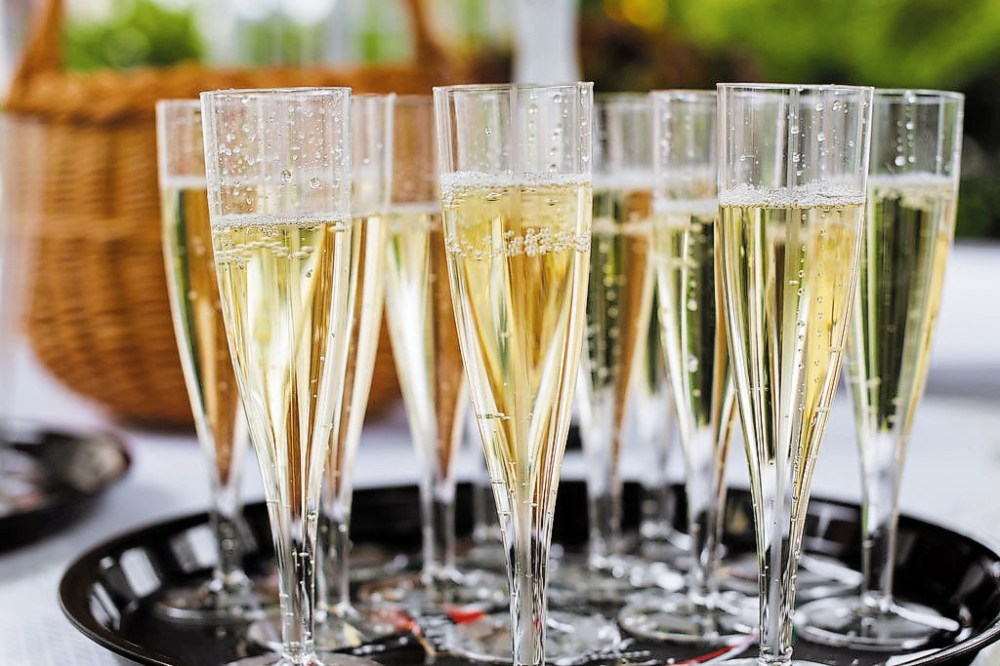
Every year over the holidays — but especially in the days leading up to Dec. 31 — booze-buyers flock to the sparkling wine section of store shelves for their festive fizz.
Sparkling wine is practically mandatory at New Year’s parties, and it’s easy to see why — not only is there something inherently festive about the pop of the cork, but most bubblies pair remarkably well with a wide range of food, from chips to canapés and from oysters to osso buco.
But not all sparkling wine is created equal, and what’s on the label can be confusing for those who don’t drink bubbly on a regular basis. Here are a few key terms you should know to help you navigate the sparkling wine aisle at your favourite store…
Asti: Sparkling wine made in Italy’s Piedmont region from the Moscato Bianco grape; typically quite sweet and with intense orange/citrus flavours.
Baby Duck: Avoid. You deserve better.
Blanc de Blanc(s): A white sparkling wine made from only white grapes.
Blanc de Noir: A white sparkling wine made from only red grapes.
Brut: Sparkling wine made in a dry style. One of the most common styles.
Cava: Bubbly from Spain made in the traditional method from indigenous Spanish grape varieties, typically some blend of Macabeo, Parellada and Xarel-lo. Usually made dry, with common flavours of citrus and lots of bubbles. Typically very good value bubbly.
Champagne: Sparkling wine made from the region of France of the same name, where bubbly was pioneered by a monk named Dom Pérignon. French champagne is usually a blend of Chardonnay, Pinot Noir and/or Pinot Meunier.
Crémant: Sparkling wine made in France in the traditional method, but which is not produced in Champagne.
Demi-Sec: An off-dry to medium-sweet sparkling wine.
Extra Brut/Brut Nature: The driest styles of sparkling wine.
Frizzante: Refers to Italian sparkling wine with softer, lighter effervescence.
Prosecco: Italian bubbly from the Veneto region made primarily in the charmat method (secondary fermentation taking place in stainless steel tanks) from the Glera grape. Often off-dry, with peach and ripe apple flavours.
Sekt: Sparkling wine from Germany that is often Riesling-based, but can be made using any number of grape varieties. Usually has at least a hint of sweetness.
Spumante: A fully sparkling Italian wine (versus frizzante).
Traditional method/méthode traditionelle: Indicates the wine underwent secondary fermentation in the bottle rather than in a tank (called the charmat method). Formerly known as the Champagne method/méthode champenoise, as the process originated in the French sparkling wine region.
uncorked@mts.net
Twitter: @bensigurdson
Drinks of the week
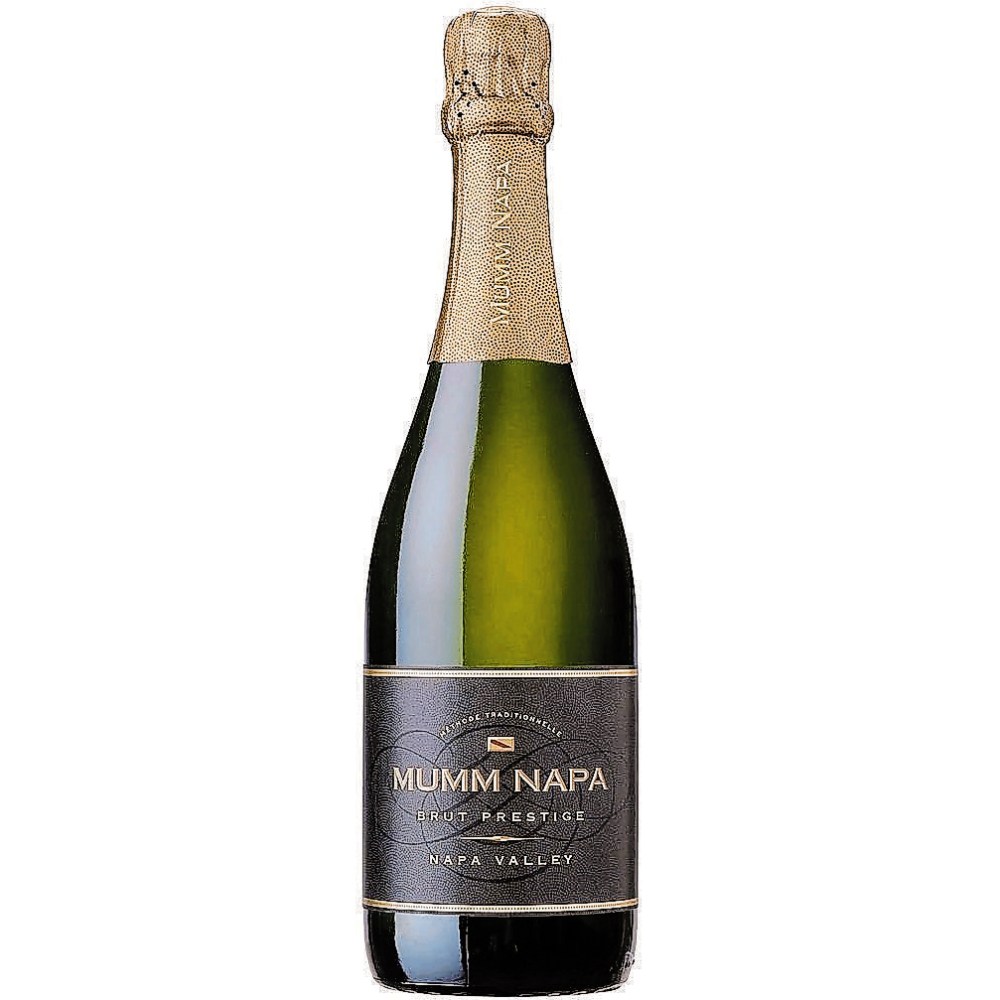
Mumm Napa NV Brut Prestige (California — $23.49, Liquor Marts and beyond)
This California bubbly is a blend of Chardonnay, Pinot Noir, Pinot Gris and Pinot Meunier — all of which but the Pinot Gris are grapes most often used in French Champagne (while Pinot Gris is allowed in the French bubbly, it’s uncommon). Aromatically, this traditional-method sparkling wine brings bread dough, biscuit, red apple, vanilla and peach notes. On the medium-bodied palate, the ripe apple notes work well with the dough/biscuit component, which, in conjunction with the soft effervescence, adds a creaminess to the texture that’s delightful. ★★★★
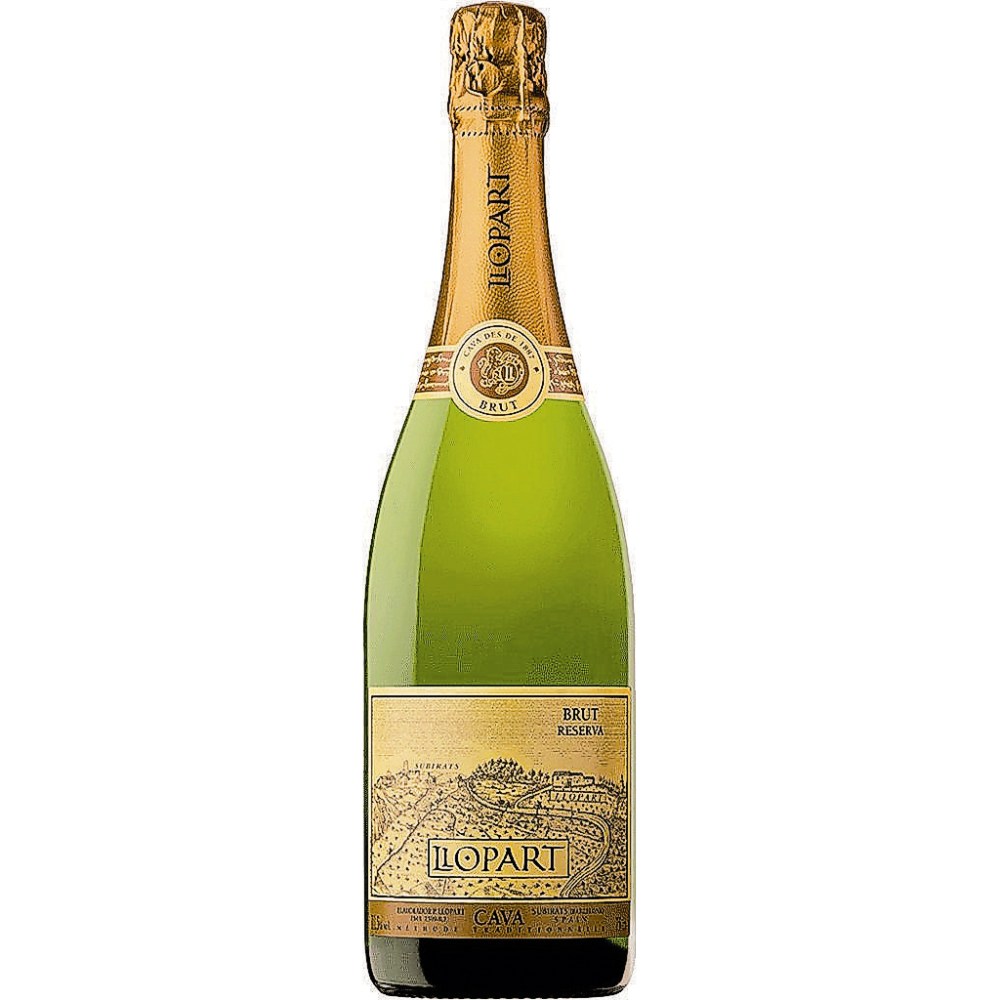
Llopart NV Brut Reserva Cava (Catalunya, Spain — $25.99, Liquor Marts and beyond)
Made from a 40-30-30 blend of Xarel-lo, Macabeo and Parellada grapes, this Spanish bubbly brings an elegant combination of pear, red apple, lime zest, chalk and fresh lemons. On the dry, light-bodied palate, the citrus notes are out front, with the lemon and lime notes working well with the moderate acidity and the chalky note that runs through this Cava, persisting through to the almost peppery finish. It’s a little pricier than your average Cava, but brings a fair bit more complexity. ★★★★
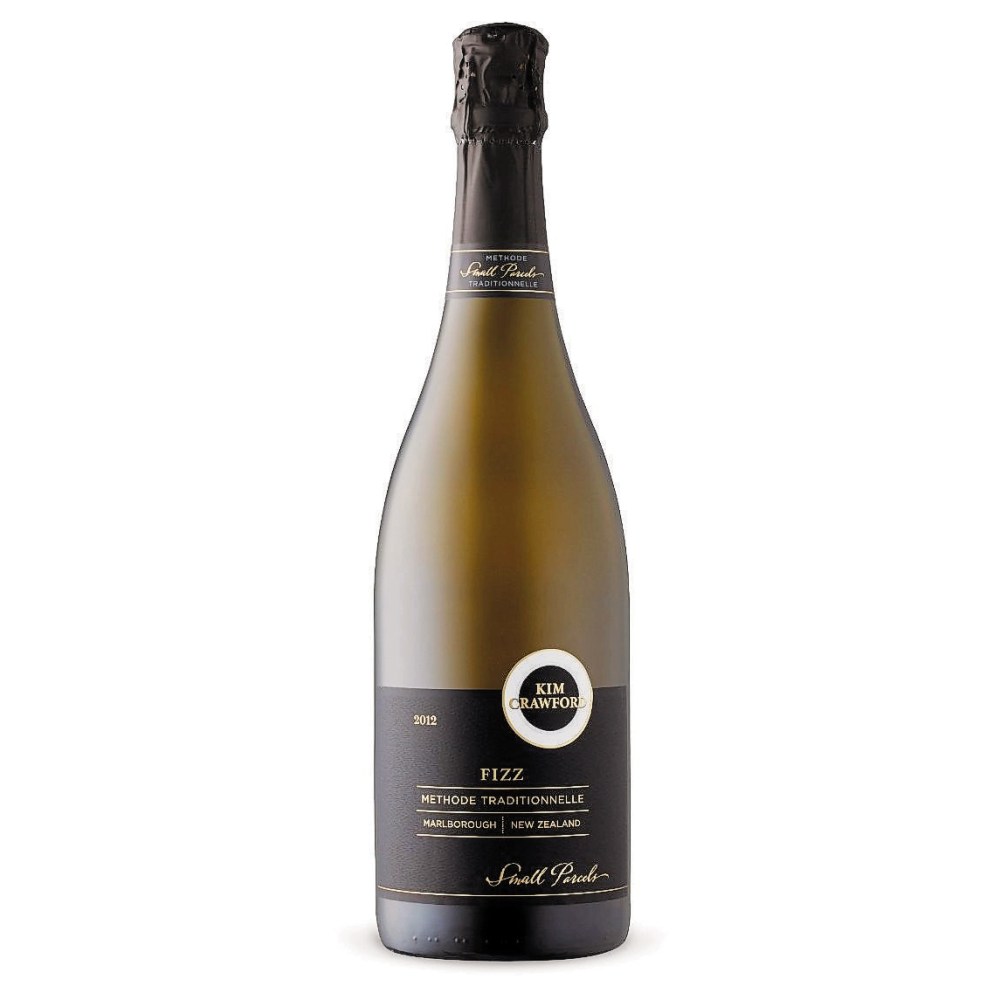
Kim Crawford 2012 Small Parcels Fizz (Marlborough, New Zealand — $29.99, Liquor Marts and beyond)
This Chardonnay/Pinot Noir blend is deep gold in colour, and aromatically brings a wonderfully complex nose of crème brûlée, chalk, red apple, pear, lemon candy and floral notes. On the medium-bodied palate, the (slightly bruised) apple and fresh lemon notes take over, with racy chalky notes working beautifully with herbal and lemon zest notes, and with a subtle white pepper note on the finish. It’s rare to find a vintage-dated, non-Champagne bubbly for this price (especially with an older vintage), and just as rare to find one that rivals its French counterparts for such a bargain. Excellent. ★★★★★
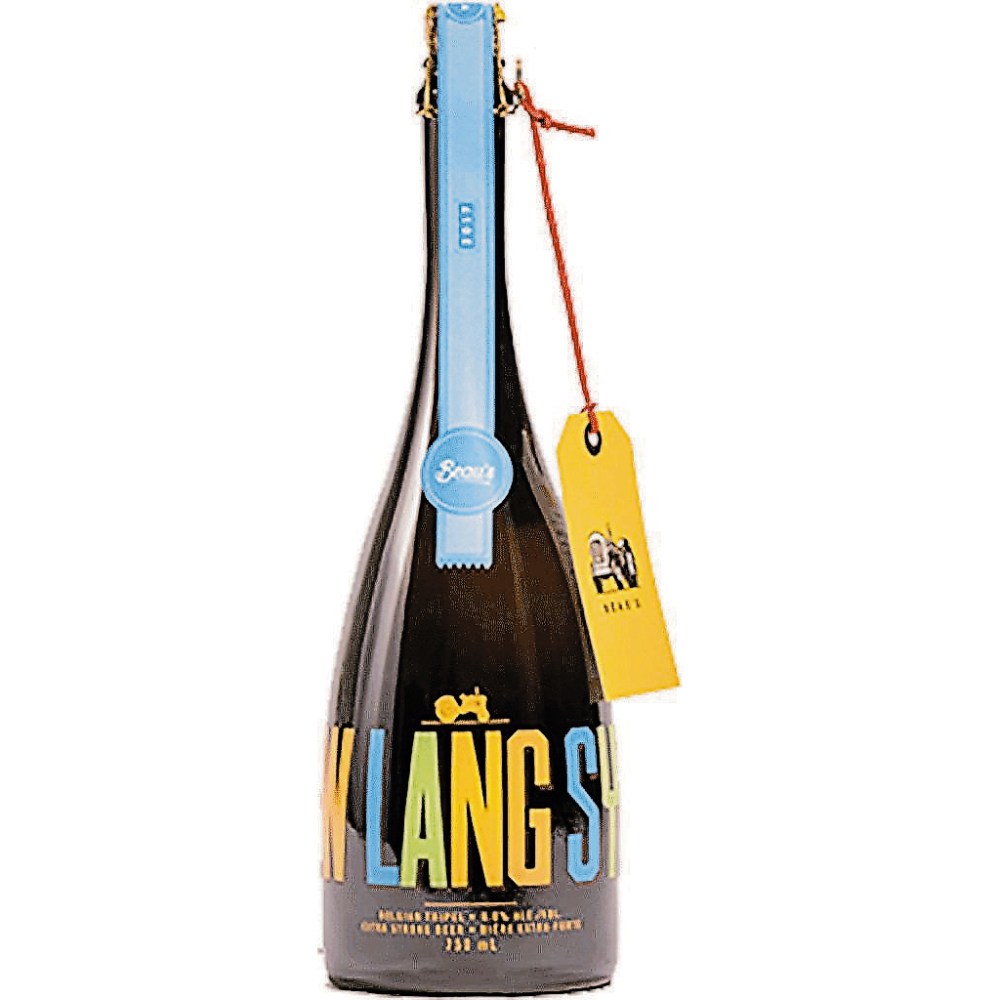
Beau’s 2018 New Lang Syne (Vankleek Hill, Ont. — $16.73/750ml bottle, Liquor Marts and select beer vendors)
Beau’s is back with the latest iteration of its New Year’s beer. It’s a Belgian-style tripel that’s copper in colour and cloudy with a frothy white head, while aromatically it brings bread dough, banana candy, dried stone fruit and malty notes. On the light-plus bodied, creamy palate, those flavours — especially the dried fruit notes — come through intensely, with a yeasty note and just a hint of pepperiness that lingers on the long, warm finish (the brew is nine per cent alcohol). A fine alternative to sparkling wine to toast the new year. ★★★★
Related Articles
Prosecco's bubble shows no sign of bursting
Advertisement Advertise With Us
Advertisement Advertise With Us