Black Restaurant Week aims to showcase diverse cuisines, uplift Black business owners
Advertisement
Read this article for free:
or
Already have an account? Log in here »
To continue reading, please subscribe:

Digital Subscription
One year of digital access for only $205*
- Enjoy unlimited reading on winnipegfreepress.com
- Read the E-Edition, our digital replica newspaper
- Access News Break, our award-winning app
- Play interactive puzzles
*First annual payment billed as $205.00 + GST for one year. This annual subscription will automatically renew at $233.00 + GST every 52 weeks (10% off the regular annual price of $259.35). Offer available to new and qualified returning subscribers only. Cancel any time.
To continue reading, please subscribe:
Add Free Press access to your Brandon Sun subscription for only an additional
$1 for the first 4 weeks*
- Enjoy unlimited reading on winnipegfreepress.com
- Read the E-Edition, our digital replica newspaper
- Access News Break, our award-winning app
- Play interactive puzzles
*Your next Brandon Sun subscription payment will increase by $1.00 and you will be charged $17.95 plus GST for four weeks. After four weeks, your payment will increase to $24.95 plus GST every four weeks.
Read unlimited articles for free today:
or
Already have an account? Log in here »
Hey there, time traveller!
This article was published 14/07/2023 (1183 days ago), so information in it may no longer be current.
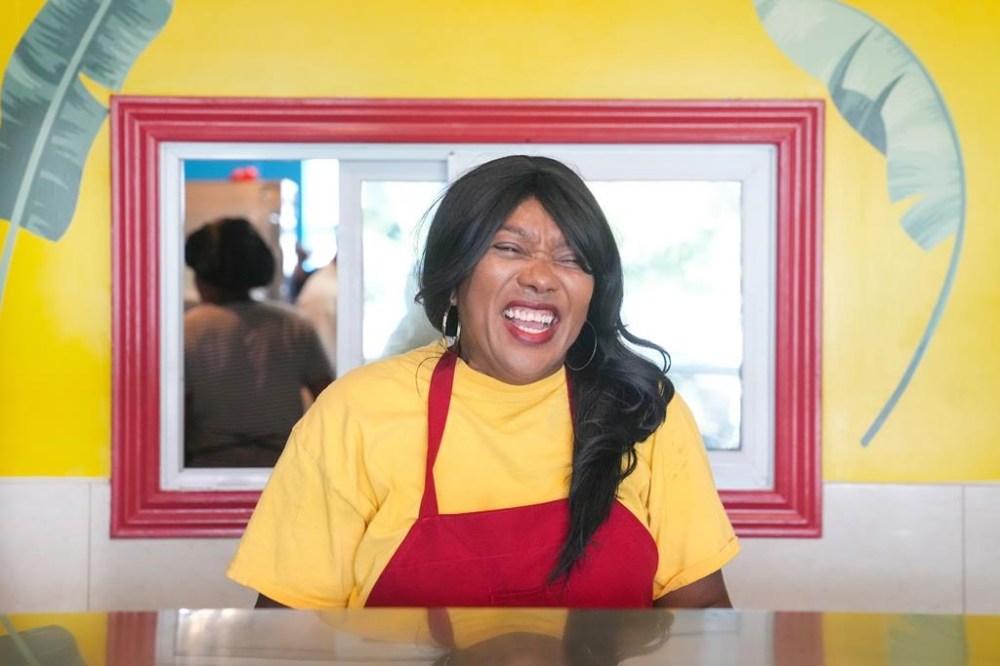
TORONTO – It’s the authentic Jamaican jerk chicken, curry goat and oxtail dishes that restaurant owner Stacy Porter hopes will get you in the door of her Scarborough eatery.
After some struggles coming out of the pandemic, she’s optimistic she can win over people’s support for years to come through the tastes of Caribbean cuisine.
Porter’s restaurant, Stacy’s Island Flavor, is one of around 20 participating in the third edition of Black Restaurant Week in the Toronto area, which kicked off July 7 and runs through Sunday.
The event aims to promote Black-owned culinary businesses and food professionals unable to afford costly marketing campaigns on their own through complimentary public relationsservices. It’s also meant to educate consumers on the abundance of cultural cuisines within their neighbourhoods and the disparities faced by racialized business owners.
Porter said it can be challenging to promote the type of dishes she offers. Despite rave reviews and award-winning food, the positive feedback hasn’t always translated to more reservations.
“We’ve faced struggles, but I keep optimistic that things will change,” said Porter, whose restaurant has been open for four years but moved last year from its previous Markham location. She said she was offering specials and free samples throughout the week to help spread the word.
“I’m not saying we don’t get business, but I always say as a Black business, we kind of suffer a little bit, I think, just because of a lack of support.”
Black Restaurant Week was founded in 2016 in Houston, Texas. Falayn Ferrell, managing partner of the event, said she and her co-founders noticed a lot of Black-owned restaurants weren’t included as part of the city’s local restaurant week festivals because they lacked a business model of fine dining.
“We wanted to create something that was all-inclusive for them — the food truck, the bakery and the full-service restaurants,” she said.
In eight years, the organization has supported more than 3,000 restaurateurs, bartenders, chefs, caterers and food trucks. It said last year, it showcased 1,250 Black-owned culinary businesses across the U.S., Toronto and Vancouver, and generated an average sales increase of 15 per cent.
Although there are plans to expand further in Canada, she said Toronto was a perfect fit for the event’s first foray into the country when it expanded two years ago.
“When people hear Black restaurants, they always assume like soul food or things like that, and you’ll walk into cities and just see this whole world of international diversity kind of cuisine going on, whether it’s African, through an Ethiopian population, or Caribbean,” said Ferrell.
“I think that’s really what intrigued us most about Toronto.”
Ferrell said the odds are continuously stacked against Black-owned culinary businesses and that for many, their survival is still in jeopardy amid economic downturns associated with the pandemic and ongoing inflationary pressures.
A Statistics Canada study published in February, which compared the socioeconomic characteristics of Black business owners in Canada with their white and other racialized counterparts, outlined further challenges.
It found Black male business owners earn an average of $43,300 less than white men, while Black women, on average, had incomes at least $16,000 less than white women.
The study cited a Black Business and Professional Association survey which showed 81.4 per cent of Black female business owners reported having used their own funds to start their business. Some added that access to financing and the costs of loans are major obstacles to owning a business.
“A lot of businesses in our community are usually started out of passion or a necessity, so they’re using their personal loans, they’re using personal credit cards, personal savings,” Ferrell said.
“When you have something like a pandemic, or anything else that comes along, there’s really not that financial backing that they can run to, to weather the storm. So it really does become about continuing to grow your consumer base.”
Junior Earle, the owner of TDot Jerk in Toronto, said he knows the challenge of trying to popularize dishes considered less common in a community.
Even in a city as diverse as Toronto, he said many customers are unfamiliar with the Jamaican food his restaurant has been serving for eight years, which is cooked using a drum smoker.
“It’s hard for a Black-owned business to promote themselves for exposure,” he said.
“To be honest, 90 per cent of Torontonians do not, I would say, know real authentic jerk chicken and jerk pork. A lot of Caribbean restaurants do jerk in the oven and that’s not authentic. Smoke is the difference. Jerk has one meaning and it’s the process of how you get it done.”
Porter said she hopes Black Restaurant Week can provide the opportunity to attract the attention of new customers — and their tastebuds.
“I want to say to our customers that we have good quality food over at Stacy’s Island Flavor and our service is next to none,” she said.
“We treat everybody with love and respect, so come on over so we can love on them.”
This report by The Canadian Press was first published July 14, 2023.