Not all Veneto wines are created equal

Advertisement
Read this article for free:
or
Already have an account? Log in here »
To continue reading, please subscribe:

Digital Subscription
One year of digital access for only $205*
- Enjoy unlimited reading on winnipegfreepress.com
- Read the E-Edition, our digital replica newspaper
- Access News Break, our award-winning app
- Play interactive puzzles
*First annual payment billed as $205.00 + GST for one year. This annual subscription will automatically renew at $233.00 + GST every 52 weeks (10% off the regular annual price of $259.35). Offer available to new and qualified returning subscribers only. Cancel any time.
To continue reading, please subscribe:
Add Free Press access to your Brandon Sun subscription for only an additional
$1 for the first 4 weeks*
- Enjoy unlimited reading on winnipegfreepress.com
- Read the E-Edition, our digital replica newspaper
- Access News Break, our award-winning app
- Play interactive puzzles
*Your next Brandon Sun subscription payment will increase by $1.00 and you will be charged $17.95 plus GST for four weeks. After four weeks, your payment will increase to $24.95 plus GST every four weeks.
Read unlimited articles for free today:
or
Already have an account? Log in here »
Hey there, time traveller!
This article was published 03/02/2024 (967 days ago), so information in it may no longer be current.
One of Italy’s most productive wine regions, Veneto doesn’t appear on the front label of many bottles. But the northeastern region is home to some of the country’s best-known and bestselling sparkling, white and red wines.
And while quantity certainly isn’t an issue, the quality levels on Venetian wines can vary greatly — and knowing what to look for on the label will go a long way in finding the region’s best bottles.
If you think of Italy as boot-shaped, the Veneto region sits near the very top of the back of the boot. Wine-producing regions can be found near Venice and the Adriatic Sea all the way inland, past Verona and up to the eastern shore of Lake Garda.
Wander through the sparkling wine section of your favourite shop and you’ll see one of Veneto’s primary wine exports — Prosecco. Made from the Glera grape, it’s generally a fairly light, fresh and straightforward sparkling wine — a crowd-pleaser that works well with brunch, birthday parties and in a mimosa.
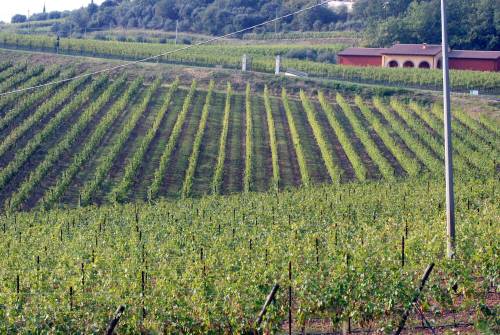
Martino Masotto / The Associated Press files The Soave region of Veneto in northern Italy is known for its whites made from the Garganega grape; styles can range from simple, light and fresh to richer and more complex.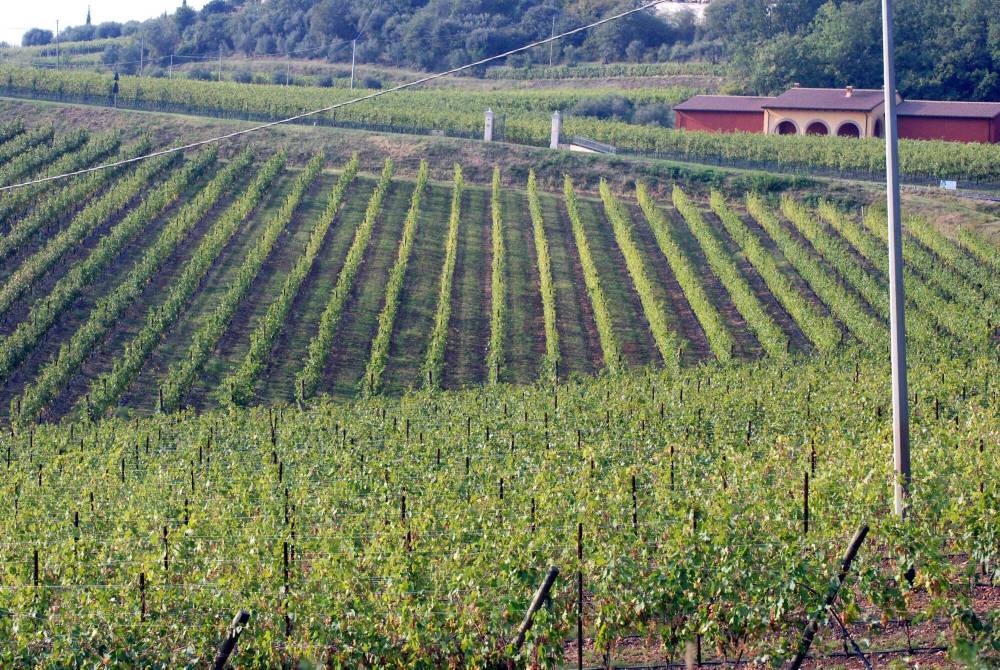
Grapes for Prosecco come from a wide range of sub-regions in Veneto, but the best are labelled “Prosecco Valdobbiadene” — the fruit for these fizzies is sourced from select vineyards on steep hillsides and bring much more complexity and depth of flavour.
When it comes to white wines, many Venetian producers are pumping out boatloads of bottles made from the always-popular Pinot Grigio grape, but it’s wines from the Soave sub-region, located near Verona, that offer the most promise when it comes to quality.
Made primarily from the Garganega grape, even the most basic, entry-level Soaves bring a fresh fruit salad of flavours for a decent price and are ideal for pairing with milder cheeses, seafood and salads.
And while whites carrying the Soave Classico designation are a bit pricier than regular Soave, the difference in depth of flavour and complexity is substantial, with deeper, richer fruit flavours, more body and remarkable complexity.
There aren’t many in our market, but they’re well worth seeking out, and can work well with richer fish or shellfish dishes, cream- or oil-based pasta dishes and more.
Valpolicella is the red wine most widely associated with Veneto. Typically made from some combination of the indigenous Corvina, Rondinella and Molinara grapes, like Prosecco, there are many to be found on store shelves in our province, many of which are well-priced, cheerful and food-friendly — perfect pizza wine.
But like Soave, not all Valpolicellas are created equal. Reds labelled Valpolicella Classico, for example, are made from a smaller sub-region, and tend to bring more structure and character.
There’s also Valpolicella Superiore, which is aged for at least one year and has a slightly higher alcohol content than its entry-level counterparts. For food pairing think pasta in red sauce, charcuterie and medium-strong cheeses.
Top of the heap when it comes to Venetian reds is Amarone, a very dense and high-alcohol red. While it’s made from the same grape varieties as entry-level Valpolicella, grapes destined for Amarone go through the appassimento process, which sees grapes laid on mats or hung to air dry before they’re fermented.
That raisined fruit offers more concentration of fruit flavours and sugar; more sugar means more fermentation time, which means higher alcohol (often in the range of 15 to 16 per cent by volume) and some real aging potential.
It also requires more grapes and more labour, one of the reasons Amarone is far more expensive than entry-level Valpolicella. It works with heartier meat dishes and sharper cheeses.
For those who want to experience some of those dense Amarone flavours at a fraction of the price, Valpolicella Ripasso is the way to go. These reds go through normal fermentation before leftover dried grape skins and must from Amarone production are added for a secondary fermentation, resulting in some of that density of fruit without the hefty price tag. Try it with grilled meats, hearty pasta in red sauce or the cheese of your choice.
uncorked@mts.net
@bensigurdson
Wines of the week
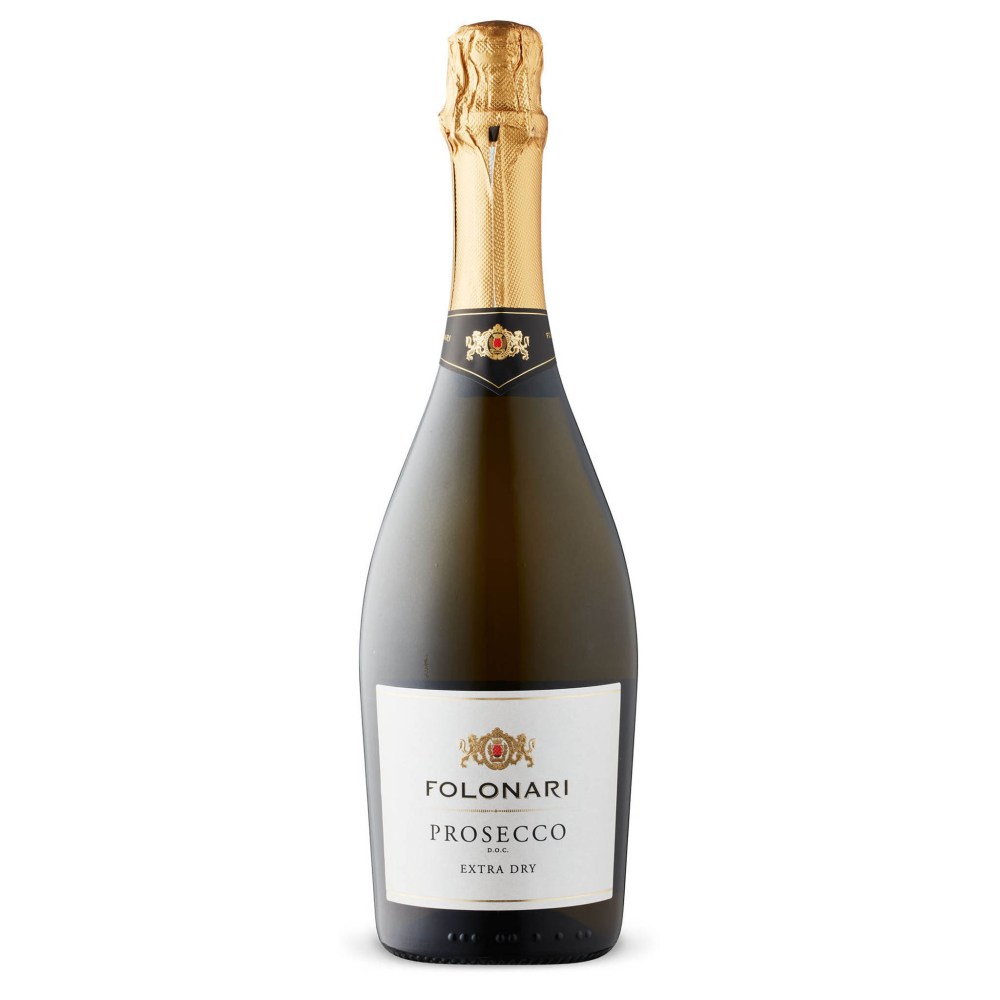
Folonari NV Prosecco (Veneto, Italy — $18.99, Liquor Marts and beyond)
Light pear and peach aromas show nicely here, with an underlying floral note that’s pleasant. There’s a hint of sweetness on the palate that accentuates the peach candy, pear and ripe lemon notes, moderate acidity, lively bubbles and a short finish. As proseccos go it’s pretty standard stuff (and mimosa-ready). 3/5
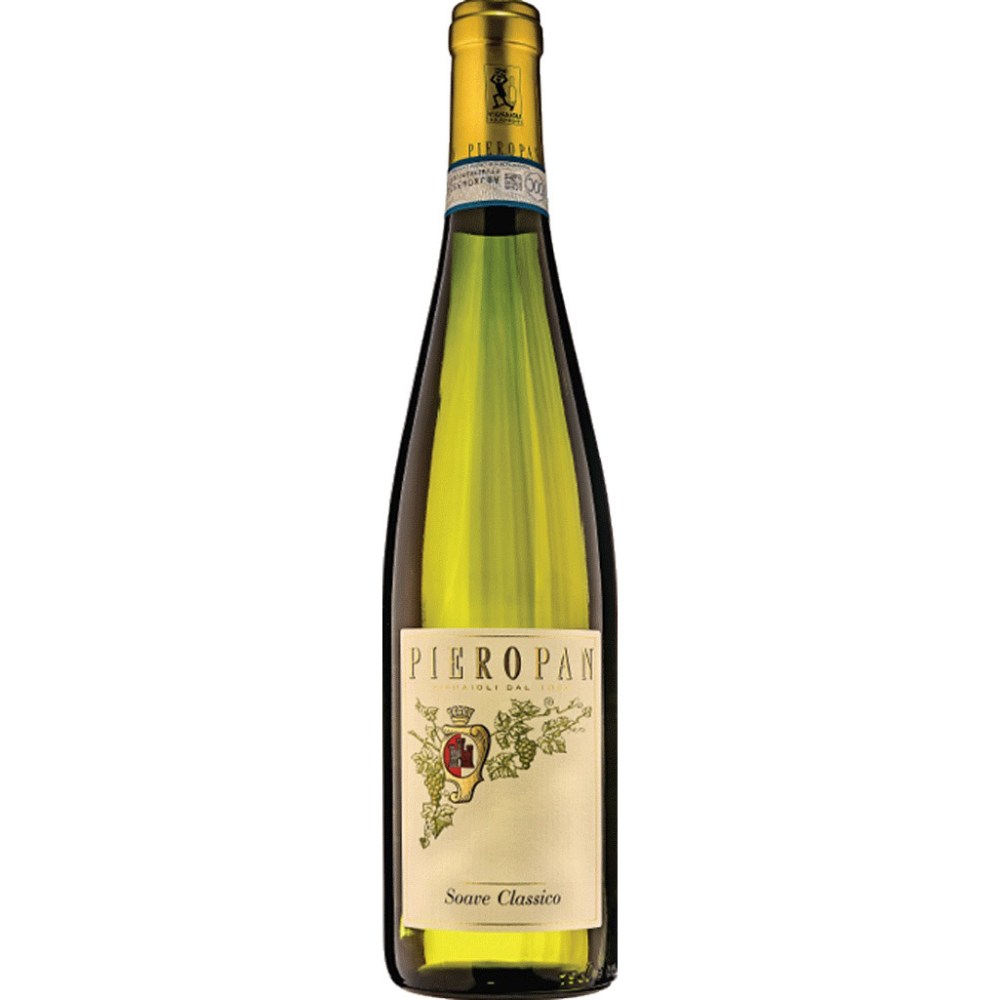
Pieropan 2022 Soave Classico (Veneto, Italy — $23.99, Liquor Marts and beyond)
An 85-15 blend of Garganega and Trebbiano grapes, this organic Italian white wine brings beautiful honeycomb, floral, pear, peach and bruised red apple aromas. It’s medium-bodied, viscous and mainly dry, with peach, pear and red apple flavours coming with that secondary honeycomb note and a chalkiness that, along with the moderate acidity, ramps up the texture and vibrancy. A delicious and compelling wine on its own, it would shine with soft, milder cheeses, pork tenderloin or sushi. Drink now or hold for a couple years. 4.5/5
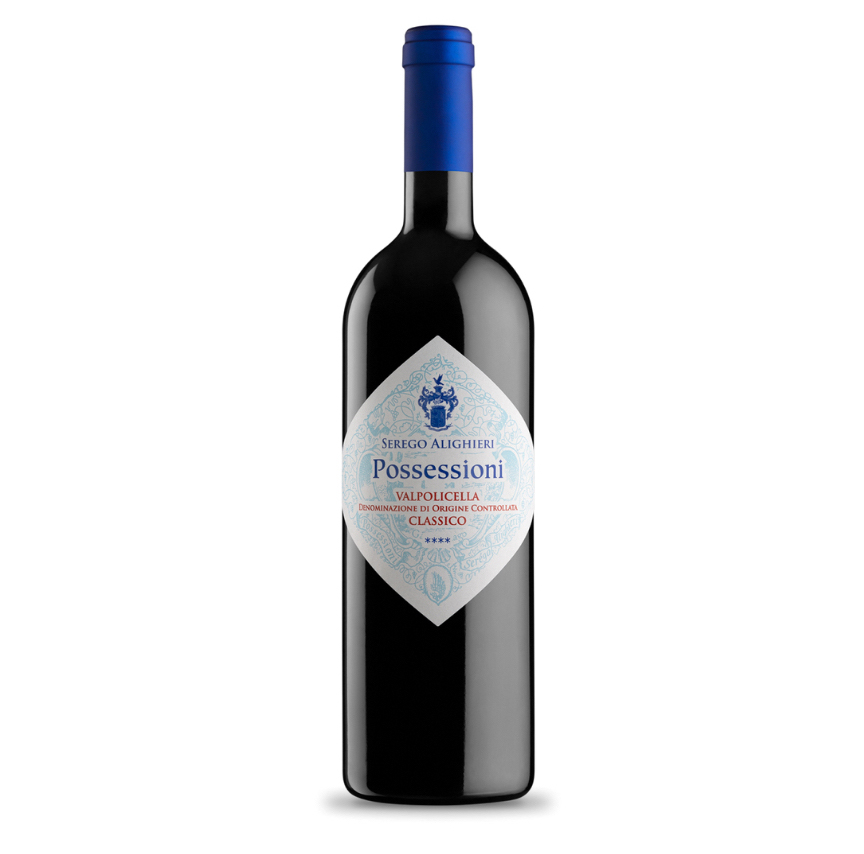
Serego Alighieri 2021 Possessioni Valpolicella Classico (Veneto, Italy — around $20, private wine stores)
This red Italian blend of Corvina, Rondinella, Molinara and Sangiovese is deep purple in colour and on the nose brings plum, raspberry pie filling, leather, earth and wood notes. It’s dry, it’s full-bodied and it’s rustic, the earthy, peppery notes working well with the core of tart plum, raspberry and cherry flavours, all wrapped in moderate tannins and served with a splash of acidity. A well-priced wine ideal for pizza, pasta in red sauce, chicken/eggplant parmigiana or sharp cheeses. Picked up at Calabria Market. 3.5/5
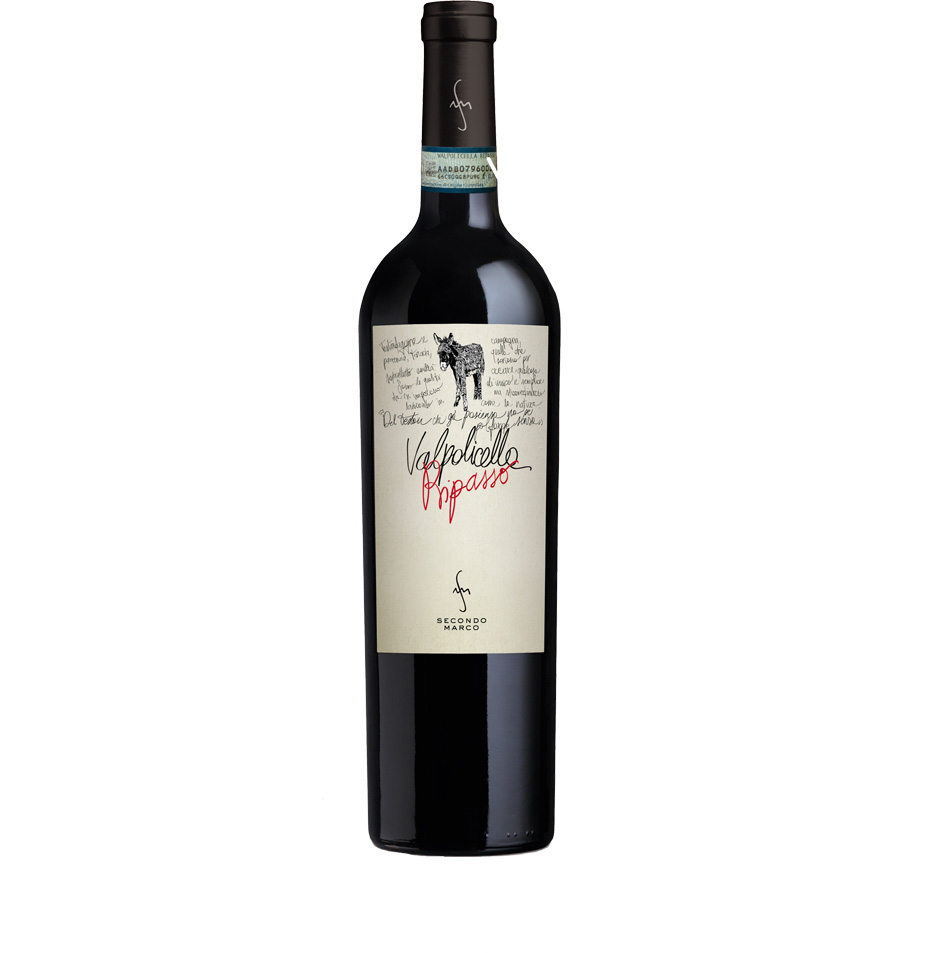
Marco 2017 Valpolicella Ripasso (Veneto, Italy — $32.99, Liquor Marts and beyond)
A blend of Corvinone, Corvina, Rondinella and Molinara grapes made in the ripasso method, this Italian red is pale cherry in colour with slightly brick-brown edges, owing to its slightly older vintage. There are lovely lacquer, raisin, spice, ripe cherry and plum notes that come aromatically; on the medium-plus-bodied palate it’s much of the same, with light dusty tannins and a healthy dollop of acidity that provide verve where other older wines might falter. Drink this delicious red now with strong cheeses, charcuterie or pasta in a red sauce. 4.5/5
Ben Sigurdson
Literary editor, drinks writer
Ben Sigurdson is the Free Press‘s literary editor and drinks writer. He graduated with a master of arts degree in English from the University of Manitoba in 2005, the same year he began writing Uncorked, the weekly Free Press drinks column. He joined the Free Press full time in 2013 as a copy editor before being appointed literary editor in 2014. Read more about Ben.
In addition to providing opinions and analysis on wine and drinks, Ben oversees a team of freelance book reviewers and produces content for the arts and life section, all of which is reviewed by the Free Press’s editing team before being posted online or published in print. It’s part of the Free Press‘s tradition, since 1872, of producing reliable independent journalism. Read more about Free Press’s history and mandate, and learn how our newsroom operates.
Our newsroom depends on a growing audience of readers to power our journalism. If you are not a paid reader, please consider becoming a subscriber.
Our newsroom depends on its audience of readers to power our journalism. Thank you for your support.
Ben Sigurdson
Literary editor, drinks writer
Ben Sigurdson is the Free Press‘s literary editor and drinks writer. He graduated with a master of arts degree in English from the University of Manitoba in 2005, the same year he began writing Uncorked, the weekly Free Press drinks column. He joined the Free Press full time in 2013 as a copy editor before being appointed literary editor in 2014. Read more about Ben.
In addition to providing opinions and analysis on wine and drinks, Ben oversees a team of freelance book reviewers and produces content for the arts and life section, all of which is reviewed by the Free Press’s editing team before being posted online or published in print. It’s part of the Free Press‘s tradition, since 1872, of producing reliable independent journalism. Read more about Free Press’s history and mandate, and learn how our newsroom operates.
Our newsroom depends on a growing audience of readers to power our journalism. If you are not a paid reader, please consider becoming a subscriber.
Our newsroom depends on its audience of readers to power our journalism. Thank you for your support.
Advertisement Advertise With Us
Advertisement Advertise With Us