What’s on the table in 2025? Some predicted trends in food
Advertisement
Read this article for free:
or
Already have an account? Log in here »
To continue reading, please subscribe:

Digital Subscription
One year of digital access for only $205*
- Enjoy unlimited reading on winnipegfreepress.com
- Read the E-Edition, our digital replica newspaper
- Access News Break, our award-winning app
- Play interactive puzzles
*First annual payment billed as $205.00 + GST for one year. This annual subscription will automatically renew at $233.00 + GST every 52 weeks (10% off the regular annual price of $259.35). Offer available to new and qualified returning subscribers only. Cancel any time.
To continue reading, please subscribe:
Add Free Press access to your Brandon Sun subscription for only an additional
$1 for the first 4 weeks*
- Enjoy unlimited reading on winnipegfreepress.com
- Read the E-Edition, our digital replica newspaper
- Access News Break, our award-winning app
- Play interactive puzzles
*Your next Brandon Sun subscription payment will increase by $1.00 and you will be charged $17.95 plus GST for four weeks. After four weeks, your payment will increase to $24.95 plus GST every four weeks.
Read unlimited articles for free today:
or
Already have an account? Log in here »
Hey there, time traveller!
This article was published 02/01/2025 (643 days ago), so information in it may no longer be current.
As we tip into the New Year, we food writers are often tasked with putting on paper our predictions for what will be trending. Truly, this used to be a simpler task!
Now, with food becoming more and more global, culinary innovations developing at the speed of light, social media weighing in, chefs feeling more empowered to break traditional rules — or to dig deep into their cultural roots — it’s kind of hard to know where to begin. But begin I will, with the caveat that this list is far from comprehensive, and I’m not allowed to hog the whole lifestyle section.
Asian flavors and chains
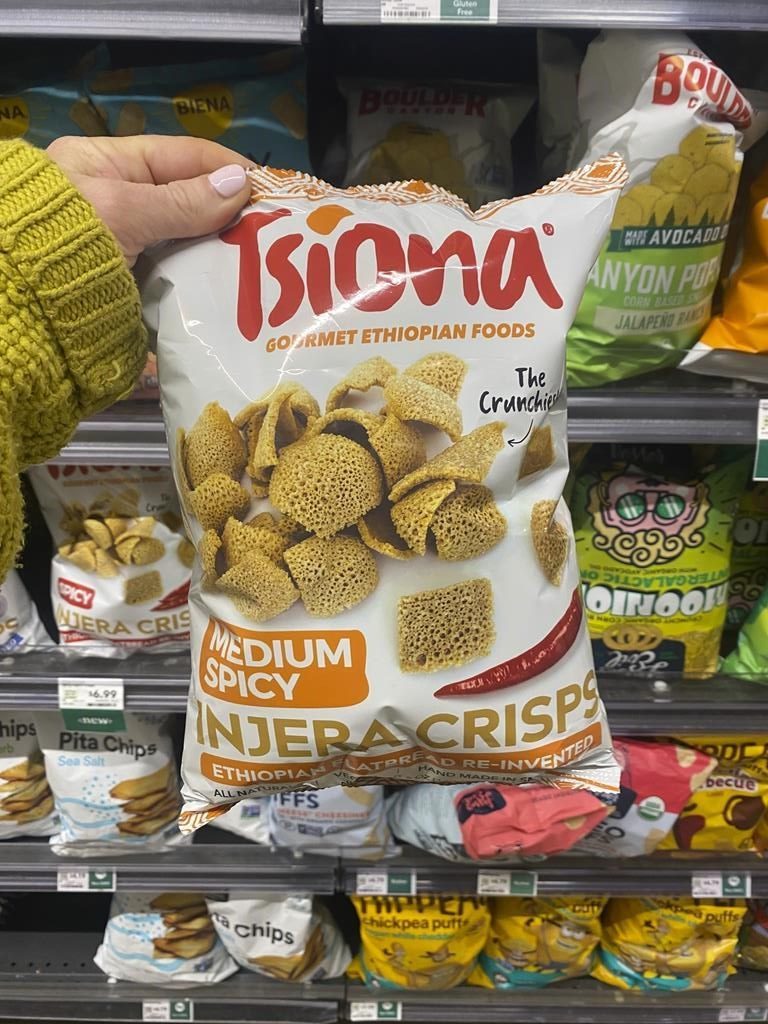
It seems a little silly to say Asian cuisine is on the rise, since the category is enormous and has been around for millennia. But the growing number of Asian (Southeast Asian in particular) markets, restaurants, ingredients and prepared foods is dramatic, and is influencing all kinds of cooking.
H Mart, a South Korean chain of Asian markets now has 96 stores worldwide, most in the U.S., while other chains like 99 Ranch (Chinese) and Patel Brothers (Indian) are expanding.
Gochujang, sambal, yuzu, calamansi, matcha and kimchi (to name but a few) appear more and more on packaging and menus. There’s sushi, barbecue, ramen, bulgogi. And Asian dumplings are proliferating in the frozen food aisles.
The global palate
Diners are looking for a blend of authenticity and convenience, says Leana Salama of the Specialty Foods Association, a not-for-profit trade association representing more than 3,600 businesses worldwide.
After COVID, she says, when people began traveling again, they came home from trips wanting to recreate the traditional flavors they had tasted.
That has led to a lot of unique spinoffs of more authentic snacks from all over. Besides Asia, other leading areas of culinary influence are South and Central America, says Whitney Herrera of Whole Foods’ functional snacks division.
Heat is hot
Our love of chiles continues. In 2025, it will be “less about how much heat you can stand, and more about exploring the flavor nuances,” Salamah says.
She’s seeing various chiles used in everything from chocolate to cheese.
Herrera agrees: “Heat is bigger than ever, with more of an emphasis on complex notes of sweet and spicy.” Chile flavors are permeating snack items such as nuts and trail mix.
Chile crunches or crisps are still gaining fans. Chile oils are infused with crunchy bits, usually fried garlic or shallots, sometimes with added ingredients.
Salsa macha is the Mexican version of chili crunch, with nuts, seeds and spices added to the hot chili oil.
Functional Foods
The “food is medicine” philosophy has evolved, Salamah says. People are thinking more about what foods will enhance their mood or their health, and less about what to avoid.
Non-alcoholic beverages continue to emphasize different flavors, adaptogens and “functional” ingredients.
Salamah calls functional-mushroom beverages a way to “elevate your drinking experience in a healthier way,” appealing to folks avoiding alcohol. Functional mushrooms also are showing up in snacks, in teas and in your coffee.
Salty snacks
Seaweed is “on fire,” says Herrera, becoming more prevalent in snacks and other food categories. It’s pitched as having health benefits and sustainability. With its strong umami flavor, it can be a stand-alone snack, or used as an ingredient, a flavoring for nuts, in stir-fry kits, rice dishes and more.
Another aquatic plant that is moving from the supplement aisle to the food aisles, in beverages in particular, is sea moss, Herrera says.
Crunchy is the texture of the moment
See chile crunches and crisps above. And salty, crunchy snacks are a burgeoning category, says Herrera.
Pistachio seems to be the nut of the moment. In the last month alone, I’ve seen pistachio panettones, pasta, lattes, spreads and croissants in New York City. The pistachio-filled Knafeh chocolate bar from Dubai has been a global sensation.
Added protein
“The ‘proteinization’ of foods is here to stay,” says Salamah. “Makers are finding new and innovative ways to pack more protein into foods.”
She mentions a Tik Tok-spurred craze in 2024 promoting cottage cheese to build protein into flatbreads, dips and cookie dough.
Food waste and sustainability
More and more, consumers want to know how their groceries were grown, raised, harvested and produced, say retailers and restaurant owners.
Attention to packaging and efforts to reduce food waste are growing. Companies are becoming more transparent about sourcing and manufacturing in response to customer demand.
Micro trends
So, if this were the Oscars the music would be soaring, and I’d still have more people to thank. There are many more trends, and micro trends, to explore. Sandwiches getting bigger and more creative. Foods made in pearl form (algae caviar, balsamic vinegar). Lavender in food and drink. Freeze-dried foods. Mood foods. Dumplings in all guises. Unusual melons. AI entering your grocery shopping experience. Cookbook clubs. Sourdough (again!). High-low food pairings.
And finally, I’d like to thank my editors!…
—-
Katie Workman writes regularly about food for The Associated Press. She has written two cookbooks focused on family-friendly cooking, “Dinner Solved!” and “The Mom 100 Cookbook.” She blogs at https://themom100.com/. She can be reached at Katie@themom100.com.
___
For more AP food stories, go to https://apnews.com/hub/recipes