

Manitoba government freezes the price of a litre of milk, eyes more price caps
Advertisement
Read this article for free:
or
Already have an account? Log in here »
To continue reading, please subscribe:
Monthly Digital Subscription
$1 per week for 24 weeks*
- Enjoy unlimited reading on winnipegfreepress.com
- Read the E-Edition, our digital replica newspaper
- Access News Break, our award-winning app
- Play interactive puzzles
*Billed as $4.00 plus GST every four weeks. After 24 weeks, price increases to the regular rate of $19.95 plus GST every four weeks. Offer available to new and qualified returning subscribers only. Cancel any time.
Monthly Digital Subscription
$4.99/week*
- Enjoy unlimited reading on winnipegfreepress.com
- Read the E-Edition, our digital replica newspaper
- Access News Break, our award-winning app
- Play interactive puzzles
*Billed as $19.95 plus GST every four weeks. Cancel any time.
To continue reading, please subscribe:
Add Free Press access to your Brandon Sun subscription for only an additional
$1 for the first 4 weeks*
*Your next subscription payment will increase by $1.00 and you will be charged $16.99 plus GST for four weeks. After four weeks, your payment will increase to $23.99 plus GST every four weeks.
Read unlimited articles for free today:
or
Already have an account? Log in here »
WINNIPEG – The Manitoba government is freezing the maximum price of one-litre cartons of milk for this year and is considering price controls on larger containers.
Manitoba is among the few provinces that regulate the retail price of milk, and there are different maximum prices for skim, two per cent and other varieties.
The prices range from $1.93 a litre for skim milk to $2.10 a litre for homogenized, with a small additional amount in rural areas.
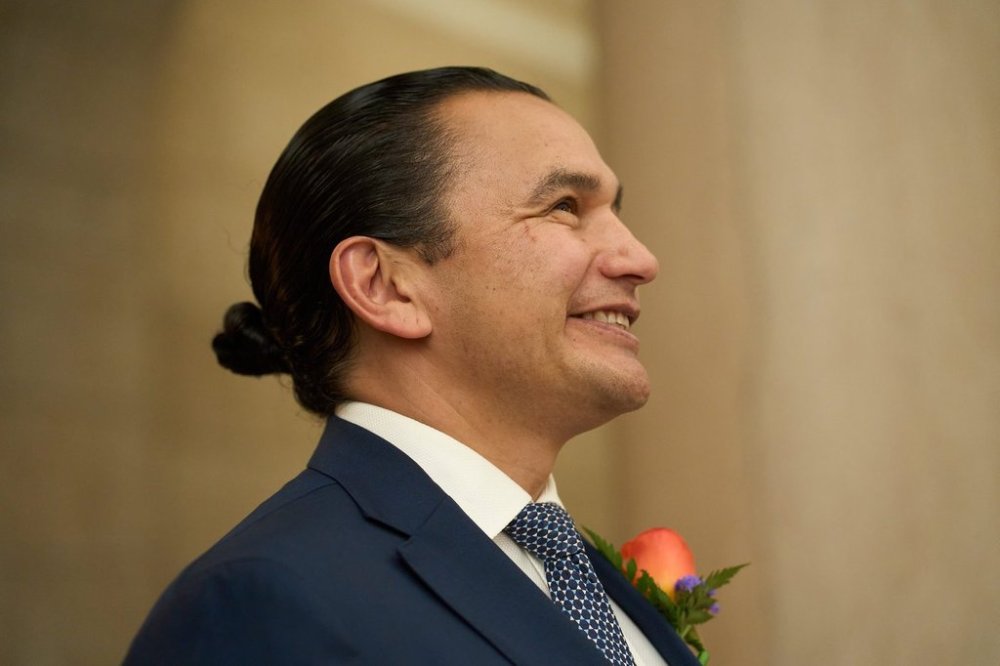
Premier Wab Kinew says keeping prices stable this year means milk can stay within reach for families that want to make healthy choices.
The current price limits only apply to one-litre containers, but Kinew says the government is considering whether two- and four-litre containers should also be regulated.
In an interview with The Canadian Press last month, Kinew said current law makes it easy to regulate milk, and he is not considering regulating prices for other items such as meat.
The move could hurt supply, he said.
“The challenge is in opening up a Pandora’s box that could lead to shortages and empty shelves if we weren’t careful with what we’re doing.”
Kinew has also said he plans to crack down on so-called “differential pricing” — a practice where people can be charged different prices for the same grocery product from the same store. The issue has surfaced on some online shopping platforms in the United States.

Other measures are expected following a study on grocery prices that was promised in the government’s throne speech in November.
Kinew’s NDP made affordability a key part of its 2023 election campaign. The NDP followed through on a promise to freeze hydroelectric rates for one year, although rates then increased by four per cent on Jan. 1 of this year.
The province has also changed education property taxes in ways that have left many people paying more, and has made changes to personal income tax calculations that are generating more revenue for the government.
Inflation has continued. Statistics Canada said Manitoba’s inflation rate in November was the highest among the provinces when compared with November 2024, driven partly by transportation costs and property taxes.
This report by The Canadian Press was first published Jan. 14, 2026.
Related Articles
Manitoba to study food prices
Advertisement Advertise With Us
Advertisement Advertise With Us