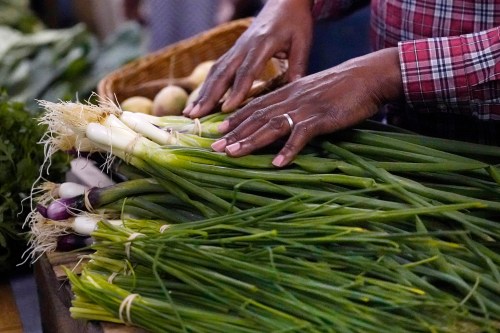
How you store produce can make it last longer
Advertisement
Read this article for free:
or
Already have an account? Log in here »
To continue reading, please subscribe:

Digital Subscription
One year of digital access for only $205*
- Enjoy unlimited reading on winnipegfreepress.com
- Read the E-Edition, our digital replica newspaper
- Access News Break, our award-winning app
- Play interactive puzzles
*First annual payment billed as $205.00 + GST for one year. This annual subscription will automatically renew at $233.00 + GST every 52 weeks (10% off the regular annual price of $259.35). Offer available to new and qualified returning subscribers only. Cancel any time.
To continue reading, please subscribe:
Add Free Press access to your Brandon Sun subscription for only an additional
$1 for the first 4 weeks*
- Enjoy unlimited reading on winnipegfreepress.com
- Read the E-Edition, our digital replica newspaper
- Access News Break, our award-winning app
- Play interactive puzzles
*Your next Brandon Sun subscription payment will increase by $1.00 and you will be charged $17.95 plus GST for four weeks. After four weeks, your payment will increase to $24.95 plus GST every four weeks.
Read unlimited articles for free today:
or
Already have an account? Log in here »
A few small changes to how you store fruits and vegetables can have big benefits for the planet – and your wallet.
From herbs that wilt in days to berries that seem to mold even faster, what we toss in the trash often has less to do with what we buy than how we store it at home.
A lot of that spoilage happens because of moisture and temperature.
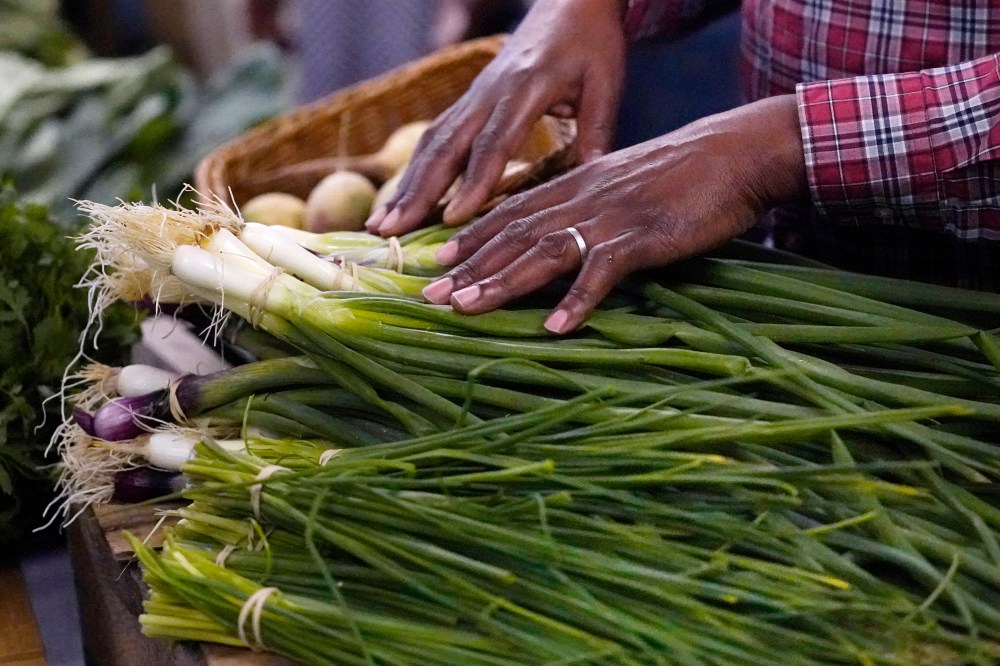
From a scientific perspective, produce doesn’t just go bad — it breaks down under specific conditions. Plants, like humans, carry natural microflora, a diverse community of microscopic organisms.
“This could be bacteria, yeast, molds, things like that,” said Amanda Deering, associate professor of produce food safety at Purdue University.
Here are a few small changes that can extend the life of food by days.
Wait to wash
Washing produce before storing it can leave water that bacteria, yeast and mold need to grow.
Experts recommend waiting to wash fruits and vegetables until just before eating, and keeping them as dry as possible in the fridge meanwhile. Adding a paper towel can absorb dampness in containers of berries or leafy greens.
Food experts also warn that cutting up fruits and vegetables before storing them can reduce their shelf life.
“The big one is washing it and cutting it before storing it. This, of course, can leave a lot of excess moisture behind,” said Abbey Sharp, registered dietitian. “It speeds up spoilage because you’re cutting into those cell walls.”
Keep most produce cold and give it space
At room temperature, microscopic organisms grow faster. Keeping food in the fridge can slow that process, Deering said, but how you pack your fridge also matters. Overcrowding it can block airflow and make it harder to keep temperatures consistent.
Different foods have different needs.
Herbs last longer when treated like flowers, trimmed and placed in water, while harder herbs can be wrapped in a damp towel and stored in the fridge. Root vegetables like carrots can be kept in water to maintain crispiness. Separating leafy tops can extend the shelf life of carrots and beets.
Keep some kitchen staples apart
Where you store produce can affect both how it tastes and how it lasts. The texture and flavor of tomatoes, for example, are best preserved at room temperature, even if refrigeration can slow their spoilage, said Deering.
Whole garlic should be kept in a cool ventilated space, while cut or peeled garlic belongs in the fridge.
Potatoes and onions are best stored outside the fridge in a cool, dark, well-ventilated place, like a pantry or cabinet, but they shouldn’t be kept together.
“You want to keep them away from one another because they actually can make each other spoil faster,” said Sharp.
Mixing fruits at different stages of ripeness also can shorten shelf lives. As fruits ripen, they release ethylene gas, a natural compound that speeds up the ripening process in nearby produce. So storing very ripe bananas next to greener ones or alongside other fruits can cause everything around them to ripen and spoil more quickly, Deering said.
Know what spoiled actually looks like
Confusion about what’s actually safe to eat also drives food waste.
The FDA estimates that confusion over food labels accounts for about 20% of consumer food waste, as many people misinterpret the “purchase-by” dates as indicators of safety. Other food gets trashed when it doesn’t look perfect, according to Sharp, who notes that “a little ugly is not the same as unsafe.”
When fruits and vegetables wilt, soften or become slightly discolored, they may not taste as fresh in certain recipes, but that doesn’t mean they’re spoiled. A limp carrot or a slightly soft celery stalk, for example, can still be safe to eat, especially when cooked, Sharp said.
“Produce that is like a little bit wilted or like a little soft or a little less crisp is often more a quality issue. It’s not necessarily a food safety issue,” said Sharp.
Signals that food should be thrown away are more distinct, like visible mold, slime, leaking liquid or a strong unpleasant odor — clear indications that produce has broken down beyond the point of safe consumption, according to Sharp.
Think of the impact outside your kitchen
Throwing away food also discards the results of all the resources used to grow, transport and store it. But small habits can make a big difference, like buying what you need, using items before they sit too long, and freezing produce like berries or bananas before it goes bad.
“Household food waste represents probably the largest portion of food waste when we look at it across the whole supply chain,” said Pete Pearson, a vice president at World Wildlife Fund.
And that waste also produces a potent greenhouse gas that harms the planet long after discarded food leaves the kitchen.
“When food enters landfills, it’s essentially buried in a non-oxygen environment where it breaks down and creates bacteria and methane emissions,” said Pearson.
But because people interact with food every day, even small shifts can add up, depleting fewer resources across the broader food system.
“It’s these small changes over millions and millions of people that can make a huge difference,” said Pearson.
___
The Associated Press’ climate and environmental coverage receives financial support from multiple private foundations. AP is solely responsible for all content. Find AP’s standards for working with philanthropies, a list of supporters and funded coverage areas at AP.org.