People taking Wegovy and Ozempic have lower risk of suicidal thoughts vs. older drugs, study finds
Advertisement
Read this article for free:
or
Already have an account? Log in here »
To continue reading, please subscribe:

Digital Subscription
One year of digital access for only $205*
- Enjoy unlimited reading on winnipegfreepress.com
- Read the E-Edition, our digital replica newspaper
- Access News Break, our award-winning app
- Play interactive puzzles
*First annual payment billed as $205.00 + GST for one year. This annual subscription will automatically renew at $233.00 + GST every 52 weeks (10% off the regular annual price of $259.35). Offer available to new and qualified returning subscribers only. Cancel any time.
To continue reading, please subscribe:
Add Free Press access to your Brandon Sun subscription for only an additional
$1 for the first 4 weeks*
- Enjoy unlimited reading on winnipegfreepress.com
- Read the E-Edition, our digital replica newspaper
- Access News Break, our award-winning app
- Play interactive puzzles
*Your next Brandon Sun subscription payment will increase by $1.00 and you will be charged $17.95 plus GST for four weeks. After four weeks, your payment will increase to $24.95 plus GST every four weeks.
Read unlimited articles for free today:
or
Already have an account? Log in here »
Hey there, time traveller!
This article was published 05/01/2024 (1001 days ago), so information in it may no longer be current.
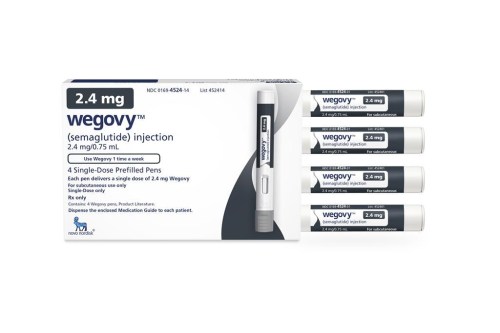
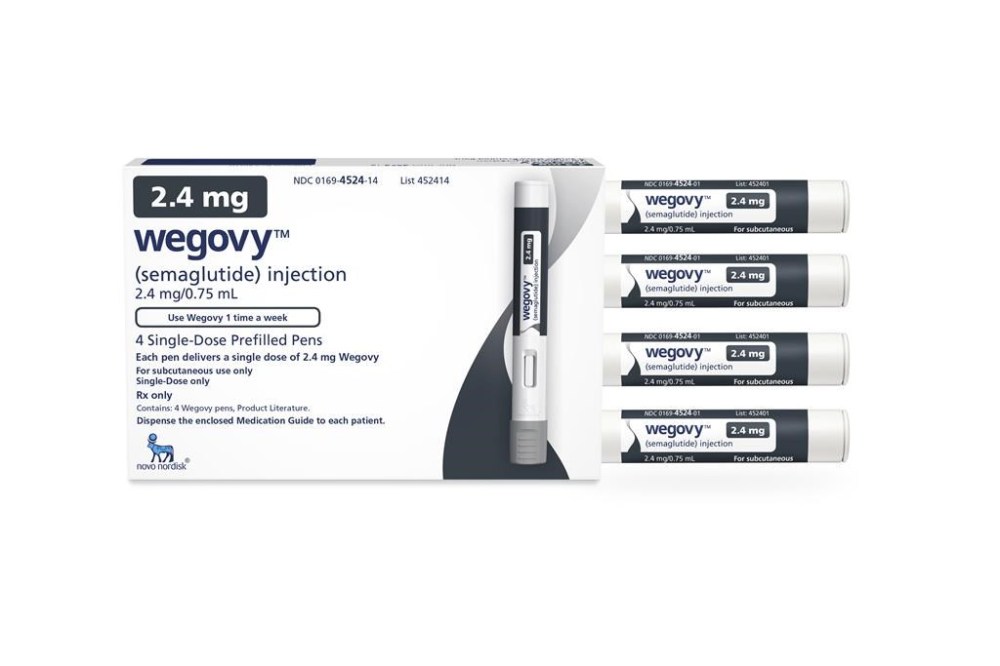
People taking the popular diabetes and obesity drugs Ozempic and Wegovy had a lower risk of suicidal thoughts than those taking other medications to treat the same conditions, a new federal study finds.
The research, funded by the National Institutes of Health, was published Friday and comes as European and U.S. regulators look into anecdotal reports that people taking the drug, semaglutide, had thoughts of self-harm.
NIH and Case Western Reserve University researchers analyzed electronic medical records from more than 1.8 million patients prescribed semaglutide or another drug to treat obesity or diabetes between 2017 and 2022. They included about 240,000 patients treated for obesity or being overweight and nearly 1.6 million patients treated for diabetes.
They found that people taking semaglutide had a 49% to 73% lower risk of first-time or recurring suicidal thoughts than those taking another drug for those conditions during a six-month follow-up period.
The researchers called for closer evaluation of reports of suicidal thoughts linked to the drugs and for patients to be followed for a longer period of time. Their review only considered patients taking semaglutide or another drug for diabetes or obesity, not those taking semaglutide in the general population.
Study co-author Dr. Rong Xu, of Case Western, also noted obesity and diabetes are risk factors on their own for suicidal thoughts. But the study wasn’t designed to determine if the GLP-1 drugs reduced those thoughts.
The scientists launched the review after the European Medicines Agency said in July that it was reviewing about 150 reports of possible cases of self-injury and suicidal thoughts linked to semaglutide and other drugs known as GLP-1 receptor agonists. The drugs work by targeting the hormones in the gut and brain that regulate appetite and feelings of fullness. Older weight-loss drugs work differently.
In December, the EMA’s drug watchdog group said it would seek more data from drugmaker Novo Nordisk about the reports.

The U.S. Food and Drug Administration also is investigating unconfirmed reports of suicidal thoughts or actions in people taking the GLP-1 drugs.
Millions of people in the U.S. are taking semaglutide, which has soared in popularity since Wegovy was approved to treat obesity in June 2021.
A spokesperson for Novo Nordisk said the new study reflects the company’s data collected from large clinical trials and since the drug has been on the market — all of which showed no “causal association” between semaglutide and thoughts of suicide or self-harm.
___
The Associated Press Health and Science Department receives support from the Howard Hughes Medical Institute’s Science and Educational Media Group. The AP is solely responsible for all content.