Bike shops boomed early in the pandemic. It’s been a bumpy ride for most ever since
Advertisement
Read this article for free:
or
Already have an account? Log in here »
To continue reading, please subscribe:

Digital Subscription
One year of digital access for only $205*
- Enjoy unlimited reading on winnipegfreepress.com
- Read the E-Edition, our digital replica newspaper
- Access News Break, our award-winning app
- Play interactive puzzles
*First annual payment billed as $205.00 + GST for one year. This annual subscription will automatically renew at $233.00 + GST every 52 weeks (10% off the regular annual price of $259.35). Offer available to new and qualified returning subscribers only. Cancel any time.
To continue reading, please subscribe:
Add Free Press access to your Brandon Sun subscription for only an additional
$1 for the first 4 weeks*
- Enjoy unlimited reading on winnipegfreepress.com
- Read the E-Edition, our digital replica newspaper
- Access News Break, our award-winning app
- Play interactive puzzles
*Your next Brandon Sun subscription payment will increase by $1.00 and you will be charged $17.95 plus GST for four weeks. After four weeks, your payment will increase to $24.95 plus GST every four weeks.
Read unlimited articles for free today:
or
Already have an account? Log in here »
Hey there, time traveller!
This article was published 29/05/2024 (860 days ago), so information in it may no longer be current.
For the nation’s bicycle shops, the past few years have probably felt like the business version of the Tour de France, with numerous twists and turns testing their endurance.
Early in the pandemic, a surge of interest in cycling pushed sales up 64% to $5.4 billion in 2020, according to the retail tracking service Circana. It wasn’t unheard of for some shops to sell 100 bikes or more in a couple of days.
The boom didn’t last. Hobbled by pandemic-related supply chain issues, the shops sold all their bikes and had trouble restocking. Now, inventory has caught up, but fewer people need new bikes. So, bicycle makers have been slashing prices to clear out the excess. It all adds up to a tough environment for retailers, although there are a few bright spots like gravel and e-bikes.
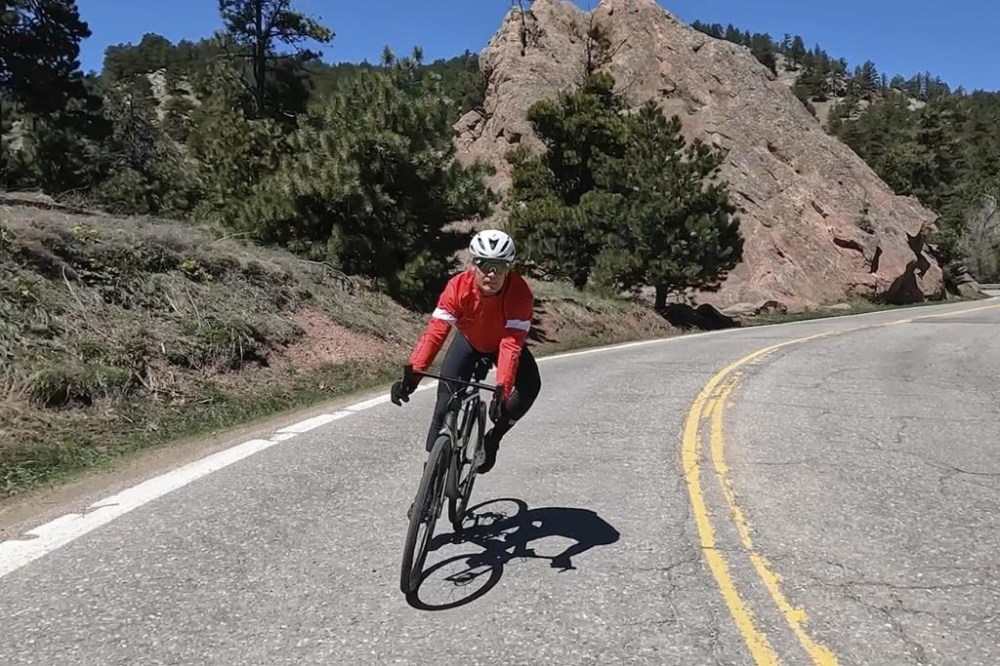
“The industry had a hard time keeping up with the demand for a couple of years, but then demand slowed as the lockdowns ended, and then a lot of inventory started showing up,” said Stephen Frothingham, editor-in-chief of Bicycle Retailer & Industry News. “So now for the last, a year and a half, the industry has struggled with having too much inventory, at the supplier level, at the factory level, at the distributor level, at the retail level.”
In 2023, bike sales totaled $4.1 billion, up 23% from 2019, but down 24% from 2020, according to Circana. The path out of the pandemic has been uneven — national retailers, such as REI and Scheels, are stabilizing faster than independent bike stores, said Matt Tucker, director of client development for Circana’s sports equipment business.
For John McDonell, owner of Market Street Cycles on the popular thoroughfare of Market Street in San Francisco, the shift to hybrid work brought about by the pandemic has been particularly tough on business. There used to be 3,000 bikes passing by his shop a day during the summer. That’s fallen to below 1,000, with fewer people commuting to work.
According to Placer.ai, which tracks people’s movements based on cellphone usage, San Francisco lags all other major cities when it comes to workers returning to offices, with April office visits still down 49% compared with April 2019.
“Our downtown is still a wasteland,” McDonell said.
Independent bike stores not only have to compete with national chains, but increasingly, bike makers such as Specialized and Trek as well. They’ve been buying bike shops and selling their bikes directly to consumers, essentially cutting out the middleman. Frothingham estimates there are now around a thousand bike shops in the country owned by either Trek or Specialized.
“They’ve got the money to absorb the fact that bike stores, you know, are not a super profitable thing, and in the process, they’ve also been able to cut us out of it,” McDonell said.
McDonell has been forced to cut down to using a skeleton crew of himself and another staffer, down from five previously. His dream of selling his shop to a younger bike enthusiast when he retires is fading. He might close his store when his lease is up in a couple of years.
“Now I am just trying to land it with both engines on fire and trying not to lose money on my way out,” he said.
In Boulder, Colorado, Douglas Emerson’s bike shop, University Bicycles, is faring better, boosted by its location in one of the most popular places to ride bikes in the country. He’s had the shop for 39 years and employs 30 staffers.
Like other bike stores, the pandemic spurred a frenzy of bike buying at University Bicycles. Emerson recalls selling 107 bikes in 48 hours. But right after the boom, sales slowed dramatically because inventory was scarce, and rentals died down since no one was traveling.
“It became a struggle right after the boom,” Emerson said. “And since then, the manufacturers have overproduced. And they’ve slashed prices dramatically which is good for the consumer. But with the small shops they’re often not able to take advantage of those prices.”
Emerson says the shop reached a “saturation point” – everyone who wanted a bike bought one. Now, he’s selling those customers accessories like clothing, helmets and locks. His shop has returned to its 2019 sales numbers.
University Bicycles has also benefited from some of the shifts in buying patterns. Continued high demand for e-bikes and a growing demand for children’s bikes have helped. And gravel bikes, which are designed to be ridden both on paved and gravel roads, are replacing road bikes as a popular seller.
John Ruger, who has been a cyclist for 50 years and is a loyal University Bicycles customer, hasn’t bought a bike in 10 years, but plans on taking advantage of the current prices to buy a gravel bike. A top gravel bike he’s eyeing that would normally sell for $12,000 to $14,000 is currently retailing for $8,000, he said.
“The timing is good,” he said. “I can get a bike now because they’re less expensive and my bikes are getting old.”
Shawna Williams, owner of Free Range Cycles in Seattle, Washington, didn’t have the sales surge others did because her 700 square foot shop was so small she took customers only by appointment from March 2020 to May 2021.
But Williams did have to deal with the eventual shortages. She spent a lot of time “checking in with other shops to see if we could buy something, even at retail, from them, just in order to get a repair done or a build done.”
She adapted by offering more services like repairs and maintenance to offset lower sales of bikes. The maneuvering helped her keep overall sales steady even throughout the pandemic.
“Bike sales, the way that I have kind of framed the shop, are an awesome bonus, but we really need to be sustaining the shop through repair and, like, thoughtful accessory sales,” Williams said. “A bike sale to me, if we do things well, that means creating a customer for life.”
___
This story has been updated with the correct the name of tech company Placer.ai, not Pacer.ai.