Starbucks’ policy change flushes out a debate over public restroom access
Advertisement
Read this article for free:
or
Already have an account? Log in here »
To continue reading, please subscribe:

Digital Subscription
One year of digital access for only $205*
- Enjoy unlimited reading on winnipegfreepress.com
- Read the E-Edition, our digital replica newspaper
- Access News Break, our award-winning app
- Play interactive puzzles
*First annual payment billed as $205.00 + GST for one year. This annual subscription will automatically renew at $233.00 + GST every 52 weeks (10% off the regular annual price of $259.35). Offer available to new and qualified returning subscribers only. Cancel any time.
To continue reading, please subscribe:
Add Free Press access to your Brandon Sun subscription for only an additional
$1 for the first 4 weeks*
- Enjoy unlimited reading on winnipegfreepress.com
- Read the E-Edition, our digital replica newspaper
- Access News Break, our award-winning app
- Play interactive puzzles
*Your next Brandon Sun subscription payment will increase by $1.00 and you will be charged $17.95 plus GST for four weeks. After four weeks, your payment will increase to $24.95 plus GST every four weeks.
Read unlimited articles for free today:
or
Already have an account? Log in here »
Hey there, time traveller!
This article was published 22/01/2025 (578 days ago), so information in it may no longer be current.
Starbucks’ decision to restrict its restrooms to paying customers has flushed out a wider problem: a patchwork of restroom policies that has left Americans confused and divided over who gets to use the loo and when.
Rules about restroom access in restaurants vary by state, city and county. New York requires restroom access for customers at food establishments with 20 or more seats. California requires larger restaurants to provide restrooms for customers and guests, but only if they were built after 1984. In Chicago, restaurants don’t need to have restrooms for customers unless they serve liquor.
“It’s so mish-mash,” said Steven Soifer, the co-founder and treasurer of the American Restroom Association, which advocates for clean, safe and well-designed public toilets. “If (a retailer) is serving food and drink, it’s a health hazard if there isn’t a public bathroom.”
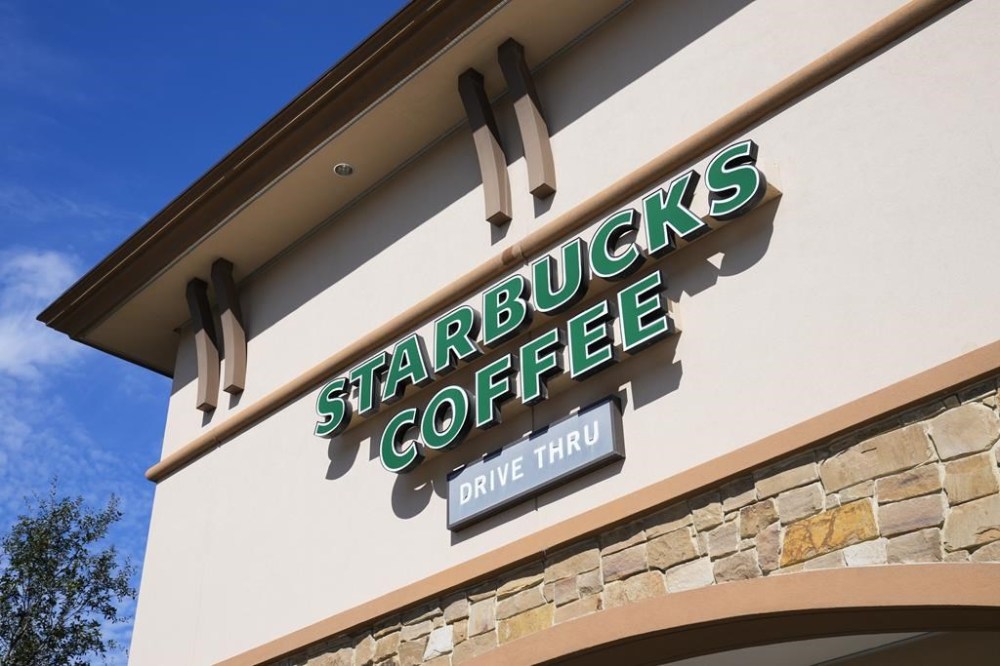
Starbucks opened the can, so to speak, when it said last week it was reversing a 7-year-old policy that invited anyone to hang out in its stores or use the restroom, regardless of whether they bought anything. Starbucks’ new code of conduct, which will be posted in all company-owned North American stores, also bans discrimination or harassment, consumption of outside alcohol, smoking, vaping, drug use and asking strangers for money.
Reaction to the coffee chain’s rule change for potty privileges was heated and divided. Many said Starbucks had the right to restrict restroom access to paying customers.
“I do think it’s up to Starbucks to set the atmosphere in their stores,” Paul Skinner, 76, a retired firefighter in Daytona Beach, Florida, told The Associated Press. “If they’ve decided that their paying customers are going to be better served by limiting restroom access, it doesn’t make me mad. I’m not going to stop going there.”
But Skinner said he also doesn’t mind when homeless people occasionally visit his local Starbucks, and he sometimes offers to buy them breakfast.
“I think about all the people who don’t have housing who would love to wander into a Starbucks and get warm,” he said. “Now there’s one more place they aren’t welcome.”
Other patrons lamented the change and said it didn’t reflect Starbucks’ often-stated goal of being a welcoming, community-oriented coffeehouse.
Norman Bauman, 81, a semi-retired science writer in New York, said he stopped going to his local Starbucks to read, meet people and maybe buy a coffee when the store hung an “Employees Only” sign on its sole restroom.
“I used to sit in a coffee shop once or twice a week and read my science journals. I always wondered how they could survive with customers like me,” Bauman said.
Social media posts ran the gamut. Some said the change was overdue, and that Starbucks’ open-door policy had invited trouble and left fewer seats available for paying customers. But others criticized the company, saying the new policy made them much less likely to patronize Starbucks.
Starbucks said its new code of conduct matched those of other big retailers. The Associated Press reached out to several other restaurant chains to ask about their restroom policies, including McDonald’s and the parent companies of Dunkin’, Burger King and KFC. None responded.
But the National Retail Federation said businesses have a right to set limits on restroom use.
“Stores and restaurants are private property, and these establishments have a right to enforce certain conduct in compliance with local, state and federal laws and regulations that ensures the health and safety of the customers they serve and the people they employ,” the federation said in a statement.
Starbucks stressed this week that the code of conduct is meant to end disruptive behavior.
“We know there will be times when a customer needs to use the restroom before they’ve made a purchase, or maybe uses the restroom and then decides against making a purchase, and of course that is OK,” Starbucks spokeswoman Jaci Anderson said.
Starbucks also said it will comply with any local laws requiring bathroom access for non-customers. But that’s where things get murky.
Most states and the District of Columbia follow the International Plumbing Code, which sets minimum regulations for plumbing systems. The code says businesses must make toilet facilities available to “customers, patrons and visitors,” said Soifer, who is an adjunct professor at the Adelphi University School of Social Work in addition to his duties at the American Restroom Association.
But Andrew Rudansky, a spokesman for New York’s Department of Buildings, said the International Code Council, which developed the plumbing code, has published separate commentary making clear that restrooms are intended for people “involved with the activities of the establishment” and not just passersby.
Other states and cities use the Uniform Plumbing Code or the National Standard Plumbing Code as the basis for their regulations. Those codes also refer to restrooms as being for “customers.”
But Soifer said even the term “customer” is ambiguous.
“If I walk into a Starbucks and I’m thinking of ordering something but I’m not sure, am I a customer? Sure,” he said. A homeless person may also be a customer, he pointed out, but might be discouraged from using the restroom.
To add to the confusion, at least 20 states have passed versions of the Restroom Access Act, which requires retailers to let people with certain medical conditions, like Crohn’s disease, use their restrooms, even if those restrooms are usually reserved for employees.
The wider issue, Soifer said, is a lack of public restroom facilities in the U.S. If there were more public facilities, he said, there would be less pressure on retailers like Starbucks.
“The number one complaint tourists have about visiting the U.S. is, ‘Where are your public toilets?’” he said.