No perfect shape of fitness
Optimal health can be embodied in a range of varied physiques

Advertisement
Read this article for free:
or
Already have an account? Log in here »
To continue reading, please subscribe:
Digital Subscription
One year of digital access for only $1.44 a week*
- Enjoy unlimited reading on winnipegfreepress.com
- Read the E-Edition, our digital replica newspaper
- Access News Break, our award-winning app
- Play interactive puzzles
*Billed as $5.77 plus GST every four weeks. After 52 weeks, price increases to the regular rate of $19.95 plus GST every four weeks. Offer available to new and qualified returning subscribers only. Cancel any time.
To continue reading, please subscribe:
Add Free Press access to your Brandon Sun subscription for only an additional
$1 for the first 4 weeks*
- Enjoy unlimited reading on winnipegfreepress.com
- Read the E-Edition, our digital replica newspaper
- Access News Break, our award-winning app
- Play interactive puzzles
*Your next Brandon Sun subscription payment will increase by $1.00 and you will be charged $17.95 plus GST for four weeks. After four weeks, your payment will increase to $24.95 plus GST every four weeks.
Read unlimited articles for free today:
or
Already have an account? Log in here »
Hey there, time traveller!
This article was published 08/02/2025 (618 days ago), so information in it may no longer be current.
When it comes to health, fitness and longevity, society often equates leanness with vitality and larger bodies with poor health. However, recent research challenges these assumptions, highlighting the fact optimal health exists across a spectrum of body compositions.
A groundbreaking meta-analysis involving nearly one million people sheds light on the body-fat percentages most closely associated with health and longevity — and the findings might surprise you.
The study, published in the International Journal of Obesity in 2022, revealed that for men, body fat ranging from 22 to 27 per cent correlates with optimal health outcomes and longevity. For women, the optimal range appears to centre around 35 per cent. These percentages challenge traditional fitness narratives that often glorify ultra-lean physiques as the gold standard.
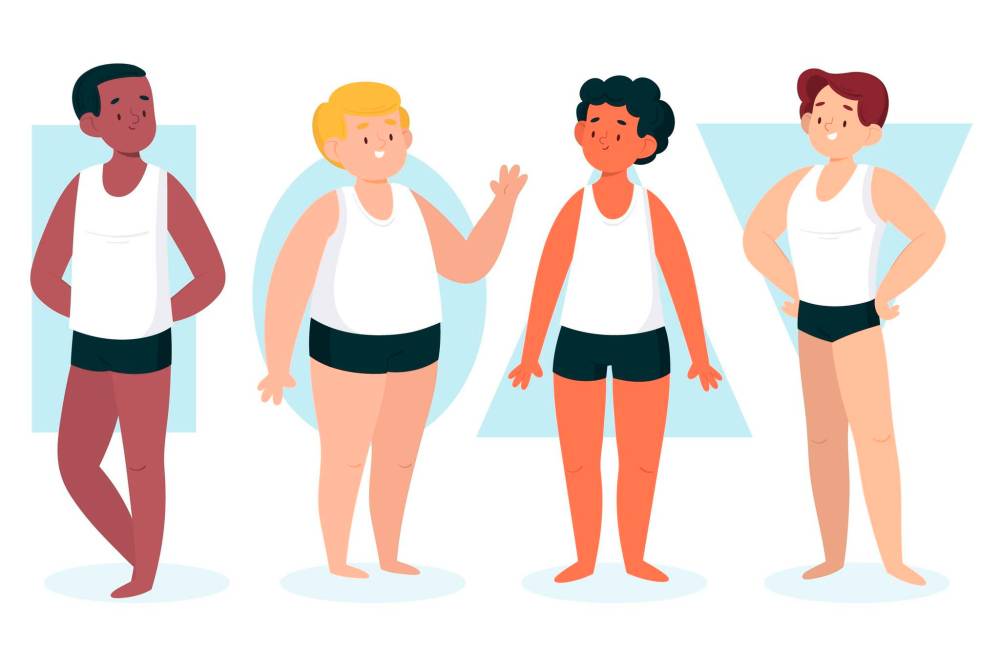
At the end of the day, what might be optimal for you may not be optimal for your neighbour. The true measures of health go beyond the scale to what your blood work, cardiorespiratory and cardiovascular health tell us. It also matters how you feel at a particular weight and body fat. Leaner may not be better beyond a certain point.
● ● ●
Fat storage is a crucial biological capability that serves several functions: fat acts as an energy reserve; regulates hormones; and it offers insulation and protection, cushioning internal organs and helping maintain body temperature.
In some individuals, the ability to store fat in larger quantities without developing metabolic dysfunction provides a protective buffer against conditions like diabetes and cardiovascular disease. Conversely, others may exhibit poor metabolic health at lower body-fat levels due to genetic and lifestyle factors.
Body size and composition alone cannot determine someone’s health status. Consider this case study:
● Subject A: A male with 15 per cent body fat presents high blood pressure, elevated cholesterol and high HbA1C levels (indicative of blood-sugar dysregulation).
● Subject B: A male with 30 per cent body fat has all health markers within the optimal range.
Despite appearing “leaner,” Subject A is metabolically less healthy than Subject B, demonstrating that health comes down to a complex interplay of factors beyond mere body-fat percentage.
That’s not to say you should go and YOLO yourself full of processed foods. Carrying excess body fat, especially visceral fat, is linked to chronic diseases. But the BMI chart — and even body-fat percentages — aren’t a perfect science when it comes to signalling someone’s optimal health status.
Research points to five key behaviours that significantly increase lifespan — up to 14 years in females and 12 years for males. They include not smoking, maintaining a healthy body-mass index, regular exercise, moderate alcohol consumption and a healthy diet prioritizing whole, minimally processed foods like fruits, vegetables, lean proteins and whole grains.
These habits are simple on paper, but consistency is key. It’s not about perfection; small, sustainable changes compound over time.
● ● ●
New research has found that being “unfit” makes you more likely to die prematurely, even if you’re considered a healthy weight on the BMI chart.
The scientists analyzed more than 400,000 people across 20 studies and separated health outcomes by weight (BMI) and fitness levels. Those who were obese and unfit were three times more likely to experience premature death than those with a normal BMI and average fitness.
However, the data showed that while obesity is a risk factor, so is a lack of fitness — even if you’re not clinically obese. The studies suggest that people of healthy, average weight with the lowest fitness levels were two times more likely to experience premature death than those who were obese but had higher levels of fitness.
So, whether participants were normal weight, overweight or obese, higher fitness levels consistently reduced their risk of death. While maintaining a healthy weight is a good rule of thumb, it doesn’t account for genetic differences. Ultimately, improving your fitness through regular physical activity also influences longevity as much as anything.
And, like so many other studies, the latest research shows that becoming fitter doesn’t start with a big commitment. Moving out of the bottom 20 per cent of fitness only requires walking several times a week.
● ● ●
There’s nothing inherently wrong with pursuing fat loss, especially if it improves metabolic health or quality of life. But make sure the goal you’re chasing lines up with reality — it doesn’t need to involve reaching single-digit body-fat percentages. In fact, slightly higher body-fat percentages often allow for more sustainable and satisfying nutrition and exercise practices, which contribute to long-term health and vitality.
The “Health at Every Size” movement has its detractors, but boiled down to its basic principles it’s simply about pursuing these goals:
● Healthy behaviours more than appearance alone: Regular exercise, balanced nutrition and adequate sleep are key drivers of health, regardless of body composition.
● Diversity is natural: Humans come in a wide variety of shapes and sizes, and health manifests differently in different bodies.
● Mental well-being is vital: Focusing solely on esthetics can lead to disordered eating and a negative body image, undermining overall health.
Health, longevity and vitality cannot be distilled into a single number on a scale or body-fat percentage. While maintaining fat levels within the optimal range may support overall health, it’s essential to consider the bigger picture. A holistic approach to well-being — one that includes physical, mental and emotional health — is the true key to a long and fulfilling life.
We all want to look good and feel good, but defining that is in the eye of the beholder.
Whether your goal is fat loss, muscle gain or simply feeling better in your body, prioritize habits that are enjoyable and sustainable. Remember, the best health practices are the ones you can maintain for a lifetime.
Mitch Calvert is a Winnipeg-based fitness coach. Visit mitchcalvert.com for more information.
Our newsroom depends on a growing audience of readers to power our journalism. If you are not a paid reader, please consider becoming a subscriber.
Our newsroom depends on its audience of readers to power our journalism. Thank you for your support.
Our newsroom depends on a growing audience of readers to power our journalism. If you are not a paid reader, please consider becoming a subscriber.
Our newsroom depends on its audience of readers to power our journalism. Thank you for your support.
Advertisement Advertise With Us
Advertisement Advertise With Us