Why are more shoppers struggling to repay ‘buy now, pay later’ loans?
Advertisement
Read this article for free:
or
Already have an account? Log in here »
To continue reading, please subscribe:

Digital Subscription
One year of digital access for only $205*
- Enjoy unlimited reading on winnipegfreepress.com
- Read the E-Edition, our digital replica newspaper
- Access News Break, our award-winning app
- Play interactive puzzles
*First annual payment billed as $205.00 + GST for one year. This annual subscription will automatically renew at $233.00 + GST every 52 weeks (10% off the regular annual price of $259.35). Offer available to new and qualified returning subscribers only. Cancel any time.
To continue reading, please subscribe:
Add Free Press access to your Brandon Sun subscription for only an additional
$1 for the first 4 weeks*
- Enjoy unlimited reading on winnipegfreepress.com
- Read the E-Edition, our digital replica newspaper
- Access News Break, our award-winning app
- Play interactive puzzles
*Your next Brandon Sun subscription payment will increase by $1.00 and you will be charged $17.95 plus GST for four weeks. After four weeks, your payment will increase to $24.95 plus GST every four weeks.
Read unlimited articles for free today:
or
Already have an account? Log in here »
Hey there, time traveller!
This article was published 21/05/2025 (507 days ago), so information in it may no longer be current.
NEW YORK (AP) — More Klarna customers are having trouble repaying their “buy now, pay later” loans, the short-term lender said this week. The disclosure corresponded with reports by lending platforms Bankrate and LendingTree, which cited an increasing share of all “buy now, pay later” users saying they had fallen behind on payments.
The late or missed installments are a sign of faltering financial health among a segment of the US population, some analysts say, as the nation’s total consumer debt rises to a record $18.2 trillion and the Trump administration moves to collect on federal student loans.
Shoppers who opt to finance purchases through BNPL services tend to be younger than the average consumer, and a study from the Federal Reserve last year said Black and Hispanic women were especially likely to use the plans, which customers of all income levels are increasingly adopting.
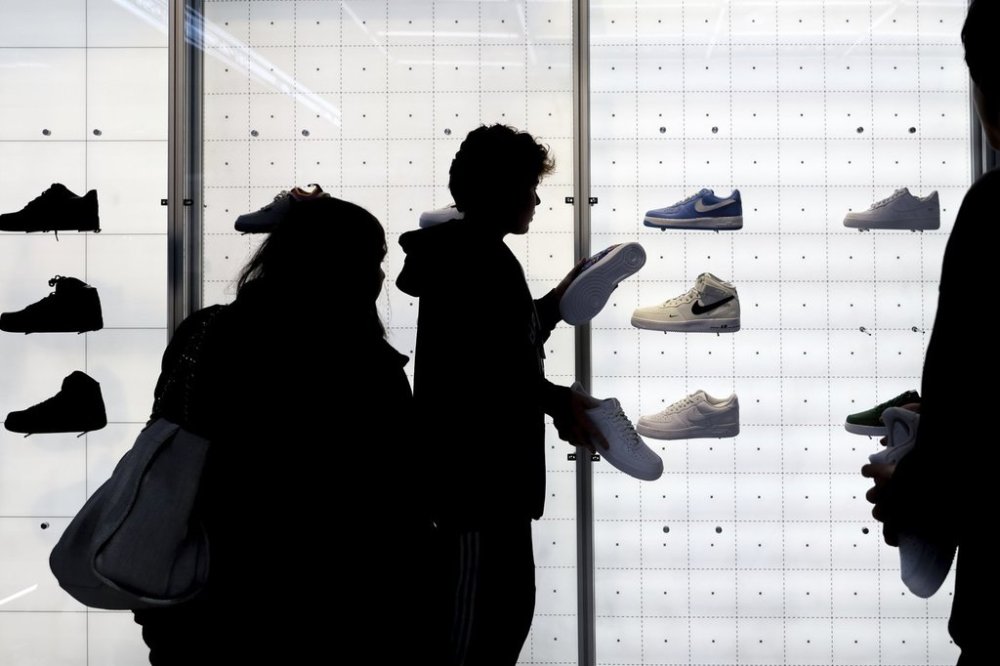
“While BNPL provides credit to financially vulnerable consumers, these same consumers may be overextending themselves,” the authors of the Federal Reserve study wrote. “This concern is consistent with previous research that has shown consumers spend more when BNPL is offered when checking out and that BNPL use leads to an increase in overdraft fees and credit card interest payments and fees.”
As Klarna grows its user base and revenue, the Swedish company said its first-quarter consumer credit losses rose 17% compared to the January-March period of last year, to $136 million.
A company spokesperson said in a statement that the increase largely reflected the higher number of loans Klarna made year over year. The percentage of its loans at a global level that went unpaid in the first quarter grew from 0.51% in 2024 to 0.54% this year, and the company sees “no sign of a weakened U.S. consumer,” he said.
More consumers are using ‘buy now, pay later’ plans
Buy now, pay later plans generally let consumers split payments for purchases into four or fewer installments, often with a down payment at checkout. The loans are typically marketed as zero-interest, and most require no credit check or a soft credit check.
BNPL providers promote the plans as a safer alternative to traditional credit cards when interest rates are high. The popularity of the deferred payment plans, and the expanding ways customers can use them, have also sparked public attention.
When Klarna announced a partnership with DoorDash in March, the news led to online comments about Americans taking out loans to buy takeout food. Similar skepticism emerged when Billboard revealed that more than half of Coachella attendees used installment plans to finance their tickets to the music festival.
An April report from LendingTree said about four in ten users of buy now, pay later plans said they had made late payments in the past year, up from one in three last year. According to a May report from Bankrate, about one in four users of the loans chose them because they were easier to get than traditional credit cards.
The six largest BNPL providers — Affirm, Afterpay, Klarna, PayPal, Sezzle, and Zip — originated about 277.3 million loans for $33.8 billion in merchandise in 2022, or an amount equal to about 1% of credit card spending that year, according to the Consumer Financial Protection Bureau.
An industry that is coming under less regulatory scrutiny
The federal agency said this month it did not intend to enforce a Biden-era regulation that was designed to put more boundaries around the fintech lenders.
The rule treated buy now, pay later loans like traditional credit cards under the Truth In Lending Act, requiring disclosures, refund processing, a formal dispute process and other protections.
The regulation, which took effect last year, also prevented borrowers from being forced into automatic payments or charged with multiple fees for the same missed payment.
The Trump administration said its non-enforcement decision came “in the interest of focusing resources on supporting hard-working American taxpayers” and that it would “instead keep its enforcement and supervision resources focused on pressing threats to consumers, particularly servicemen and veterans.”
Consumer advocates maintain that without federal oversight, customers seeking refunds or in search of clear information about BNPL fee structures and interest rates will have less legal recourse.
There are risks to taking out installment loans
Industry watchers point to consumers taking out loans they can’t afford to pay back as a top risk of BNPL use. Without credit bureaus keeping track of the new form of credit, there are fewer safeguards and less oversight.
Justine Farrell, chair of the marketing department at the University of San Diego’s Knauss School of Business, said that when consumers aren’t able to make loan payments on time, it worsens the economic stress they’re already experiencing.
“Consumers’ financial positions feel more spread thin than they have in a long time,” said Farrell, who studies consumer behavior and BNPL services. “The cost of food is continuing to go up, on top of rent and other goods … so consumers are taking advantage of the ability to pay for items later.”
The Consumer Federation of America and other watchdog organizations have expressed concern about the rollback of BNPL regulation as the use of the loans continues to rise.
“By taking a head-in-the-sand approach to the new universe of fintech loans, the new CFPB is once again favoring Big Tech at the expense of everyday people,” said Adam Rust, director of financial services at the Consumer Federation of America.
___
The Associated Press receives support from Charles Schwab Foundation for educational and explanatory reporting to improve financial literacy. The independent foundation is separate from Charles Schwab and Co. Inc. The AP is solely responsible for its journalism.

Advertisement Advertise With Us
Advertisement Advertise With Us