Navigating conversations with children about war, conflict and other traumatic events
Advertisement
Read this article for free:
or
Already have an account? Log in here »
To continue reading, please subscribe:

Digital Subscription
One year of digital access for only $205*
- Enjoy unlimited reading on winnipegfreepress.com
- Read the E-Edition, our digital replica newspaper
- Access News Break, our award-winning app
- Play interactive puzzles
*First annual payment billed as $205.00 + GST for one year. This annual subscription will automatically renew at $233.00 + GST every 52 weeks (10% off the regular annual price of $259.35). Offer available to new and qualified returning subscribers only. Cancel any time.
To continue reading, please subscribe:
Add Free Press access to your Brandon Sun subscription for only an additional
$1 for the first 4 weeks*
- Enjoy unlimited reading on winnipegfreepress.com
- Read the E-Edition, our digital replica newspaper
- Access News Break, our award-winning app
- Play interactive puzzles
*Your next Brandon Sun subscription payment will increase by $1.00 and you will be charged $17.95 plus GST for four weeks. After four weeks, your payment will increase to $24.95 plus GST every four weeks.
Read unlimited articles for free today:
or
Already have an account? Log in here »
Hey there, time traveller!
This article was published 04/03/2026 (186 days ago), so information in it may no longer be current.
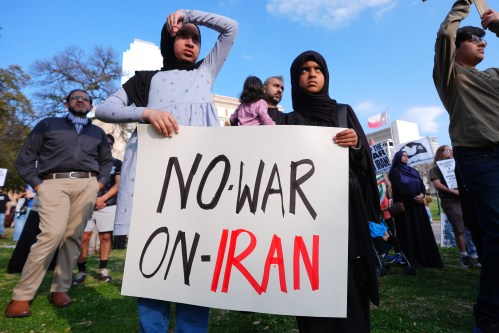
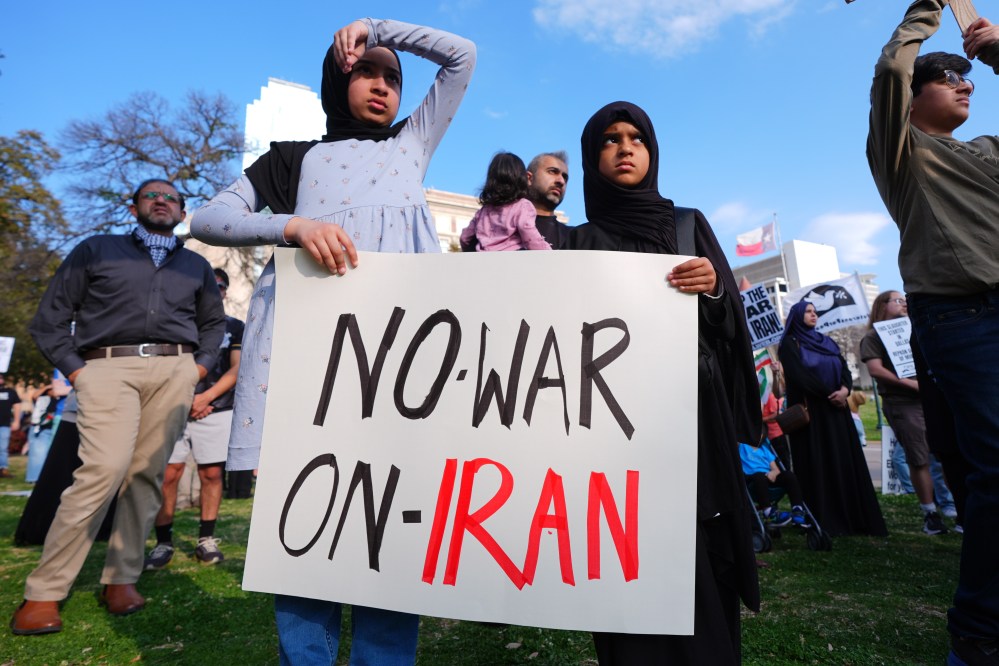
Children living through the latest war in the Middle East or seeing images of the conflict may need help making sense of events that many adults find unnerving. Exposure to war, even if it is indirect, can affect how kids think, feel and behave, according to mental health experts.
Child psychologists and development specialists encourage parents to check in with their children, make time for age-appropriate conversations and to correct misinformation without going into excessive detail.
“Sometimes adults think if they don’t talk about something that is difficult, than it doesn’t exist. But we know that’s not the reality in children’s lives,” said Rebecca Smith, the global head of child protection at Save the Children, an international aid and advocacy organization. “Ignoring or avoiding the topic of conflict can lead to children feeling lost, alone and scared. … It is essential to have open and honest conversations with children to help them process what is happening.”
Below are suggestions for having conversations with children about war and its impacts.
Create a safe space, then listen and validate feelings
Experts recommend starting with what a child might know about what is happening in Ukraine, Gaza, Iran, Israel, Sudan or other parts of the world before attempting to address any feelings of fear, sadness, anger or anxiety.
Some children may not know that fighting has escalated between the United States and Israel on one side and Iran and its proxies on the other. Other kids may be more aware than their families realize and suppress their emotions. Children visiting or living in Middle Eastern countries directly impacted will have seen weapons light up the sky and may know people killed or have to leave their homes.
“For some children where missiles are now visible in the skies, this might be an entirely new and terrifying experience,” Smith said. “When events like this happen, they disrupt a child and family’s sense of safety. What once felt stable and secure may suddenly feel uncertain.”
To help children work through their emotions, the trusted adults in their lives also need to take care of themselves, according to experts. Guidance from the National Child Traumatic Stress Network says adults sharing their own feelings with children can be an opportunity to convey personal beliefs and values about how to treat others. The key is to not assume what children might be thinking or feeling.
If children do not want to talk or are not ready, experts suggest adults remain patient and tell children they are there for them.
“It is necessary to respect child’s ability to refuse communication, their ability not to talk or not to tell about something. Because they can have their own feelings, their own states, which they might not want to share,” child psychologist Nataliia Sosnovenko said, speaking in Ukrainian. Sosnovenko works with Voices of Children, a Ukrainian organization that provides psychological support and documents children’s experiences in the country during the yearslong war with Russia.
Some children might share what they have seen or heard, how they feel or ask questions when given an opportunity. Experts say this is when adults should validate their feelings and address what’s happening honestly while taking their ages and maturity levels into account.
Let their age guide the conversation
The American Psychological Association recommends giving kids basic, age-appropriate information about war and conflict, and addressing any upsetting images, headlines or conversations they were exposed to without going into details that might make them unnecessarily anxious. But ultimately, parents know their children best, experts say.
Families who have loved ones in the region may need to take the extra time to discuss the safety of their relatives and friends, and the difficulty of uncertainty. Families in the region themselves may need to have a plan in place for what to do if they become separated. Experts with Save the Children say to keep it simple and to practice the plan calmly.
Depending on how young, some children can understand the idea that two countries are fighting. But young children living abroad may not be able to distinguish between what they see on screens and what is happening nearby. For children in the U.S., the Iran war can seem much closer than it is if they are frequently seeing images on TV or social media, meaning they may need additional reassurance they are safe from danger.
Older children are likely to understand war and its consequences, which means they might be more concerned and have more questions, the American Psychological Association says. Adults may want to consider focusing on what is within their control and giving children some agency, such as supporting humanitarian efforts, staying informed and addressing misinformation.
UNICEF, the United Nations agency that provides humanitarian aid and long-term support to children worldwide, says it is OK to not have all the answers.
In Lebanon, some families have sought refuge since Saturday in a brick school building. Nora Ingdal, Save the Children’s Lebanon Country Director, says children there are asking several questions about the reason for conflict and when things might return to normal.
“This one daughter was clinging to her mother and looking up to her mom and asking, ‘Mom, why are they fighting? Why are they attacking us?’ The mother looks at me, but has no answer. Then she’s asking, ‘When are we gonna go home?’ Again, the mom looked at me,” Ingdal said. “I said to her, ‘It’s all right to say that you don’t know, you cannot guarantee anything, but I’m here with you.’”
Limit unnecessary exposure and use this as a teaching opportunity
While some global agencies say children should be aware of what is happening in the world, experts say adults still have a responsibility to keep youngsters safe and limit unnecessary exposure.
Parents are encouraged to pay attention to how exposed children are to the news. The younger the child, the less exposure they should have, according to the National Child Traumatic Stress Network.
Some agencies recommend switching off the news entirely or limiting conversations about distressing events with other adults if children can hear. Others recommend using the opportunity to educate children on the importance of news, understanding where to find accurate facts and how to identify when something is not true or deceiving.

Save the Children says caregivers can model responsible digital behavior, encourage kids not to spread harmful or graphic information and remind them to think twice before sharing content that is possibly inaccurate or emotionally triggering.
It is important for caregivers of children living in conflict zones to remember that some kids do not know a time before war and do not have the ability to disconnect from what is happening around them, Sosnovenko said. That’s where professional help might support conversations and education.
“During the war, the types of people who come to us have changed,” she said. “Thanks to the fact that the psychological culture of the population is improving, people began to understand that therapy is important. These days, help of a psychologist is needed by most people and children as well.”
___
AP journalist Illia Novikov in Kyiv, Ukraine, contributed to this story.
Related Articles
Local Iranians bittersweet about war
Advertisement Advertise With Us
Advertisement Advertise With Us