Paddlers’ paradise The Bird River offers prime kayaking conditions in late spring
Read this article for free:
or
Already have an account? Log in here »
To continue reading, please subscribe:
Digital Subscription
One year of digital access for only $1.44 a week*
- Enjoy unlimited reading on winnipegfreepress.com
- Read the E-Edition, our digital replica newspaper
- Access News Break, our award-winning app
- Play interactive puzzles
*Billed as $5.77 plus GST every four weeks. After 52 weeks, price increases to the regular rate of $19.95 plus GST every four weeks. Offer available to new and qualified returning subscribers only. Cancel any time.
To continue reading, please subscribe:
Add Free Press access to your Brandon Sun subscription for only an additional
$1 for the first 4 weeks*
- Enjoy unlimited reading on winnipegfreepress.com
- Read the E-Edition, our digital replica newspaper
- Access News Break, our award-winning app
- Play interactive puzzles
*Your next Brandon Sun subscription payment will increase by $1.00 and you will be charged $17.95 plus GST for four weeks. After four weeks, your payment will increase to $24.95 plus GST every four weeks.
Read unlimited articles for free today:
or
Already have an account? Log in here »
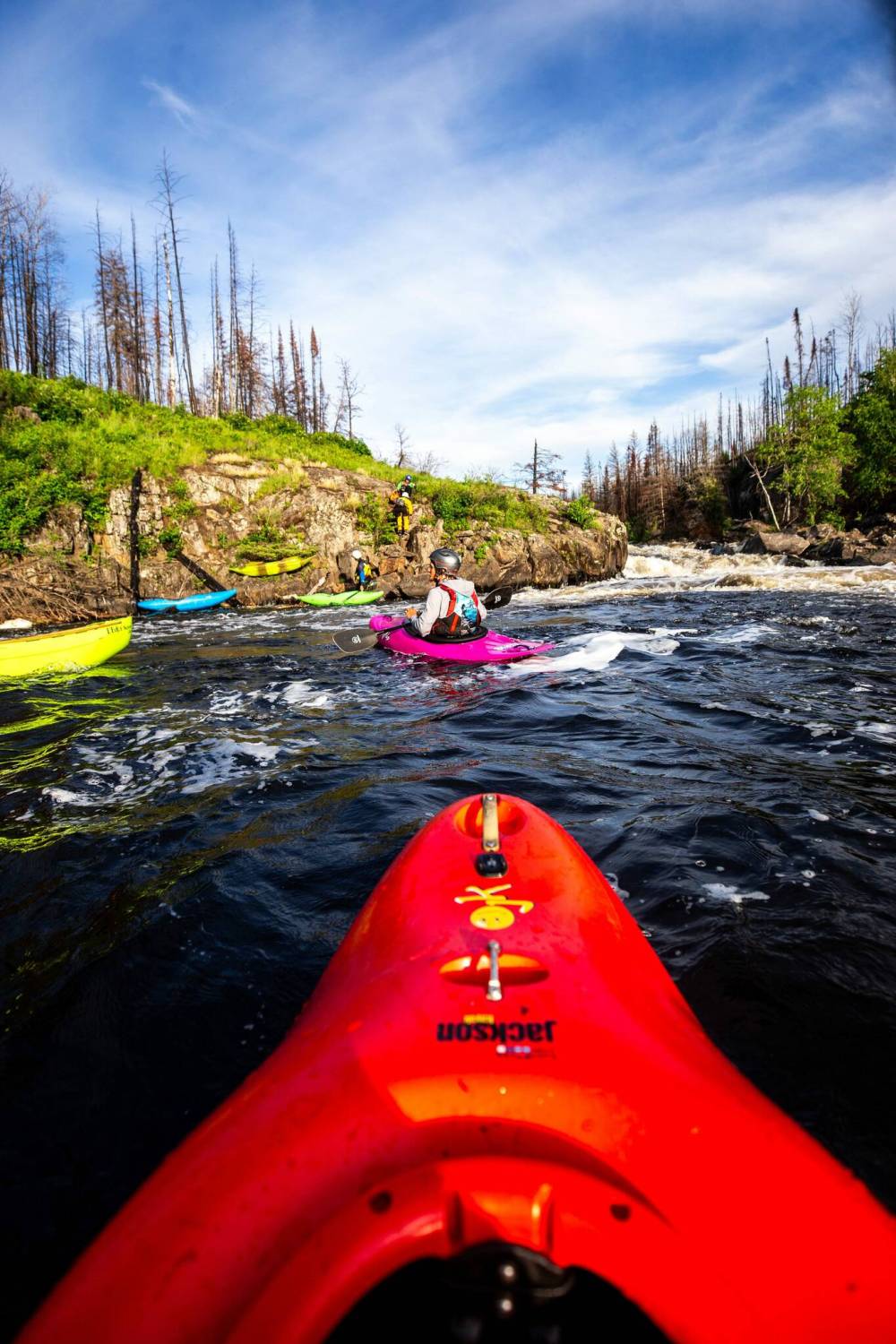
A two-hour drive northeast of Winnipeg, the lower Bird River is a popular draw for whitewater enthusiasts.
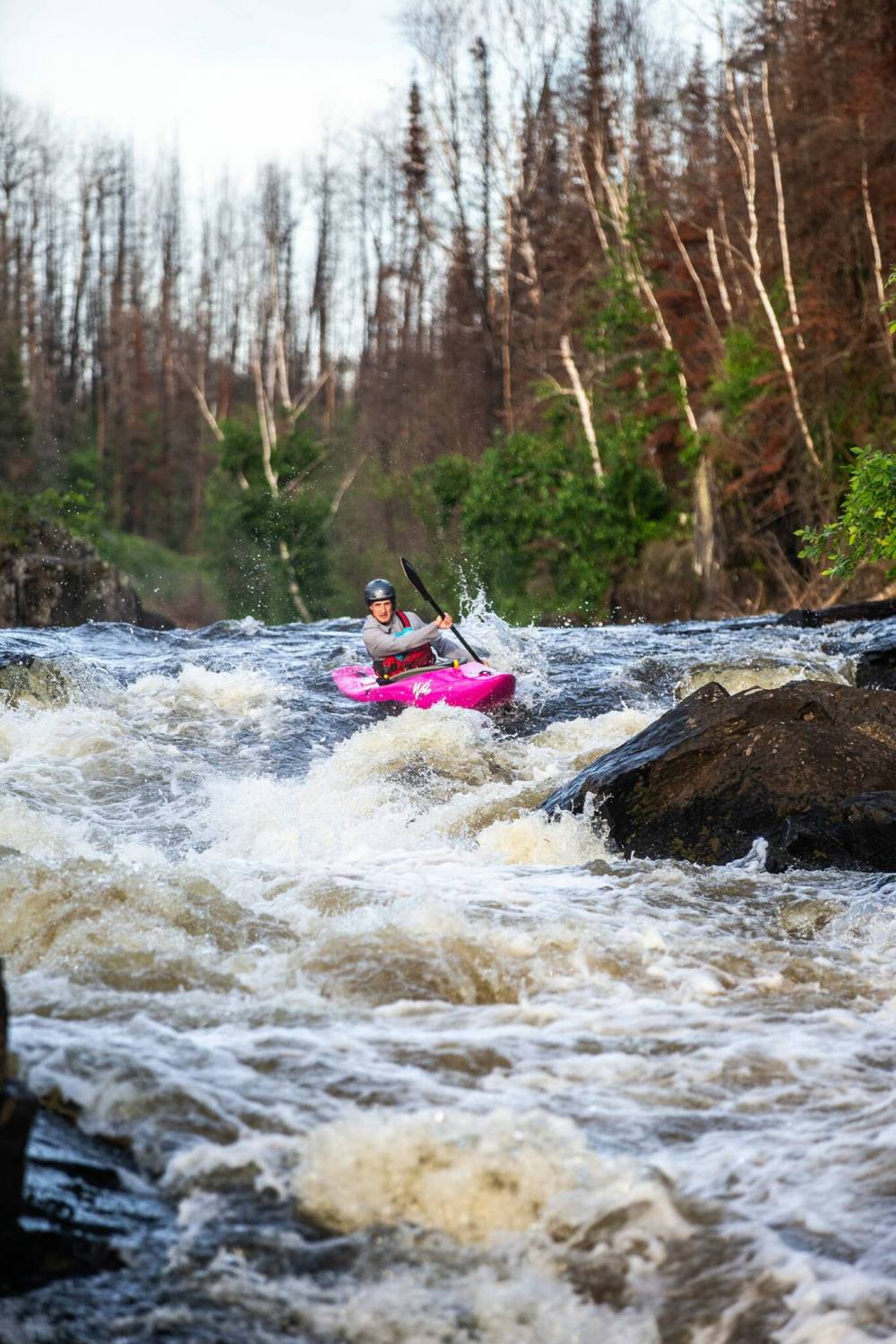
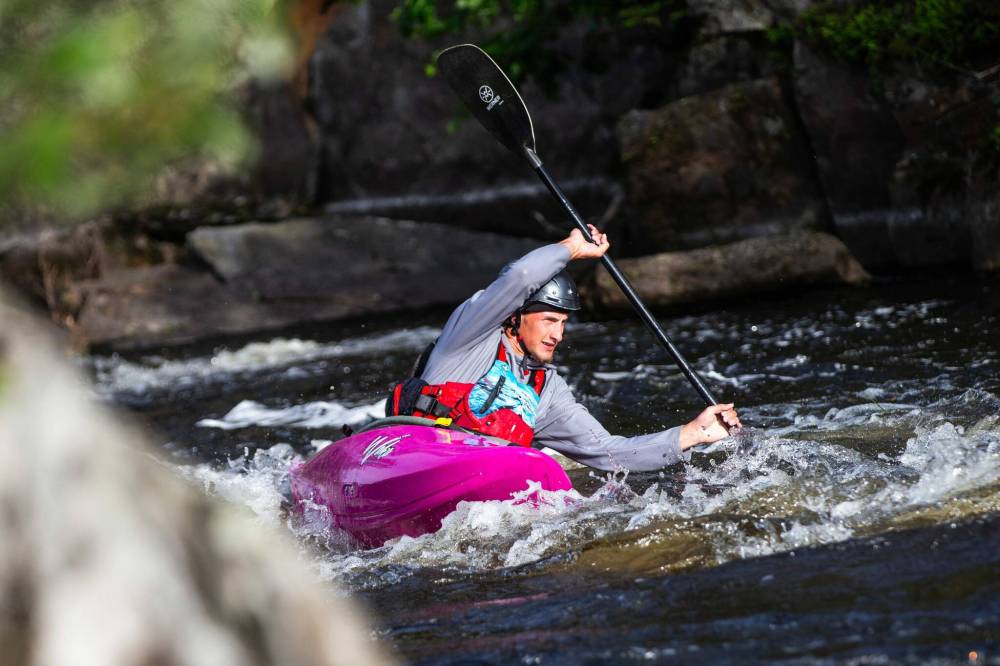
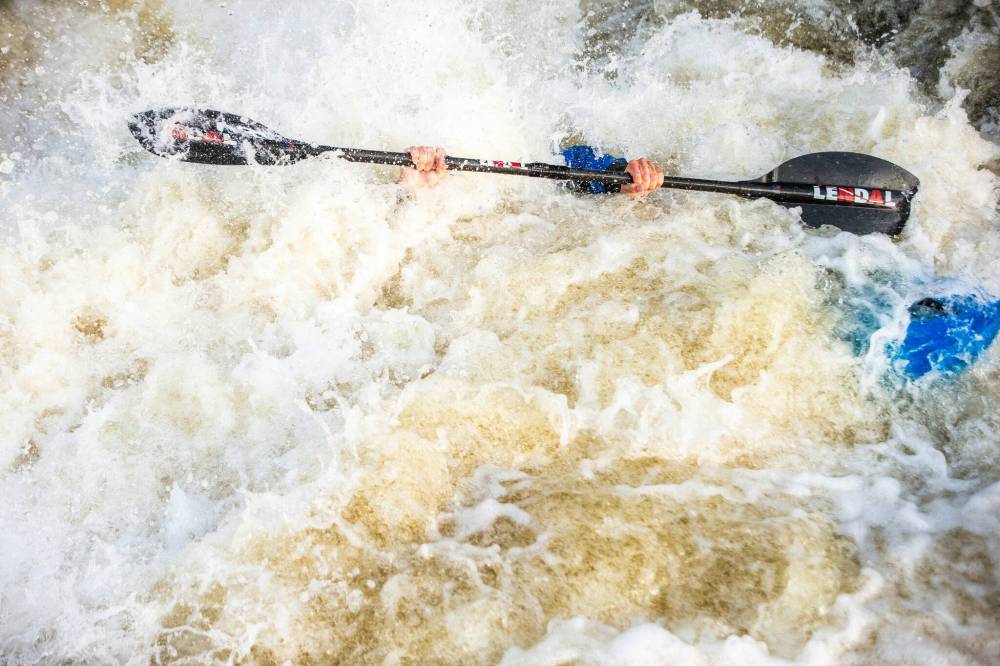
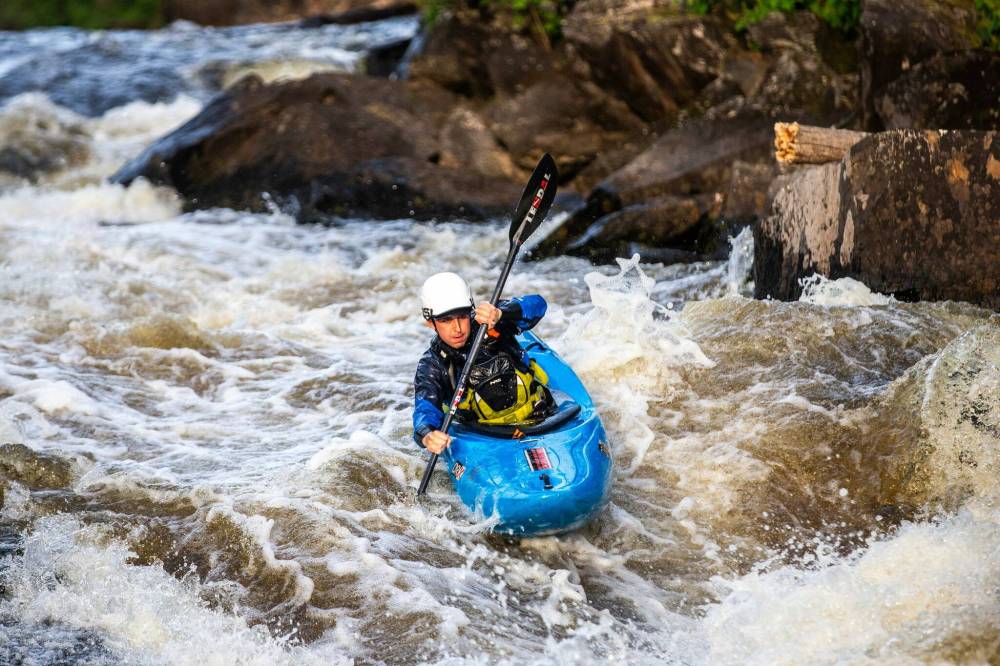
The water moves fast and the hazards — rapids, rocks and technical drops — are challenging.
This is not a beginner-friendly run. Paddlers need to keep their wits about them as they roll through Class 1 to 4 rapids.
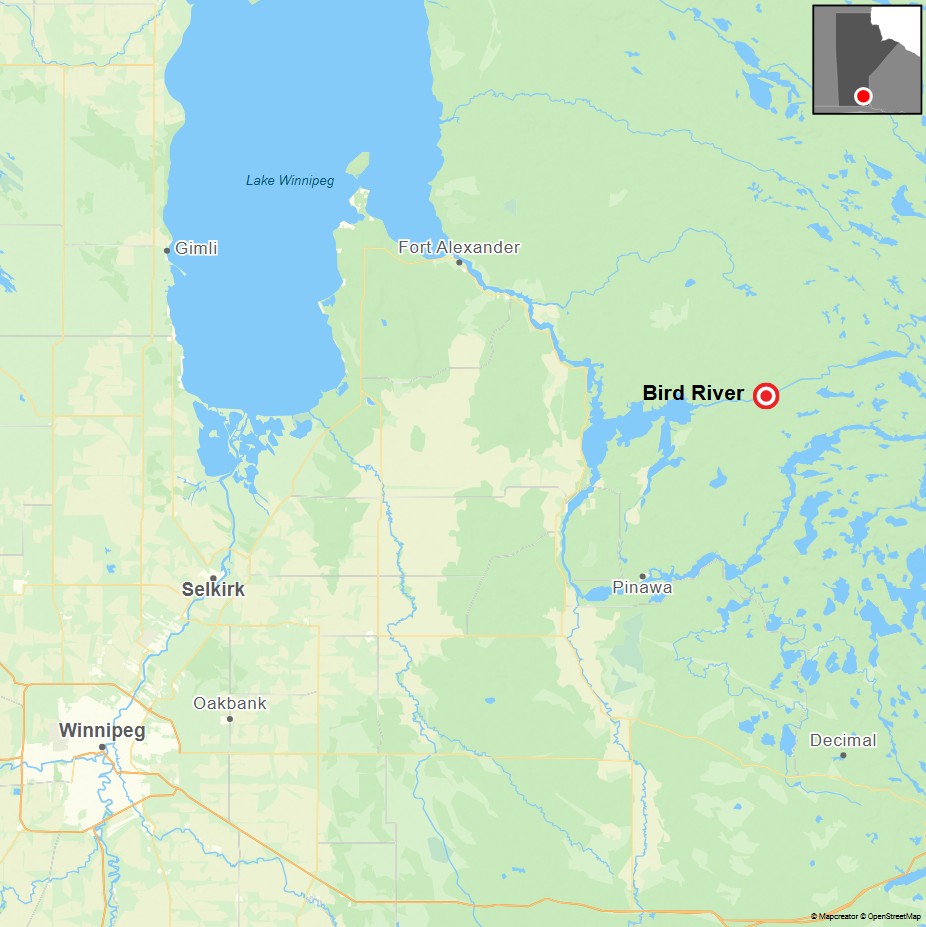
The Bird River, flowing through the traditional territory of the Sagkeeng First Nation, stretches from the Ontario border, through Nopiming Provincial Park, before reaching the Winnipeg River, east of Lac du Bonnet.
A stretch called the lower Bird River outside the park is what draws whitewater paddlers, particularly in spring and early summer, when water levels are often at the highest and, at a speed of roughly 10 cubic metres per second, the fastest.
Photographer Mikaela MacKenzie recently joined Lori Neufeld and other kayakers for a weeknight excursion.
The area along the river was devastated in 2025 in one of Manitoba’s most severe wildfire seasons in history. About 95 per cent of the vegetation was destroyed, with signs of fire still burning in September and October. Backcountry travel bans restricted access to the river for most of last summer.
Tegan Stoesz (left) and Lori Neufeld walk through charred remains from the 2025 wildfire season to get to a launch site.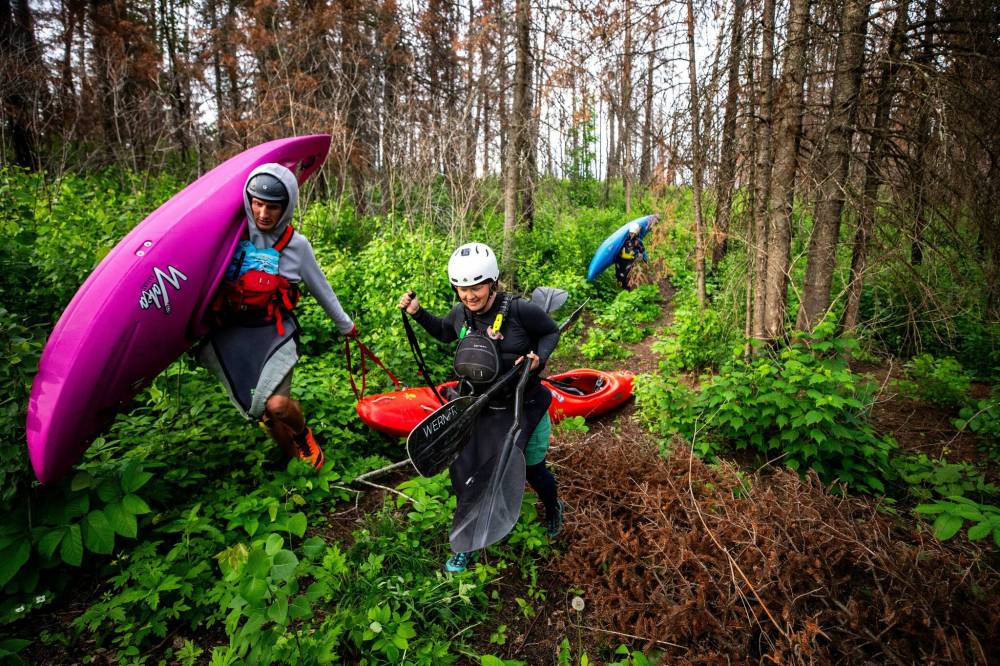
Despite the loss of habitat, Neufeld was moved by how quickly regeneration was taking place, saying she’s seen more bears, moose and other animals this spring than ever before. She also thought the river would be full of dead trees, which is extremely hazardous to paddlers, but that hasn’t been the case.
“The Bird is so special because it’s super accessible, it’s got rapids for intermediate and advanced paddlers, it’s close enough to the city for evening laps, and the rapids are so condensed,” Neufeld said. “You can run that section in an hour if you’re in a hurry. It’s also just so beautiful.”
Most importantly, Neufeld stressed, is the river deserves respect and that paddlers must possess the necessary skills before tackling it.
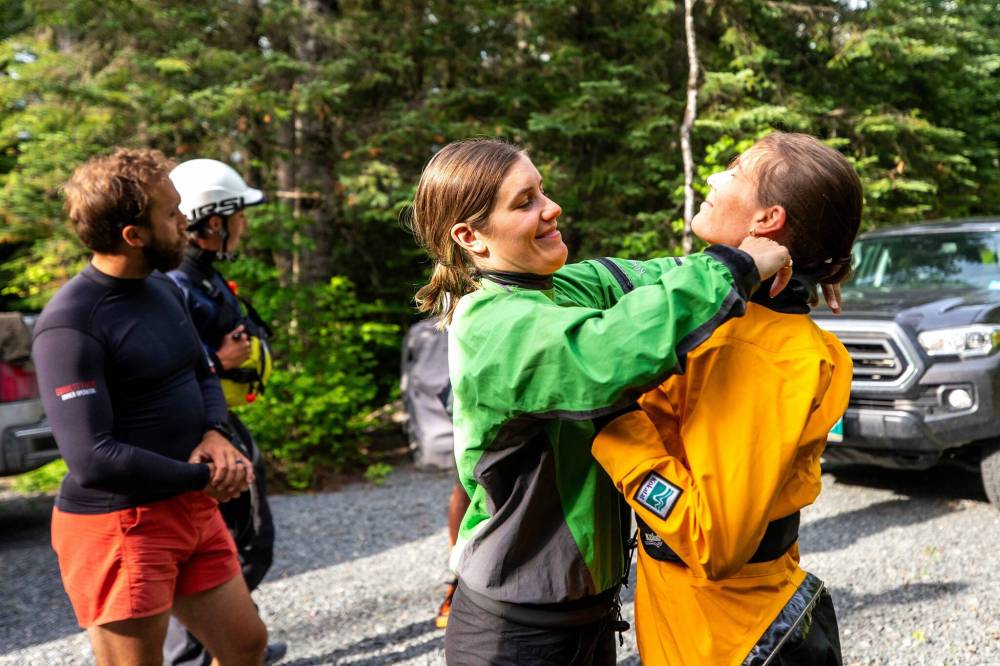
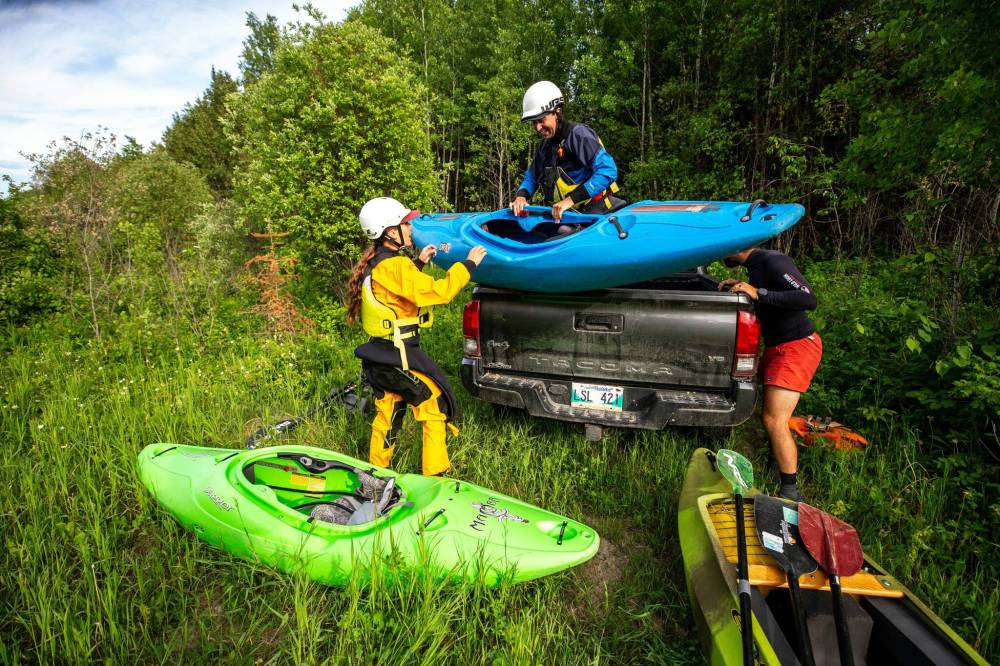
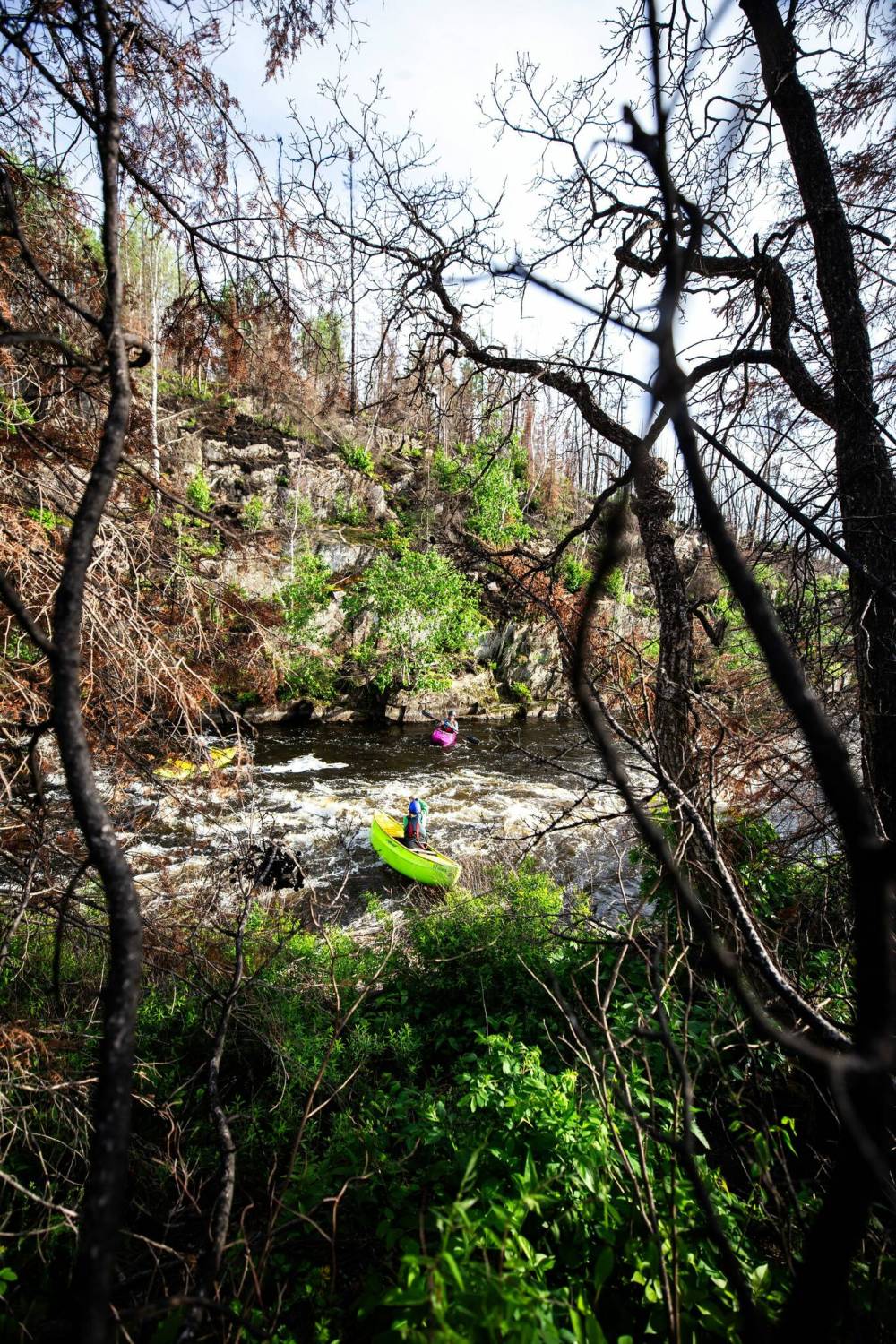
Paddlers get ready to run the river.
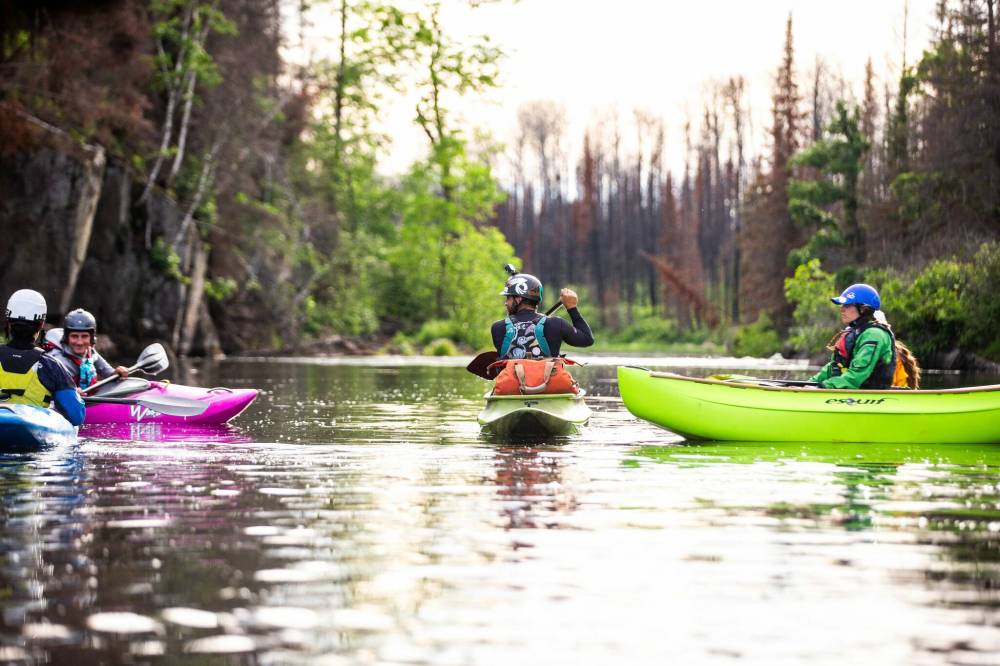
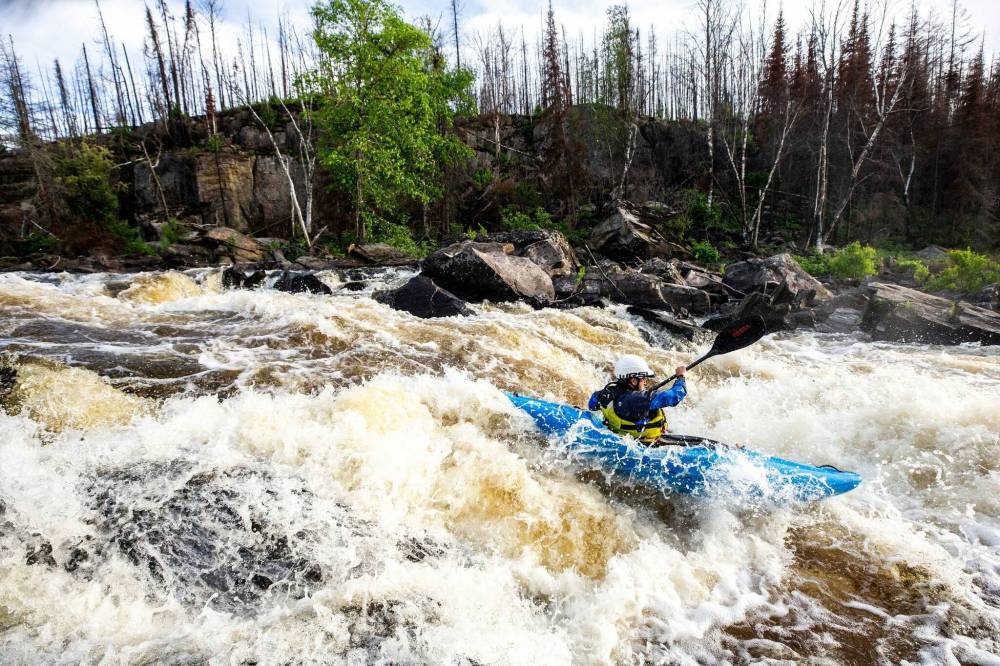
Walker and others get a quick night of paddling in due to the river’s relatively close proximity to the city.
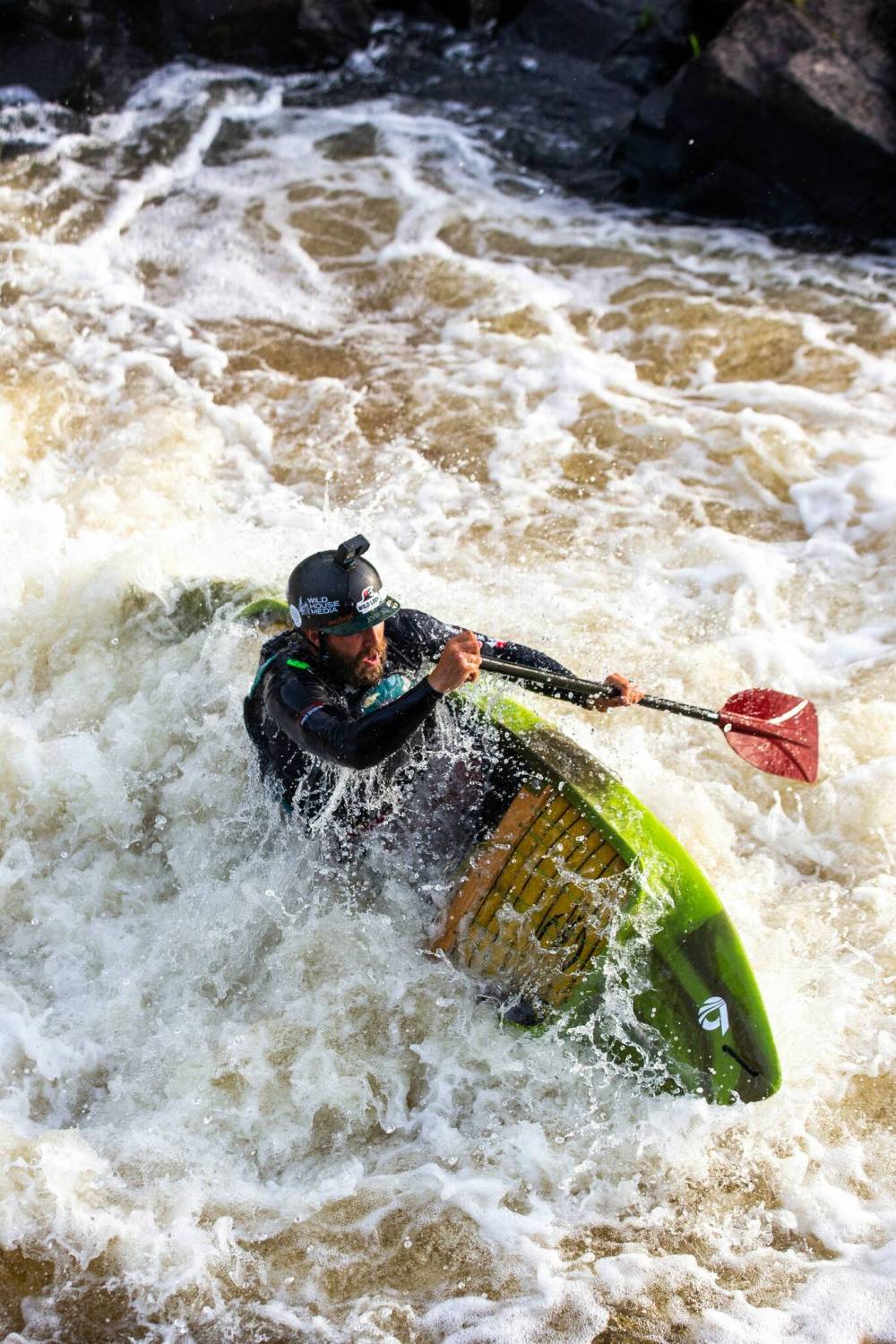
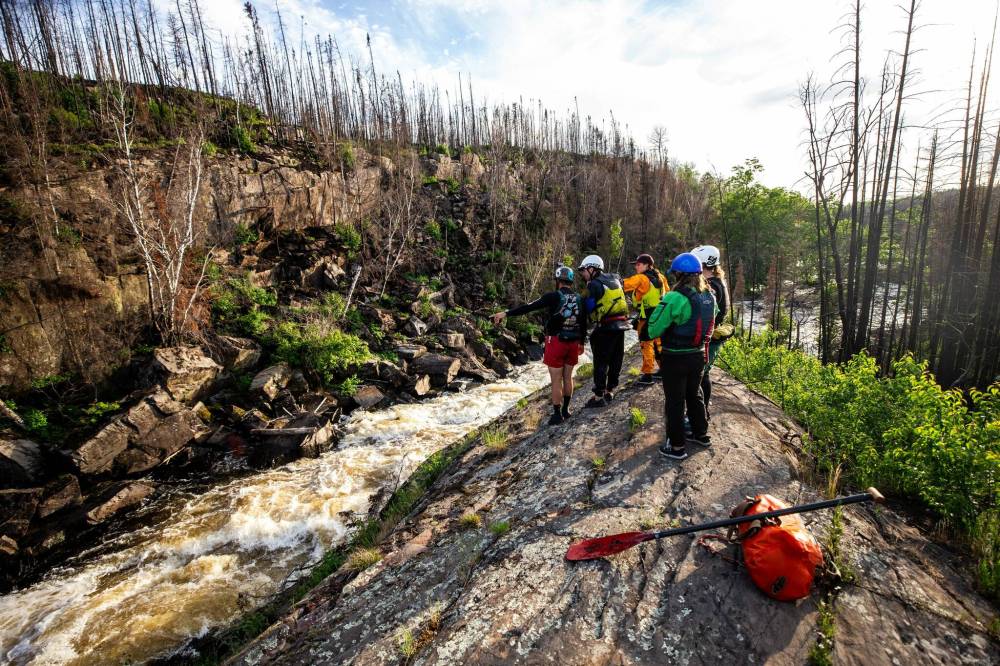
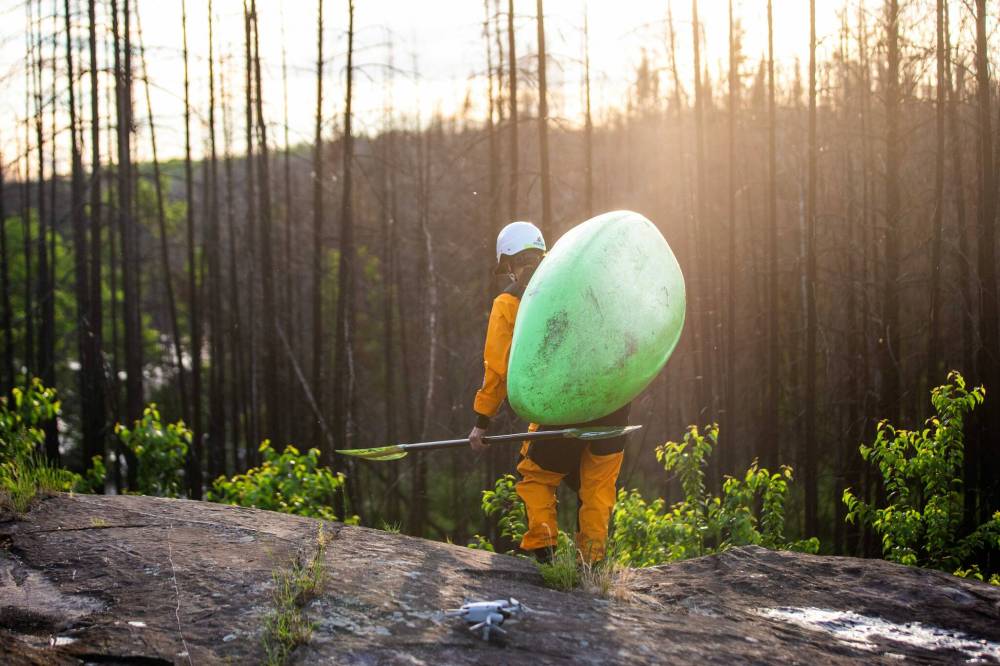
Emma Mitchell portages around ‘the canyon’ rapids.

Our newsroom depends on a growing audience of readers to power our journalism. If you are not a paid reader, please consider becoming a subscriber.
Our newsroom depends on its audience of readers to power our journalism. Thank you for your support.
History
Updated on Wednesday, July 8, 2026 2:45 PM CDT: Corrects flow.