The bagel’s journey from Jewish immigrant food to American breakfast staple
Advertisement
Read this article for free:
or
Already have an account? Log in here »
To continue reading, please subscribe:

Digital Subscription
One year of digital access for only $205*
- Enjoy unlimited reading on winnipegfreepress.com
- Read the E-Edition, our digital replica newspaper
- Access News Break, our award-winning app
- Play interactive puzzles
*First annual payment billed as $205.00 + GST for one year. This annual subscription will automatically renew at $233.00 + GST every 52 weeks (10% off the regular annual price of $259.35). Offer available to new and qualified returning subscribers only. Cancel any time.
To continue reading, please subscribe:
Add Free Press access to your Brandon Sun subscription for only an additional
$1 for the first 4 weeks*
- Enjoy unlimited reading on winnipegfreepress.com
- Read the E-Edition, our digital replica newspaper
- Access News Break, our award-winning app
- Play interactive puzzles
*Your next Brandon Sun subscription payment will increase by $1.00 and you will be charged $17.95 plus GST for four weeks. After four weeks, your payment will increase to $24.95 plus GST every four weeks.
Read unlimited articles for free today:
or
Already have an account? Log in here »
NEW YORK (AP) — The bagel in America is an immigrant story with a hole in the middle.
It came to America with Eastern European Jews escaping poverty and antisemitism. It landed in New York street carts and neighborhood bakeries. Later, it made its way to supermarket freezer aisles and into the breakfast order of so many every day. And like every food story, it starts with the first bite.
As a layer of crunch prepares your brain for a crusty piece of bread, it’s immediately met by the soft yet dense chew of the inside. Eating the two textures together brings a feeling of joy, along with whatever toppings you’ve added.
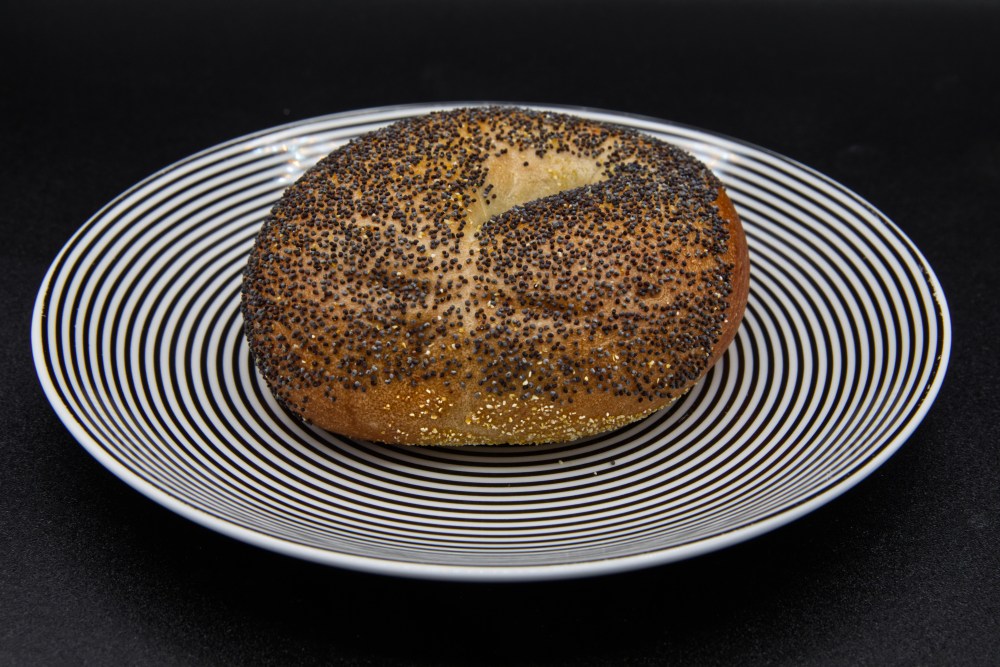
A schmear of cream cheese to keep it simple. A flavored spread to add a bit of zest. Or a bagel topped taller than the human mouth can handle with fish, tomato, cucumber and red onions.
And we haven’t even talked about the flavor choices.
A simple plain or egg bagel works for some (no judgment). Others insist on seeds — poppy, sesame — or shards of onion or salt. Others say it’s not a bagel unless it’s an everything, each bite snapping back at you with a different cascade of flavors.
Purists will tell you to keep it simple. But with a bagel, like so much in American life, you can have it any way you’d like.
The bagel started in Jewish communities in Poland and was brought here by Eastern European Jews escaping growing antisemitism in the late 19th and early 20th centuries. After arriving from Poland, Harry Lender worked at a New Jersey bakery to earn enough to bring his family to America. His sons grew the family’s work from their New Haven, Connecticut, bakery to supermarkets around the country with frozen bagels.
The bagel, then, is another story of the success of immigrants in America. The shops that now sell them are run by families of those original immigrants and new groups who’ve come for a better life.
But no matter how far the bagel spreads, it maintains a special place for American Jews. Many moments in the circle of life for Jews in America include boiled rings of dough stacked high to celebrate or eat away the grief.
Ritual circumcision for a baby boy? Snip snip, then bagels for all.

Bar mitzvah day 13 years later? Months of practice for an hour of work. Then: bagels.
Shiva house mourning a loved one? “Sorry for your loss.” “Thank you. Bagels are in the other room.”
In these situations, the bagel brings comfort — just as it has for generations of American Jews, immigrants, and anyone else looking for their place at the table.
___
Part of a recurring series, “American Objects,” marking the 250th anniversary of the United States. For more American objects, click here. For more stories on the anniversary, click here.
The Free Press acknowledges the financial support it receives from members of the city’s faith community, which makes our coverage of religion possible.