A beach break in Nigeria’s Lagos is becoming too expensive for many
Advertisement
Read this article for free:
or
Already have an account? Log in here »
To continue reading, please subscribe:

Digital Subscription
One year of digital access for only $205*
- Enjoy unlimited reading on winnipegfreepress.com
- Read the E-Edition, our digital replica newspaper
- Access News Break, our award-winning app
- Play interactive puzzles
*First annual payment billed as $205.00 + GST for one year. This annual subscription will automatically renew at $233.00 + GST every 52 weeks (10% off the regular annual price of $259.35). Offer available to new and qualified returning subscribers only. Cancel any time.
To continue reading, please subscribe:
Add Free Press access to your Brandon Sun subscription for only an additional
$1 for the first 4 weeks*
- Enjoy unlimited reading on winnipegfreepress.com
- Read the E-Edition, our digital replica newspaper
- Access News Break, our award-winning app
- Play interactive puzzles
*Your next Brandon Sun subscription payment will increase by $1.00 and you will be charged $17.95 plus GST for four weeks. After four weeks, your payment will increase to $24.95 plus GST every four weeks.
Read unlimited articles for free today:
or
Already have an account? Log in here »
LAGOS, Nigeria (AP) — Weekends for Mukthar Oladunmade since he was a child have typically featured a visit to the beach. In the ceaselessly bustling city of Lagos, he prefers to unwind on the breezy Atlantic shoreline that nearly surrounds the city.
But these days, going to the beach in Nigeria’s commercial hub has become expensive. It now involves a virtual spreadsheet of expenses, including fees for entry, chairs, food, drinks and activities as the local government hands over more of the shore to private developers.
“It costs a lot of money for the average Nigerian to come here,” Oladunmade, a 27-year-old writer, said at Takwa Bay, one of the few islands that are not privately owned.
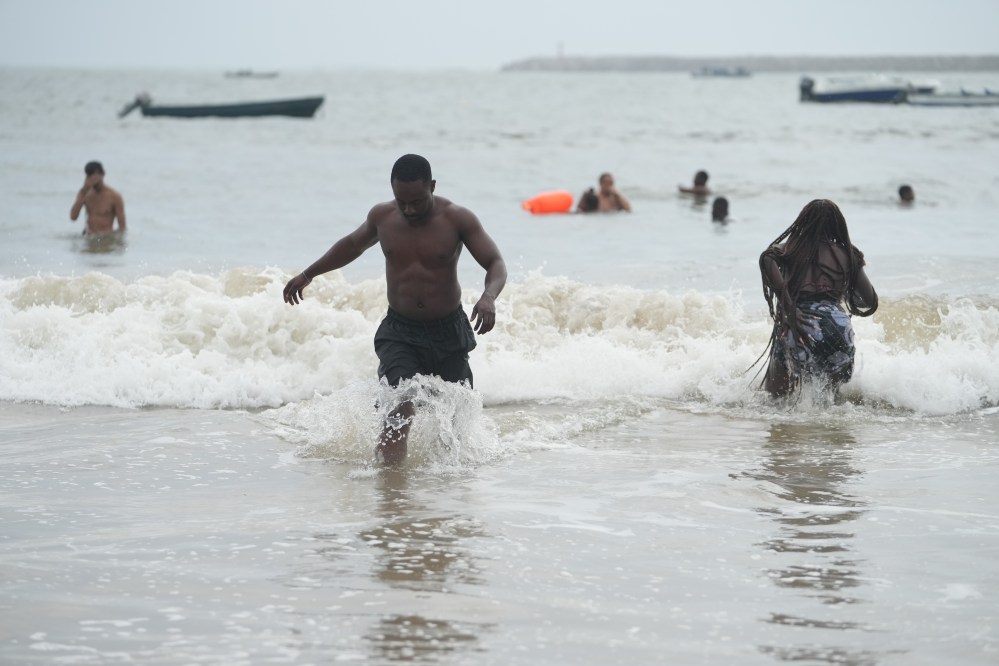
He travels regularly across West Africa for work, and his favorite evening pastime is relaxing at the beach, whether in Accra, Cotonou, Dakar or elsewhere in the region. He says it’s only in Lagos where that has become nearly impossible.
“On average, I spend 25,000 naira ($18) whenever I think of coming to the beach,” he said.
That’s beyond many residents of Lagos, where the majority of people work in the informal sector. Nigeria’s minimum wage is 77,000 naira ($56) per month.
Much of the coastline is being privatized
The beach is one of the few public spaces in the city of over 20 million residents to escape the crowds and Lagos’ often sweltering heat. The city is near the equator, with humidity averaging 80% year round.
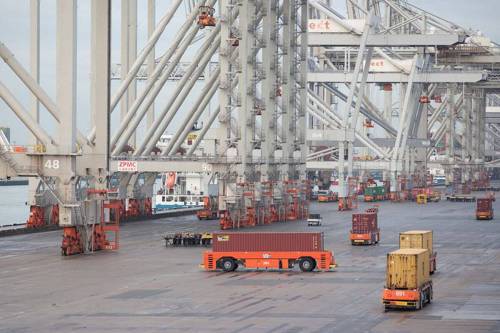
But most of the city’s 180-kilometer-long coastline is being privatized by the government or by families with ancestral claim to the land. The Lagos state government also has reclaimed land for exclusive residences and developments including a causeway and deep sea port.
What used to be free public spaces are mostly now ticketed ones, with entry fees ranging from 2,000 ($1.50) to 60,000 naira ($44), as the state government has licensed them to individuals or businesses.
A surging economy has grown around the beaches, where items are priced steeply under private owners.
“They are only making money half of the year, having put a lot of money in it,” said Doyin Ogunye, who runs drinks and food businesses at beaches. “So the entry to the beach, the food and drinks will be more expensive.”
The government’s ‘megacity’ drive prices out many
The state government has long promoted Lagos as a “megacity” to attract more tourists and international businesses.
It is paying off. In 2025, Lagos state generated 2.6 trillion naira ($1.9 billion) in internal revenues, a 16% increase from 2024 and far more than any other Nigerian state, according to its commissioner of finance.
But the drive has come at the expense of lower and middle-class residents in numerous ways, from provision of basic services to the pressure on people to move out of coastal areas.
“The approach of the Lagos state government for a long time has not been about the people, it is about the money. It is about how do we build this city in a way that is making money?” said Olamide Udoma-Ejorh, director of the Lagos Urban Development Initiative nonprofit that advocates for an inclusive city.
Officials of the Lagos state government did not respond to a request for comment. In the past, the government has insisted the beaches are cleaner and safer as a result of the privatization.
A resident says ‘I should have access to nature for free’
Every hour is rush hour in Lagos. With constant gridlock, the din of generators and the city’s signature creaky yellow buses, slapped with vibrant decals, circulating round the clock, residents say it is a stressful city.
Esther Sorkpor, a final-year student at the University of Lagos, said she is frustrated with the limited beach access.
“I should have access to nature for free. This is a reflection of how everything is monetized,” she said. “Nigeria is already a very high-tension country, and it is just very stressful to navigate.”
Analysts say a review is needed of how the government manages public spaces. “The beach should be seen as a civic asset,” Udoma-Ejorh said.
As the sun set, beachgoers at Takwa Bay packed their bags and headed home. They hopped on engine-powered wooden boats that sped across the coastal shoreline of Eko Atlantic, a private residence for the ultra rich, which has long defined Lagos’ megacity ambition.
More of those are planned.
___
For more on Africa and development: https://apnews.com/hub/africa-pulse
The Associated Press receives financial support for global health and development coverage in Africa from the Gates Foundation. The AP is solely responsible for all content. Find AP’s standards for working with philanthropies, a list of supporters and funded coverage areas at AP.org.