A call for kitchen-counter activism
Cookbook highlights chickpea as key to culinary stand
Advertisement
Read this article for free:
or
Already have an account? Log in here »
To continue reading, please subscribe:
Digital Subscription
One year of digital access for only $1.44 a week*
- Enjoy unlimited reading on winnipegfreepress.com
- Read the E-Edition, our digital replica newspaper
- Access News Break, our award-winning app
- Play interactive puzzles
*Billed as $5.77 plus GST every four weeks. After 52 weeks, price increases to the regular rate of $19.95 plus GST every four weeks. Offer available to new and qualified returning subscribers only. Cancel any time.
To continue reading, please subscribe:
Add Free Press access to your Brandon Sun subscription for only an additional
$1 for the first 4 weeks*
- Enjoy unlimited reading on winnipegfreepress.com
- Read the E-Edition, our digital replica newspaper
- Access News Break, our award-winning app
- Play interactive puzzles
*Your next Brandon Sun subscription payment will increase by $1.00 and you will be charged $17.95 plus GST for four weeks. After four weeks, your payment will increase to $24.95 plus GST every four weeks.
Read unlimited articles for free today:
or
Already have an account? Log in here »
Hey there, time traveller!
This article was published 11/04/2018 (3010 days ago), so information in it may no longer be current.
With Earth Day coming up on April 22 as our annual reminder of the increasing fragility of the planet, it is worth looking at ways our kitchen and cooking habits can make things better or worse, not only for the next generation, but this one right here, right now.
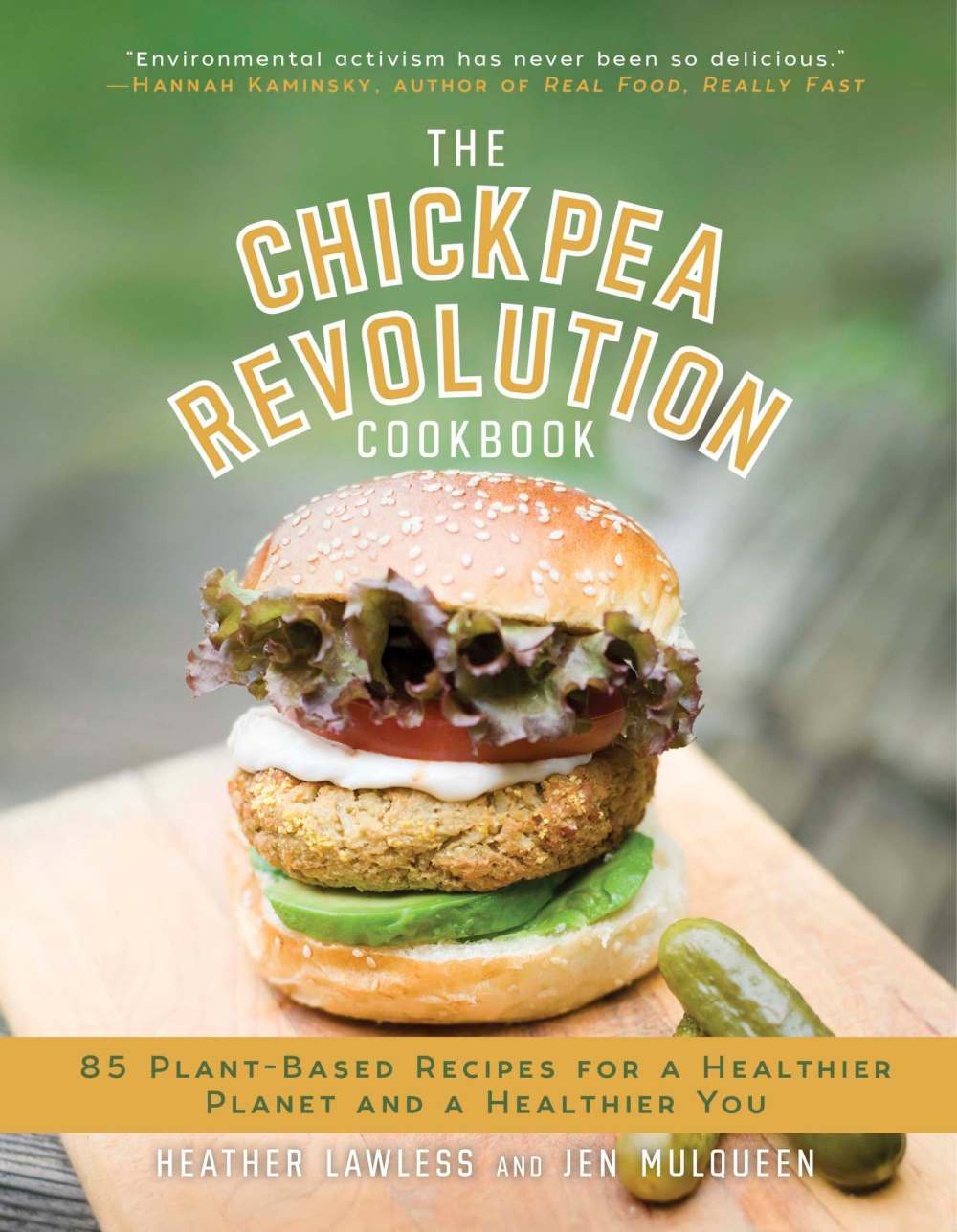
The Chickpea Revolution Cookbook: 85 Plant-Based Recipes for a Healthier Planet and a Healthier You by Heather Lawless and Jen Mulqueen (Skyhorse Publishing, $24.99) is a manifesto for a more sustainable, plant-based dietary foundation.
It’s a call for kitchen-counter activism: a hands-on way to meet the environmental challenge of global warming and the human health problems that come along with too-heavy consumption of meat.
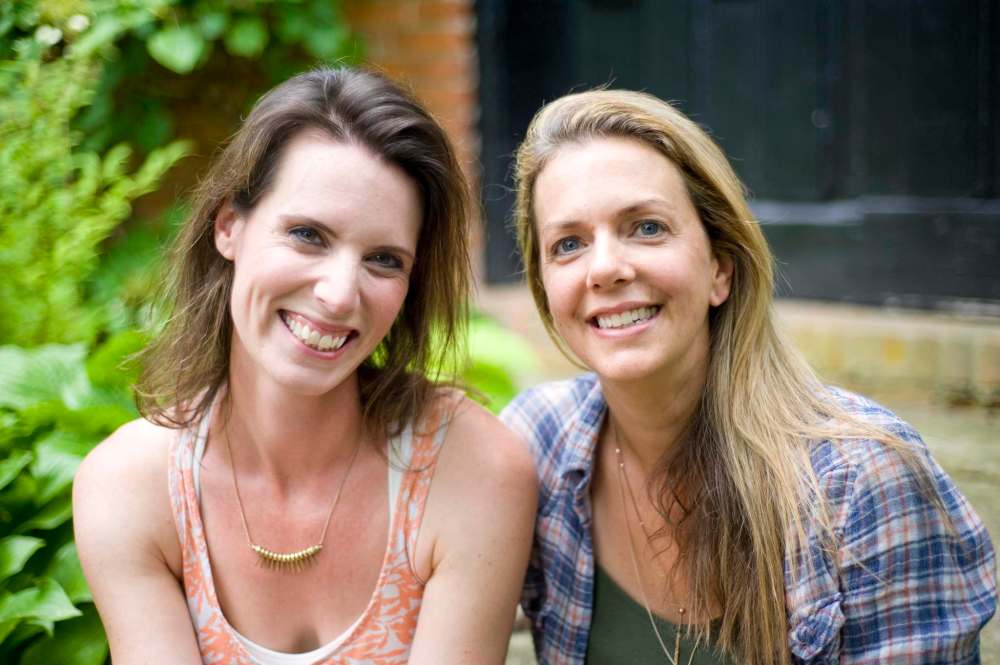
Authors Lawless and Mulqueen aim to show how this can be done with a collection of vegan recipes that revolve around chickpea and chickpea flour: two readily available and affordable ingredients that are versatile and nutritious.
As a bonus, chickpeas are grown right here in Canada. We rank around ninth in world production. Good for us.
The authors’ argument for chickpeas as a staple in a plant-based diet is persuasive — no surprise, given their credentials: Lawless has worked for non-profits around the world and has been a consultant with the United Nations Development Fund for Women and works with the Ontario government in income-support policy, while Mulqueen is a certified culinary expert with a background in documentary production.
The chickpea also has a 7,000-year culinary history on its side, and is grown all over the world.
As an ingredient, it’s nothing if not democratic.
Chickpeas are highly nutritious, providing protein, fibre, iron, phosphate, calcium, magnesium, zinc and vitamin K. Lawless and Mulqueen show off the pulse’s strengths with recipes for breakfasts; dips and appetizers; “food truck” fare such as poutine, sandwiches, falafel, tacos, pakoras and burgers; mains and one-pot dishes; desserts; beverages; and a section of recipes for things such as mayonnaise, marinated and pickled chickpeas, sprouts and chickpea “Parmesan.”
You can get the garbanzo onto your plate a hundred different ways.
We learn that chickpeas build the soil by pulling nitrogen from the atmosphere, thus requiring fewer fertilizer inputs.
Contrast this with the extensive use of chemicals on the 70 per cent of all agricultural land being used for cattle production, including growing feed for cows.
Cattle feed could put food on plates for almost one-third of the 7.3 billion people on the planet.
That’s about 2.4 billion people. That’s three times what’s needed to feed the 800 million people who go hungry every day.
There is also research into chickpea genomes to help them adapt to climate change.
While readers may find that encouraging, questions arise.
Will seed patents cause chickpea prices to skyrocket for growers, especially in developing countries where farmers might count on seed-saving practices? Could seed promiscuity interfere with farmers wishing to grow heritage/organic seeds? Will access to heritage strains be limited or eliminated? Will new seed varieties require the application of expensive chemical fertilizers, herbicides and insecticides? Will governments invest exclusively in patents and companies that often reduce real choices for consumers in favour of profit?
With food-security issues, financial motivation and its consequences need to be part not just of Earth Day conversations and questions, but of everyday conversations and questions.

In the meantime, the “buy local” food movement provides an example of how powerfully consumers can influence markets.
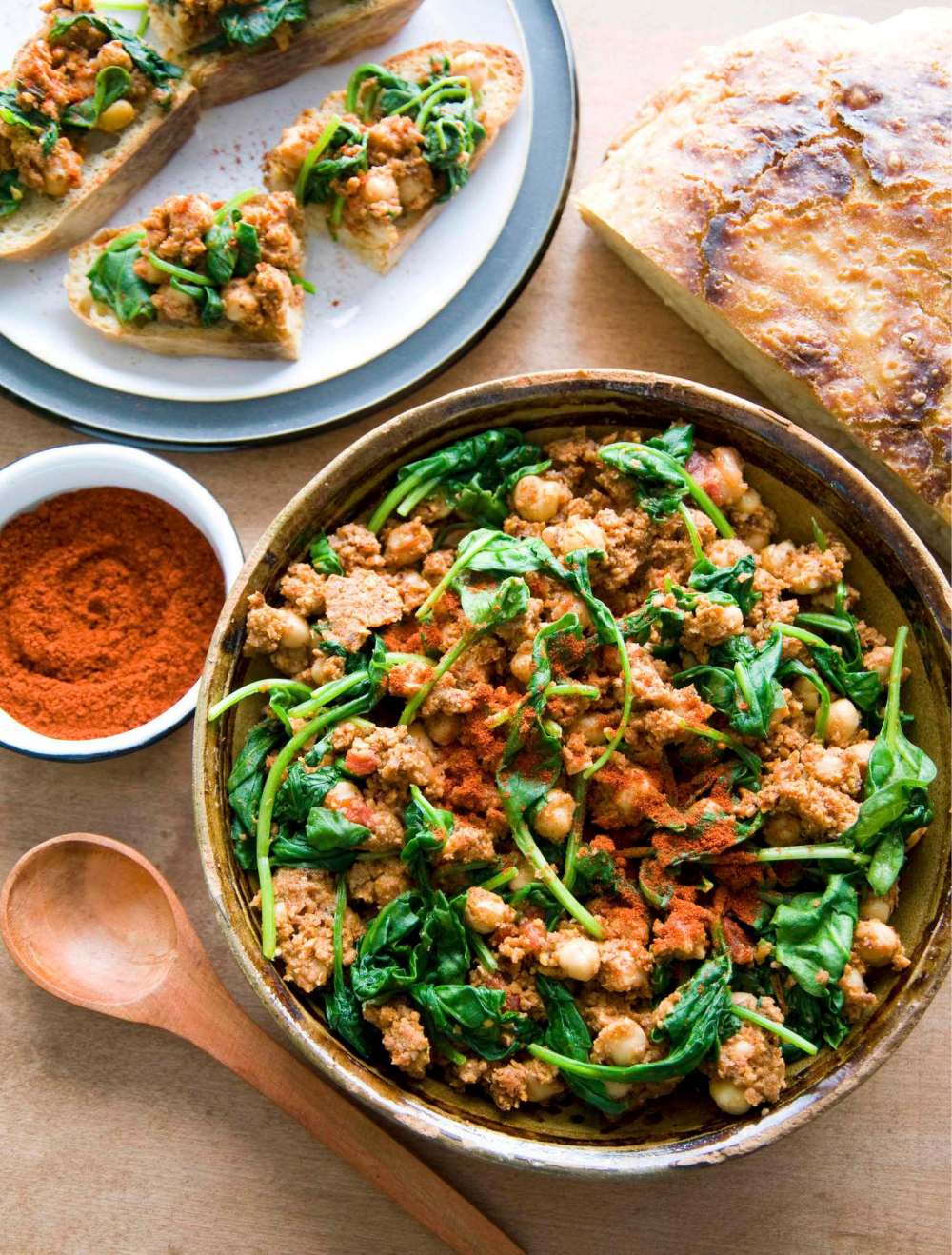
Household cooks can be a driving force against global warming with a few inexpensive changes to their menus.
Change can be built on individual households, one at a time. Books such as Chickpea Revolution, plainly written with good basic information about both the need and the way to address it, are a good start.
Bring a little chickpea into your life with these two recipes, with commentary, excerpted with permission from Skyhorse Publishing from The Chickpea Revolution Cookbook: 85 Plant-Based Recipes for a Healthier Planet and a Healthier You by Heather Lawless and Jen Mulqueen; food photos by Josh Neubauer.
Twitter: @WendyKinginWpg