A noteworthy legacy
Music professor William Gordon’s contributions to Brandon University and community made lasting impression

Advertisement
Read this article for free:
or
Already have an account? Log in here »
To continue reading, please subscribe:

Digital Subscription
One year of digital access for only $205*
- Enjoy unlimited reading on winnipegfreepress.com
- Read the E-Edition, our digital replica newspaper
- Access News Break, our award-winning app
- Play interactive puzzles
*First annual payment billed as $205.00 + GST for one year. This annual subscription will automatically renew at $233.00 + GST every 52 weeks (10% off the regular annual price of $259.35). Offer available to new and qualified returning subscribers only. Cancel any time.
To continue reading, please subscribe:
Add Free Press access to your Brandon Sun subscription for only an additional
$1 for the first 4 weeks*
- Enjoy unlimited reading on winnipegfreepress.com
- Read the E-Edition, our digital replica newspaper
- Access News Break, our award-winning app
- Play interactive puzzles
*Your next Brandon Sun subscription payment will increase by $1.00 and you will be charged $17.95 plus GST for four weeks. After four weeks, your payment will increase to $24.95 plus GST every four weeks.
Read unlimited articles for free today:
or
Already have an account? Log in here »
Hey there, time traveller!
This article was published 12/02/2022 (1663 days ago), so information in it may no longer be current.
William Gordon cared about the details — no matter how small.
The Brandon University music professor was a meticulous teacher, conductor and administrator who, during his 50-year career, played an instrumental role in nearly every aspect of the institution. Gordon died on Oct. 14, 2021, following a heart attack. He was 75 years old.
His legacy remains on display in many tangible ways throughout the classrooms, studios and concert halls of the school’s Queen Elizabeth II Music Building, which he helped design in the 1980s.
“He knew every detail of that building,” says Kathie, Gordon’s wife of 39 years. “Like how many scores could fit on a shelf in the ensemble library.”
As a project manager, Gordon went above and beyond. He studied building sciences and acoustical engineering to prepare for the role (an effort that earned him a mock degree from the hired architectural firm) and learned the names of everyone on the job site during construction. He focused on big-picture goals — such as creating a professional environment for student musicians — while paying attention to the minutiae of auditorium seat fabric, air-filtration systems and instrument storage space.
“We think of him every time we walk into the building,” says Greg Gatien, the university’s dean of music. “His contributions are really kind of staggering and I don’t think that’s hyperbolic to say. His literal fingerprints are everywhere.”
Those contributions extend well past the footprint of Brandon University.
To Gatien, Gordon was a model colleague and a respected mentor, someone who doled out thoughtful advice based on years of experience and a deep institutional knowledge. Though, when he was first hired at BU, Gatien recalls feeling intimidated by the veteran professor. “He had a British accent and he knew a lot of things about a lot of things.”
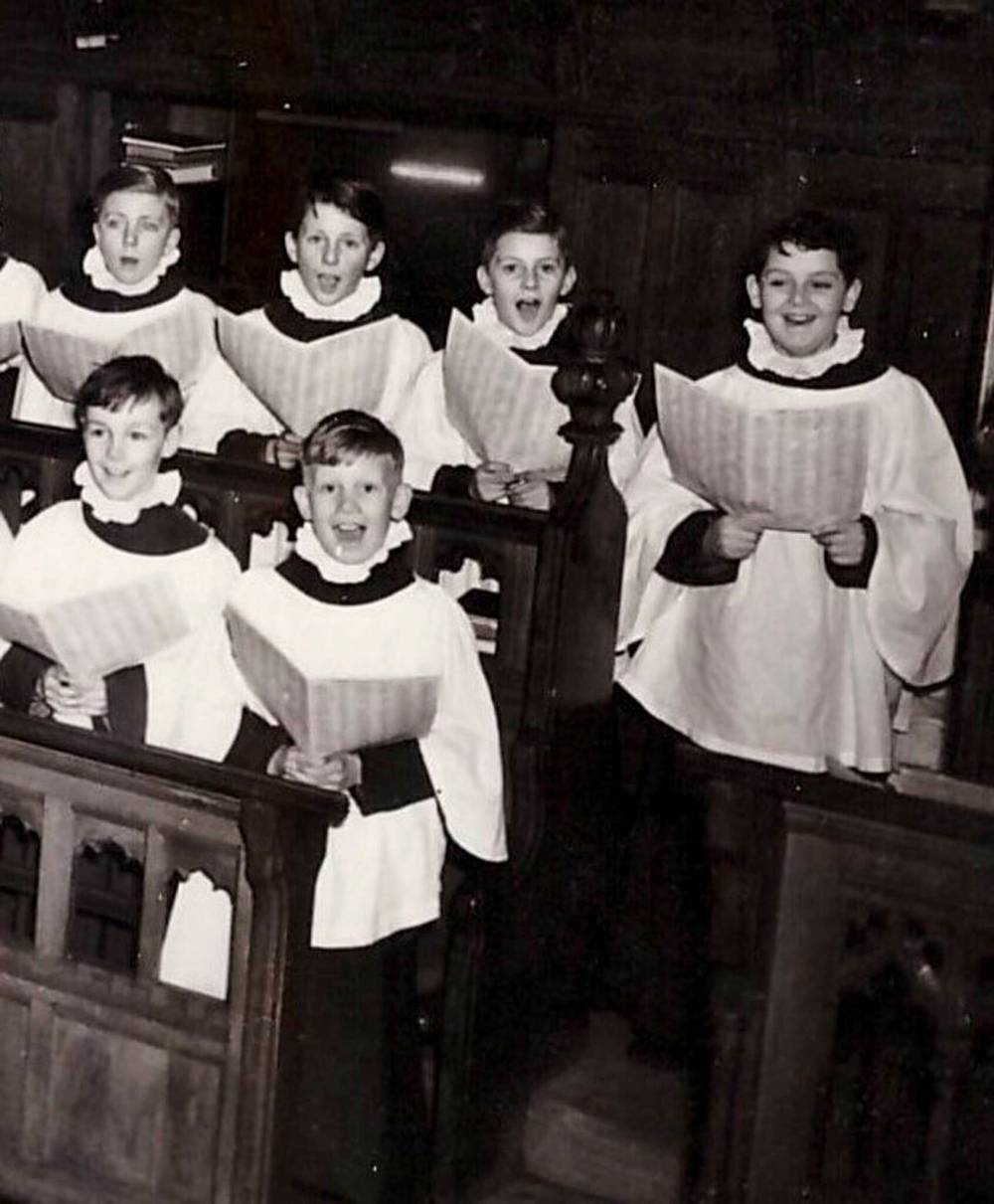
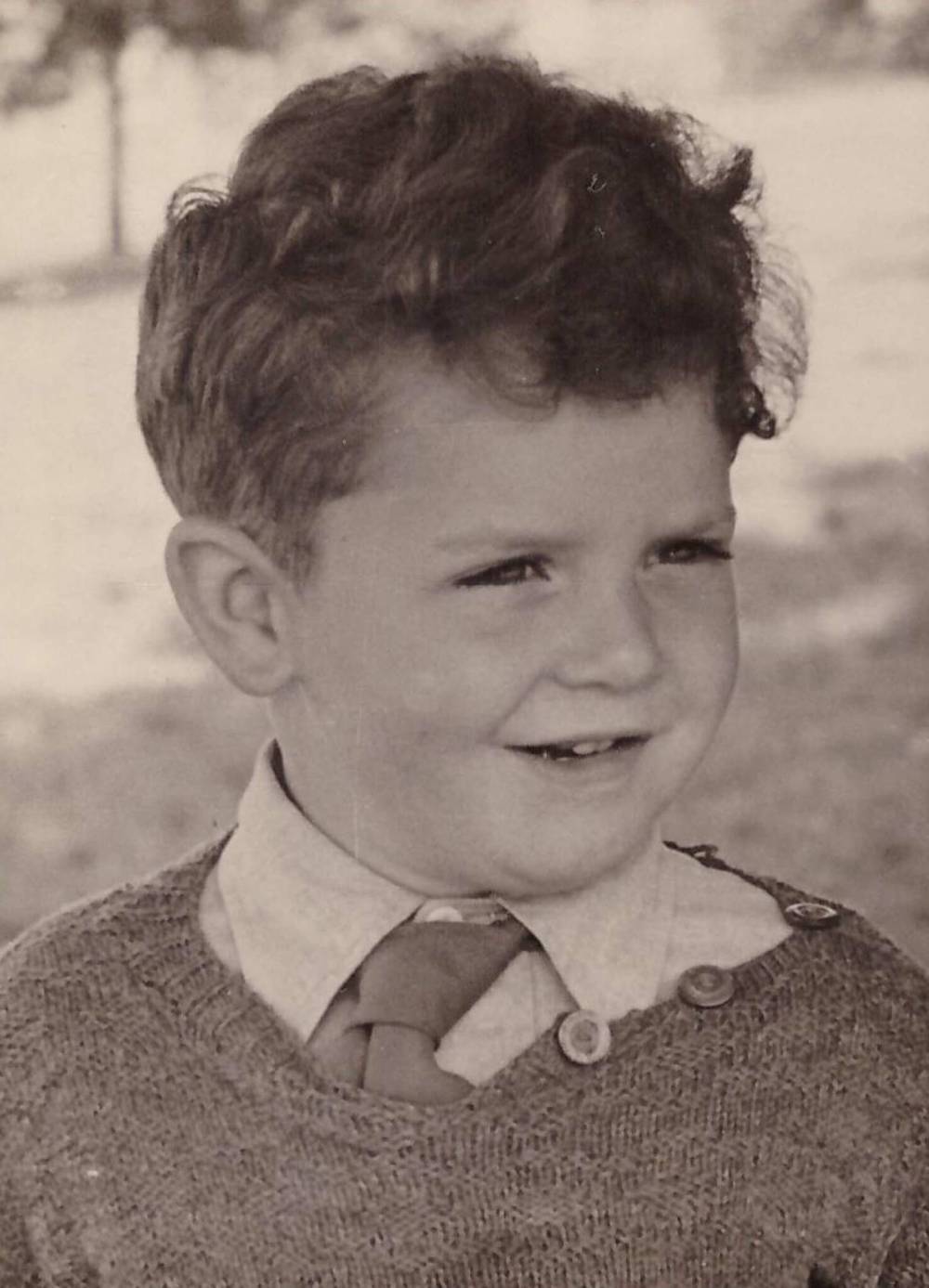
Gordon was born in the seaside town of Weymouth, England, and named after an uncle who died in the Second World War.
The eldest of five children, “Bill” had a knack for music from an early age. He sang soprano in his church choir and learned piano before moving on to the French horn. He left home to study at the Royal College of Music in London — a pursuit his father didn’t immediately approve of — and, as a young freelance musician, had a brush with Beatlemania.
“He was asked to fill in for his former horn teacher, who was double-booked,” says Kathie. “So, Bill went to a recording session at Abbey Road Studio and none of (the musicians) knew at the time what it was for, but they got paid really well and then later found out that it was the title song on Sgt. Pepper’s Lonely Hearts Club Band.”
For anyone else, the Beatles connection would’ve provided fodder for a lifetime of dinner party tales. But Bill was never one to brag. “He was pretty humble,” Kathie says.
After London, Gordon spent a season playing with the Ulster Symphony Orchestra in Belfast. Living in Northern Ireland during the early days of the Troubles led to some notable experiences, such as being denied service by a local shopkeeper because he wasn’t Catholic and having to rip the hardcovers off books before boarding airplanes (to prove a bomb wasn’t hidden in the pages).
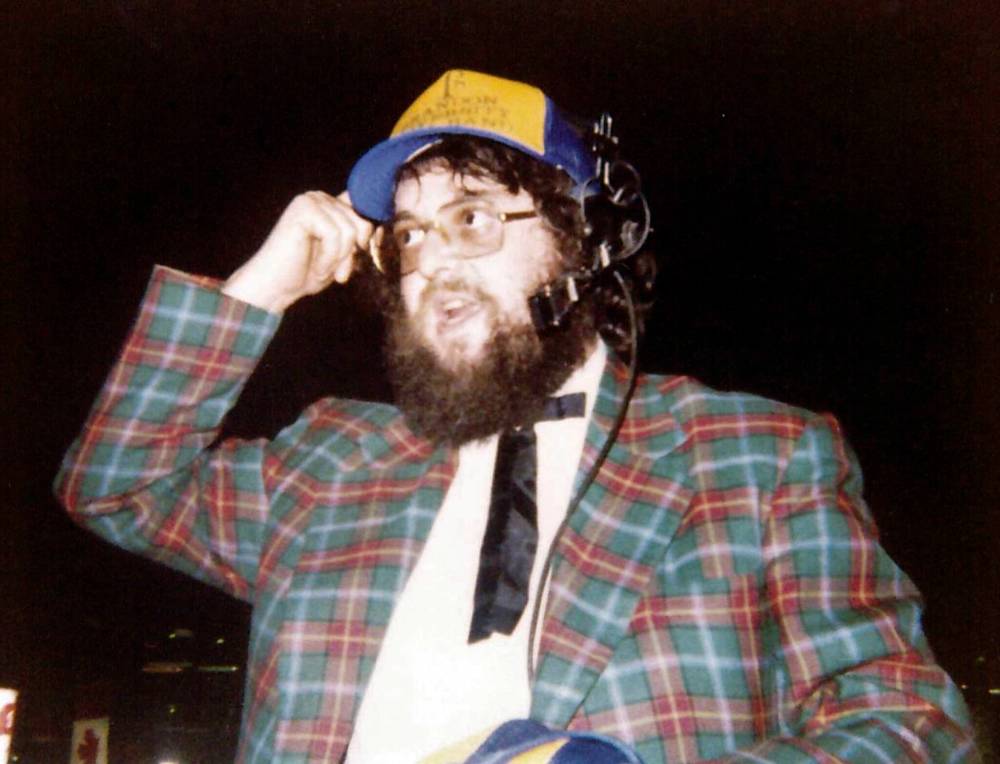
He immigrated to Canada in 1967 and got hired to teach band in the Winnipeg School Division while playing part-time with the Winnipeg Symphony Orchestra. In 1970, he joined the BU faculty.
Kathie was in high school when she met Gordon through a band workshop. The experience inspired her to pursue a degree in music education.
“I went to Brandon University to study music and then I married my professor,” she says with a laugh. “He was a really good listener, very friendly and welcoming to everybody.”
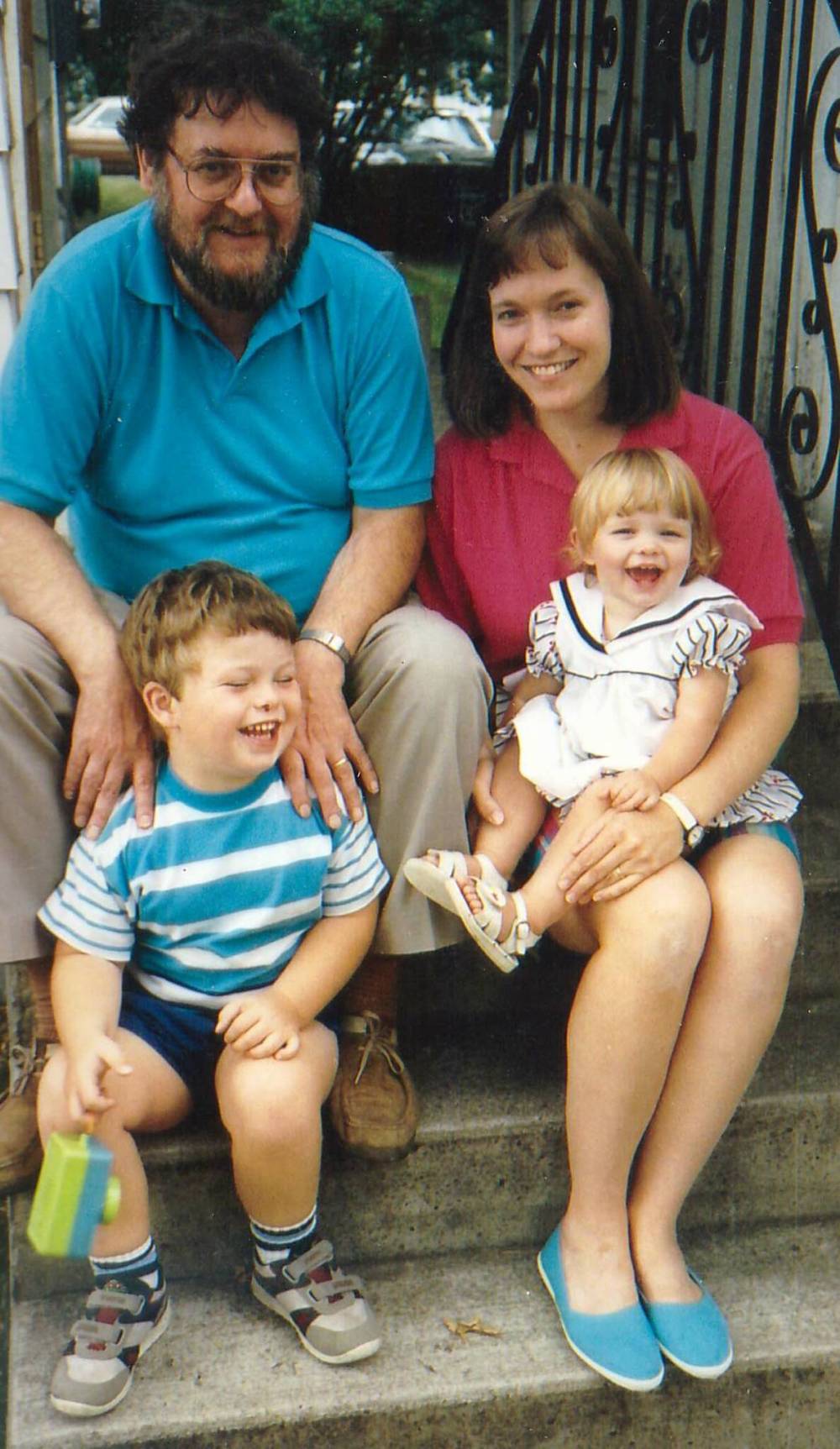
They became a couple during her last year of university, married four years later and raised two kids, Patrick and Emma.
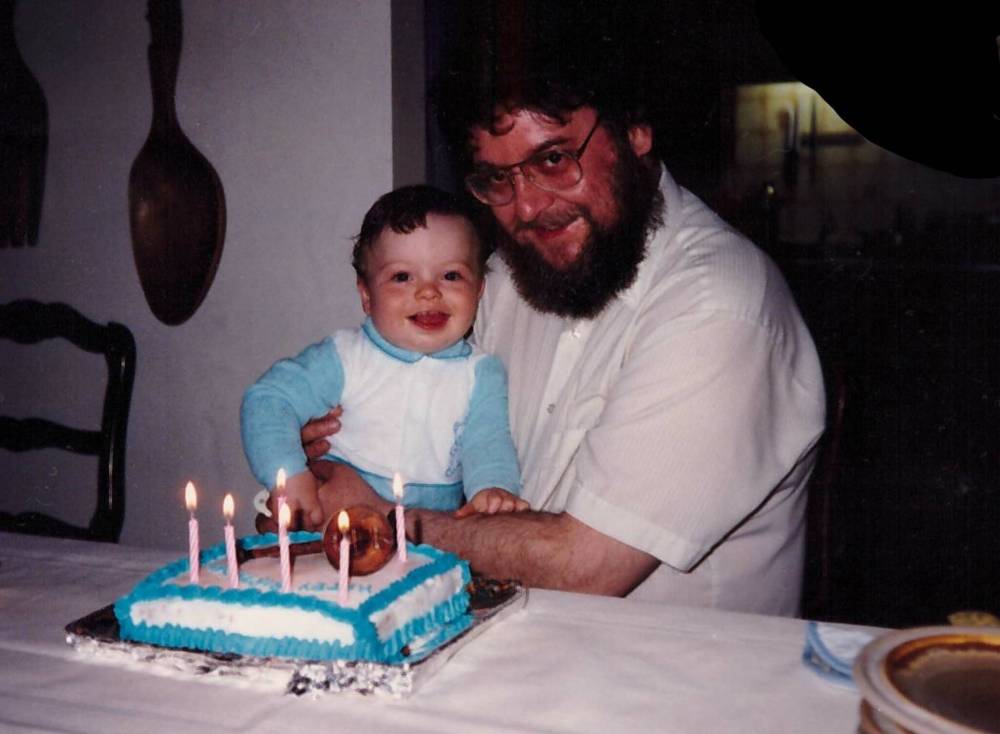
Unsurprisingly, there was often music playing at home, usually a classical radio station or recordings of student recitals. Emma has followed in her parents’ footsteps and now teaches band and choir internationally, while Patrick — even though he was a “very good bassoonist,” according to his mother — decided to pursue a law career.
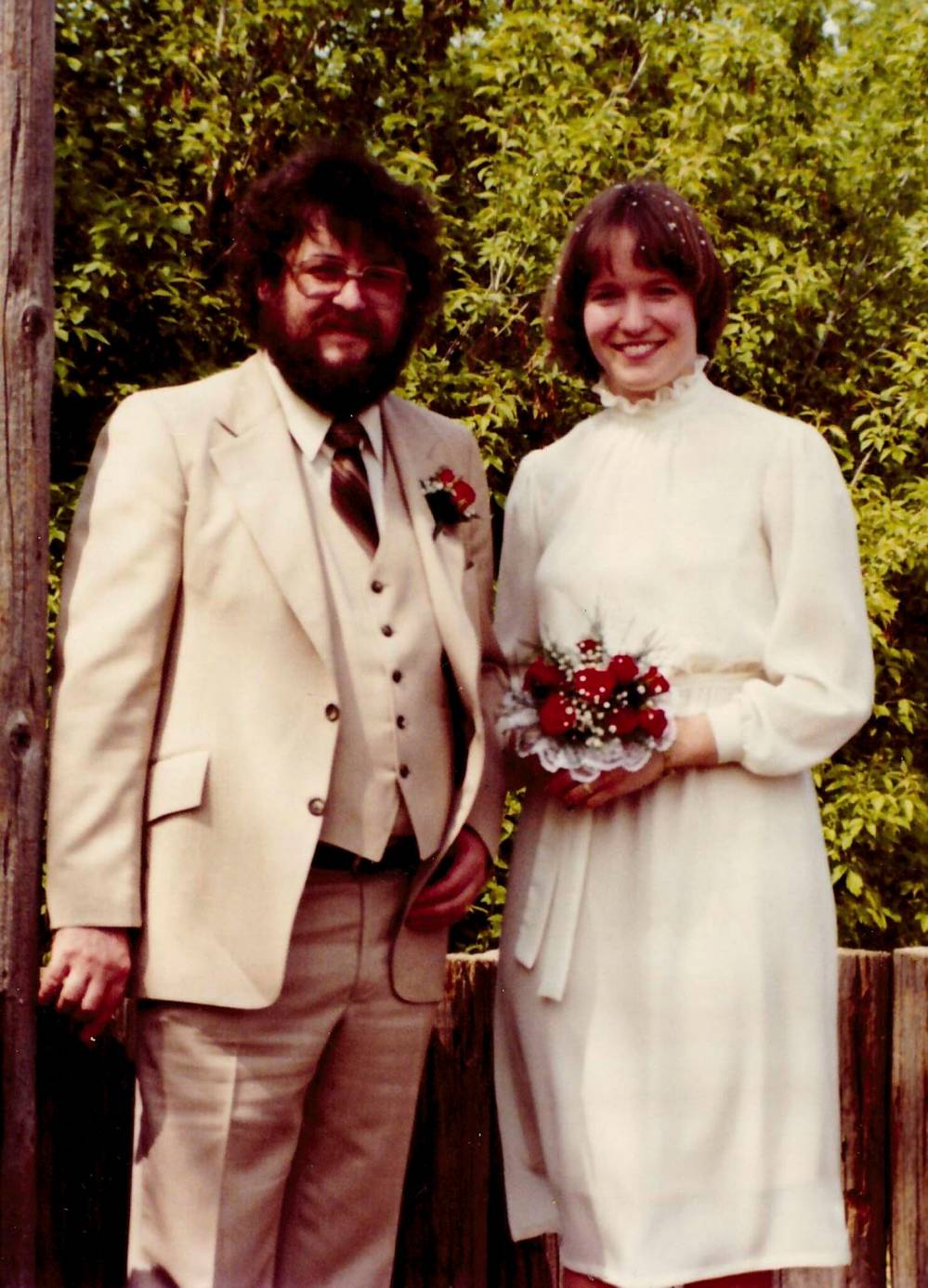
“I did always appreciate that he let me do my own thing… even if he may not have agreed with it,” Patrick says of his father over the phone from Toronto. “If you asked him his opinion, he’d give it to you, but if you disagreed with him that was OK, too.”
As a parent, Gordon was fair, supportive and honest. He was also stubborn, but it was a trait softened by his ability to laugh at himself. Case in point: the time he lost his sunglasses on his head during a family camping trip, “It was like, ‘Why didn’t you ask if someone had seen them?’” Patrick says, chuckling. “But he could acknowledge the humour of the situation.”
Coast-to-coast road trips with the camping trailer in tow — which Gordon was notoriously bad at parking — were an annual family tradition. The clan also regularly visited relatives in England and Australia and, later, he and Kathie travelled further afield, through Europe, Asia and India.
Gordon retired from Brandon University in 2013 and continued teaching part-time until the pandemic arrived in 2020. He had other hobbies, including woodworking and cooking, but music remained his central passion.
“He loved it so much and it was such a big part of his life,” Kathie says. “It was something he could contribute to.”
Even after retirement, he acted as the school’s unofficial welcoming committee. New staff were invited over for dinner and treated to a feast of homemade tandoori chicken and deep-fried papadam — during university, Gordon lived above an Indian restaurant and developed a lifelong love of the cuisine.
When Brandon music professor Wendy McCallum went from being a student to a faculty member, Gordon immediately treated her like a colleague. As a pupil, she was struck by his understanding of music history, theory and performance; as a co-worker, she was impressed by his ability to put students first.
“Professor Gordon treated every course he taught like an important piece of the puzzle… you saw the value in studying what he was teaching,” she says. “The lessons he taught me are fundamental to everything I believe about music and music education.”
Gordon was a community-builder who instilled in his colleagues a sense of service. If there was something that needed doing, he was often the one to raise his hand.
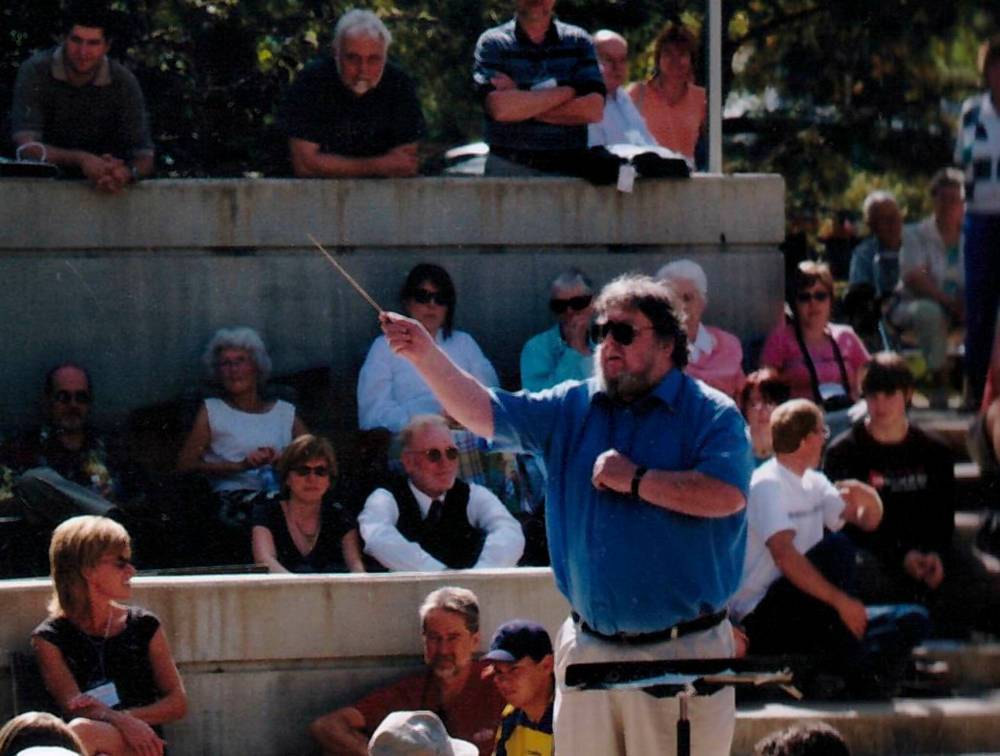
The tendency led him to chair nearly every department in the BU school of music, serve three separate terms as the acting dean of music and one as the university’s associate registrar. He conducted numerous school and community bands, hosted a cable-access music show, chaired the Brandon Racquetball Association and judged the bands in the city’s annual Travellers’ Day Parade for more than 20 years.
Save for earning one free beer after the latter, none of Gordon’s extracurriculars were done for attention or recognition. He even, on one occasion, turned down nomination for a prestigious lifetime achievement award.
“To put his head down and get the work done and not expect anything for it,” McCallum says. “That is the essence of his character.”
eva.wasney@freepress.mb.ca
Twitter: @evawasney

Eva Wasney has been a reporter with the Free Press Arts & Life department since 2019. Read more about Eva.
Every piece of reporting Eva produces is reviewed by an editing team before it is posted online or published in print — part of the Free Press‘s tradition, since 1872, of producing reliable independent journalism. Read more about Free Press’s history and mandate, and learn how our newsroom operates.
Our newsroom depends on a growing audience of readers to power our journalism. If you are not a paid reader, please consider becoming a subscriber.
Our newsroom depends on its audience of readers to power our journalism. Thank you for your support.
Eva Wasney has been a reporter with the Free Press Arts & Life department since 2019. Read more about Eva.
Every piece of reporting Eva produces is reviewed by an editing team before it is posted online or published in print — part of the Free Press‘s tradition, since 1872, of producing reliable independent journalism. Read more about Free Press’s history and mandate, and learn how our newsroom operates.
Our newsroom depends on a growing audience of readers to power our journalism. If you are not a paid reader, please consider becoming a subscriber.
Our newsroom depends on its audience of readers to power our journalism. Thank you for your support.
Advertisement Advertise With Us
Advertisement Advertise With Us